
Nutrition comparison
Haggis vs Chorizo: Which Processed Meat Is Healthier?
Compare haggis and chorizo on nutrition, sodium, preservatives, and health impact. Learn which traditional meat offers better micronutrients and lower risk for your diet.
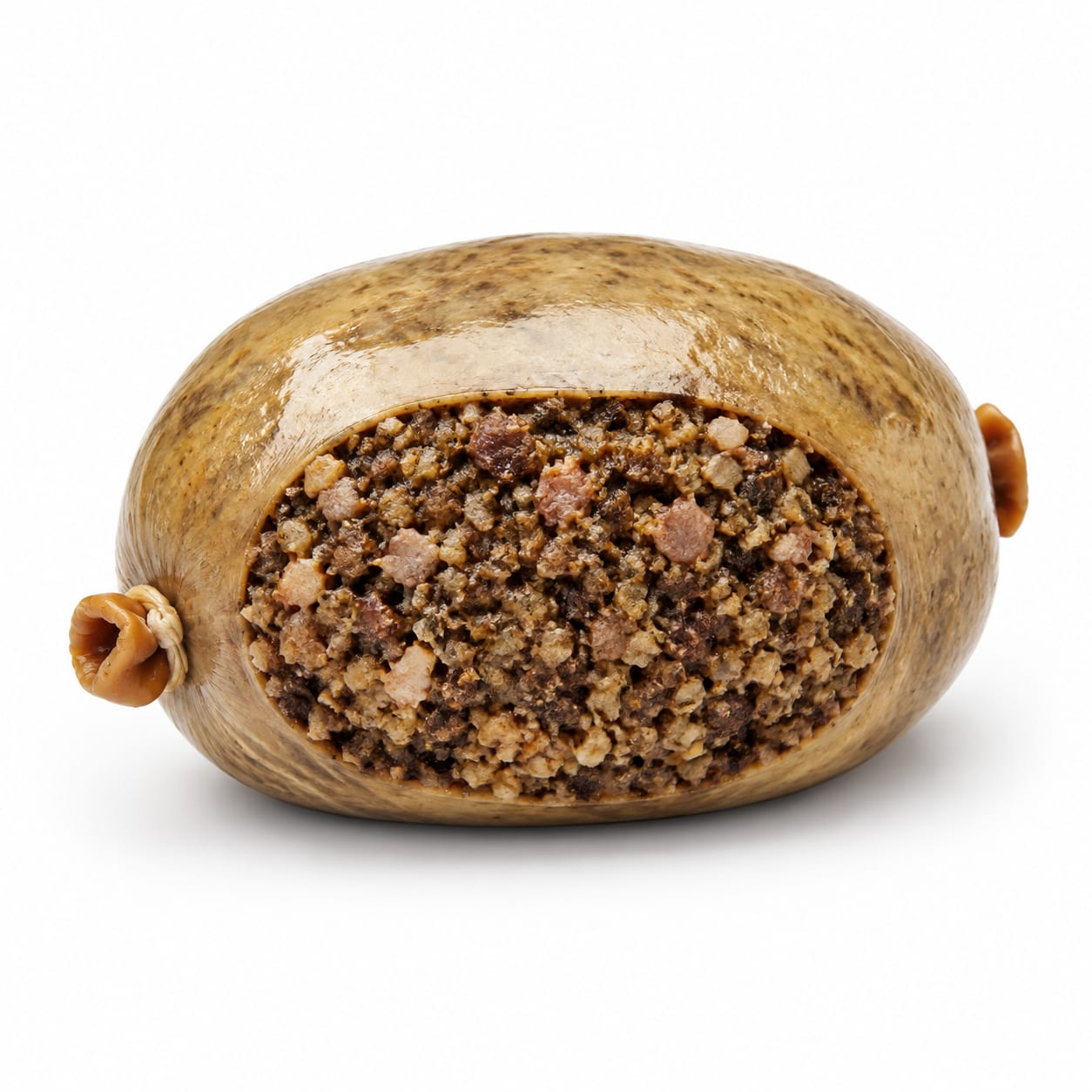
Haggis
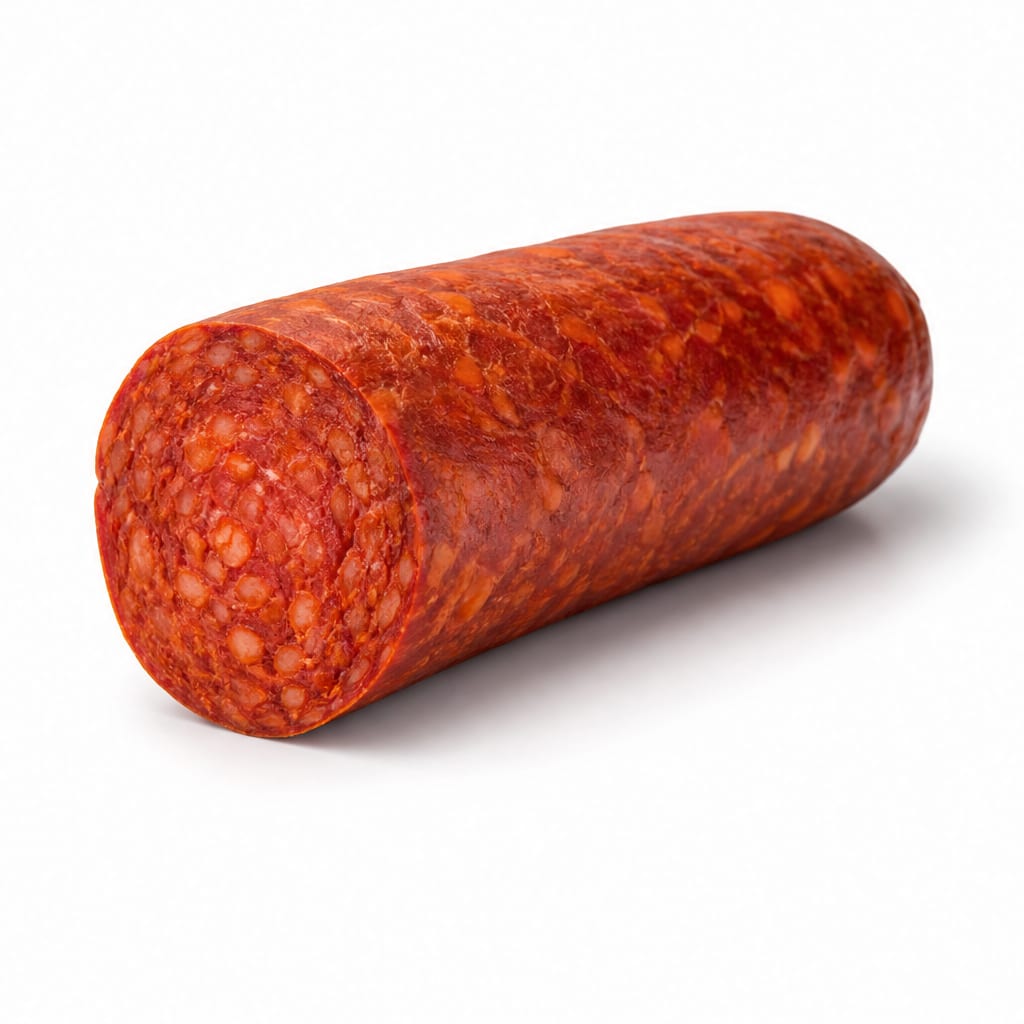
Chorizo
Haggis wins on micronutrients and lower sodium, but chorizo is far more versatile. Neither is a daily health food.
Haggis scores higher due to superior micronutrient density from organ meats and lower sodium, but both lose points for being processed meats high in saturated fat. Chorizo's very high sodium and frequent nitrite content pull its score down further.
Organ meat nutrition vs convenience and culinary flexibility, with both carrying significant processed meat risks
At a glance
Executive summary
Overall
It depends
Healthier
Haggis
More practical
Chorizo
Daily use
It depends
Key comparison lenses
processed meat health tradeoffs
Both are traditional processed meats with significant sodium, saturated fat, and preservation concerns that dominate any health comparison
micronutrient density from organ meats vs muscle meat
Haggis contains liver, heart, and lungs which dramatically change its vitamin and mineral profile compared to chorizo's standard pork muscle
sodium and cardiovascular risk
Chorizo is extremely sodium-dense, making blood pressure and heart health a central concern for regular consumers
everyday cooking versatility vs occasional tradition
Chorizo is a common weekly ingredient in many cuisines while haggis is typically eaten a few times per year, changing real-world exposure
preservative and curing agent exposure
Chorizo often contains nitrates and nitrites for curing, while haggis relies more on simple salting and spice preservation
Best choice for
Haggis
- People wanting iron and B12 from organ meats
- Those watching sodium intake relative to other sausages
- Anyone seeking a nutrient-dense occasional meal
- Fans of traditional Scottish cuisine and cultural experiences
Chorizo
- Home cooks wanting bold flavor in small amounts
- People adding protein to eggs, soups, or stews
- Those who prefer widely available ingredients
- Anyone needing a versatile pantry staple for quick meals
Least suitable for
Haggis
- Anyone avoiding offal or organ meats
- People who need quick everyday cooking options
- Those sensitive to rich, heavy meals
- Vegetarians and many religious dietary restrictions
Chorizo
- People managing hypertension or sodium-restricted diets
- Those concerned about nitrates and nitrites
- Anyone tracking saturated fat closely
- People prone to heartburn or acid reflux from spicy cured meats
Deep comparison
Dimension by dimension
Each lens scores both foods and breaks down who each option suits.
- Dimension 1 · Priority 92Haggis
micronutrient density
Haggis · 82Chorizo · 35Haggis delivers substantially more B12, iron, zinc, and folate thanks to its liver and heart content, while chorizo offers basic pork nutrients without the organ meat bonus.
Tradeoff
You get real nutritional value from haggis that chorizo simply cannot match, but you must be comfortable eating offal to access those benefits.
Why it matters
B12 and iron deficiencies are surprisingly common, and organ meats are among the most efficient dietary sources. A single serving of haggis can cover multiple days of B12 needs.
Real-world impact
If you occasionally eat haggis, you are getting a meaningful micronutrient boost. Chorizo adds flavor but little beyond protein and fat.
Haggis
- Preventing B12 deficiency
- Boosting iron intake naturally
- Getting zinc without supplements
Better for
- People morally or texturally opposed to organ meats
Worse for
Chorizo
- Nothing specific — chorizo is micronutrient-poor for a meat
Better for
- Anyone relying on it as a significant nutrient source
Worse for
- Dimension 2 · Priority 88Haggis
sodium load
Haggis · 45Chorizo · 18Chorizo is one of the highest-sodium cured meats commonly available, often exceeding 1000mg per 100g. Haggis is salty but typically contains 30-40% less sodium.
Tradeoff
Both are high-salt foods that require moderation, but chorizo demands much more caution if blood pressure is any concern.
Why it matters
Regular high sodium intake directly raises blood pressure and stroke risk. The difference between 700mg and 1200mg per serving matters enormously for daily limits.
Real-world impact
Eating chorizo regularly can easily push you past the recommended 2300mg daily sodium limit even without adding salt elsewhere. Haggis is more forgiving but still not low-sodium.
Haggis
- Occasional indulgence with less blood pressure impact
- More room for other salty foods in the same day
Better for
- Still too salty for sodium-restricted diets
Worse for
Chorizo
- Nothing — chorizo loses clearly on sodium
Better for
- Anyone with hypertension
- Older adults managing blood pressure
- Regular consumers at risk of chronic high intake
Worse for
- Dimension 3 · Priority 85Haggis
saturated fat and heart health
Haggis · 38Chorizo · 25Both are high in saturated fat, but chorizo is significantly fattier overall with 35-40g fat per 100g compared to haggis at roughly 20-25g.
Tradeoff
Chorizo's higher fat content makes it more calorie-dense and harder on cardiovascular health, though its fat also carries much of the flavor people love.
Why it matters
Saturated fat from processed meats appears more harmful than saturated fat from dairy or unprocessed sources, likely due to the combination with sodium and preservatives.
Real-world impact
A chorizo breakfast can deliver nearly half your daily saturated fat limit before noon. Haggis is heavy but less extreme in a single sitting.
Haggis
- Less cardiovascular strain per serving
- More reasonable calorie density for a meat dish
Better for
- Still a significant saturated fat source
Worse for
Chorizo
- Higher fat content suits keto and low-carb diets in small portions
Better for
- Very easy to overconsume calories and saturated fat
- Combines high fat with high sodium for a double cardiovascular hit
Worse for
- Dimension 4 · Priority 80Haggis
preservatives and processing risk
Haggis · 48Chorizo · 30Chorizo frequently contains nitrates, nitrites, and additional chemical preservatives for curing. Haggis uses simpler preservation with salt and spices.
Tradeoff
Haggis is still processed meat with cancer risk, but it avoids the specific concerns around nitrites that convert to carcinogenic nitrosamines.
Why it matters
The WHO classifies all processed meats as Group 1 carcinogens, but nitrite-cured meats carry additional specific risk for colorectal cancer.
Real-world impact
Eating chorizo several times weekly means regular nitrite exposure. Haggis eaten once or twice a year presents minimal cumulative risk from any preservative.
Haggis
- Lower nitrite exposure
- Simpler ingredient list with fewer additives
- Less frequent consumption reduces cumulative risk
Better for
- Still classified as processed meat
- Contains suet which some commercial versions preserve with additives
Worse for
Chorizo
- Nothing meaningful — chorizo has more preservative concerns
Better for
- Regular nitrite exposure from frequent use
- Potential nitrosamine formation during cooking
- Commercial versions often have long ingredient lists
Worse for
- Dimension 5 · Priority 75Chorizo
culinary versatility and convenience
Haggis · 25Chorizo · 85Chorizo is a kitchen workhorse that enhances eggs, pasta, soups, and stews. Haggis is a specific dish eaten on its own with limited culinary applications.
Tradeoff
Chorizo's versatility means it gets eaten far more often, which increases total exposure to its health downsides. Haggis's limited use keeps it an occasional food by nature.
Why it matters
The food you eat weekly matters more than the food you eat yearly. Chorizo's convenience can become a health liability through frequency.
Real-world impact
A chorizo log in the fridge gets used across multiple meals. Haggis requires a deliberate meal decision and is harder to find outside Scotland.
Haggis
- Forced moderation through limited availability
- Clear special-occasion framing prevents overconsumption
Better for
- Hard to find outside specialty shops
- Limited recipe flexibility
- Requires specific meal planning
Worse for
Chorizo
- Transforms simple dishes with small amounts
- Available in most grocery stores worldwide
- Works in breakfast, lunch, and dinner contexts
- Long shelf life when cured
Better for
- Convenience leads to overuse and higher cumulative health risk
Worse for
- Dimension 6 · Priority 60Haggis
fiber and carbohydrate profile
Haggis · 55Chorizo · 15Haggis contains oatmeal which provides a few grams of fiber and complex carbohydrates. Chorizo is essentially zero-carb with no fiber.
Tradeoff
The oatmeal in haggis adds modest digestive benefits and slows nutrient absorption slightly, but neither food is a meaningful fiber source.
Why it matters
Even small amounts of fiber in a meat dish help with digestion and slow the absorption of fat and cholesterol, making the meal slightly gentler on your system.
Real-world impact
Haggis sits slightly lighter in the stomach thanks to its oatmeal content. Chorizo can feel heavier and more sluggish despite having no carbs.
Haggis
- Modest fiber supports digestion
- Oatmeal adds slow-release energy
- More balanced macronutrient profile
Better for
- Still very low fiber overall
Worse for
Chorizo
- Zero carbs suit strict ketogenic diets
Better for
- No fiber contribution to daily needs
- Can feel heavy without any carbohydrate buffer
Worse for
Timeline
Health impact over time
Short-term
Hours to days
Haggis
- Heavy, satisfying meal that provides sustained energy for hours
- Rich iron content may cause slight digestive adjustment if unaccustomed to organ meats
- Moderate sodium may cause mild water retention
- Warming and filling in cold weather
Chorizo
- High sodium can cause immediate thirst and bloating
- Spicy varieties may trigger heartburn or acid reflux
- Rich fat content provides quick energy but can feel heavy
- Paprika and garlic may cause mild stomach irritation in sensitive individuals
Long-term
Months to years
Haggis
- Occasional consumption provides meaningful B12 and iron with minimal cumulative risk
- Rare intake means processed meat carcinogenicity is largely theoretical
- Organ meat nutrients support neurological health and energy metabolism
- Saturated fat and sodium are manageable at low frequency
Chorizo
- Regular consumption significantly increases colorectal cancer risk from nitrites
- Chronic high sodium intake drives hypertension and cardiovascular disease
- Frequent saturated fat from processed meat raises LDL cholesterol
- Cumulative preservative exposure compounds over years of weekly use
Risk profile
Safety & processing
Both are processed meats, but haggis uses a simpler traditional recipe of organs, oatmeal, suet, and spices. Chorizo frequently includes nitrates, nitrites, dextrose, sodium erythorbate, and smoke flavoring depending on the brand. Artisanal versions of both exist with cleaner ingredient lists, but standard commercial chorizo carries more additive concerns.
Haggis
Foodborne illness from improper offal handling
mediumOrgan meats spoil faster than muscle meat and require careful temperature control during production and storage. Reputable producers follow strict protocols, but the risk is inherently higher.
Heavy metal accumulation in organ meats
lowLiver can concentrate environmental contaminants like copper and cadmium, though sheep raised for haggis production typically have low exposure levels.
Chorizo
Nitrosamine exposure from nitrite curing
highNitrites in cured chorizo convert to nitrosamines during cooking, especially at high heat. These compounds are strongly linked to colorectal cancer with repeated exposure.
Trichinella in undercooked fresh chorizo
mediumMexican-style fresh chorizo must be cooked thoroughly. Cured Spanish chorizo is safe without cooking, but cross-contamination in home kitchens is common.
Excessive sodium causing acute blood pressure spikes
mediumA single serving can contain over a gram of sodium, which can acutely raise blood pressure in sensitive individuals within hours.
Who wins for whom
Audience fit
Same foods, different winners depending on your goal.
children
It dependsNeither is ideal for children. Chorizo's spice and nitrites are concerning for developing bodies. Haggis's organ meats are nutrient-rich but the texture and concept often alienate kids entirely.
daily consumption
It dependsNeither should be eaten daily. Both are processed meats with cumulative health risks that increase with frequency. Limit both to a few times per month maximum.
diabetes
HaggisHaggis has a lower sodium load and contains oatmeal which provides slight blood sugar buffering. Chorizo's very high sodium worsens the cardiovascular risks that diabetics already face.
elderly
HaggisOlder adults benefit most from haggis's B12, iron, and zinc density while facing less sodium pressure. Chorizo's extreme sodium content is particularly dangerous for age-related blood pressure concerns.
muscle gain
ChorizoChorizo provides more total protein per serving and is easier to incorporate into multiple meals throughout the week, supporting consistent protein intake.
weight loss
HaggisHaggis has fewer calories per serving and more protein relative to fat. Its limited availability also prevents habitual overeating. Chorizo's extreme calorie density makes portion control difficult.
Your move
Decision guide
Choose Haggis
- You want maximum micronutrient return from an occasional meat indulgence
- Sodium intake is a health priority for you
- You are curious about traditional foods and cultural experiences
- You prefer eating richer foods less frequently rather than moderate foods often
Choose Chorizo
- You need a versatile flavor booster for everyday cooking
- You follow a low-carb or ketogenic diet and want zero-carb protein
- You are comfortable managing portions carefully
- You value convenience and widespread availability
Either works if
- You simply want a flavorful processed meat treat occasionally
- You are healthy with no blood pressure or cardiovascular concerns
- You pair it with vegetables and whole grains to balance the meal
Avoid both if
- You have hypertension, heart disease, or are at high cardiovascular risk
- You have been advised to limit processed meat for cancer prevention
- You follow a low-sodium diet for any medical reason
- You have gout and are sensitive to purine-rich foods
Final recommendation
If choosing between the two on health grounds, haggis offers more nutritional upside and less sodium per serving, making it the smarter occasional choice. However, chorizo's culinary versatility means it will likely appear in your kitchen more often, which increases real-world health risk through frequency. The best approach: enjoy haggis as a special-occasion meal a few times per year, and use chorizo sparingly as a flavor accent rather than a main protein. Neither belongs on your plate daily.
Practical
Consumer tips
- 1
Look for artisanal chorizo without nitrates or nitrites if you eat it regularly — the flavor is often better too
- 2
Pair either meat with leafy greens and vitamin C to improve iron absorption and partially offset the sodium
- 3
If trying haggis, source from reputable Scottish producers who follow traditional recipes with minimal additives
- 4
Use chorizo as a seasoning rather than a main ingredient — a little goes a long way in eggs, beans, or soup
- 5
Drink extra water after eating either food to help your kidneys process the sodium load
- 6
Freeze sliced chorizo in small portions to prevent overusing it when cooking
- 7
Check haggis labels for suet quality — some commercial versions use vegetable suet which slightly reduces saturated fat