
Nutrition comparison
Haggis vs Bologna: Which Processed Meat Is Actually Better for You?
Compare haggis and bologna on nutrition, processing, sodium, and health risks. Learn which traditional or everyday meat is the smarter occasional choice.
Overall winner · Haggis
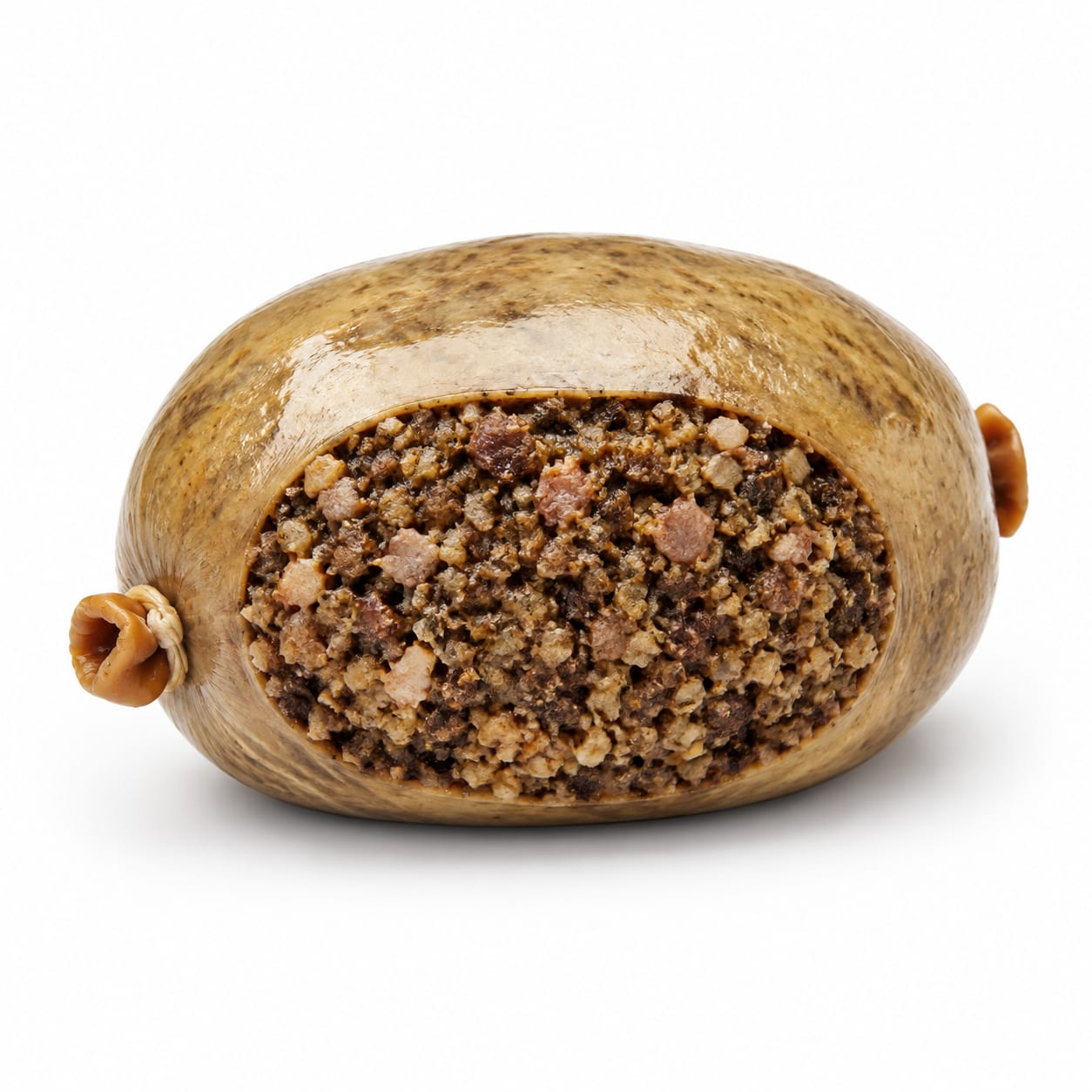
Haggis
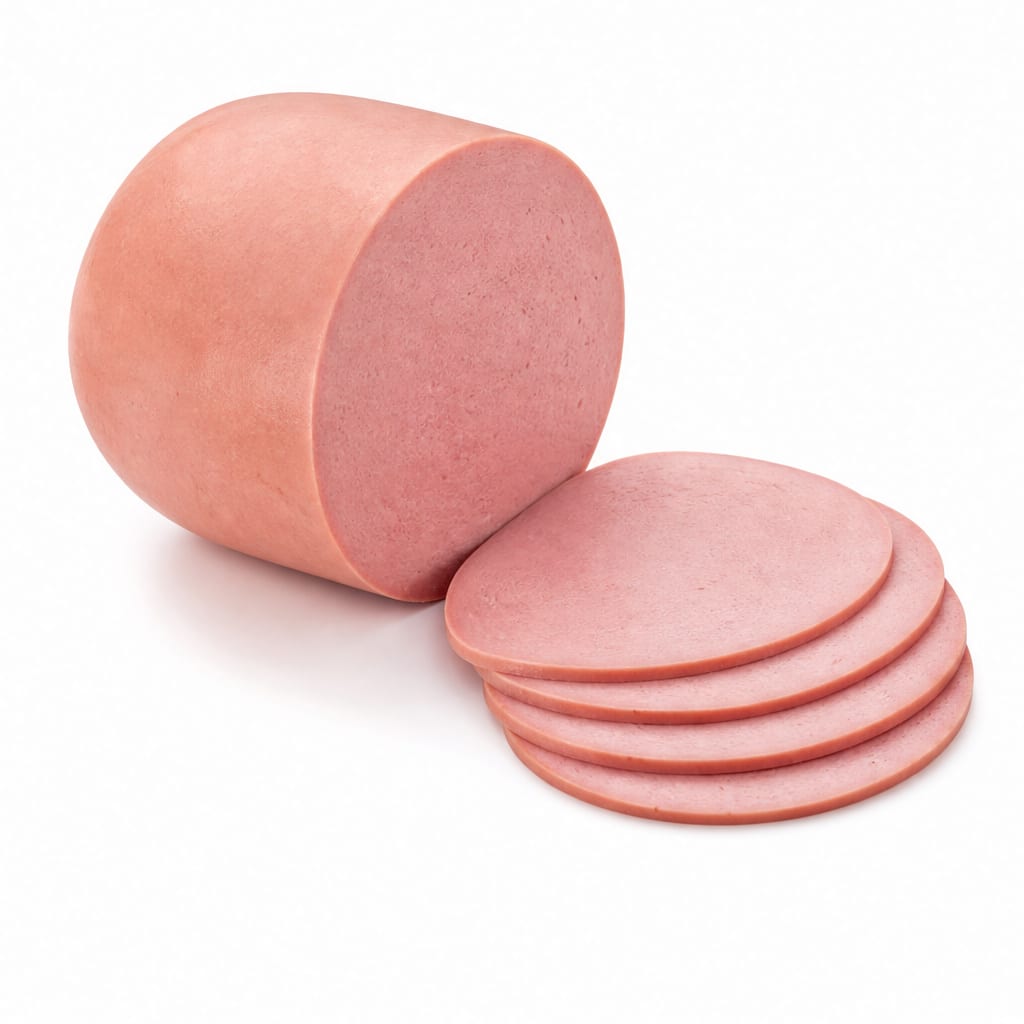
Bologna
Haggis edges out bologna thanks to organ-meat nutrient density and fewer artificial additives, but neither is a daily health food.
Haggis scores higher due to superior micronutrient content and cleaner ingredient lists, but both lose points for high sodium and saturated fat. Bologna falls further behind due to ultra-processing and nitrite exposure.
You gain vitamins and minerals from haggis's organ meats but lose the grab-and-go convenience of bologna — and both carry heavy sodium loads.
At a glance
Executive summary
Overall
Haggis
Healthier
Haggis
More practical
Bologna
Daily use
It depends
Key comparison lenses
processing naturalness
Both are processed meat products but differ drastically in how they're made and what goes into them
nutrient density vs convenience
Haggis offers organ-meat nutrition while bologna offers shelf-stable convenience
sodium and heart health
Both are high-sodium foods with cardiovascular implications that users should weigh carefully
preservative and additive exposure
Bologna typically contains nitrates and emulsifiers while traditional haggis relies on natural ingredients
cultural authenticity vs everyday practicality
Haggis is a ceremonial traditional food while bologna is an everyday convenience item
Best choice for
Haggis
- People seeking iron, B12, and trace minerals from organ meats
- Those avoiding nitrates and artificial emulsifiers
- Cultural or occasional celebratory meals
Bologna
- Quick sandwich lunches with minimal prep
- Budget-conscious protein needs
- Kids who prefer mild familiar flavors
Least suitable for
Haggis
- Daily frequent consumption due to high saturated fat and sodium
- People with gout triggered by organ meats
- Anyone seeking a quick convenient meal option
Bologna
- Those avoiding nitrites and ultra-processed meats
- People managing hypertension or heart disease
- Anyone concerned about long-term processed meat cancer risk
Deep comparison
Dimension by dimension
Each lens scores both foods and breaks down who each option suits.
- Dimension 1 · Priority 90Haggis
Nutrient Density
Haggis · 72Bologna · 25Haggis delivers substantial iron, B12, copper, and vitamin A from sheep liver and heart — nutrients largely absent in bologna.
Tradeoff
Those organ nutrients come packaged with cholesterol and purines that bologna avoids in lower amounts.
Why it matters
If you rarely eat organ meats, haggis provides a meaningful micronutrient boost that bologna simply cannot match.
Real-world impact
Occasional haggis can help fill nutritional gaps, especially for iron and B12, while bologna offers mostly empty calories with added sodium.
Haggis
- Anemia-prone individuals needing iron
- Older adults at risk of B12 deficiency
- Anyone eating limited organ meats otherwise
Better for
- Gout sufferers sensitive to purines
- Anyone monitoring vitamin A intake during pregnancy
Worse for
Bologna
- People who need calories without high purine load
- Those managing cholesterol who want leaner processed meat options
Better for
- Children needing nutrient-dense growth support
- Anyone relying on lunch meat as a primary protein source
Worse for
- Dimension 2 · Priority 88Haggis
Processing and Additives
Haggis · 65Bologna · 20Traditional haggis uses whole organ meats, oatmeal, and spices. Bologna is an emulsified meat product with nitrates, sodium erythorbate, and binders.
Tradeoff
Haggis is still a processed food but closer to whole ingredients. Bologna's ultra-processing carries stronger long-term health concerns.
Why it matters
The WHO classifies processed meats as carcinogenic, but the risk escalates with nitrite-cured and heavily emulsified products like bologna.
Real-world impact
Eating bologna regularly means daily nitrite exposure. Occasional haggis means less frequent and less synthetic additive intake.
Haggis
- Clean-label shoppers wanting recognizable ingredients
- Those reducing nitrite and preservative exposure
Better for
- People who assume all traditional foods are unprocessed
Worse for
Bologna
- No realistic advantage — bologna is more processed in every meaningful way
Better for
- Long-term daily consumers facing cumulative nitrite exposure
- Children regularly eating bologna sandwiches
Worse for
- Dimension 3 · Priority 85Haggis
Sodium Load
Haggis · 35Bologna · 20Both are very high in sodium, but bologna typically packs even more per serving due to curing and preservation needs.
Tradeoff
Neither food works for sodium-sensitive diets. Haggis is slightly less punishing but still far from low-sodium.
Why it matters
A single serving of either can deliver 400-800mg of sodium, making it hard to stay under daily limits if eaten regularly.
Real-world impact
A bologna sandwich at lunch can use up half your daily sodium budget before dinner. Haggis is marginally less restrictive but still a sodium splurge.
Haggis
- Sodium-conscious eaters choosing the lesser of two evils
Better for
- Anyone on a strict low-sodium diet
Worse for
Bologna
- No advantage — bologna is typically higher in sodium
Better for
- Hypertension patients who eat processed meat daily
- People already consuming high-sodium diets from other sources
Worse for
- Dimension 4 · Priority 75Bologna
Convenience and Practicality
Haggis · 20Bologna · 85Bologna is ready to eat, shelf-stable, and requires zero preparation. Haggis needs cooking and is harder to source.
Tradeoff
Convenience comes at the cost of quality. Bologna trades nutrition and ingredient integrity for grab-and-go ease.
Why it matters
In real life, people reach for bologna because it's easy. Haggis requires planning and access to specialty shops.
Real-world impact
A bologna sandwich takes 60 seconds. Haggis requires 45 minutes of cooking and advance shopping — it's a meal event, not a quick bite.
Haggis
- Weekend or special-occasion meals worth planning for
Better for
- Busy weeknight dinners
- Anyone without access to a Scottish or British specialty shop
Worse for
Bologna
- Packed lunches for work or school
- Quick protein when time is zero
- Road trips and camping where refrigeration is limited
Better for
- Meals where nutrition matters more than speed
Worse for
- Dimension 5 · Priority 72Haggis
Satiety and Fullness
Haggis · 70Bologna · 40Haggis is dense and filling thanks to oatmeal, suet, and organ meats. Bologna is calorie-dense but not particularly satisfying.
Tradeoff
Haggis keeps you full longer but feels heavy. Bologna leaves you hungry sooner despite its fat content.
Why it matters
Foods that fail to satisfy lead to overeating later. A bologna lunch often needs chips or a snack to feel complete.
Real-world impact
A modest portion of haggis with neeps and tatties can keep you full for hours. A bologna sandwich often triggers afternoon snacking.
Haggis
- Active people needing sustained energy
- One-meal days where that meal needs to count
Better for
- Hot days when heavy food feels unappealing
- Post-workout eating when you want something light
Worse for
Bologna
- Light eaters who prefer smaller portions
- Situations where you want a quick bite without feeling stuffed
Better for
- Anyone prone to afternoon energy crashes and snacking
Worse for
- Dimension 6 · Priority 82It depends
Heart Health Impact
Haggis · 30Bologna · 22Neither food supports heart health. Haggis has more cholesterol from organs; bologna has more sodium and nitrites linked to vascular damage.
Tradeoff
Pick your cardiovascular risk: cholesterol and purines with haggis, or sodium and nitrites with bologna.
Why it matters
Regular consumption of either food works against heart-healthy eating patterns, just through different mechanisms.
Real-world impact
Occasional haggis at Burns Night is negligible. Daily bologna sandwiches accumulate real cardiovascular risk over years.
Haggis
- Occasional consumption where cholesterol impact is minimal
Better for
- People with high cholesterol already monitoring organ meat intake
Worse for
Bologna
- No meaningful heart health advantage over haggis
Better for
- Daily consumers facing compounded sodium and nitrite risks
- Anyone with existing hypertension
Worse for
Timeline
Health impact over time
Short-term
Hours to days
Haggis
- Heavy fullness that can last hours due to dense fat and oatmeal content
- Potential digestive discomfort if unused to rich organ meats
- Thirst from sodium content
Bologna
- Quick energy but rapid hunger return within 1-2 hours
- Thirst and bloating from high sodium
- Possible mild headache in sodium-sensitive individuals
Long-term
Months to years
Haggis
- Iron and B12 status improvement with occasional consumption
- Elevated cholesterol if eaten frequently
- Gout flares in susceptible individuals from purine-rich organs
Bologna
- Increased colorectal cancer risk with regular processed meat consumption
- Worsening blood pressure from chronic high sodium intake
- Potential vascular inflammation from repeated nitrite exposure
Risk profile
Safety & processing
Traditional haggis uses real organ meats, oatmeal, onion, and spices — processed but with recognizable whole ingredients. Bologna is an emulsified slurry of mechanically separated meats, nitrates, sodium erythorbate, corn syrup, and binders. The ingredient gap is substantial.
Haggis
Bacterial contamination from organ meats
mediumOffal requires careful handling and thorough cooking to eliminate pathogens like Campylobacter or Salmonella.
Vitamin A toxicity with frequent consumption
lowLiver contains retinol which accumulates. Occasional eating is fine but weekly consumption during pregnancy is concerning.
Heavy metal exposure from sheep organs
lowOrgans can concentrate environmental contaminants. Sourcing from reputable producers minimizes this risk.
Bologna
Nitrite-derived nitrosamine exposure
highCooking bologna creates nitrosamines, which are known carcinogens. This risk compounds with frequent consumption.
Listeria in deli-sliced products
mediumPre-sliced bologna from deli counters carries listeria risk, especially dangerous for pregnant women and elderly.
Cumulative sodium-driven hypertension
highRegular bologna consumption makes it extremely difficult to maintain sodium intake within healthy limits.
Who wins for whom
Audience fit
Same foods, different winners depending on your goal.
children
It dependsNeither is ideal for kids. Bologna is more palatable and familiar but carries nitrite exposure risks during development. Haggis offers better nutrition but most children refuse it.
daily consumption
It dependsNeither should be eaten daily. If forced to choose, occasional haggis provides more nutritional return per serving than daily bologna with its cumulative nitrite and sodium burden.
diabetes
HaggisHaggis has lower carbohydrate impact and more stable satiety from fat and protein. Bologna often contains added corn syrup and causes quicker hunger return.
elderly
HaggisThe B12, iron, and zinc in haggis address common elderly deficiencies. Bologna's sodium and nitrites worsen age-related cardiovascular and blood pressure concerns.
muscle gain
HaggisHaggis provides more bioavailable iron, B12, and complete protein from organ meats, supporting recovery and oxygen transport better than bologna's lower-quality protein.
weight loss
It dependsNeither supports weight loss well. Haggis is more satiating but calorie-dense. Bologna is lower in calories per slice but fails to satisfy, risking overeating later.
Your move
Decision guide
Choose Haggis
- You want nutrient density and are eating it occasionally rather than daily
- You value recognizable ingredients over convenience
- You have low iron or B12 and tolerate organ meats well
- You're celebrating Scottish culture and want the authentic experience
Choose Bologna
- You need a quick affordable protein source with zero prep time
- You're packing school lunches for a child who won't eat anything else
- Convenience genuinely outweighs nutritional concerns in your current season
Either works if
- You're eating processed meat only a few times per year
- Neither food is a staple in your regular diet
Avoid both if
- You have hypertension, gout, or kidney disease
- You're following a heart-healthy or low-sodium eating pattern
- You're pregnant and concerned about nitrites or vitamin A excess
- You already eat processed meat regularly from other sources
Final recommendation
If you're choosing between these two, haggis wins on nutrition and ingredient quality while bologna wins on convenience. The real answer is to treat both as occasional foods — enjoy haggis for its cultural richness and micronutrients, keep bologna as a rare convenience backup, and build your daily eating around less processed protein sources.
Practical
Consumer tips
- 1
Source haggis from reputable butchers who use quality offal to minimize contaminant exposure
- 2
If eating bologna, choose nitrate-free versions and limit to once per week maximum
- 3
Pair either food with potassium-rich vegetables like spinach or sweet potatoes to help counterbalance sodium
- 4
Never eat bologna straight from the package without checking sell-by dates — listeria risk is real
- 5
Consider haggis as a gateway to other organ meats like liver pâté, which offer similar nutrients in more versatile forms
- 6
If sodium is a concern, rinse or blot bologna slices and skip added salt elsewhere in that meal