
Nutrition comparison
Haggis vs Black Pudding: Nutrition, Iron, and Health Comparison
Which is healthier — Haggis or Black Pudding? Compare iron content, saturated fat, sodium, vitamins, and which traditional offal food fits your health goals better.
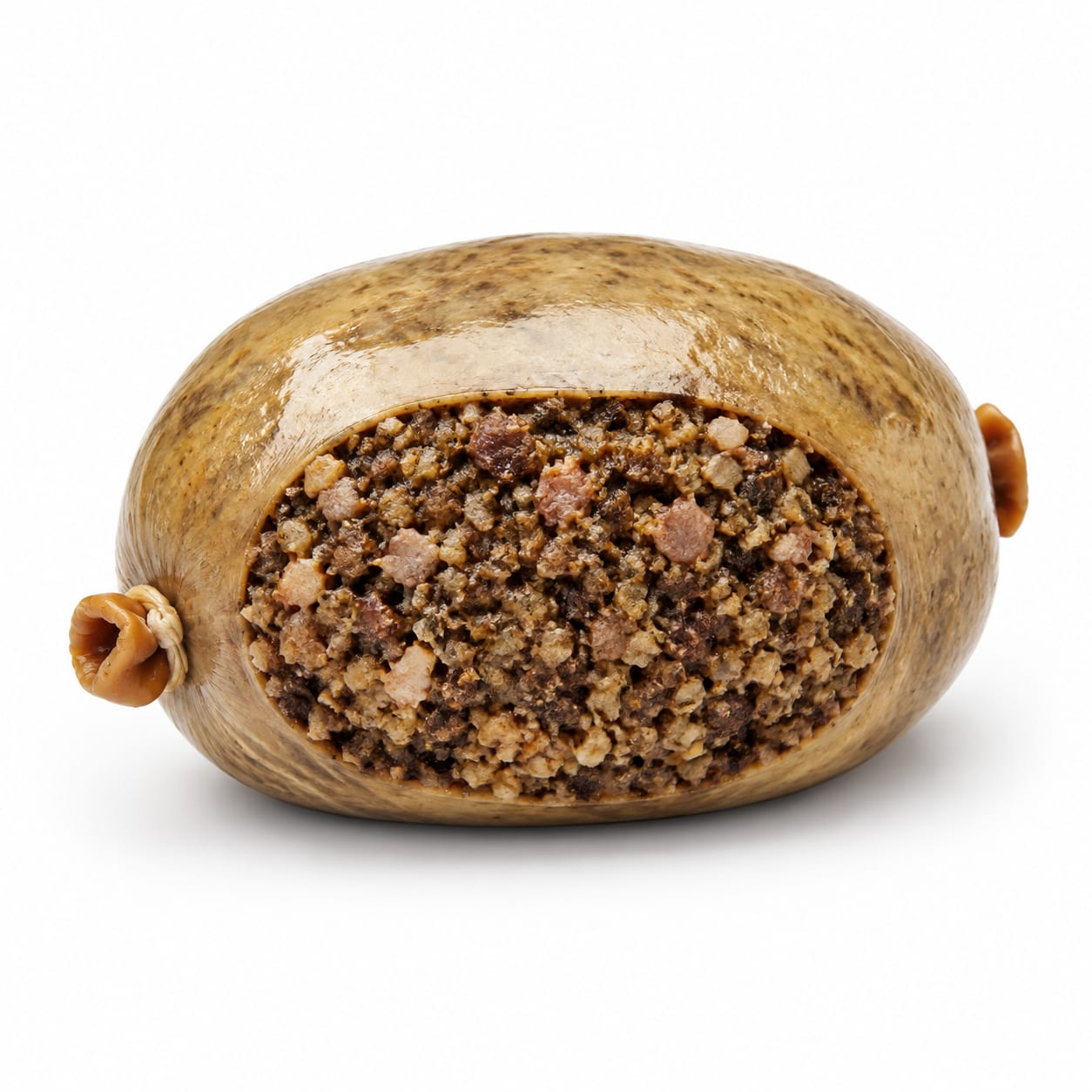
Haggis
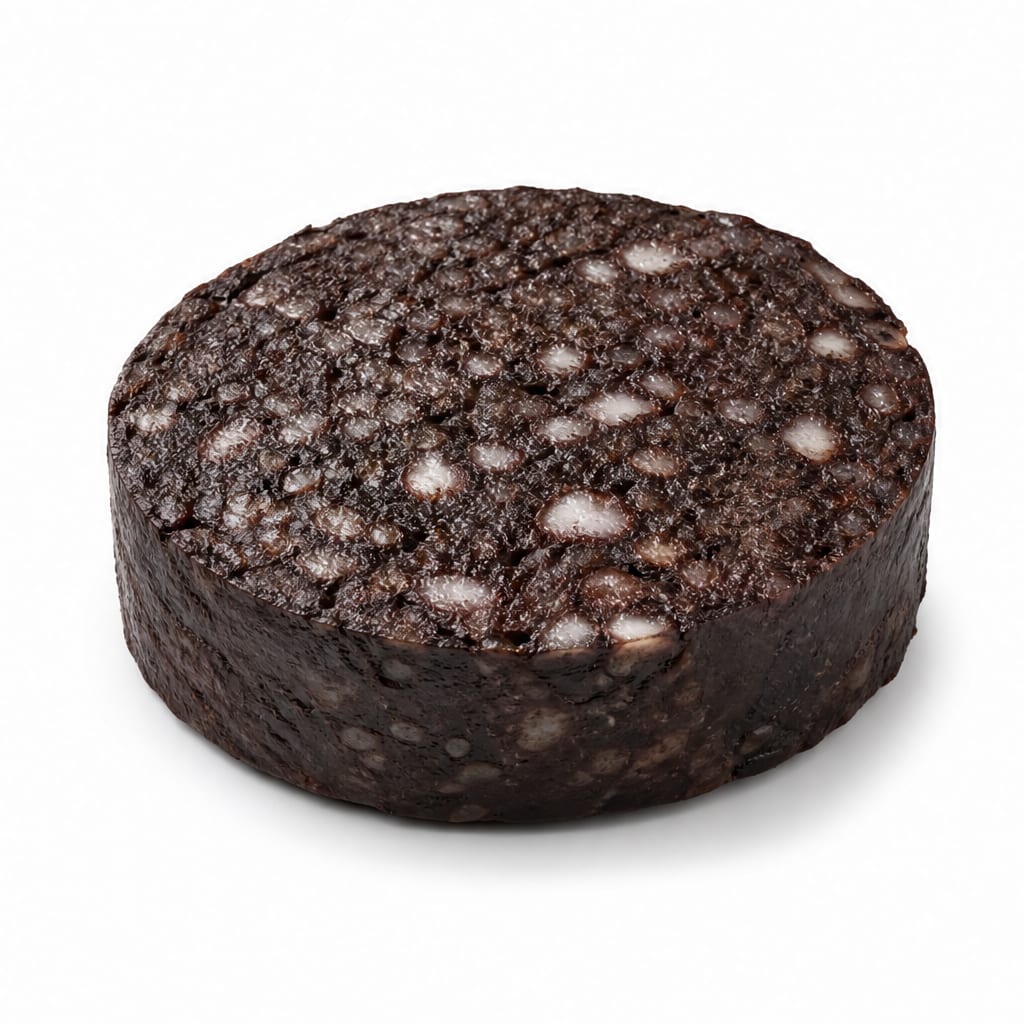
Black Pudding
Haggis offers broader micronutrient diversity from mixed organ meats, while Black Pudding delivers unmatched iron density from blood — but both are high-salt, high-sat-fat foods best enjoyed occasionally.
Haggis scores slightly higher due to more diverse micronutrients and fiber from oatmeal, but both lose significant points for high saturated fat and sodium. The gap is small because Black Pudding's iron advantage is genuinely valuable for the right person.
Nutrient variety versus iron potency: Haggis feeds you more vitamins overall, Black Pudding is the superior choice if iron deficiency is your specific concern.
At a glance
Executive summary
Overall
It depends
Healthier
Haggis
More practical
Black Pudding
Daily use
It depends
Key comparison lenses
comparing two traditional British offal-based foods for nutritional value and health impact
Both foods are organ-meat based with similar cultural roles but different nutritional profiles
iron and micronutrient density comparison
Blood-based Black Pudding is exceptionally iron-rich while Haggis offers broader organ-meat nutrients
saturated fat and sodium load assessment
Both are high-fat, high-salt traditional foods with cardiovascular implications
suitability for occasional vs regular consumption
Neither food is typically eaten daily but users want to know which is safer more often
processing level and naturalness evaluation
Consumers increasingly question whether traditional foods like these count as processed
Best choice for
Haggis
- Broader B-vitamin intake from liver and heart
- People wanting more fiber from oatmeal content
- Those seeking diverse trace minerals from mixed organ meats
- Anyone wanting a more complete single-dish meal
Black Pudding
- Iron-deficient individuals needing heme iron
- Those wanting a smaller portion with concentrated nutrients
- People who prefer a quick fry-up component
- Anyone tracking iron specifically during pregnancy or after donation
Least suitable for
Haggis
- Sodium-sensitive individuals — Haggis is very salty
- People watching saturated fat closely
- Anyone uncomfortable with mixed offal textures
- Gout sufferers due to purine content from organs
Black Pudding
- People avoiding blood-based foods for religious or personal reasons
- Those at risk of iron overload
- Sodium-sensitive individuals — Black Pudding is equally salty
- Anyone managing cholesterol aggressively
Deep comparison
Dimension by dimension
Each lens scores both foods and breaks down who each option suits.
- Dimension 1 · Priority 95Black Pudding
iron density
Haggis · 65Black Pudding · 92Black Pudding is one of the most iron-dense foods available due to its blood content, delivering heme iron that the body absorbs efficiently.
Tradeoff
That iron potency becomes a liability if you have hemochromatosis or already high iron stores — excess heme iron is pro-oxidative.
Why it matters
Iron deficiency is common, especially in women of reproductive age. A single serving of Black Pudding can cover a substantial portion of daily iron needs.
Real-world impact
If you feel tired and pale, Black Pudding once a week does more for your iron than most supplements — but if your iron is fine, it is not a bonus.
Haggis
- People with adequate iron who want broader nutrition
Better for
- Anyone specifically targeting iron deficiency
Worse for
Black Pudding
- Menstruating women with low ferritin
- Post-blood-donation recovery
- Vegetarians transitioning back to meat who need iron quickly
Better for
- People with hemochromatosis
- Men who already have high iron stores
- Anyone taking iron supplements — risk of excess
Worse for
- Dimension 2 · Priority 88Haggis
micronutrient diversity
Haggis · 82Black Pudding · 58Haggis combines liver, heart, and lungs, giving it a wider spread of B-vitamins, copper, selenium, and vitamin A compared to Black Pudding's narrower blood-and-fat profile.
Tradeoff
Liver in Haggis means very high vitamin A — problematic if eaten frequently, especially for pregnant women.
Why it matters
Broad micronutrient intake supports energy, immunity, and recovery in ways single-nutrient focus cannot.
Real-world impact
A Burns Night portion of Haggis covers more of your B-vitamin needs than most multivitamins — but you cannot eat it like one.
Haggis
- People wanting a nutrient-dense occasional meal
- Those not taking a multivitamin who eat whole foods
- Anyone recovering from illness needing broad support
Better for
- Pregnant women — vitamin A from liver is a concern
- Anyone eating liver regularly elsewhere in their diet
Worse for
Black Pudding
- Pregnant women who must limit vitamin A from liver
Better for
- People needing B12 and folate from organ meats
- Anyone wanting more than just iron from their offal
Worse for
- Dimension 3 · Priority 90It depends
saturated fat and cardiovascular load
Haggis · 32Black Pudding · 30Both foods are high in saturated fat from animal suet or pork fat. Neither is heart-friendly, and the difference between them is marginal.
Tradeoff
The fat carries flavor and fat-soluble vitamins, so it is not purely negative — but it limits how often either food should appear on your plate.
Why it matters
Regular saturated fat intake above guidelines raises LDL cholesterol and cardiovascular risk over time.
Real-world impact
Eating either food weekly is unlikely to harm a healthy person. Eating either daily would be a problem.
Haggis
- Slightly more fat comes with micronutrients attached
Better for
- Large portions mean high absolute saturated fat per serving
Worse for
Black Pudding
- Portions tend to be smaller, so absolute fat intake may be less
Better for
- Fat content is dense with fewer compensating micronutrients
Worse for
- Dimension 4 · Priority 85It depends
sodium burden
Haggis · 28Black Pudding · 30Both are heavily salted during preparation. A single serving of either can deliver 40-60% of your daily sodium limit.
Tradeoff
Salt is essential for preservation and flavor in both foods — you cannot realistically find low-sodium versions.
Why it matters
High sodium intake raises blood pressure and stroke risk, and most people already exceed guidelines.
Real-world impact
If you had Haggis or Black Pudding at breakfast, your other meals that day should be low-salt to compensate.
Haggis
- Slightly less salt per calorie in some preparations
Better for
- Restaurant portions can be enormous, delivering a sodium bomb
Worse for
Black Pudding
- Smaller typical portion sizes mean less sodium per eating occasion
Better for
- Often eaten alongside bacon and other salty breakfast items
Worse for
- Dimension 5 · Priority 72Haggis
fiber and satiety
Haggis · 55Black Pudding · 38Haggis contains a meaningful amount of oatmeal, giving it several grams of fiber per serving. Black Pudding has some grain filler but far less.
Tradeoff
The fiber in Haggis slows digestion slightly, making it more filling — but it is still a high-fat food, so satiety comes with a caloric cost.
Why it matters
Fiber improves digestion, steadies blood sugar, and helps you feel full longer.
Real-world impact
Haggis as a main dish keeps you fuller for longer than a couple of Black Pudding slices on the side.
Haggis
- People wanting a more filling single-dish meal
- Those who benefit from steady digestion
Better for
- The fullness comes with high calorie density
Worse for
Black Pudding
- Anyone wanting a lighter accompaniment rather than a heavy main
Better for
- Less fiber means less digestive benefit
Worse for
- Dimension 6 · Priority 70Black Pudding
purine and gout risk
Haggis · 25Black Pudding · 45Organ meats are among the highest-purine foods. Haggis contains multiple organs, making it a significant gout trigger. Black Pudding, while not purine-free, is lower.
Tradeoff
If you have gout, neither is wise — but Haggis is the bigger threat.
Why it matters
Gout attacks are extremely painful and organ meats are a well-established trigger.
Real-world impact
A gout sufferer eating Haggis on Burns Night may regret it by morning.
Haggis
- No realistic advantage here for gout patients
Better for
- Multiple organ meats mean concentrated purines
- Anyone with gout history should treat Haggis as high-risk
Worse for
Black Pudding
- Slightly lower purine load than mixed organ meats
- Smaller portions mean less purine exposure per meal
Better for
- Still a moderate purine source — not safe for gout in quantity
Worse for
Timeline
Health impact over time
Short-term
Hours to days
Haggis
- Heavy, filling meal that can cause sluggishness due to fat density
- High sodium may cause bloating and thirst
- Rich flavor can trigger overeating if not portioned deliberately
Black Pudding
- Concentrated iron hit may cause constipation in sensitive individuals if eaten in quantity
- High salt content contributes to immediate thirst and water retention
- Greasy texture can cause mild digestive discomfort if fried heavily
Long-term
Months to years
Haggis
- Occasional consumption provides meaningful B-vitamin and mineral support
- Frequent intake raises cardiovascular risk through saturated fat and sodium
- Vitamin A from liver can accumulate to harmful levels if eaten too often
Black Pudding
- Regular consumption effectively maintains iron stores in deficient individuals
- Frequent intake contributes to elevated LDL cholesterol and blood pressure
- Iron overload risk increases with habitual consumption, especially in men
Risk profile
Safety & processing
Both are traditional foods with centuries of history, so neither is ultra-processed in the modern industrial sense. Haggis uses minimal additives beyond salt and spices. Black Pudding may contain nitrates or preservatives depending on the producer — check labels if this concerns you.
Haggis
Vitamin A toxicity from liver content
mediumLiver concentrates retinol, which is toxic in excess. Pregnant women should limit intake. Occasional consumption is safe for most adults.
Foodborne illness from undercooked offal
mediumOrgan meats must be thoroughly cooked. Improper preparation carries higher risk than muscle meat.
Allergenicity from lung protein
lowRare but documented allergic reactions to lung tissue exist. Most consumers never encounter this issue.
Black Pudding
Nitrate and nitrite exposure
mediumSome Black Pudding producers use nitrates for color and preservation. These can form nitrosamines, which are carcinogenic. Artisan producers often skip them.
Iron overload with regular consumption
mediumHeme iron is well absorbed and the body cannot easily regulate its uptake. Men and postmenopausal women are at higher risk of accumulation.
Religious and dietary restriction conflict
lowBlood-based foods are prohibited in some faiths. This is a personal rather than safety concern but worth noting.
Who wins for whom
Audience fit
Same foods, different winners depending on your goal.
children
neitherNeither food is ideal for children due to high sodium and saturated fat. If trying offal, a small taste of either is fine occasionally, but neither should be a regular part of a child's diet.
daily consumption
It dependsNeither should be eaten daily. If forced to choose, small amounts of Black Pudding a few times a week may be less risky than Haggis due to lower vitamin A accumulation risk, but both exceed healthy sodium and saturated fat limits for daily use.
diabetes
It dependsBoth are low-carb, which helps blood sugar, but both are high in saturated fat and sodium, which worsen cardiovascular risk that diabetics already face. Neither is recommended regularly.
elderly
Black PuddingIron deficiency is common in older adults, and Black Pudding's heme iron is well-absorbed. Smaller portions are easier to manage, but sodium content still warrants caution.
muscle gain
HaggisHaggis provides more protein per serving along with B-vitamins that support energy metabolism during training.
weight loss
Black PuddingBlack Pudding is typically eaten in smaller portions with fewer calories per serving, making it easier to fit into a calorie deficit — though neither is a weight loss food.
Your move
Decision guide
Choose Haggis
- You want the most nutrient-diverse offal experience in one dish
- You are cooking a traditional Scottish meal and want authenticity plus nutrition
- You struggle to get enough B-vitamins from your regular diet
- You enjoy hearty, filling main dishes rather than side items
Choose Black Pudding
- You need to boost iron levels quickly and effectively
- You want a smaller portion of something rich and flavorful
- You prefer a breakfast or fry-up component rather than a heavy main
- You are avoiding excessive vitamin A from liver
Either works if
- You are eating offal occasionally for enjoyment, not daily nutrition
- You tolerate saturated fat and sodium well and have no specific health concerns
- You want a traditional food experience and will balance the rest of your day accordingly
Avoid both if
- You have gout or high uric acid levels
- You are on a strict low-sodium diet for blood pressure management
- You have hemochromatosis or elevated ferritin
- You are pregnant and cautious about vitamin A and foodborne risks
- Your doctor has advised limiting saturated fat aggressively
Final recommendation
Let the occasion decide. Choose Haggis when you want a complete, nutrient-packed meal and do not mind the heaviness. Choose Black Pudding when iron is your priority or you want something rich in smaller quantities. Both are celebration foods best enjoyed occasionally — not staples. If you eat either, make the rest of your day lighter on salt and saturated fat to compensate.
Practical
Consumer tips
- 1
For Black Pudding, check the ingredient list for nitrates — artisan brands often skip them, which is preferable.
- 2
If you have high blood pressure, rinse canned Haggis or make homemade versions with less salt — commercial versions are very sodium-heavy.
- 3
Pair either food with vitamin C-rich vegetables like roasted peppers or tomatoes to boost iron absorption further.
- 4
Keep portions of Black Pudding to 2-3 slices and Haggis to a modest plate — both are calorie-dense and easy to overeat.
- 5
If you are new to offal, Black Pudding is an easier entry point — the flavor is rich but the texture is more approachable than Haggis for many people.
- 6
Freeze leftover Haggis in portions rather than refrigerating for days — the fat content means it spoils faster than you might expect.