
Nutrition comparison
Haddock vs Tuna: Nutrition, Mercury, and Health Comparison
Comparing Haddock and Tuna? Discover the key differences in protein, omega-3s, and mercury levels to choose the best fish for your diet.
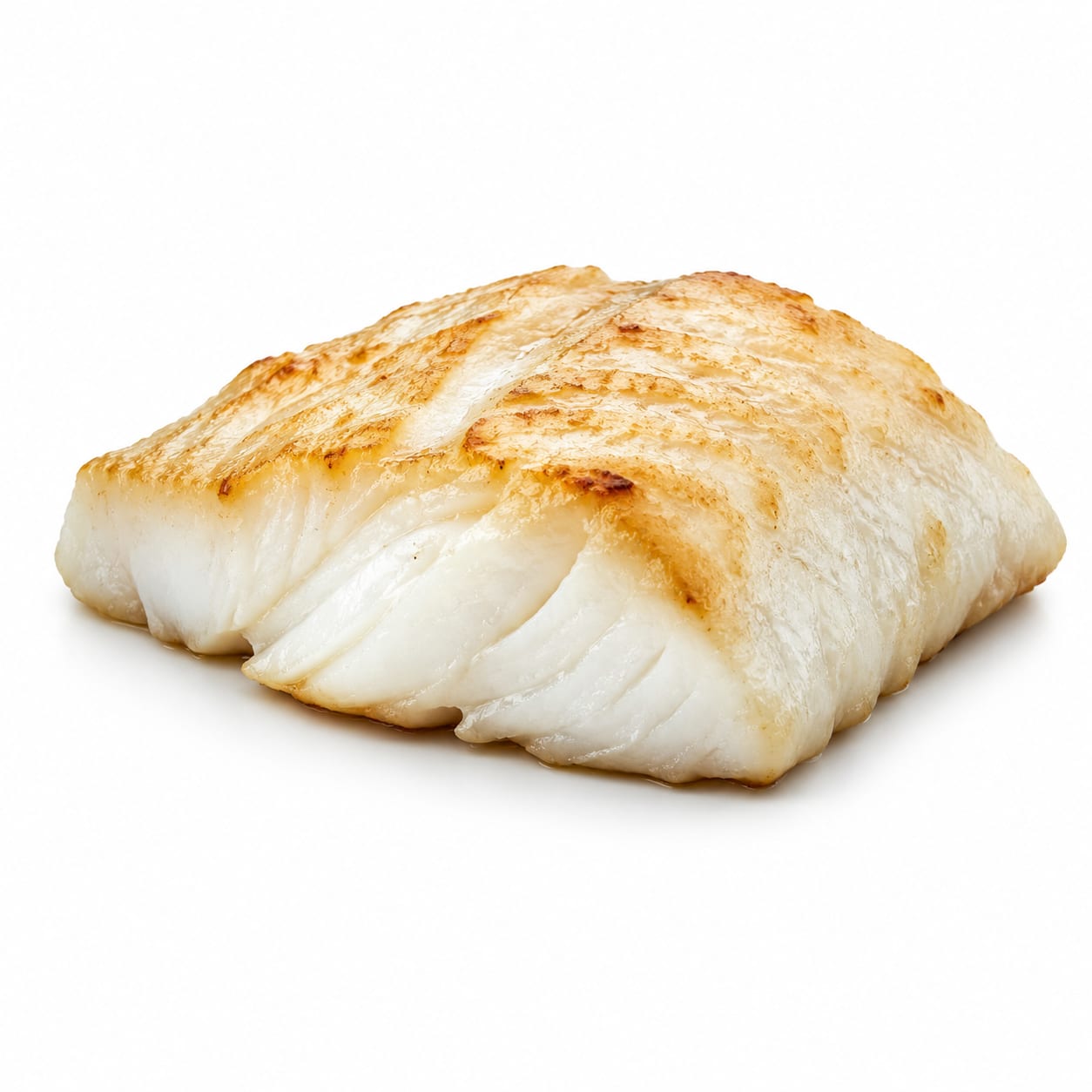
Haddock
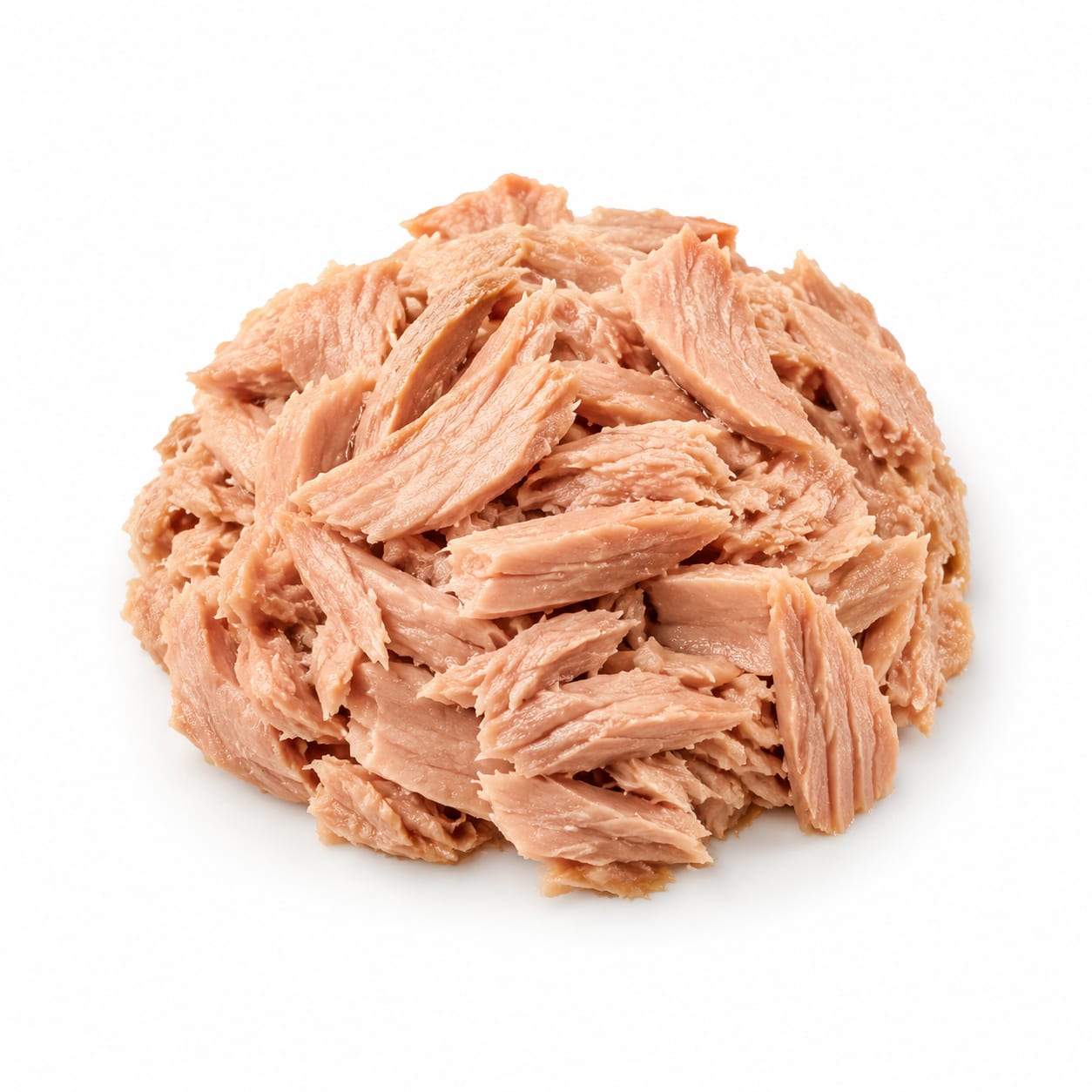
Tuna
Tuna wins on protein and omega-3s, but Haddock is the safer choice for frequent eating due to its low mercury levels.
Tuna scores slightly higher overall due to superior protein and omega-3 content, but Haddock remains highly competitive because of its excellent safety profile for regular consumption.
Nutritional density versus heavy metal safety.
At a glance
Executive summary
Overall
It depends
Healthier
It depends
More practical
Haddock
Daily use
Haddock
Key comparison lenses
Mercury exposure and safety for frequent consumption
Tuna is known for higher mercury levels, making safety a primary concern when comparing it to Haddock.
Protein density and muscle-building potential
Tuna is a protein powerhouse, while Haddock offers a lighter protein profile.
Omega-3 intake for heart and brain health
Tuna provides significantly more omega-3s, which is a major reason people eat fish.
Best choice for
Haddock
- Pregnant women and children
- People who eat fish multiple times a week
- Those concerned about mercury exposure
Tuna
- Athletes and bodybuilders
- People needing an omega-3 boost
- Those eating fish only occasionally
Least suitable for
Haddock
- Those needing high protein from a single serving
- People relying on fish for omega-3s
Tuna
- Pregnant women
- Daily meal preppers
- Children
Deep comparison
Dimension by dimension
Each lens scores both foods and breaks down who each option suits.
- Dimension 1 · Priority 95Haddock
Mercury & Heavy Metal Safety
Haddock · 92Tuna · 45Haddock is one of the lowest-mercury fish available, while Tuna (especially albacore) accumulates significantly more mercury.
Tradeoff
You give up the high omega-3s of Tuna to avoid mercury buildup in your system.
Why it matters
High mercury consumption can impair neurological function and is especially risky for developing brains.
Real-world impact
Eating Haddock weekly is worry-free; eating Tuna weekly requires monitoring your intake to avoid heavy metal accumulation.
Haddock
- Pregnant women
- Frequent seafood eaters
- Parents feeding young kids
Better for
Tuna
- Daily lunch preppers
- Pregnant women
- Toddlers
Worse for
- Dimension 2 · Priority 88Tuna
Protein Density & Satiety
Haddock · 68Tuna · 94Tuna packs nearly twice the protein per calorie compared to Haddock, making it far more filling.
Tradeoff
Tuna keeps you full longer and supports muscle better, but comes with the mercury tradeoff.
Why it matters
Higher protein means better blood sugar stability and less snacking between meals.
Real-world impact
A Tuna steak or can of Tuna will keep you satisfied for hours, whereas Haddock might leave you looking for a snack sooner.
Haddock
- Bodybuilders
- People needing high satiety
Worse for
Tuna
- Athletes
- Weight loss diets
- High-protein meal preppers
Better for
- Dimension 3 · Priority 82Tuna
Omega-3 Fatty Acids
Haddock · 40Tuna · 88Tuna is a rich source of anti-inflammatory omega-3s, while Haddock is quite low in these essential fats.
Tradeoff
Choosing Haddock means you will need to get your omega-3s from other sources like salmon or supplements.
Why it matters
Omega-3s are crucial for heart health, brain function, and reducing inflammation.
Real-world impact
Eating Tuna gives you noticeable heart health benefits; Haddock functions more as a lean protein than a brain-boosting fat source.
Haddock
- People relying solely on fish for omega-3s
Worse for
Tuna
- Heart health conscious eaters
- Those lacking dietary fats
- Anti-inflammatory diets
Better for
- Dimension 4 · Priority 70It depends
Flavor & Culinary Versatility
Haddock · 82Tuna · 78Haddock offers a mild, sweet, and flaky texture, while Tuna is meaty, rich, and stands up to bold flavors.
Tradeoff
Haddock is easier for picky eaters and delicate dishes; Tuna is better for grilling and hearty meals.
Why it matters
Enjoying your food is key to a sustainable diet, and these two fish serve completely different culinary roles.
Real-world impact
Haddock is perfect for fish and chips or a light baked dinner; Tuna is ideal for seared steaks or a robust sandwich.
Haddock
- Picky eaters
- Light and flaky texture lovers
- Baked fish recipes
Better for
- Those wanting a steak-like fish
Worse for
Tuna
- Grilling enthusiasts
- Fans of meaty fish
- Hearty salad toppers
Better for
- Those who dislike fishy flavors
Worse for
Timeline
Health impact over time
Short-term
Hours to days
Haddock
- Provides a light, easily digestible meal
- Keeps you satisfied without feeling heavy
Tuna
- Delivers strong satiety and steady energy
- Very filling, which helps prevent afternoon cravings
Long-term
Months to years
Haddock
- Safe for the nervous system with minimal mercury risk
- Supports lean muscle maintenance with regular consumption
Tuna
- Significantly boosts heart and brain health via omega-3s
- Potential mercury accumulation if consumed too frequently
Risk profile
Safety & processing
Both Haddock and Tuna are naturally whole foods when bought fresh or frozen. Canned Tuna may contain added salt, so check the label for sodium content.
Haddock
Mercury exposure
lowHaddock is a low-mercury fish, making it safe for frequent consumption and vulnerable populations.
Tuna
Mercury exposure
highTuna, especially albacore, accumulates significant mercury. Consumption should be limited to a few times a month.
Sodium in canned versions
mediumCanned Tuna often contains high sodium, which can impact blood pressure if consumed regularly.
Who wins for whom
Audience fit
Same foods, different winners depending on your goal.
children
HaddockHaddock's low mercury levels and mild flavor make it much safer and more appealing for kids.
daily consumption
HaddockHaddock can be eaten daily without mercury concerns, whereas Tuna should be strictly limited.
diabetes
TunaThe higher protein content in Tuna stabilizes blood sugar more effectively after meals.
elderly
HaddockHaddock is easier to chew and digests lightly, plus the low mercury content is safer for long-term neurological health.
muscle gain
TunaTuna has nearly double the protein content of Haddock, making it far more effective for muscle repair and growth.
weight loss
TunaTuna provides more protein and fewer calories per serving, making it superior for keeping you full while cutting calories.
Your move
Decision guide
Choose Haddock
- You eat fish more than twice a week
- You are pregnant, nursing, or feeding young children
- You prefer a mild, flaky fish that takes on other flavors easily
Choose Tuna
- You want maximum protein and omega-3s from your meal
- You only eat fish occasionally and want the biggest nutritional bang
- You are meal-prepping for muscle gain or weight loss
Either works if
- You are looking for a low-carb, keto-friendly protein source
- You want a break from chicken or beef
Avoid both if
- You have a severe fish or seafood allergy
Final recommendation
Let your eating habits decide: choose Haddock for safe, frequent meals, and Tuna for an occasional protein and omega-3 punch. If you love both, stick to Haddock for your weekly staples and enjoy Tuna as a once-a-week treat.
Practical
Consumer tips
- 1
Opt for skipjack tuna (often labeled 'light tuna') over albacore to cut mercury exposure by about a third.
- 2
Buy Haddock from sustainable Atlantic fisheries to avoid overfished stocks.
- 3
If buying canned Tuna, choose water-packed and low-sodium versions to avoid unnecessary calories and salt.
- 4
Try poaching or baking Haddock to keep it moist, as it dries out faster than Tuna.