
Nutrition comparison
Haddock vs Tilapia: Which White Fish Is Healthier?
Compare haddock and tilapia on omega-3 content, safety, mercury, farming concerns, and price. Find out which white fish is better for your health and budget.
Overall winner · Haddock
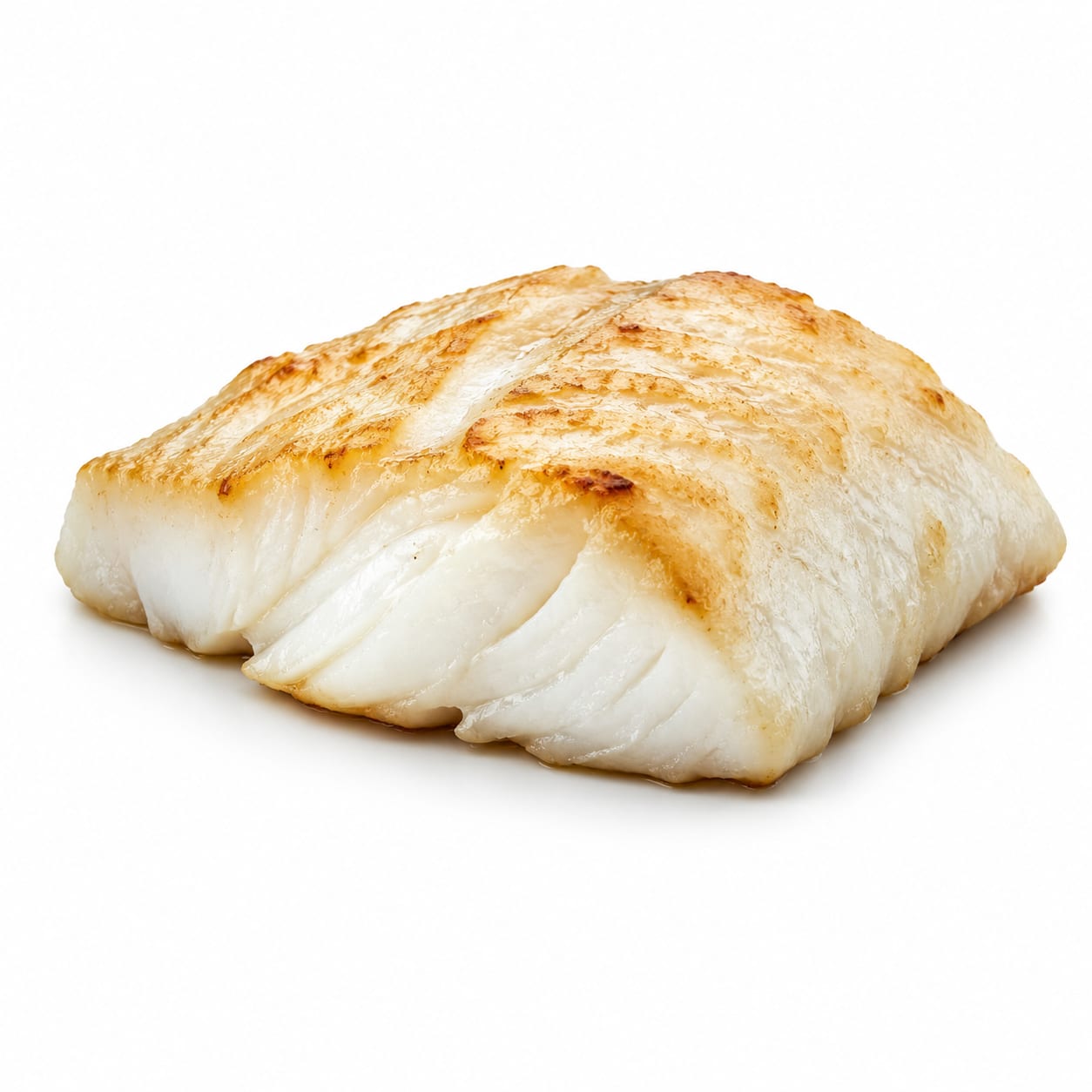
Haddock
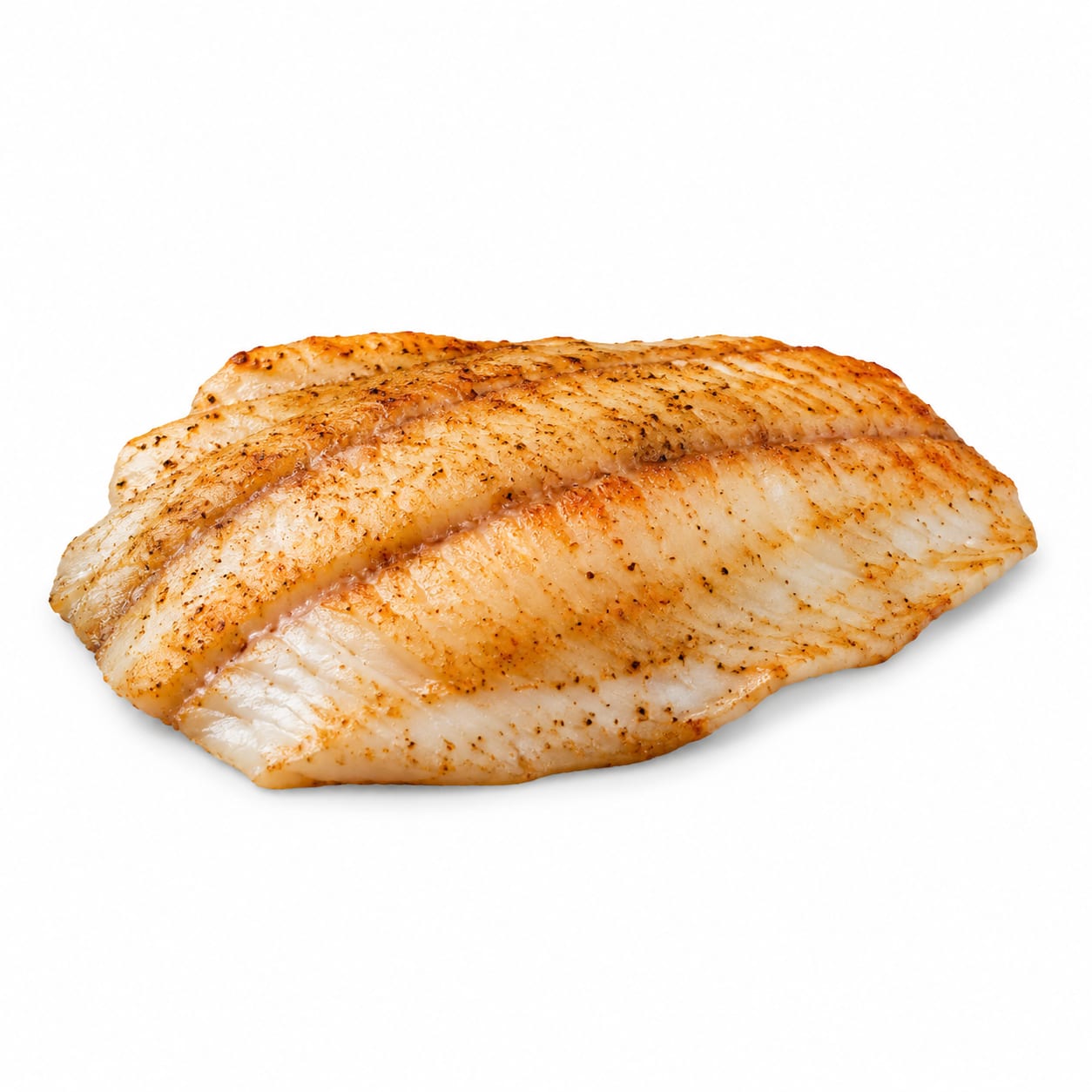
Tilapia
Haddock wins on nutrition and safety, but tilapia wins on price and availability — the gap in omega-3 quality is the deciding factor.
Haddock scores notably higher due to superior omega-3 content, better micronutrient density, and wild-caught sourcing. Tilapia remains competitive on price and accessibility but loses ground on inflammatory fat balance and farming concerns.
You trade better omega-3 balance and cleaner sourcing with haddock for tilapia's unbeatable affordability and convenience.
At a glance
Executive summary
Overall
Haddock
Healthier
Haddock
More practical
Tilapia
Daily use
Haddock
Key comparison lenses
omega-3 to omega-6 balance and inflammatory impact
Tilapia's unfavorable omega-6 to omega-3 ratio is the single most debated nutritional concern between these two fish
farming vs wild-caught safety and contamination
Tilapia is overwhelmingly farmed with associated antibiotic and water quality concerns, while haddock is primarily wild-caught
affordability and everyday accessibility
Tilapia is one of the cheapest protein sources available, making it a staple for budget-conscious households
micronutrient density comparison
Haddock delivers notably more B12, selenium, and iodine per calorie, which matters for long-term nutrient adequacy
environmental sustainability
Both fish carry sustainability questions but from different directions — overfishing concerns for haddock, aquaculture impact for tilapia
Best choice for
Haddock
- People prioritizing anti-inflammatory eating patterns
- Those concerned about farmed fish antibiotics and water quality
- Anyone needing more B12, selenium, or iodine in their diet
- Pregnant women seeking a low-mercury but nutrient-rich fish
Tilapia
- Budget-conscious families needing affordable lean protein
- People in areas with limited fresh fish access
- Those who want a very mild-flavored fish for picky eaters
- Meal preppers wanting cheap, easy-to-cook protein
Least suitable for
Haddock
- Very tight grocery budgets
- People in landlocked areas with limited fresh seafood access
Tilapia
- Those strictly managing omega-6 intake for inflammatory conditions
- Consumers who prioritize wild-caught over farmed fish
- People seeking significant omega-3 intake from fish
Deep comparison
Dimension by dimension
Each lens scores both foods and breaks down who each option suits.
- Dimension 1 · Priority 95Haddock
omega-3 to omega-6 balance
Haddock · 72Tilapia · 28Haddock has a much more favorable omega-3 to omega-6 ratio, while tilapia's ratio is among the worst of all commonly eaten fish.
Tradeoff
Tilapia provides lean protein but with an inflammatory fat profile that partially undermines its health benefits.
Why it matters
A poor omega-6 to omega-3 ratio can promote low-grade inflammation, which is linked to heart disease, joint issues, and metabolic problems over time.
Real-world impact
If you are eating fish specifically to get anti-inflammatory omega-3s, tilapia barely delivers — you would need to eat large portions to get meaningful amounts.
Haddock
- Reducing systemic inflammation
- Supporting heart and brain health
- Complementing a Mediterranean-style diet
Better for
- Still not a high-omega-3 fish compared to salmon or sardines
Worse for
Tilapia
- Getting inexpensive lean protein regardless of fat quality
Better for
- May contribute to inflammatory load if eaten frequently
- Provides minimal omega-3 benefit despite being fish
Worse for
- Dimension 2 · Priority 90Haddock
contaminant and sourcing safety
Haddock · 78Tilapia · 52Haddock is primarily wild-caught from cold Atlantic waters, while tilapia is almost entirely farmed, often in conditions that raise antibiotic and water quality concerns.
Tradeoff
Wild-caught haddock has cleaner sourcing but carries slight mercury exposure, whereas farmed tilapia avoids mercury but introduces antibiotic and contamination risks from aquaculture.
Why it matters
Farmed fish from poorly regulated operations can contain antibiotic residues and higher levels of industrial contaminants, which accumulate with regular consumption.
Real-world impact
If you eat fish multiple times per week, the cumulative exposure to farmed-fish contaminants becomes a real consideration — occasional tilapia is fine, but daily is riskier.
Haddock
- Avoiding antibiotic residues
- Cleaner water source and natural diet
- More transparent supply chain
Better for
- Slightly higher mercury than tilapia, though still well within safe limits
Worse for
Tilapia
- Very low mercury levels due to short farming cycle
Better for
- Antibiotic exposure risk from intensive farming
- Potential water quality issues in some sourcing regions
- Less transparency about farming conditions
Worse for
- Dimension 3 · Priority 75Haddock
micronutrient density
Haddock · 80Tilapia · 55Haddock delivers significantly more vitamin B12, selenium, and iodine per serving — nutrients many people are borderline deficient in.
Tradeoff
Tilapia provides decent protein and some B vitamins but falls short on the minerals that make fish uniquely valuable in a diet.
Why it matters
B12 supports nerve function and energy, selenium is critical for thyroid and immune health, and iodine is essential for metabolism — haddock covers all three better.
Real-world impact
If fish is your main source of these micronutrients, choosing haddock means you actually get the nutritional payoff you are eating fish for.
Haddock
- Meeting B12 needs more efficiently
- Supporting thyroid function with more iodine and selenium
- Better overall nutrient-to-calorie ratio
Better for
- Not as rich in omega-3 as fattier fish like salmon
Worse for
Tilapia
- Still provides solid protein and some B vitamins
Better for
- Lower in nearly every micronutrient compared to haddock
- Less iodine, which matters if you eat little iodized salt or dairy
Worse for
- Dimension 4 · Priority 85Tilapia
affordability and accessibility
Haddock · 45Tilapia · 88Tilapia is one of the most affordable fish proteins available worldwide, while haddock commands a premium price and can be harder to find fresh.
Tradeoff
You pay more for haddock's nutritional advantages, and in many regions it is only available frozen rather than fresh.
Why it matters
If cost prevents you from eating fish at all, tilapia is far better than no fish — budget constraints are a legitimate health factor.
Real-world impact
A family of four can eat tilapia twice a week for a fraction of what haddock would cost, making it a practical staple where fresh seafood is expensive.
Haddock
- Worth the premium if budget allows for the nutrient upgrade
Better for
- Can cost two to three times more per pound
- Not always available fresh outside coastal regions
Worse for
Tilapia
- Feeding a family on a budget
- Finding fish in areas with limited seafood selection
- Buying fresh rather than frozen more easily
- Meal prepping large quantities affordably
Better for
- Cheaper price reflects lower nutritional and sourcing quality
Worse for
- Dimension 5 · Priority 60It depends
versatility and taste preference
Haddock · 68Tilapia · 65Both are mild white fish, but haddock has a slightly sweeter, cleaner flavor and firmer texture, while tilapia is extremely neutral — which can be a pro or con depending on the cook.
Tradeoff
Tilapia's blandness makes it versatile for absorbing flavors but unexciting on its own; haddock holds up better in chowders and baked dishes.
Why it matters
If you are cooking for picky eaters or using strong sauces, tilapia's neutrality helps. If you want the fish to taste like something, haddock is more rewarding.
Real-world impact
For fish tacos or heavily seasoned dishes, either works. For a simple baked fish dinner where the fish is the star, haddock delivers more satisfaction.
Haddock
- Classic fish and chips or chowder recipes
- Dishes where fish flavor should come through
- Baking and broiling preparations
Better for
- Can dry out if overcooked due to lean profile
Worse for
Tilapia
- Strongly seasoned or sauced dishes
- Introducing fish to people who dislike fishy flavors
- Quick pan-frying and stir-fry applications
Better for
- Can taste watery or bland without aggressive seasoning
- Softer texture breaks apart in soups and stews
Worse for
- Dimension 6 · Priority 70It depends
environmental sustainability
Haddock · 60Tilapia · 58Both fish have sustainability challenges — haddock from overfishing pressure and tilapia from aquaculture environmental impact — but responsible options exist for both.
Tradeoff
Wild haddock populations vary by region and fishing method, while tilapia farming efficiency is offset by habitat and water pollution concerns in some operations.
Why it matters
Choosing sustainably sourced fish matters for long-term ocean and freshwater health, regardless of which species you pick.
Real-world impact
Look for MSC-certified haddock or ASC-certified tilapia — the certification matters more than the species choice for environmental impact.
Haddock
- Well-managed Atlantic fisheries with MSC certification exist
Better for
- Some haddock stocks are overfished depending on source region
- Bottom trawling methods can damage seafloor habitats
Worse for
Tilapia
- Farmed tilapia has a lower carbon footprint than many animal proteins
- Efficient feed-to-protein conversion ratio
Better for
- Poorly managed farms can pollute local waterways
- Escaped farmed tilapia threaten native species in some regions
Worse for
Timeline
Health impact over time
Short-term
Hours to days
Haddock
- High-quality lean protein that keeps you full without feeling heavy
- B12 supports steady energy levels throughout the day
- Easy to digest and gentle on the stomach
Tilapia
- Affordable protein that satisfies hunger cheaply
- Very mild flavor makes it easy to eat regularly without palate fatigue
- Low fat content means light meals that will not weigh you down
Long-term
Months to years
Haddock
- Better omega-3 intake supports cardiovascular and cognitive health over decades
- Consistent selenium and iodine intake protects thyroid function long-term
- Wild-caught sourcing reduces cumulative exposure to farming contaminants
Tilapia
- Frequent consumption may contribute to inflammatory load due to omega-6 dominance
- Cumulative antibiotic exposure from farming is a concern with heavy regular intake
- Adequate protein intake supports muscle maintenance, but micronutrient gaps may develop if tilapia is your only fish
Risk profile
Safety & processing
Both haddock and tilapia are typically sold as minimally processed fresh or frozen fillets. The bigger distinction is sourcing — haddock is wild-caught with a natural diet, while tilapia is farmed with controlled feed that may include soy and grain. Neither typically contains added preservatives when sold fresh or frozen, though breaded or pre-seasoned versions of both should be checked for additives.
Haddock
Mercury exposure
lowHaddock is a low-mercury fish well within safe consumption limits for all populations, including pregnant women, though slightly higher than tilapia.
Parasite risk from wild sourcing
lowWild-caught fish can carry parasites, but commercial freezing protocols effectively eliminate this risk in sold fillets.
Tilapia
Antibiotic residues from farming
mediumIntensively farmed tilapia, especially from regions with lax regulations, may contain antibiotic residues. Sourcing from the US, Canada, or Ecuador reduces this concern significantly.
Water contamination in aquaculture
mediumCrowded farming conditions can lead to higher bacterial counts and pollutant exposure. ASC-certified or US-farmed tilapia mitigates this risk.
Microplastic exposure
lowFarmed freshwater fish may have microplastic exposure from water sources, though evidence is still emerging and levels appear low.
Who wins for whom
Audience fit
Same foods, different winners depending on your goal.
children
HaddockHaddock's superior micronutrient profile — especially B12, iodine, and selenium — supports growing brains and bodies better. Both are low-mercury, but haddock's nutrient density gives it the edge for development.
daily consumption
HaddockHaddock's cleaner sourcing and better fat profile make it more suitable for daily eating. Tilapia is fine a few times per week, but daily consumption raises cumulative concerns about omega-6 load and farming contaminants.
diabetes
HaddockHaddock's better omega-3 profile supports insulin sensitivity and reduces inflammation, both relevant for diabetes management. Tilapia's omega-6 dominance works against these goals.
elderly
HaddockOlder adults benefit more from haddock's B12 for nerve health, selenium for immune support, and omega-3s for cardiovascular and cognitive protection — all priorities in aging.
muscle gain
HaddockHaddock provides slightly more protein per calorie along with B12 and selenium, which support energy production and recovery. The difference is modest but consistent.
weight loss
It dependsBoth are very low in calories and fat with high protein. Haddock has slightly fewer calories per serving, but the difference is minimal. Either works well — the choice should depend on what you can sustain eating regularly.
Your move
Decision guide
Choose Haddock
- You want the most anti-inflammatory fish option between the two
- Nutrient density matters more to you than cost
- You are concerned about farmed fish antibiotics and water quality
- You eat fish regularly and want the best long-term health payoff
- You are pregnant or feeding children and want cleaner sourcing
Choose Tilapia
- Budget is the primary constraint in your food choices
- You need a mild fish to introduce seafood to reluctant eaters
- You live somewhere with limited access to fresh seafood
- You only eat fish occasionally and the omega-6 concern is minimal
- You are meal prepping large quantities and cost per serving matters
Either works if
- You are making fish tacos or heavily sauced dishes where the fish is a carrier, not the star
- You eat a variety of protein sources and neither fish is your primary one
- You are mixing fish into a salad or grain bowl with lots of other ingredients
Avoid both if
- You have a fish allergy
- You are seeking significant omega-3 intake — choose salmon, sardines, or mackerel instead
- You want a fish that works as a standalone centerpiece without much seasoning
Final recommendation
Choose haddock when you can afford it — the nutritional and safety advantages are real and meaningful over time. Choose tilapia when budget or access makes haddock impractical, and pair it with omega-3-rich foods like walnuts or flaxseed to partially offset its inflammatory fat profile. Neither fish is a top-tier omega-3 source, so if that is your main goal, look beyond both.
Practical
Consumer tips
- 1
For tilapia, look for ASC-certified or US-farmed to minimize antibiotic and contamination risks — country of origin labeling is required and worth checking
- 2
For haddock, look for MSC-certified to ensure sustainable fishing practices — it also tends to indicate better quality handling
- 3
If buying frozen tilapia, check that the ingredient list is just fish — some brands add sodium-based solutions that increase salt content
- 4
Pair tilapia with a side rich in omega-3s like a flaxseed dressing or walnuts to improve the overall fat profile of your meal
- 5
Haddock freezes well and frozen fillets are often fresher than thawed fish at the counter — do not assume fresh-display is better
- 6
If you eat tilapia more than twice per week, consider rotating in haddock or other wild-caught fish to reduce cumulative farming-contaminant exposure
- 7
Both fish benefit from moist cooking methods — baking with a splash of broth or poaching prevents the dry, rubbery texture that turns people off lean white fish