
Nutrition comparison
Haddock vs Sardines: Which Fish Is Healthier for You?
Compare haddock and sardines on omega-3s, mercury, calcium, taste, and sustainability. Find out which fish better fits your health goals and lifestyle.
Overall winner · Sardines
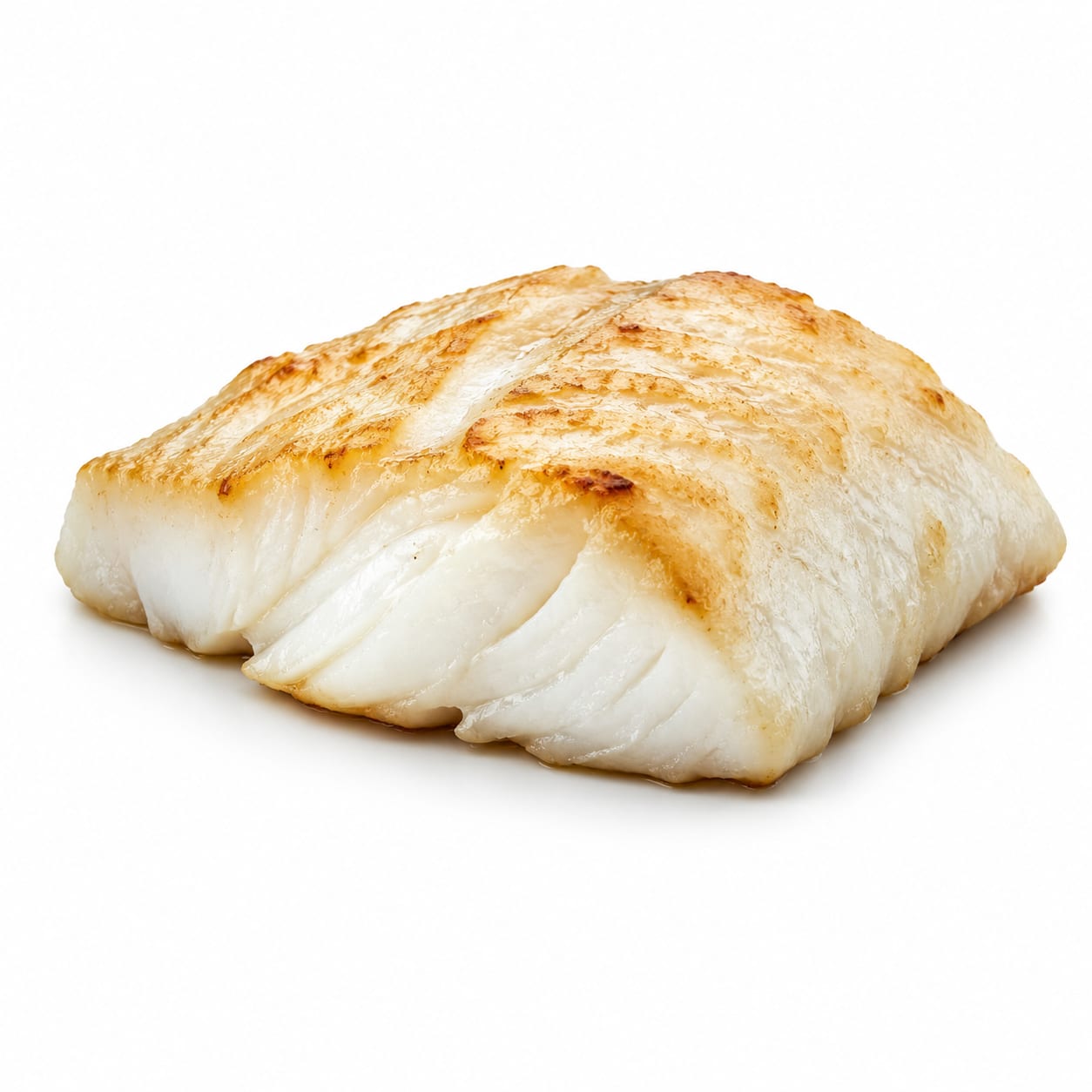
Haddock
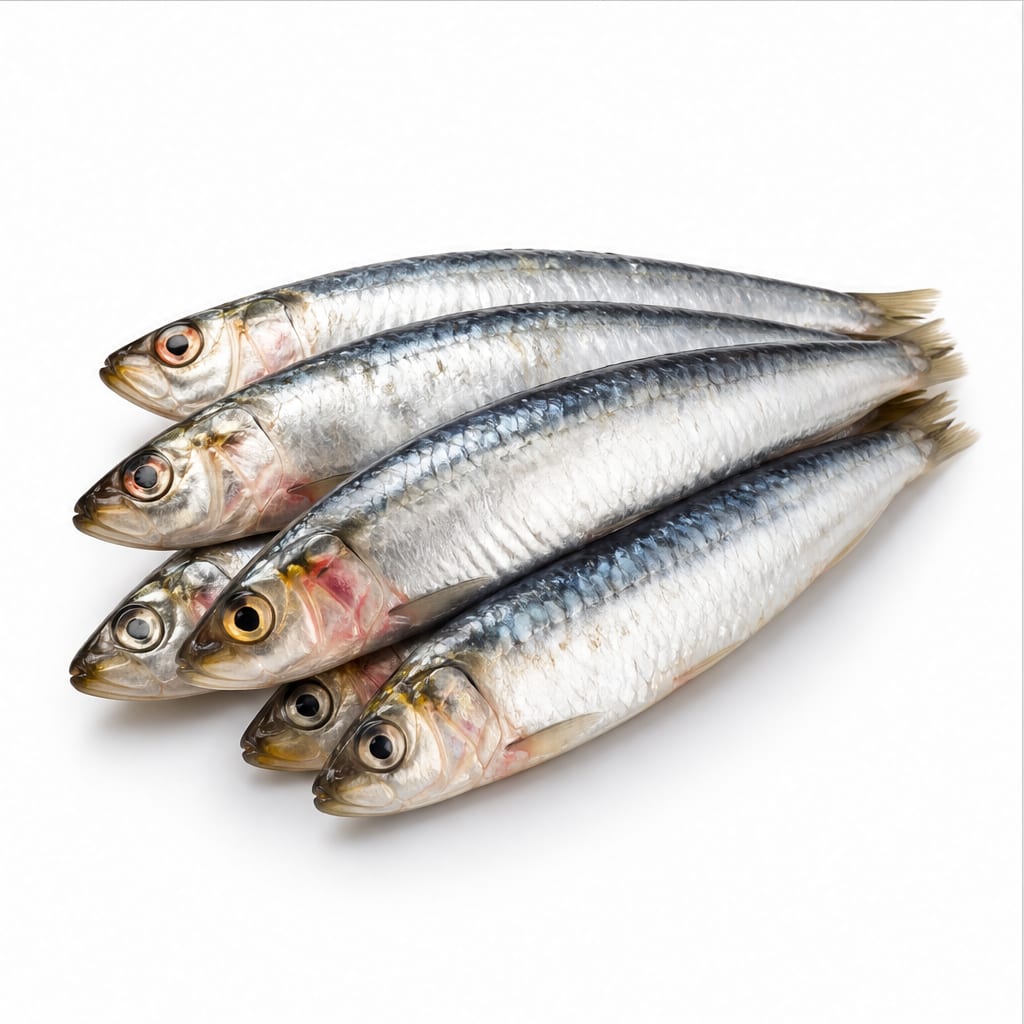
Sardines
Sardines deliver dramatically more omega-3s, calcium, and vitamin D, making them the nutritional powerhouse. Haddock wins on mild flavor and culinary versatility but falls short on the nutrients most people actually need from fish.
Sardines score significantly higher due to omega-3 content, calcium, vitamin D, and sustainability advantages. Haddock remains a clean lean protein but misses the nutrients that make fish uniquely valuable in a diet.
Sardines give you far more of what makes fish healthy but require accepting a stronger taste and different cooking habits. Haddock is easier to enjoy but provides fewer of the signature fish benefits.
At a glance
Executive summary
Overall
Sardines
Healthier
Sardines
More practical
Haddock
Daily use
It depends
Key comparison lenses
omega-3 and heart health comparison
Sardines are one of the richest omega-3 sources available while haddock is notably low, making this the most consequential nutritional difference
mercury and contaminant safety
Both are lower-mercury fish but users comparing seafood often prioritize heavy metal exposure and safe consumption frequency
bone and mineral density support
Sardines eaten with bones deliver exceptional calcium and vitamin D, a unique advantage haddock cannot match
everyday meal versatility and taste preference
Haddock offers a mild, family-friendly flavor while sardines have a strong taste that divides opinion and limits recipe flexibility
sustainability and environmental impact
Sardines are among the most sustainable seafood choices; haddock stocks vary more by region and fishing method
Best choice for
Haddock
- Picky eaters and children who resist strong fish flavors
- Elegant dinner recipes needing a delicate white fish
- People watching sodium who want fresh fish without added salt
- Those who find bony fish frustrating or unpleasant
Sardines
- Heart health and cardiovascular protection
- Bone density support without dairy supplements
- Budget-conscious eaters wanting maximum nutrition per dollar
- Anti-inflammatory diets and autoimmune management
Least suitable for
Haddock
- People specifically eating fish for omega-3 benefits
- Those needing calcium from non-dairy sources
- Vitamin D deficient individuals relying on food sources
Sardines
- People with gout flares triggered by purine-rich foods
- Those on strict low-sodium diets using canned versions
- Diners who strongly dislike intense fish flavor
Deep comparison
Dimension by dimension
Each lens scores both foods and breaks down who each option suits.
- Dimension 1 · Priority 95Sardines
omega-3 fatty acids
Haddock · 15Sardines · 95Sardines provide roughly 8-10 times more omega-3s than haddock per serving, making them one of the best dietary sources available.
Tradeoff
You would need to eat haddock multiple times daily to match the omega-3s from a single sardine serving, which is impractical for most people.
Why it matters
Omega-3s are the primary reason health authorities recommend eating fish. They reduce inflammation, support brain function, and protect against heart disease.
Real-world impact
Regular sardine eaters consistently show better triglyceride levels and inflammatory markers compared to those eating only white fish.
Haddock
- People already taking high-dose omega-3 supplements who want lean protein without excess fat
Better for
- Anyone relying on fish alone for omega-3 intake
Worse for
Sardines
- Heart disease prevention
- Brain health and cognitive function
- Joint inflammation and arthritis management
- Mood and mental health support
Better for
- Those on blood thinners who must limit omega-3 intake
Worse for
- Dimension 2 · Priority 80Sardines
bone and mineral support
Haddock · 20Sardines · 90Sardines with soft bones deliver exceptional calcium and vitamin D. Haddock provides minimal amounts of either.
Tradeoff
Eating bones is non-negotiable for this benefit. Boneless sardine fillets lose most of the calcium advantage.
Why it matters
Many adults are deficient in both calcium and vitamin D, especially those avoiding dairy. Sardines solve both problems in one food.
Real-world impact
A single can of sardines with bones provides roughly a third of daily calcium needs, comparable to a glass of milk.
Haddock
- Those who cannot tolerate eating fish bones at all
Better for
- Anyone counting on fish for meaningful calcium intake
Worse for
Sardines
- Osteoporosis prevention
- Dairy-free diets needing calcium alternatives
- Older adults with vitamin D deficiency
- Post-menopausal women at risk for bone loss
Better for
- People prone to kidney stones who must moderate calcium from concentrated sources
Worse for
- Dimension 3 · Priority 75Haddock
taste and culinary versatility
Haddock · 85Sardines · 45Haddock's mild, sweet flavor works in countless recipes. Sardines have a distinct intensity that limits their culinary range.
Tradeoff
Haddock adapts to almost any cooking style and flavor profile. Sardines work beautifully in specific dishes but are harder to disguise for skeptical eaters.
Why it matters
The healthiest food only helps if you actually eat it. Taste preferences often determine long-term dietary habits more than nutrition facts.
Real-world impact
Families can serve haddock to children without complaint. Sardines often require acquired taste development or creative recipe masking.
Haddock
- Family meals with kids or picky eaters
- Fine dining and elegant seafood presentations
- Breading, frying, baking, chowders, and fish tacos
- Blending with delicate sauces without overpowering them
Better for
- Quick pantry meals requiring no cooking
Worse for
Sardines
- Mediterranean and Portuguese cuisine traditions
- Quick no-cook meals straight from the can
- Bold flavor pairings like tomato, lemon, and garlic
Better for
- Date nights or entertaining guests unfamiliar with strong fish
- Recipes requiring a neutral protein base
- Meal prep for mixed-preference households
Worse for
- Dimension 4 · Priority 70Sardines
sustainability and environmental impact
Haddock · 55Sardines · 90Sardines are lower on the food chain, reproduce quickly, and have strong sustainability ratings. Haddock sustainability varies significantly by source.
Tradeoff
Choosing sardines supports ocean health more reliably. Haddock requires checking specific fishery certifications to ensure responsible sourcing.
Why it matters
Overfishing threatens marine ecosystems. Lower food chain fish like sardines have far less environmental impact per calorie produced.
Real-world impact
Sardine populations recover faster from fishing pressure. Atlantic haddock has improved but some stocks remain concern areas.
Haddock
- Local New England fisheries with strong sustainability certifications
Better for
- Unverified sources that may contribute to overfishing
Worse for
Sardines
- Environmentally conscious eaters
- Those wanting low food-chain seafood choices
- Budget shoppers since sustainable sardines remain affordable
Better for
- Mediterranean stocks that have faced overfishing in some years
Worse for
- Dimension 5 · Priority 65Haddock
sodium and processing concerns
Haddock · 80Sardines · 45Fresh haddock is naturally low in sodium. Most sardines are canned with added salt, significantly increasing sodium intake.
Tradeoff
Canned sardines trade sodium reduction for convenience and shelf stability. Fresh sardines exist but are harder to find and require immediate cooking.
Why it matters
Excess sodium raises blood pressure and cardiovascular risk. For sodium-sensitive people, canned fish can be a hidden trap.
Real-world impact
A can of sardines can contain 300-500mg of sodium. Fresh haddock fillets have under 100mg naturally.
Haddock
- Hypertension management
- Low-sodium diet requirements
- Kidney disease patients monitoring salt intake
Better for
- No significant sodium downside for fresh preparations
Worse for
Sardines
- Athletes needing electrolyte replenishment after sweating
Better for
- Daily canned consumption may push sodium over recommended limits
- Heart failure patients on strict sodium restrictions
Worse for
- Dimension 6 · Priority 60It depends
protein quality and satiety
Haddock · 72Sardines · 78Both provide excellent lean protein. Sardines edge ahead slightly due to higher fat content promoting longer-lasting fullness.
Tradeoff
Haddock offers more protein per calorie for those counting calories tightly. Sardines keep you fuller longer thanks to their fat content.
Why it matters
Protein quality matters for muscle maintenance and satiety. The fat difference changes how satisfying each fish feels after eating.
Real-world impact
A haddock fillet feels light and clean. Sardines feel more substantial and satisfying, reducing between-meal snacking.
Haddock
- Strict calorie counting with high protein targets
- Light lunch meals where you want to avoid feeling heavy
- Bodybuilders in cutting phases
Better for
- Those who find white fish unsatisfying on its own
Worse for
Sardines
- Sustained energy without hunger crashes
- Single-meal satisfaction that reduces grazing
- Keto and low-carb diets welcoming higher fat content
Better for
- Very low-fat diet protocols
Worse for
Timeline
Health impact over time
Short-term
Hours to days
Haddock
- Light, easily digestible meal that sits comfortably
- Minimal fishy aftertaste or breath concern
- Quick to prepare with simple cooking methods
Sardines
- Noticeable satiety from combined protein and healthy fat
- Possible fishy aftertaste that lingers
- Convenience of ready-to-eat canned options saves time
Long-term
Months to years
Haddock
- Decent lean protein source but missing key omega-3 benefits associated with fish consumption
- Lower contaminant accumulation supports safe regular consumption
- Heart health improvements modest compared to fatty fish
Sardines
- Meaningfully reduced cardiovascular disease risk from consistent omega-3 intake
- Improved bone mineral density from calcium and vitamin D
- Anti-inflammatory benefits that may ease chronic conditions
- Potential gout concerns for susceptible individuals from purine content
Risk profile
Safety & processing
Fresh or frozen haddock is typically sold as a simple fillet with nothing added. Canned sardines usually contain salt and sometimes smoke flavoring or oil, introducing moderate processing. Fresh sardines exist but require access to a fish market and immediate use.
Haddock
mercury exposure
lowHaddock is a low-mercury fish safe for regular consumption, including during pregnancy in moderate amounts.
spoilage and histamine
mediumLike all fresh fish, haddock spoils quickly and can develop histamine if not kept cold. Freshness matters more than with shelf-stable canned options.
Sardines
purine load and gout
mediumSardines are high in purines, which can trigger gout attacks in susceptible individuals. Those with gout history should moderate intake.
canned sodium content
mediumMost canned sardines contain 300-500mg sodium per serving. Regular consumption without adjusting other salt sources can raise blood pressure risk.
BPA from can linings
lowSome canned sardines use BPA-lined cans. Look for BPA-free labeled brands to minimize this endocrine disruptor exposure.
Who wins for whom
Audience fit
Same foods, different winners depending on your goal.
children
HaddockMild flavor and soft boneless texture make haddock far more kid-friendly. Sardines' strong taste and small bones make them a hard sell for most children.
daily consumption
It dependsSardines provide more nutritional value per serving but canned versions add daily sodium. Fresh haddock can be eaten daily safely but delivers fewer targeted benefits.
diabetes
SardinesThe healthy fats in sardines slow digestion and stabilize blood sugar. Haddock lacks fat, which means less blood sugar buffering when eaten alone.
elderly
SardinesCalcium, vitamin D, and omega-3s address the top nutritional concerns for aging adults: bone density, heart health, and cognitive function.
muscle gain
SardinesSardines offer slightly more protein per serving alongside anti-inflammatory omega-3s that support exercise recovery and joint health.
weight loss
It dependsHaddock provides fewer calories per serving for strict calorie counters. Sardines provide more satiety per meal, potentially reducing overall food intake throughout the day.
Your move
Decision guide
Choose Haddock
- You or your family dislike strong fish flavors and need a gentle entry point
- You are cooking an elegant meal where presentation and delicate taste matter
- You need a low-sodium fresh protein source for heart or kidney management
- You want a versatile fish that works in chowders, tacos, breading, and baking
Choose Sardines
- Heart health and omega-3 intake are your primary reasons for eating fish
- You want calcium and vitamin D without dairy supplements
- Budget is a concern and you need maximum nutrition per dollar spent
- You enjoy or want to explore Mediterranean-style eating patterns
- Sustainability and ocean health factor into your food choices
Either works if
- You simply want a lean protein alternative to chicken or beef
- You rotate fish types throughout the week for variety
- You are meeting omega-3 needs through supplements already
Avoid both if
- You have a confirmed fish allergy
- You are on a strict vegan or plant-based diet
- You have severe gout and must minimize all purine intake
Final recommendation
Eat sardines when nutrition is the priority and haddock when enjoyment and versatility matter more. The ideal approach is rotating both: sardines two to three times weekly for omega-3s and minerals, haddock once or twice for variety and lighter meals. If you can only pick one, sardines deliver more of what makes fish uniquely valuable in a human diet.
Practical
Consumer tips
- 1
Choose sardines packed in water or olive oil rather than soybean oil to avoid inflammatory seed oils
- 2
Rinse canned sardines briefly under water to remove roughly 20% of the sodium
- 3
Look for MSC-certified haddock to ensure sustainable sourcing
- 4
Try mashing sardines with mustard and lemon to mellow the flavor for beginners
- 5
Fresh sardines are worth seeking at fish markets if you enjoy grilling whole fish
- 6
Freeze haddock fillets in portioned bags for easy weeknight meals
- 7
Check sardine cans for BPA-free labeling to reduce endocrine disruptor exposure
- 8
Pair haddock with a side of walnuts or flaxseed to compensate for its low omega-3 content