
Nutrition comparison
Haddock vs Salmon: Which Fish Is Healthier for You?
Compare haddock and salmon on omega-3s, protein, calories, mercury, and price. Find out which fish fits your health goals, budget, and lifestyle best.
Overall winner · Salmon
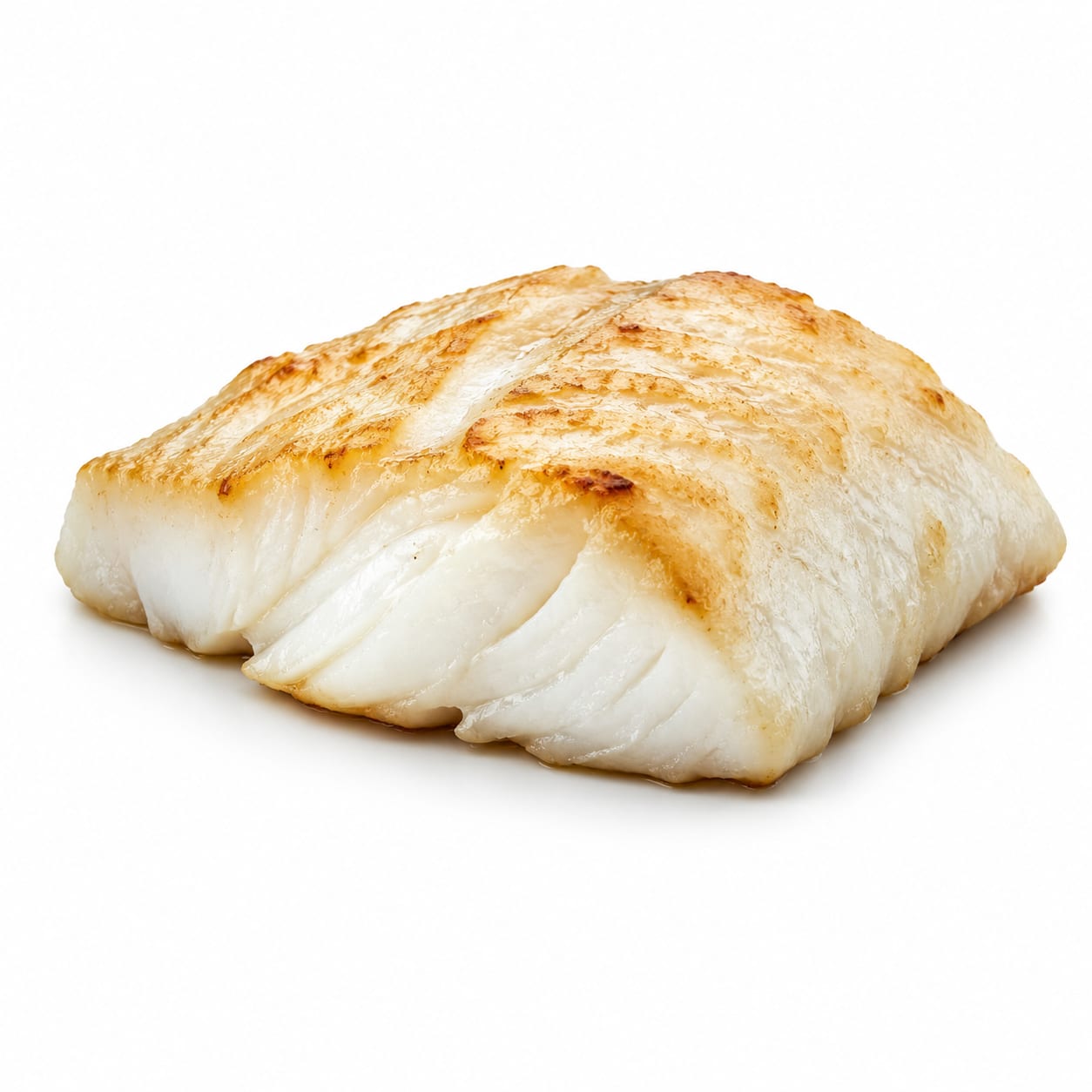
Haddock
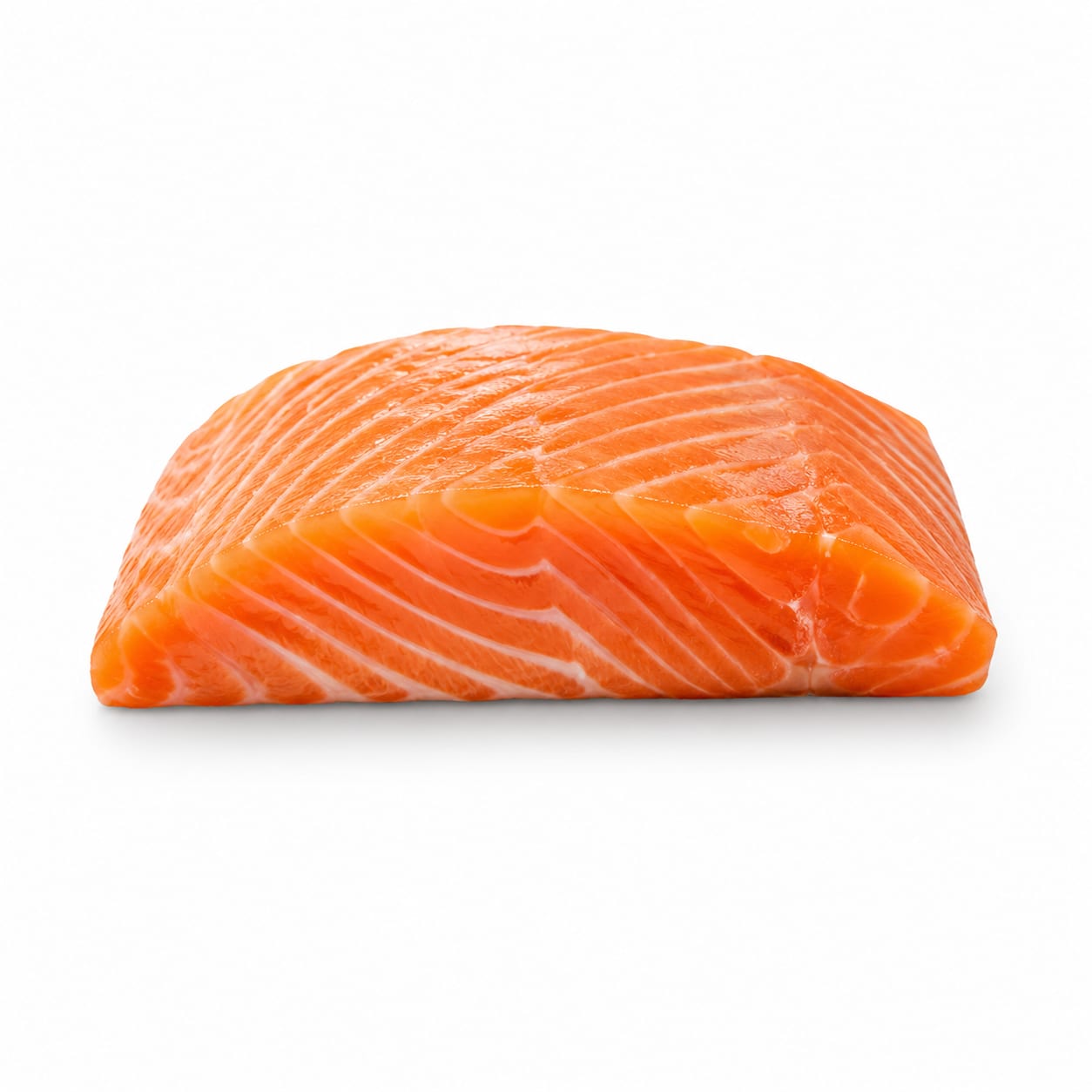
Salmon
Salmon wins on nutritional density especially omega-3s, but haddock is the smarter pick when you want lean protein with fewer calories and lower contaminant risk.
Salmon scores notably higher due to its exceptional omega-3 content, vitamin D, and anti-inflammatory benefits that are hard to replicate from other foods. Haddock remains a solid lean protein choice but lacks the standout nutritional advantages that make salmon a top-tier health food.
Salmon delivers powerful anti-inflammatory fats and vitamin D that haddock simply cannot match, but haddock gives you more protein per calorie and a cleaner safety profile at a lower price.
At a glance
Executive summary
Overall
Salmon
Healthier
Salmon
More practical
Haddock
Daily use
It depends
Key comparison lenses
omega-3 and heart health benefits
Salmon is one of the richest omega-3 sources available while haddock is notably lean, making this the defining nutritional gap
calorie and macronutrient tradeoffs
Users often choose between lean and fatty fish for weight management or meal planning purposes
contaminant and mercury safety
Both are seafood but carry different risk profiles — farmed salmon raises PCB concerns while haddock has lower contaminant loads
budget and accessibility
Haddock is typically cheaper and more available in frozen forms, salmon is pricier especially wild-caught
versatility and cooking convenience
Haddock's mild flavor suits picky eaters and varied recipes while salmon's richness is more polarizing
Best choice for
Haddock
- Calorie-conscious eaters wanting maximum protein per calorie
- People concerned about seafood contaminants who still want fish
- Budget-focused households needing affordable lean protein
- Picky eaters or children who prefer milder fish flavor
- Those eating fish multiple times per week who need variety with lower fat intake
Salmon
- Anyone prioritizing heart and brain health through omega-3s
- People who rarely eat fish and need maximum nutritional impact per serving
- Those with vitamin D deficiency or limited sun exposure
- Older adults needing anti-inflammatory and cognitive support
- Athletes and active people benefiting from healthy fat intake
Least suitable for
Haddock
- People relying on fish as their primary omega-3 source
- Those with vitamin D deficiency needing dietary sources
- Anyone avoiding low-flavor foods who finds white fish unappealing
- People who want maximum nutrition per serving rather than per calorie
Salmon
- People strictly limiting dietary fat even from healthy sources
- Budget-constrained shoppers who find wild salmon unaffordable
- Those worried about PCB exposure from farmed salmon who cannot access or afford wild
- Individuals who find rich fish flavors overwhelming
Deep comparison
Dimension by dimension
Each lens scores both foods and breaks down who each option suits.
- Dimension 1 · Priority 97Salmon
Omega-3 Fatty Acids
Haddock · 12Salmon · 95Salmon delivers roughly 10-15x more omega-3s than haddock, making it one of the best dietary sources available.
Tradeoff
You get extraordinary anti-inflammatory benefits from salmon but take on more calories and fat to get them.
Why it matters
Omega-3s support heart health, brain function, mood stability, and joint comfort — benefits most people do not get enough of.
Real-world impact
Eating salmon twice weekly can meaningfully improve omega-3 levels within weeks, while haddock barely moves the needle.
Haddock
- Low-fat diet followers
- Those already supplementing omega-3s
Better for
- Those relying on fish alone for omega-3s
Worse for
Salmon
- Heart health prioritizers
- Brain and cognitive health seekers
- People with inflammatory conditions
- Anyone not taking fish oil supplements
Better for
- Very low-fat diet adherents
Worse for
- Dimension 2 · Priority 85Haddock
Protein Quality and Density
Haddock · 88Salmon · 80Haddock provides more protein per calorie since it carries almost no fat, making it extremely protein-efficient.
Tradeoff
Haddock gives leaner protein but salmon's protein comes packaged with health-promoting fats that enhance nutrient absorption.
Why it matters
If you are tracking calories and maximizing protein intake, haddock lets you eat more volume for fewer calories.
Real-world impact
A 6oz haddock fillet delivers similar protein to salmon but saves you 100+ calories — useful for cutting phases or portion control.
Haddock
- Calorie counters
- Cutting-phase athletes
- High-protein low-fat meal planners
Better for
- Those needing calorie density for energy
Worse for
Salmon
- Those who benefit from fat-soluble vitamin absorption
- Endurance athletes needing calorie density
Better for
- Strict calorie restrictors
Worse for
- Dimension 3 · Priority 82Salmon
Vitamin and Mineral Density
Haddock · 55Salmon · 90Salmon is significantly richer in vitamin D, B12, selenium, and astaxanthin — a unique antioxidant that gives salmon its color.
Tradeoff
Haddock provides decent B vitamins and selenium but cannot compete with salmon's exceptional micronutrient profile.
Why it matters
Vitamin D deficiency is widespread and salmon is one of the few natural food sources that provides meaningful amounts.
Real-world impact
One salmon serving can provide your full daily vitamin D target, while haddock contributes almost none.
Haddock
- Those getting vitamin D from supplements or sun exposure already
Better for
- Those depending on food for vitamin D
Worse for
Salmon
- Anyone with low vitamin D levels
- People in northern climates with limited sunlight
- Older adults at risk for B12 deficiency
Better for
- Dimension 4 · Priority 80Haddock
Contaminant and Safety Profile
Haddock · 82Salmon · 62Haddock generally carries lower contaminant levels than farmed salmon, which can contain PCBs, dioxins, and antibiotic residues.
Tradeoff
Wild salmon has a cleaner safety profile but costs significantly more, while farmed salmon is more accessible but riskier.
Why it matters
Regular consumption of contaminated fish can undermine the very health benefits you are eating it for.
Real-world impact
Choosing haddock or wild salmon reduces long-term contaminant exposure compared to regularly eating farmed salmon.
Haddock
- Frequent fish eaters minimizing cumulative exposure
- Parents feeding fish to young children
- Those who cannot afford or source wild salmon consistently
Better for
Salmon
- Those with access to wild-caught salmon
- Occasional fish eaters for whom contaminant load is minimal
Better for
- Regular consumers of farmed salmon accumulating PCBs over time
Worse for
- Dimension 5 · Priority 72Salmon
Satiety and Meal Satisfaction
Haddock · 60Salmon · 85Salmon's healthy fat content makes meals more filling and satisfying, reducing the urge to snack afterward.
Tradeoff
Haddock leaves you lighter but hungrier sooner unless you pair it with other filling foods like whole grains or avocado.
Why it matters
Meals that actually satisfy you prevent overeating later, which matters more than calorie counts alone.
Real-world impact
A salmon dinner tends to carry you through the evening comfortably; haddock may leave you reaching for a snack by 9pm.
Haddock
- Those preferring light meals
- Small appetite individuals
Better for
- Those who find lean fish unsatisfying alone
Worse for
Salmon
- Big eaters needing lasting fullness
- Anyone prone to evening snacking
- People eating one main meal per day
Better for
- People who feel sluggish after rich meals
Worse for
- Dimension 6 · Priority 70Haddock
Budget and Accessibility
Haddock · 85Salmon · 50Haddock is consistently cheaper and widely available frozen, while salmon — especially wild-caught — can be expensive and harder to find.
Tradeoff
Paying more for salmon buys you superior nutrition, but haddock makes regular fish consumption financially realistic.
Why it matters
The healthiest food only works if you can afford to eat it consistently.
Real-world impact
Haddock can often be found for half the price of salmon, making it easier to include fish in your weekly grocery budget.
Haddock
- Families on tight grocery budgets
- Meal preppers buying in bulk
- Those living where fresh salmon is unavailable
Better for
Salmon
- Those who can afford premium protein choices
- People prioritizing nutrition over cost
Better for
- Budget-constrained households
Worse for
- Dimension 7 · Priority 60It depends
Flavor Versatility and Ease of Cooking
Haddock · 75Salmon · 75Haddock's mild flavor adapts to any seasoning or cuisine while salmon's richness stands on its own but is more polarizing.
Tradeoff
Haddock is more versatile for picky eaters and diverse recipes; salmon is easier to prepare simply and still taste great.
Why it matters
A fish you actually enjoy eating consistently beats a nutritionally superior one that sits in your freezer.
Real-world impact
Haddock disappears into fish tacos, chowders, and bakes without complaint; salmon needs fewer embellishments but not everyone loves its intensity.
Haddock
- Picky eaters and kids
- Cooks wanting a blank canvas for bold flavors
- Fish taco and chowder recipes
Better for
- Those who find white fish boring
Worse for
Salmon
- Minimalist cooks who want simple preparation
- Fans of rich, distinctive fish flavor
- Grilling and searing enthusiasts
Better for
- People sensitive to fishy flavors
Worse for
Timeline
Health impact over time
Short-term
Hours to days
Haddock
- Light, clean energy without heaviness after eating
- Minimal digestive discomfort due to low fat content
- Less immediate satiety — may feel hungry sooner
Salmon
- Lasting fullness from healthy fat content
- Steadier post-meal energy with less blood sugar fluctuation
- Possible mild digestive adjustment if you are unused to fatty fish
Long-term
Months to years
Haddock
- Consistent lean protein intake supporting muscle maintenance
- Lower cumulative contaminant exposure with frequent consumption
- Missing out on omega-3 benefits unless supplemented through other sources
Salmon
- Meaningfully reduced cardiovascular risk from regular omega-3 intake
- Better cognitive aging and mood support from DHA
- Potential contaminant accumulation if relying heavily on farmed salmon
Risk profile
Safety & processing
Both haddock and salmon are naturally minimally processed when bought fresh or frozen. Farmed salmon may contain antibiotic residues and color additives in feed, while wild salmon and haddock are about as clean as protein gets.
Haddock
Mercury exposure
lowHaddock is a low-mercury fish, safe for frequent consumption including during pregnancy.
Overfishing and sustainability
mediumSome haddock fisheries face pressure; look for MSC-certified sources to ensure sustainable stocks.
Salmon
PCB and dioxin contamination in farmed salmon
mediumFarmed salmon can contain elevated PCBs and dioxins from feed. Wild salmon has significantly lower levels.
Antibiotic residues in farmed salmon
mediumSome farmed salmon operations use antibiotics, which may contribute to resistance. Wild salmon avoids this concern.
Mercury exposure
lowSalmon is generally a low-mercury fish, though slightly higher than haddock. Safe for regular consumption.
Who wins for whom
Audience fit
Same foods, different winners depending on your goal.
children
HaddockHaddock's lower contaminant load and milder flavor make it a safer, more kid-friendly introduction to fish.
daily consumption
It dependsHaddock is safer for daily eating due to lower contaminant risk, but salmon provides more nutritional value per serving — ideal is rotating both.
diabetes
SalmonSalmon's healthy fats slow digestion and stabilize blood sugar more effectively than lean haddock alone.
elderly
SalmonSalmon's omega-3s and vitamin D directly address age-related concerns like cognitive decline, inflammation, and bone health.
muscle gain
SalmonSalmon provides quality protein alongside anti-inflammatory omega-3s that support recovery, making it slightly better for training adaptation.
weight loss
HaddockHaddock's lower calorie density lets you eat generous portions while staying in a deficit, though salmon's satiety can also prevent overeating.
Your move
Decision guide
Choose Haddock
- You are counting calories and want maximum protein with minimal fat
- You eat fish several times weekly and want to limit contaminant exposure
- You are feeding kids or picky eaters who prefer mild flavors
- Wild salmon is unavailable and you want to avoid farmed salmon risks
- Your grocery budget needs a more affordable fish option
Choose Salmon
- Heart and brain health are top priorities for you
- You eat fish only once or twice a week and want maximum nutritional impact
- You have low vitamin D levels or limited sun exposure
- You can access and afford wild-caught salmon
- You want a single fish serving that keeps you full for hours
Either works if
- You simply want a clean protein source and are not focused on omega-3s
- You are already taking fish oil or omega-3 supplements
- You rotate proteins throughout the week and both fit your meal plan
Avoid both if
- You have a fish or seafood allergy
- You are following a strict plant-based diet
- You have severe gout and need to limit all purine-rich foods
Final recommendation
Eat salmon when you can get wild-caught — its omega-3 and vitamin D benefits are genuinely hard to beat. Choose haddock when you need a leaner, cheaper, lower-contaminant option or just want a lighter meal. The smartest approach is rotating both: salmon twice a week for the fats your brain and heart need, haddock on other days for lean protein without the price tag or contaminant concerns.
Practical
Consumer tips
- 1
Choose wild-caught salmon when possible — it has fewer contaminants and more omega-3s than farmed
- 2
If buying farmed salmon, look for certifications like ASC or responsible farming labels
- 3
Frozen haddock is often fresher than 'fresh' fish that has been sitting on ice for days
- 4
Bake or poach both fish rather than frying to preserve omega-3s and avoid adding unhealthy fats
- 5
Pair haddock with avocado or olive oil to compensate for its lack of healthy fats
- 6
Check Seafood Watch for sustainability ratings before buying either fish
- 7
Avoid salmon with added colorants — wild salmon gets its color naturally from astaxanthin