
Nutrition comparison
Haddock vs Pollock: Nutrition, Taste, and Sustainability Compared
Comparing Haddock and Pollock? Discover the nutritional differences, taste profiles, and which white fish is better for your health, budget, and the environment.
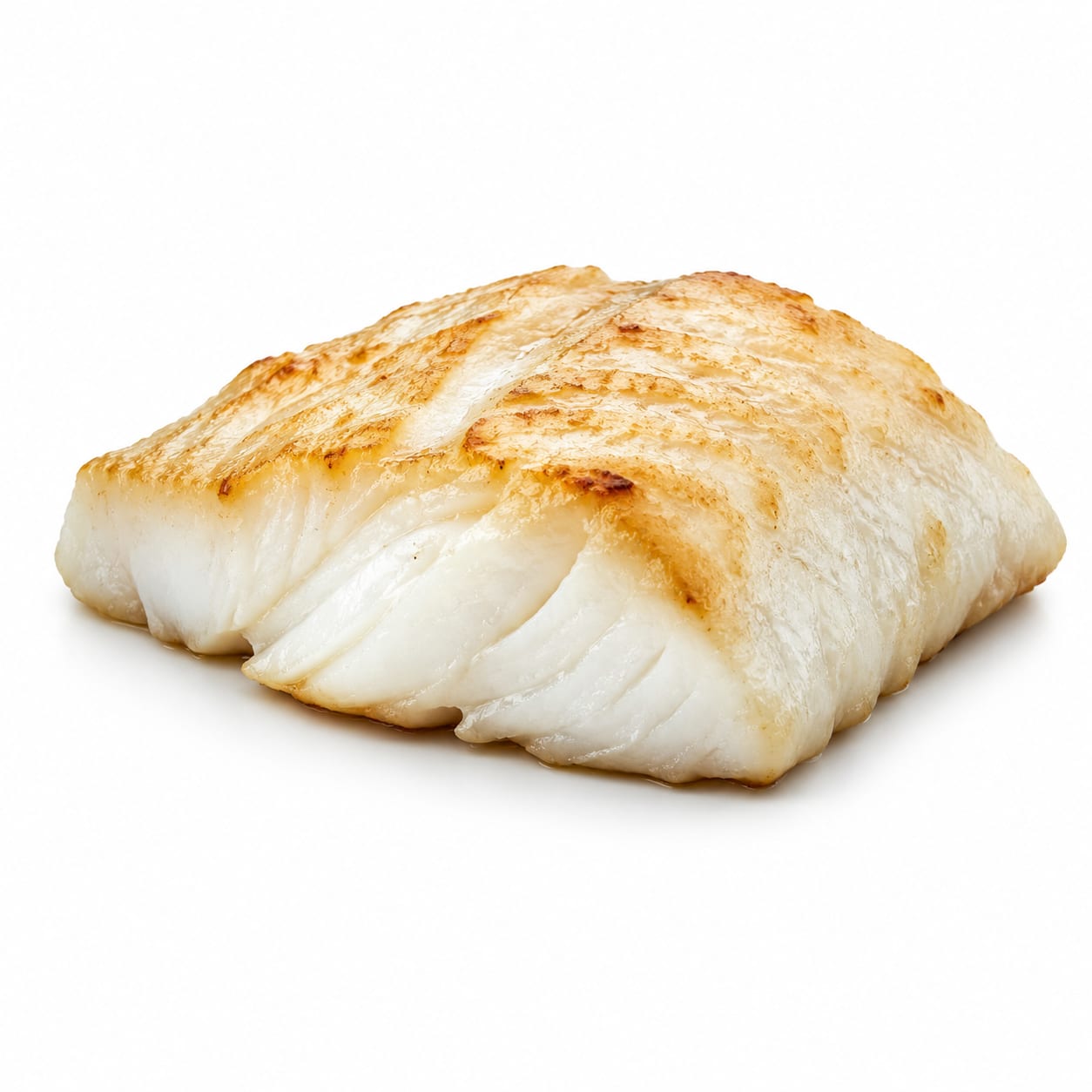
Haddock
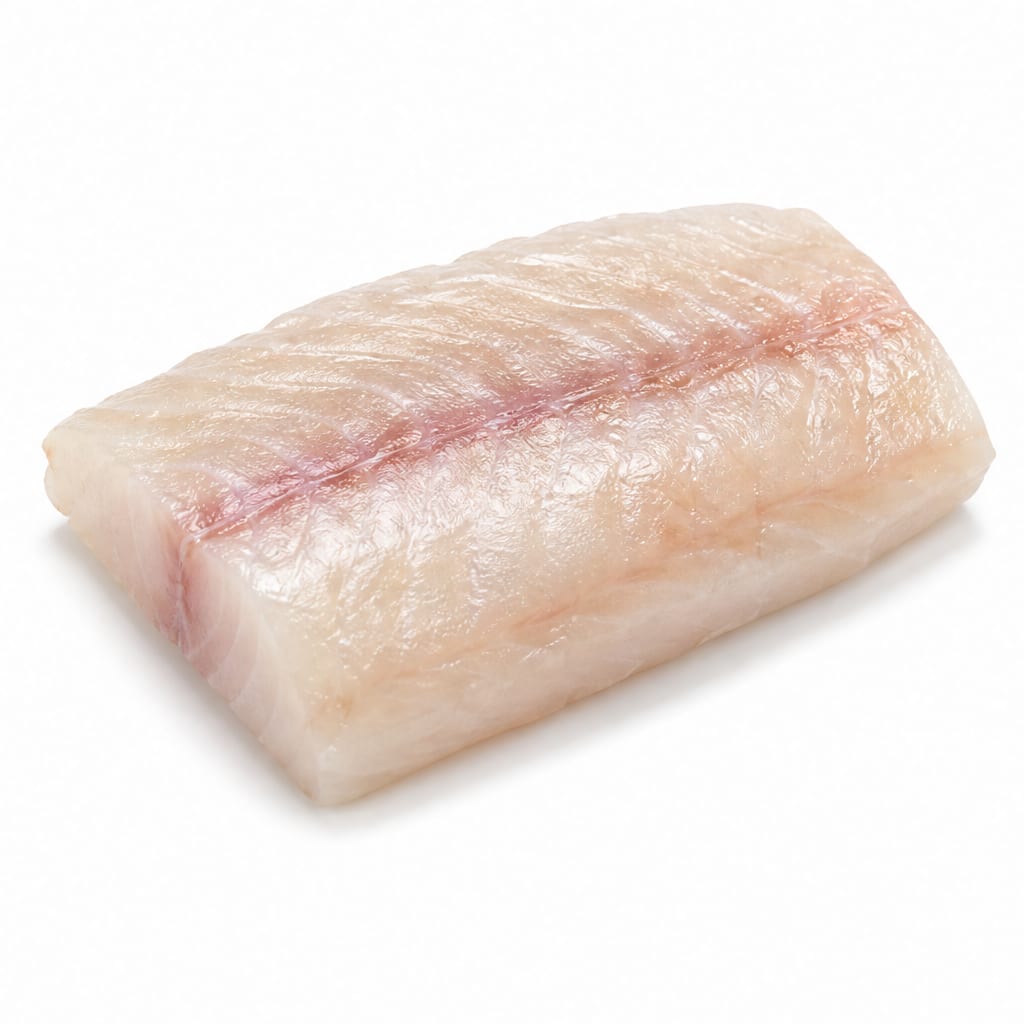
Pollock
Two nearly identical white fish where sustainability and budget tip the scale toward Pollock, while flavor and texture slightly favor Haddock.
Pollock edges out slightly due to superior sustainability credentials and lower cost, though Haddock and Pollock are nutritional twins. The score reflects real-world value and environmental impact rather than a health disparity.
Haddock offers a sweeter, flakier bite at a higher price, while Pollock is the budget-friendly, ultra-sustainable workhorse.
At a glance
Executive summary
Overall
It depends
Healthier
It depends
More practical
Pollock
Daily use
Pollock
Key comparison lenses
Taste and culinary texture differences
White fish buyers often choose based on flakiness, sweetness, and how the fish holds up in cooking.
Sustainability and ocean impact
Pollock is famous for its gold-standard sustainable fishery, a major deciding factor for eco-conscious consumers.
Budget and value comparison
Pollock is significantly cheaper and more widely available, making it a staple for families.
Mercury and contaminant safety
Both are low-mercury fish, but frequent seafood eaters often want the absolute safest option for daily consumption.
Best choice for
Haddock
- Seafood lovers wanting a flakier, sweeter fillet
- Those making traditional British-style fish and chips
- Dinners where the fish is the undisputed star
Pollock
- Budget-conscious families needing affordable lean protein
- Eco-focused eaters prioritizing sustainable seafood
- Meal preppers looking for cheap, versatile fish
Least suitable for
Haddock
- Tight grocery budgets
- Those who only buy MSC-certified sustainable fish
Pollock
- Gourmet presentations requiring thick, firm fillets
- Diners who find mild fish too bland
Deep comparison
Dimension by dimension
Each lens scores both foods and breaks down who each option suits.
- Dimension 1 · Priority 90Haddock
Taste & Culinary Versatility
Haddock · 88Pollock · 72Haddock delivers a sweeter, flakier fillet that holds up beautifully to breading and baking, while Pollock is milder and softer.
Tradeoff
You pay a premium for Haddock's superior texture, whereas Pollock can sometimes lean watery or bland if overcooked.
Why it matters
If you are making a dish where the fish is the star, texture and flavor make or break the meal.
Real-world impact
Haddock makes for restaurant-quality fish and chips at home; Pollock works better hidden in tacos or chowders.
Haddock
- Classic fish and chips
- Baked fillet with lemon and herbs
- Pan-seared fish dinners
Better for
- Large volume meal prep on a strict budget
Worse for
Pollock
- Fish tacos with heavy seasoning
- Creamy seafood chowders
- Budget-friendly fish bakes
Better for
- Dishes requiring thick, firm fillets
- Mild preparations where fish flavor needs to shine
Worse for
- Dimension 2 · Priority 85Pollock
Sustainability & Environmental Impact
Haddock · 70Pollock · 95Alaskan Pollock is one of the most abundant and well-managed fish on the planet, setting the gold standard for sustainable seafood.
Tradeoff
Choosing Haddock means accepting a slightly higher environmental footprint and varying stock health depending on the fishing region.
Why it matters
If you eat fish regularly, the cumulative environmental impact of your choices adds up fast.
Real-world impact
Buying Pollock feels guilt-free and is almost always MSC-certified, making it easy to shop responsibly without research.
Haddock
- Supporting specific local Atlantic fisheries
Better for
- Strict sustainable seafood diets
Worse for
Pollock
- Eco-conscious weekly meal planning
- Feeding a family with sustainable practices in mind
Better for
- Avoiding fish from the Bering Sea ecosystem
Worse for
- Dimension 3 · Priority 80It depends
Lean Protein & Calorie Density
Haddock · 85Pollock · 84Both are incredibly lean, packing high protein into fewer than 100 calories per serving.
Tradeoff
Haddock has marginally more protein per ounce, while Pollock has slightly fewer calories, but the differences are practically invisible.
Why it matters
For weight loss or muscle gain, both fish perform identically as lean, filling proteins.
Real-world impact
Substituting one for the other will not change your macros or your waistline in any noticeable way.
Haddock
- Squeezing out a few extra grams of protein per meal
Better for
- None significant
Worse for
Pollock
- Cutting absolute calories to the bare minimum
Better for
- None significant
Worse for
- Dimension 4 · Priority 80Pollock
Affordability & Accessibility
Haddock · 60Pollock · 92Pollock is dramatically cheaper and dominates the frozen fish aisle, making it the go-to for budget households.
Tradeoff
Haddock commands a premium price and is harder to find fresh outside of coastal regions.
Why it matters
The best healthy food is the one you can actually afford to eat consistently.
Real-world impact
You can feed a family of four Pollock fillets for the price of a single Haddock dinner, making it a realistic everyday staple.
Haddock
- Special occasion seafood dinners
Better for
- Cost-effective daily meal prep
Worse for
Pollock
- Weekly grocery runs on a budget
- Bulk buying frozen fish for the month
Better for
- High-end dining experiences
Worse for
Timeline
Health impact over time
Short-term
Hours to days
Haddock
- Highly satiating without feeling heavy
- Easy to digest, gentle on the stomach
- Stabilizes blood sugar when paired with veggies
Pollock
- Light and filling, great for evening meals
- Very low calorie, leaves room for side dishes
- Keeps you satisfied without afternoon energy crashes
Long-term
Months to years
Haddock
- Supports lean muscle maintenance with consistent protein
- Low mercury allows for safe frequent consumption
- Contributes to heart health through lean eating patterns
Pollock
- Excellent daily protein source for long-term weight management
- Extremely low contaminant profile supports nervous system health
- Sustainable sourcing protects future food security
Risk profile
Safety & processing
When bought as fresh or frozen fillets, both Haddock and Pollock are completely natural. However, Pollock is frequently used to make surimi (imitation crab) and breaded fish sticks, which are ultra-processed. Stick to plain fillets for the cleanest option.
Haddock
Mercury exposure
lowHaddock is a low-mercury fish, safe for multiple servings a week, though slightly higher than Pollock.
Parasites
lowLike all wild fish, raw Haddock carries a parasite risk; always cook fully or freeze properly before using in sushi.
Pollock
Mercury exposure
lowAlaskan Pollock is among the lowest-mercury fish available, making it exceptionally safe for children and pregnant women.
Hidden sodium in processed forms
mediumWhile plain Pollock is low in sodium, it is often processed into surimi or breaded sticks that pack heavy sodium loads.
Who wins for whom
Audience fit
Same foods, different winners depending on your goal.
children
PollockPollock has the absolute lowest mercury levels and a softer texture that is easier for young kids to chew.
daily consumption
PollockPollock's unmatched sustainability and rock-bottom price make it the only realistic choice for eating fish every single day.
diabetes
It dependsBoth are zero-carb, zero-sugar proteins that will not spike blood sugar at all.
elderly
PollockPollock's softer texture is easier to chew and digest, and its low mercury profile is safer for slower metabolisms.
muscle gain
It dependsHaddock has a slight edge in protein density per ounce, but the difference is too small to matter unless you eat massive portions.
weight loss
It dependsBoth are incredibly low in calories and high in protein, making them equally excellent for shedding pounds.
Your move
Decision guide
Choose Haddock
- You want a sweeter, flakier fillet for a special dinner
- You are making traditional fish and chips at home
- Budget is not a constraint and you prefer Atlantic fish
Choose Pollock
- You eat fish multiple times a week and care about ocean health
- You are feeding a family on a tight grocery budget
- You need a safe, low-mercury fish for kids or pregnancy
Either works if
- You just need a lean protein to throw into a salad or taco
- You are making a heavily sauced dish where the fish flavor is masked
- You want a light post-workout dinner
Avoid both if
- You have a severe fish or seafood allergy
- You strongly dislike mild, white-fleshed fish
Final recommendation
Let your wallet and your eco-conscience decide. Grab Pollock for everyday meals and save Haddock for when you want a slightly more delicate, flaky dinner. Nutritionally, your body will not know the difference.
Practical
Consumer tips
- 1
Always look for the MSC blue checkmark when buying either fish to ensure sustainable sourcing.
- 2
Skip the breaded frozen boxes; buy plain frozen fillets to avoid excess sodium and inflammatory seed oils.
- 3
Squeeze fresh lemon over Pollock to brighten its milder flavor profile.
- 4
Do not overcook Pollock; its softer texture breaks down faster than Haddock's firmer flakes.