
Nutrition comparison
Haddock vs Chicken Breast: Which Lean Protein is Better?
Compare haddock and chicken breast for protein, omega-3s, mercury risk, and meal prep versatility. Find out which lean meat fits your diet best.
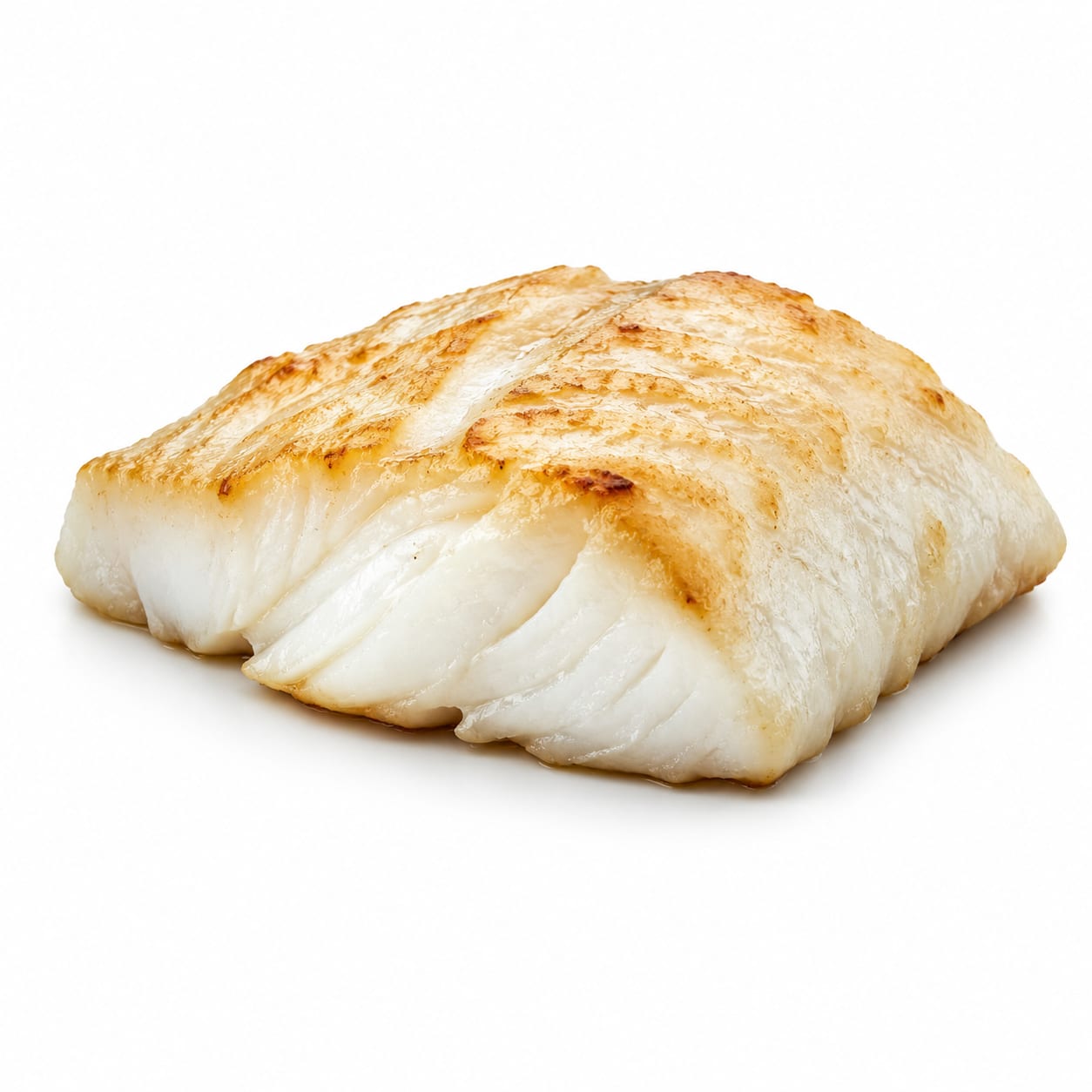
Haddock
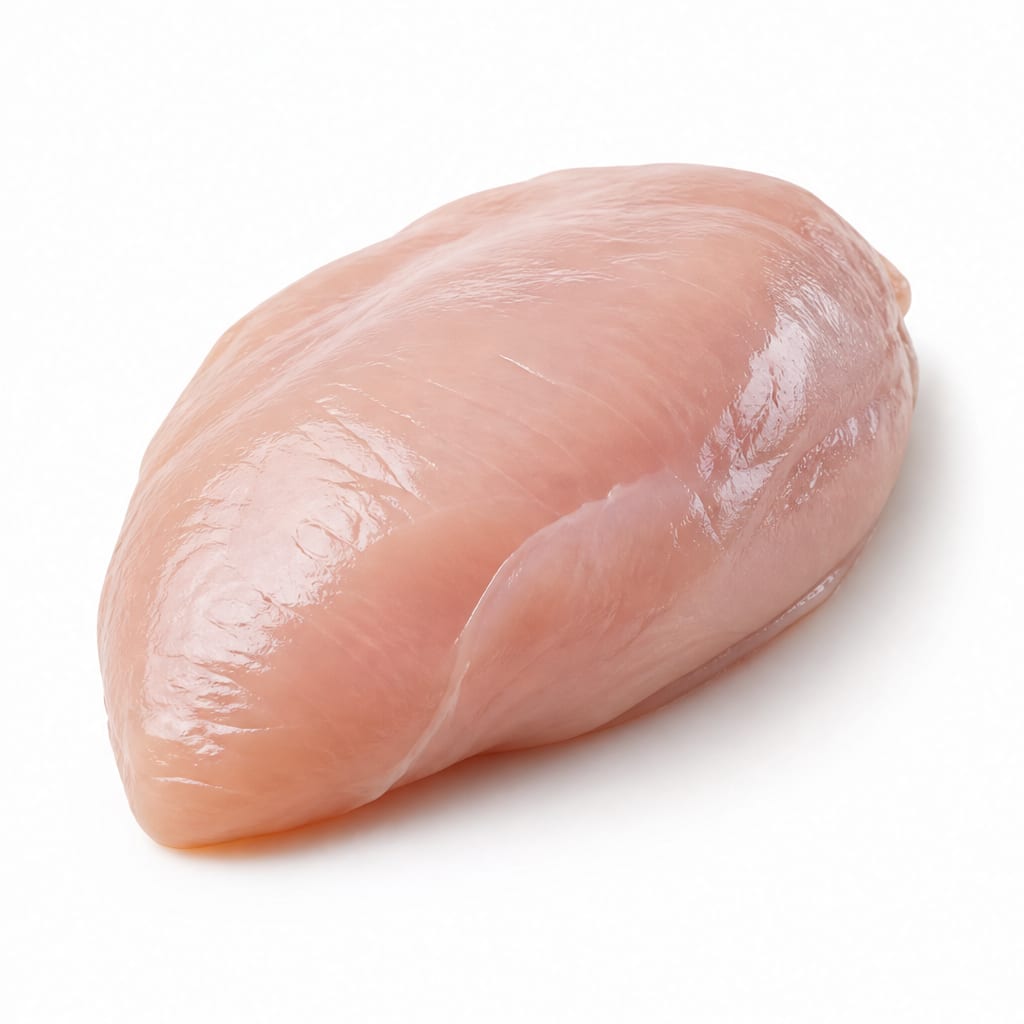
Chicken Breast
Chicken breast delivers more protein per calorie and is far more versatile, while haddock offers marine nutrients and a lighter eating experience.
Chicken breast edges out haddock due to higher protein content, lower cost, and greater versatility, though haddock remains an excellent lean choice with unique marine benefits.
Chicken breast gives you higher protein density and lower cost, but haddock provides omega-3s and easier digestion for some.
At a glance
Executive summary
Overall
It depends
Healthier
It depends
More practical
Chicken Breast
Daily use
Chicken Breast
Key comparison lenses
Lean protein source comparison
Both are staple lean proteins, but they differ significantly in protein density and calorie-to-protein ratio.
Marine vs land-based nutrient profiles
Haddock offers marine omega-3s and selenium, while chicken breast provides pure land-based protein without ocean contaminants.
Heavy metal and contamination risk
Seafood carries inherent mercury and microplastic risks, whereas poultry has different concerns like antibiotic residues and bacterial handling risks.
Meal prep versatility and convenience
Chicken breast is a culinary chameleon for weekly prep, while haddock is more delicate and less suited for diverse leftovers.
Best choice for
Haddock
- Light dinners
- Heart health focus
- People tired of poultry
- Easy-to-digest meals
Chicken Breast
- Muscle building
- Meal prep
- High-protein diets
- Budget-conscious households
Least suitable for
Haddock
- Daily heavy protein needs
- People worried about ocean contaminants
Chicken Breast
- People with poultry allergies
- Those seeking marine omega-3s
Deep comparison
Dimension by dimension
Each lens scores both foods and breaks down who each option suits.
- Dimension 1 · Priority 95Chicken Breast
Protein Density & Quality
Haddock · 70Chicken Breast · 95Chicken breast packs significantly more protein per serving, making it the go-to for muscle repair and satiety.
Tradeoff
You sacrifice the marine omega-3s found in haddock when choosing chicken for pure protein power.
Why it matters
Higher protein keeps you fuller longer and supports muscle maintenance throughout the day.
Real-world impact
A chicken breast dinner keeps you full until morning; haddock might leave you hunting for a late-night snack.
Haddock
- Lighter meals
- Smaller appetites
Better for
- Heavy lifters needing high protein intake
Worse for
Chicken Breast
- Post-workout recovery
- High-protein diets
Better for
- Those wanting a light, flaky texture
Worse for
- Dimension 2 · Priority 85Haddock
Heart & Brain Health (Omega-3s)
Haddock · 80Chicken Breast · 40Haddock provides marine omega-3 fatty acids, which chicken breast completely lacks.
Tradeoff
You get less total protein but more anti-inflammatory fats that support long-term health.
Why it matters
Omega-3s are essential for heart and brain health, and most people do not get enough from their diet.
Real-world impact
Eating haddock a couple of times a week contributes to your seafood omega-3 goals without heavy calories.
Haddock
- Cardiovascular health
- Brain health
Better for
- People needing zero-fat diets
Worse for
Chicken Breast
- Pure muscle building without fat
Better for
- Long-term anti-inflammatory diets
Worse for
- Dimension 3 · Priority 80Chicken Breast
Contamination & Safety
Haddock · 75Chicken Breast · 85Haddock carries a low but real risk of mercury and microplastics, while chicken breast's main risk is bacterial contamination and antibiotic residues.
Tradeoff
Ocean pollutants versus agricultural antibiotics are two very different safety profiles to weigh.
Why it matters
Long-term accumulation of heavy metals or antibiotic resistance are both undesirable health outcomes.
Real-world impact
You can safely eat chicken breast daily; haddock is best limited to a few times a week to minimize mercury exposure.
Haddock
- Varying protein sources away from land animals
Better for
- Frequent fish eaters already high in mercury
Worse for
Chicken Breast
- Daily consumption
- Pregnant women avoiding mercury
Better for
- Those avoiding conventionally raised poultry
Worse for
- Dimension 4 · Priority 75Chicken Breast
Culinary Versatility & Convenience
Haddock · 65Chicken Breast · 90Chicken breast can be grilled, baked, shredded, or chopped into almost any cuisine. Haddock is more delicate and limited to flaky fish preparations.
Tradeoff
Delicate, quick-cooking fish versus robust, multi-purpose meat.
Why it matters
Versatility makes meal prep easier and prevents diet boredom, which is crucial for long-term consistency.
Real-world impact
Chicken breast works in salads, wraps, and stir-fries; haddock really only works as a standalone fillet.
Haddock
- Quick 10-minute bakes
- Elegant dinners
Better for
- Meal prepping for the whole week
Worse for
Chicken Breast
- Weekly meal prep
- Diverse recipes
Better for
- Quick delicate flavors
Worse for
Timeline
Health impact over time
Short-term
Hours to days
Haddock
- Light feeling after eating
- Quick digestion
- Mild flavor that is easy on the stomach
Chicken Breast
- High satiety
- Sustained energy for hours
- Can feel dry or heavy if overcooked
Long-term
Months to years
Haddock
- Better heart health markers from omega-3s
- Potential mercury accumulation if overconsumed
Chicken Breast
- Excellent muscle retention and metabolic health
- Potential concern about antibiotic-resistant bacteria if not sourcing carefully
Risk profile
Safety & processing
Both are whole, single-ingredient foods when bought fresh or frozen. The main concerns are what happens before harvest, like ocean pollutants for haddock versus farm practices for chicken breast.
Haddock
Mercury and Heavy Metals
lowHaddock is relatively low in mercury compared to large predatory fish, but still requires moderation for pregnant women.
Microplastics
mediumOcean fish are increasingly showing microplastic contamination, which is unavoidable in wild seafood.
Chicken Breast
Bacterial Contamination
mediumRaw poultry requires strict kitchen hygiene to prevent cross-contamination from Salmonella or Campylobacter.
Antibiotic Residue
lowConventionally raised chicken may carry antibiotic residues; opt for antibiotic-free if concerned.
Who wins for whom
Audience fit
Same foods, different winners depending on your goal.
children
Chicken BreastChicken breast has lower mercury risk, making it safer for regular consumption by kids.
daily consumption
Chicken BreastChicken breast has lower cumulative contaminant risk and higher versatility for everyday meals.
diabetes
Chicken BreastHigher protein content stabilizes blood sugar better, though both are zero-carb and safe for glucose levels.
elderly
It dependsChicken breast prevents age-related muscle loss, but haddock is easier to chew and offers brain-supporting omega-3s.
muscle gain
Chicken BreastChicken breast provides significantly more protein per serving for muscle repair and growth.
weight loss
Chicken BreastChicken breast has more protein per calorie, keeping you fuller on fewer calories.
Your move
Decision guide
Choose Haddock
- You want a light, flaky dinner
- You need marine omega-3s in your diet
- You are tired of eating poultry
- You want something easy to chew and digest
Choose Chicken Breast
- You are meal prepping for the week
- You need high protein for muscle building
- You are on a tight budget
- You want maximum culinary versatility
Either works if
- You just need a lean, zero-carb protein source for a salad
- You want to alternate between land and sea proteins for nutrient diversity
Avoid both if
- You are looking for plant-based proteins
- You have specific allergies to both seafood and poultry
Final recommendation
Make chicken breast your daily lean protein workhorse, and rotate haddock in a couple of times a week for marine nutrients and a lighter texture.
Practical
Consumer tips
- 1
Buy frozen haddock to ensure freshness and reduce waste.
- 2
Choose antibiotic-free chicken breast to lower long-term health risks.
- 3
Don't overcook haddock; it dries out much faster than chicken breast.
- 4
Marinate chicken breast to keep it moist and versatile for multiple recipes.