
Nutrition comparison
Grouse vs Venison: Nutrition, Taste, and Health Comparison
Compare grouse and venison side by side — protein, iron, fat, taste, availability, and safety. Find out which game meat is better for your health goals.
Overall winner · Venison
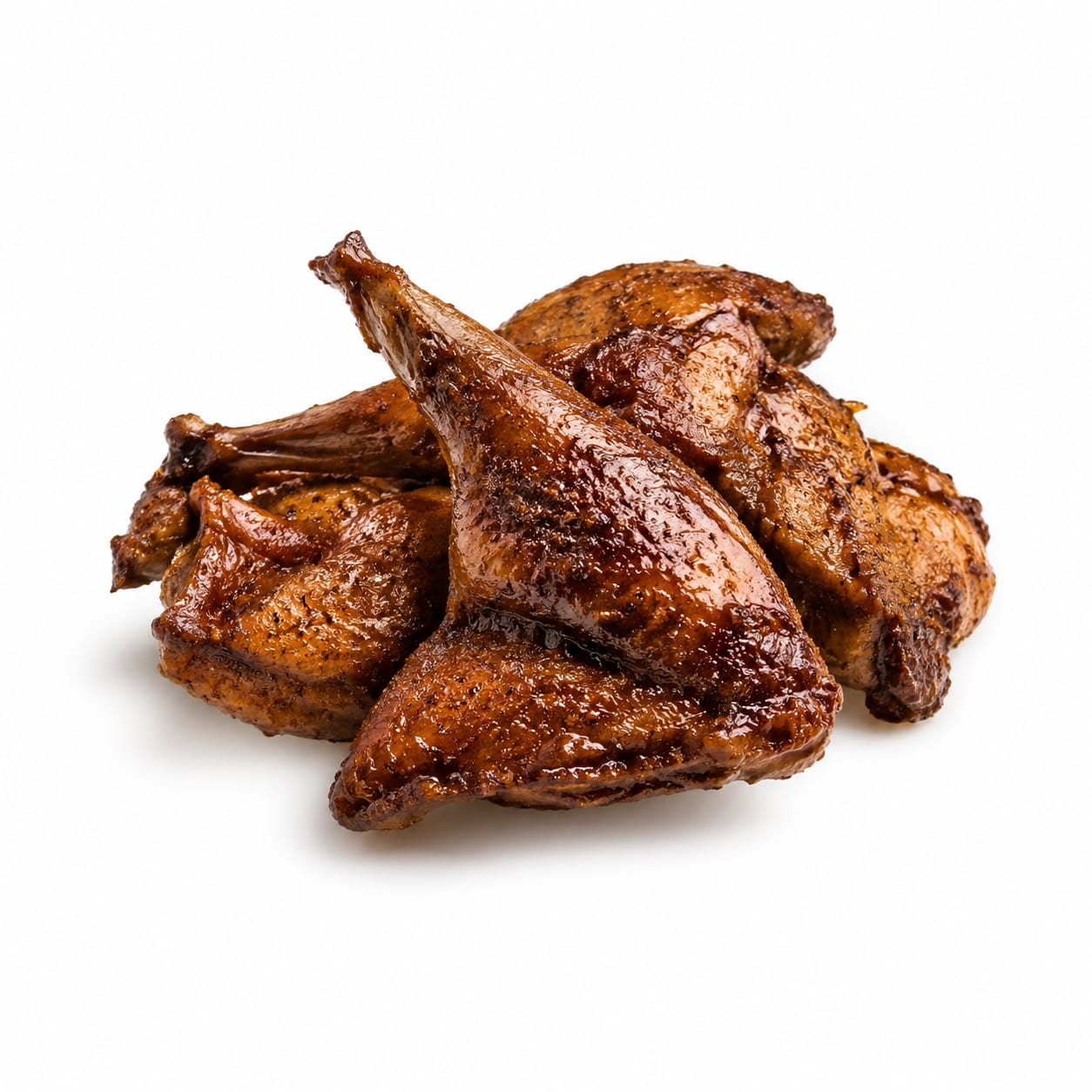
Grouse
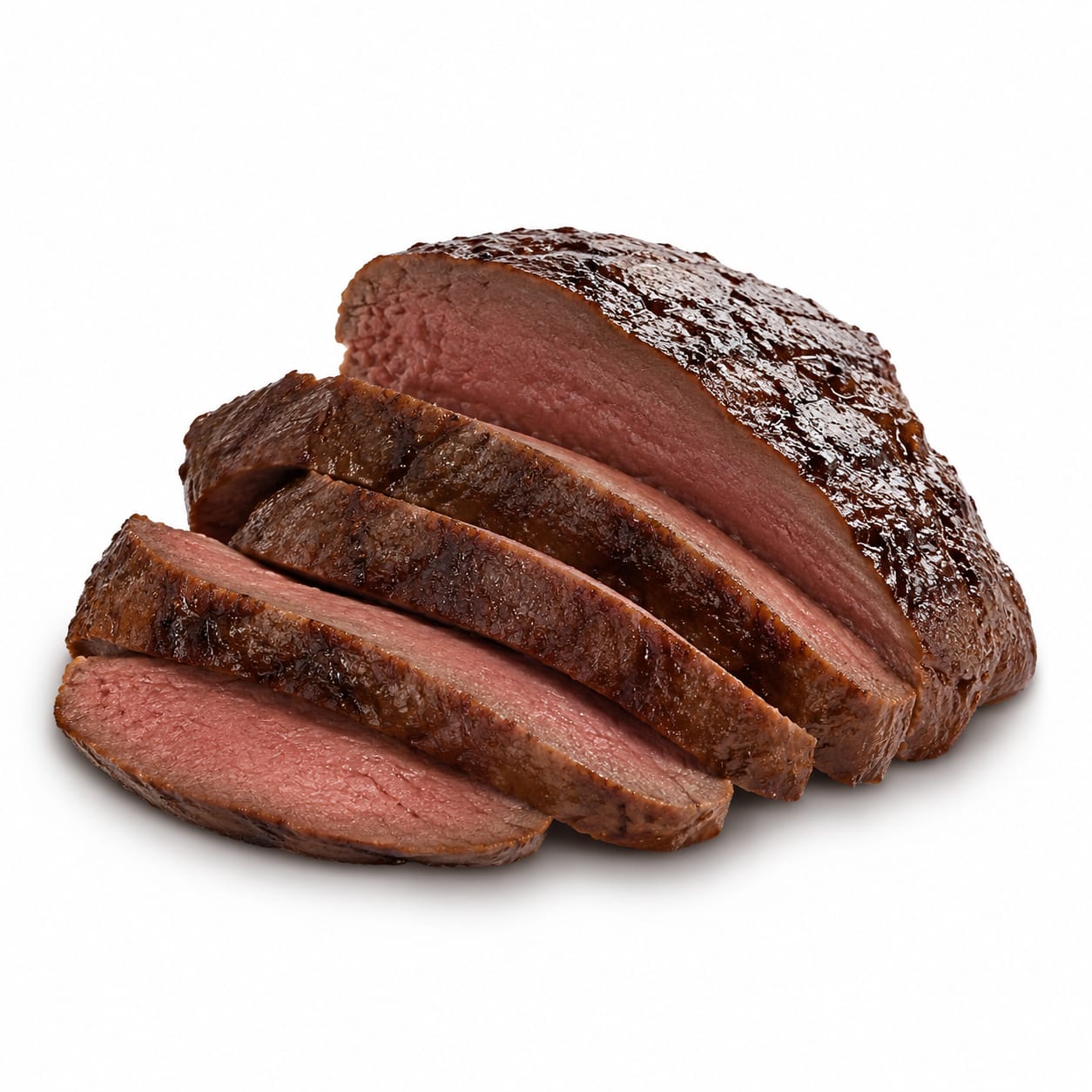
Venison
Venison wins on practicality, iron content, and meal versatility, while grouse offers a lighter, more delicate eating experience for special occasions.
Venison scores higher due to superior iron content, better availability, and greater culinary flexibility. Grouse remains a fine choice but is held back by limited access, smaller portions, and less nutrient density per serving.
Venison delivers more nutrients per serving and is easier to find year-round, but grouse provides a unique dining experience with slightly less heavy satiety.
At a glance
Executive summary
Overall
Venison
Healthier
Venison
More practical
Venison
Daily use
Venison
Key comparison lenses
protein quality and leanness
Both are ultra-lean game meats prized for high-quality protein with minimal fat
iron and mineral density
Venison is famously iron-rich; comparing mineral density is a key decision factor
availability and practicality
Grouse is seasonal and harder to source; venison is increasingly available commercially
game meat safety
Both carry wild-game risks including lead shot contamination and parasitic concerns
culinary versatility
Venison works in more dishes; grouse is more niche and preparation-sensitive
Best choice for
Grouse
- Special occasion dining and culinary exploration
- Lighter meals where you want less post-meal heaviness
- Those seeking variety beyond common game meats
Venison
- Regular high-protein meal prep
- Iron-deficient individuals needing a mineral boost
- Athletes and active people needing sustained protein intake
Least suitable for
Grouse
- Weeknight dinners when you need something reliable and quick
- People sensitive to strong gamey flavors
- Budget-conscious shoppers
Venison
- Those who find dense red meat too heavy
- People wanting a lighter, bird-based protein
- Occasions calling for delicate presentation
Deep comparison
Dimension by dimension
Each lens scores both foods and breaks down who each option suits.
- Dimension 1 · Priority 95Venison
protein_density
Grouse · 78Venison · 88Both are protein powerhouses, but venison provides more protein per serving due to larger, denser cuts.
Tradeoff
Grouse delivers excellent protein for a bird but comes in smaller portions, meaning you may need more to match venison's protein hit.
Why it matters
Higher protein density means better muscle support and longer-lasting fullness from a single meal.
Real-world impact
A venison steak easily delivers 40g+ protein per serving; grouse breast might give you 25-30g, leaving you hungrier sooner.
Grouse
- Lighter protein intake without feeling stuffed
Better for
- Bodybuilders needing large protein hits from single meals
Worse for
Venison
- Post-workout recovery meals
- Meeting high daily protein targets with fewer servings
Better for
- Small appetites where a full venison portion feels overwhelming
Worse for
- Dimension 2 · Priority 90Venison
iron_and_mineral_content
Grouse · 65Venison · 92Venison is one of the richest iron sources available, far surpassing grouse and most other meats.
Tradeoff
Choosing grouse means settling for respectable but unremarkable iron levels, while venison practically functions as an iron supplement.
Why it matters
Iron deficiency is common, especially in women and athletes. Food-based iron is more effective and better tolerated than supplements.
Real-world impact
Eating venison twice a week can meaningfully move the needle on ferritin levels; grouse would take much longer to have the same effect.
Grouse
- Those who get enough iron from other sources and want variety
Better for
- Iron-deficient individuals relying on diet alone
Worse for
Venison
- Women with heavy menstrual cycles
- Endurance athletes at risk of exercise-induced iron depletion
- Anyone diagnosed with low ferritin
Better for
- People with hemochromatosis or iron overload conditions
Worse for
- Dimension 3 · Priority 82It depends
fat_content_and_profile
Grouse · 80Venison · 80Both are extremely lean, with venison being slightly leaner in most cuts but also more prone to dryness when cooked.
Tradeoff
Ultra-lean means heart-healthy but also less forgiving cooking — both meats dry out easily without careful preparation.
Why it matters
Low fat supports cardiovascular health and calorie control, but fat also carries flavor and helps with satiety.
Real-world impact
Neither meat will contribute much saturated fat to your diet, but both need marinades or careful cooking to avoid chewy, dry results.
Grouse
- Slightly more natural fat in skin-on preparations for moisture
Better for
- Skin-on preparations can add unexpected saturated fat
Worse for
Venison
- Lower total fat per calorie for strict macro tracking
Better for
- Extreme leanness makes overcooking almost guaranteed without experience
Worse for
- Dimension 4 · Priority 85Venison
availability_and_convenience
Grouse · 40Venison · 72Venison is increasingly available in supermarkets and online; grouse remains a specialty item tied to game season.
Tradeoff
You can plan weekly meals around venison with reasonable confidence; grouse requires planning, luck, or a good game dealer.
Why it matters
The healthiest food is the one you can actually buy and cook regularly, not the one that sounds ideal but sits on a wish list.
Real-world impact
Most people can find venison year-round with some effort; grouse is realistically a few-weeks-per-year luxury for most buyers.
Grouse
- Autumn game season experiences and specialty dining
Better for
- Anyone building a reliable weekly protein rotation
Worse for
Venison
- Consistent weekly meal planning
- Online ordering and freezer stocking
Better for
- Those wanting truly fresh, never-frozen game meat
Worse for
- Dimension 5 · Priority 75Venison
culinary_versatility
Grouse · 55Venison · 78Venison works in steaks, stews, burgers, jerky, and roasts; grouse is best roasted whole and treated simply.
Tradeoff
Grouse rewards simple, respectful cooking but punishes experimentation; venison adapts to many recipes and cuisines.
Why it matters
Versatility means less recipe fatigue and more ways to use leftover or bulk-purchased meat.
Real-world impact
A package of venison can become chili, stir-fry, or tacos; grouse pretty much demands a traditional roast approach.
Grouse
- Elegant dinner parties where presentation matters
- Cooks who enjoy traditional game recipes
Better for
- Creative cooks wanting to experiment beyond roasting
Worse for
Venison
- Meal preppers needing one protein for multiple dishes
- Home cooks wanting everyday flexibility
Better for
- Occasions where a whole roasted bird is the centerpiece
Worse for
- Dimension 6 · Priority 78Venison
satiety_and_fullness
Grouse · 68Venison · 85Venison's dense red meat keeps you full for hours; grouse is satisfying but lighter and shorter-lasting.
Tradeoff
Venison feels like a proper meal that holds you; grouse feels refined but may leave you reaching for a snack later.
Why it matters
Better satiety means fewer cravings and less between-meal snacking, which matters for weight management.
Real-world impact
After a venison dinner, you're likely set until morning. After grouse, a late-night kitchen raid is more plausible.
Grouse
- Light lunches where you don't want afternoon sluggishness
Better for
- Long gaps between meals where staying full matters
Worse for
Venison
- Dinners where you want to stay full until breakfast
- Active days requiring sustained energy
Better for
- Hot summer evenings when heavy food feels unappealing
Worse for
Timeline
Health impact over time
Short-term
Hours to days
Grouse
- Light, clean energy without heaviness after eating
- Quick digestion relative to red meat, less post-meal fatigue
Venison
- Strong satiety that reduces snacking urges for hours
- Dense protein may feel heavy if you're not used to lean red meat
Long-term
Months to years
Grouse
- Consistent lean protein intake supports body composition
- Iron intake adequate but not exceptional — may need supplementation if relied on heavily
Venison
- Superior iron stores over time, especially valuable for menstruating women
- Very low saturated fat intake supports cardiovascular health long-term
- B12 and zinc levels well-supported with regular consumption
Risk profile
Safety & processing
Both grouse and venison are among the most natural protein sources available. Wild-caught versions have zero additives, and even farmed venison is typically raised with minimal intervention. This is clean eating at its core.
Grouse
Lead shot contamination
mediumWild grouse are often harvested with lead shot, which can leave fragments in the meat. Regular consumption of lead-contaminated game is a health concern, especially for children and pregnant women.
Inadequate field dressing
mediumGrouse shot in the field must be cleaned promptly. Delayed or poor field dressing increases bacterial contamination risk.
Parasitic infection
lowGame birds can carry parasites like Trichinella, though less commonly than wild boar. Thorough cooking eliminates this risk.
Venison
Chronic Wasting Disease concern
mediumWild deer populations in some regions carry CWD, a prion disease. No confirmed human cases exist, but health agencies recommend avoiding meat from CWD-positive animals.
Lead fragment contamination
mediumLike grouse, wild-harvested venison may contain lead shot fragments. The risk depends on hunting methods and care during processing.
Trichinella and parasites
lowWild venison can carry Trichinella and other parasites. Proper cooking to 160°F eliminates the risk. Farmed venison has minimal parasite concerns.
Who wins for whom
Audience fit
Same foods, different winners depending on your goal.
children
VenisonVenison's iron content is valuable for growing kids, and ground venison is easier to prepare in child-friendly ways. Lead shot risk in both meats warrants caution with wild-harvested versions.
daily consumption
VenisonVenison's availability, versatility, and nutrient density make it more realistic as a regular protein source. Grouse is better treated as an occasional luxury.
diabetes
It dependsBoth are excellent zero-carb protein sources with minimal blood sugar impact. Choice comes down to personal preference and availability.
elderly
VenisonOlder adults benefit greatly from venison's iron, B12, and zinc density, though tender preparation is essential for both meats to avoid chewiness.
muscle gain
VenisonMore protein per serving and superior iron content support muscle recovery and growth more effectively.
weight loss
VenisonVenison's higher protein density and stronger satiety make it easier to maintain a calorie deficit without feeling deprived.
Your move
Decision guide
Choose Grouse
- You want a refined, special-occasion meal with delicate flavor
- Lighter protein sits better with your digestion
- You have access to fresh grouse during game season and want to enjoy it
Choose Venison
- You need a reliable, nutrient-dense protein for regular meals
- Iron levels are a concern for you or a family member
- You want one game meat that works in everything from stews to stir-fries
- You're meal prepping for the week and need versatility
Either works if
- You simply want an ultra-lean, natural protein source free of antibiotics and hormones
- Both are available and you want to rotate game meats for variety
Avoid both if
- You have gout flares triggered by purine-rich meats
- You cannot verify the source and have concerns about lead contamination
- You lack confidence cooking lean game meats and will likely overcook them into leather
Final recommendation
Make venison your everyday game meat — it delivers more nutrition, fits more recipes, and is easier to find. Save grouse for autumn evenings when you want something special. Both are exceptional choices compared to conventional meat, but venison earns its place at the weekly table while grouse deserves a seat at the feast.
Practical
Consumer tips
- 1
If buying wild-harvested grouse or venison, ask your supplier about lead-free ammunition to reduce contamination risk
- 2
Cook both meats to medium at most — well-done game meat becomes unpleasantly dry
- 3
Marinate venison in olive oil and acid (vinegar or citrus) for 4-12 hours to improve tenderness
- 4
Freeze wild game for at least 30 days at 0°F to kill potential parasites before cooking
- 5
Ground venison is the most forgiving and versatile form — start there if you're new to cooking game
- 6
Pair both meats with iron-absorption enhancers like vitamin C-rich vegetables rather than calcium-heavy sides
- 7
If you cannot find fresh grouse, look for frozen whole birds from reputable game dealers during autumn