
Nutrition comparison
Grouse vs Turkey Breast: Nutrition, Safety, and Which Lean Protein Wins
Compare grouse and turkey breast on protein, iron, calories, safety, and taste. Learn which lean meat fits your health goals, budget, and lifestyle.
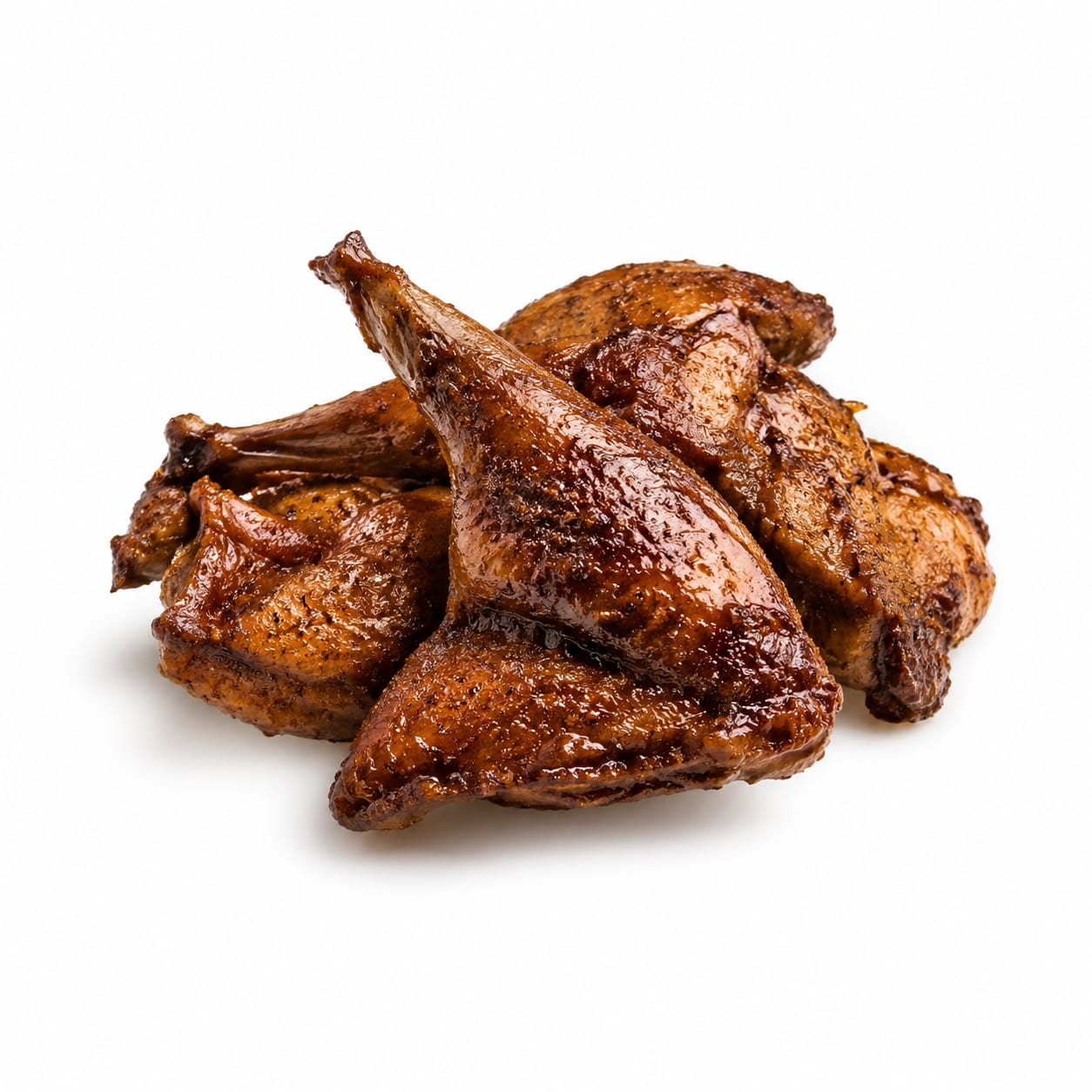
Grouse
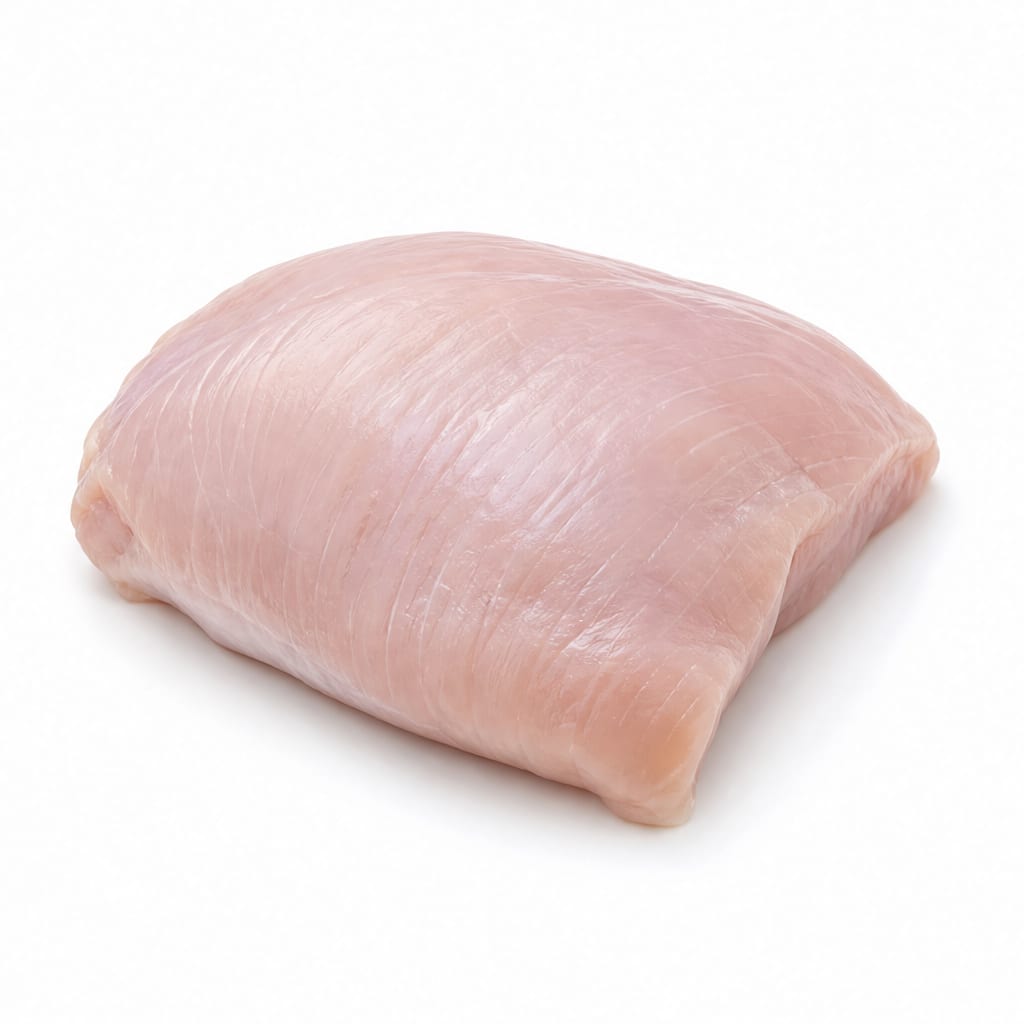
Turkey Breast
Turkey breast wins on practicality and consistency; grouse offers superior micronutrients and a richer eating experience but comes with sourcing challenges and wild game risks.
Turkey breast scores higher overall due to accessibility, safety consistency, and daily usability. Grouse earns strong marks for micronutrient density and flavor but loses ground on availability, cost, and contamination risk.
Convenience and safety versus nutritional depth and culinary uniqueness.
At a glance
Executive summary
Overall
It depends
Healthier
It depends
More practical
Turkey Breast
Daily use
Turkey Breast
Key comparison lenses
lean protein source selection
Both are exceptionally lean, high-protein meats often chosen by health-conscious eaters
wild game vs farmed poultry tradeoffs
Grouse is wild-harvested game while turkey breast is commercially farmed, creating distinct safety and nutritional profiles
everyday practicality vs specialty eating
Turkey breast is a grocery staple; grouse is seasonal, regional, and requires sourcing effort
micronutrient density comparison
Wild game typically offers richer mineral content from varied natural diets
food safety and contamination risk
Wild game carries unique risks including lead shot exposure and parasites not found in farmed poultry
Best choice for
Grouse
- Adventurous eaters seeking nutrient-dense wild protein
- Hunters or those with access to wild game
- People wanting to increase iron and B12 naturally
- Those avoiding commercially farmed meats
- Special occasion meals where flavor matters most
Turkey Breast
- Meal preppers needing reliable weekly protein
- Weight loss dieters tracking calories precisely
- Families wanting affordable lean protein
- Anyone post-surgery needing gentle, predictable digestion
- Budget-conscious health eaters
Least suitable for
Grouse
- Children due to potential lead shot fragments
- Daily meal prep routines requiring consistency
- Anyone with limited access to specialty butchers or hunting
- People anxious about food safety risks
- Budget-limited households
Turkey Breast
- Those avoiding factory farming practices
- People seeking bold, gamey flavor experiences
- Anyone bored with bland protein and wanting variety
- Those wanting higher iron intake from food alone
Deep comparison
Dimension by dimension
Each lens scores both foods and breaks down who each option suits.
- Dimension 1 · Priority 95Turkey Breast
Protein Quality and Quantity
Grouse · 82Turkey Breast · 90Both deliver excellent complete protein, but turkey breast offers slightly more protein per calorie with greater consistency.
Tradeoff
Grouse provides marginally more interesting amino acid diversity from a wild diet, but turkey breast gives you more reliable protein gram for gram.
Why it matters
For muscle maintenance and satiety, consistency matters more than subtle amino acid variations.
Real-world impact
A turkey breast meal delivers predictable protein for recovery or fullness. Grouse protein content fluctuates with season and the bird's age.
Grouse
- Those valuing protein from diverse natural forage diets
Better for
- People needing exact protein amounts daily
Worse for
Turkey Breast
- Bodybuilders tracking macros precisely
- Anyone meal prepping with consistent targets
Better for
- Those who find plain lean meat unappealing and eat less overall
Worse for
- Dimension 2 · Priority 88Grouse
Micronutrient Density
Grouse · 88Turkey Breast · 72Grouse wins on iron, zinc, selenium, and B12 thanks to its varied wild diet of heather, berries, and insects.
Tradeoff
You get more vitamins and minerals from grouse, but you give up the nutritional consistency that farmed turkey provides.
Why it matters
Iron and B12 deficiencies are common, and wild game is one of the richest natural sources.
Real-world impact
Eating grouse occasionally can meaningfully boost iron stores, especially for women or athletes. Turkey breast helps but delivers less per serving.
Grouse
- People with low iron or B12 levels
- Anyone eating limited red meat who still wants mineral-rich protein
Better for
- Anyone who cannot source grouse regularly enough for the mineral benefit to accumulate
Worse for
Turkey Breast
- Those already meeting micronutrient needs through supplements or varied diet
Better for
- Relying solely on turkey breast may leave iron intake lower than optimal
Worse for
- Dimension 3 · Priority 85Turkey Breast
Fat Profile and Caloric Density
Grouse · 75Turkey Breast · 88Turkey breast is one of the leanest meats available. Grouse is still lean but carries more fat, especially in fall-harvested birds.
Tradeoff
Less fat means fewer calories for turkey breast, but grouse fat includes more omega-3s from the bird's natural forage diet.
Why it matters
For strict calorie counting, every gram of fat adds up. But some fat improves satiety and nutrient absorption.
Real-world impact
Turkey breast fits easily into a cutting phase. Grouse is still diet-friendly but requires slightly more calorie awareness.
Grouse
- People wanting more satisfying meals with natural fats
- Those not strictly counting calories
Better for
- Strict calorie counters who find the fat variability frustrating
Worse for
Turkey Breast
- Anyone in a calorie deficit needing maximum protein per calorie
- Competition prep dieters
Better for
- People who find ultra-lean meat unsatisfying and end up snacking later
Worse for
- Dimension 4 · Priority 90Turkey Breast
Food Safety and Contamination
Grouse · 60Turkey Breast · 85Wild-harvested grouse carries lead shot risk, parasite exposure, and no regulatory oversight. Commercial turkey breast follows USDA inspection protocols.
Tradeoff
Grouse offers a more natural life for the bird but a less controlled plate for the eater.
Why it matters
Lead exposure even in small amounts affects neurological health, especially concerning for children and pregnant women.
Real-world impact
Carefully inspecting grouse for shot fragments reduces risk but never eliminates it. Turkey breast carries standard poultry salmonella risk manageable with proper cooking.
Grouse
- Those who trust their hunting source and processing methods
Better for
- Children susceptible to even trace lead exposure
- People unfamiliar with safe wild game handling
Worse for
Turkey Breast
- Families with young children
- Pregnant women
- Anyone immunocompromised
Better for
- Those concerned about antibiotic use in commercial poultry farming
Worse for
- Dimension 5 · Priority 92Turkey Breast
Practicality and Accessibility
Grouse · 35Turkey Breast · 95Turkey breast is available at every grocery store year-round. Grouse requires specialty sourcing, hunting connections, or seasonal availability.
Tradeoff
You can build a consistent weekly meal plan around turkey breast. Grouse is an occasional luxury.
Why it matters
The healthiest protein source is the one you can actually obtain and eat regularly.
Real-world impact
Most people will eat turkey breast multiple times per week. Most will eat grouse a few times per year at most.
Grouse
- Rural dwellers with hunting access
- Adventurous home cooks seeking specialty ingredients
Better for
- Urban residents without game connections
- Anyone needing reliable meal planning
Worse for
Turkey Breast
- Busy professionals needing grab-and-cook protein
- Anyone without specialty butcher access
- Families doing weekly grocery runs
Better for
- Those who find eating the same protein daily monotonous
Worse for
- Dimension 6 · Priority 78Grouse
Flavor and Eating Satisfaction
Grouse · 90Turkey Breast · 60Grouse offers deep, earthy, gamey flavor that makes meals memorable. Turkey breast is notably bland without heavy seasoning.
Tradeoff
Grouse turns dinner into an experience. Turkey breast turns dinner into fuel.
Why it matters
Enjoyment affects long-term dietary adherence. Boring meals lead to takeout temptation.
Real-world impact
A grouse dinner feels special and satisfying. Turkey breast requires marinades, sauces, or sides to avoid feeling like a chore.
Grouse
- Food lovers who eat for pleasure as much as nutrition
- Those who find bland lean meat demotivating
Better for
- Anyone put off by gamey flavors
- Those expecting mild poultry taste
Worse for
Turkey Breast
- People who treat eating purely as fuel
- Those who prefer neutral flavors as a base for sauces
Better for
- Flavor-driven eaters who struggle with repetitive bland meals
Worse for
- Dimension 7 · Priority 80Turkey Breast
Cost and Value
Grouse · 40Turkey Breast · 88Turkey breast is among the most affordable lean proteins. Grouse is expensive when available and often costs several times more per pound.
Tradeoff
Turkey breast delivers outstanding protein per dollar. Grouse is a luxury expenditure with nutritional perks that may not justify the price difference.
Why it matters
Budget determines what you can sustain. The best nutrition plan is one you can afford long-term.
Real-world impact
A week of turkey breast dinners might cost $15-20. A single grouse dinner could cost $30-50 or more.
Grouse
- Those who hunt their own and essentially get it for time and ammunition cost
- Special occasion diners where cost is secondary
Better for
- Anyone watching grocery spending closely
Worse for
Turkey Breast
- Budget-conscious families
- Students and young professionals
- Anyone feeding a household
Better for
- Those willing to pay premium for superior eating experiences
Worse for
Timeline
Health impact over time
Short-term
Hours to days
Grouse
- High satiety from protein and natural fat content
- Rich iron hit that can boost energy if you are borderline deficient
- Potential digestive adjustment if unaccustomed to game meats
- Risk of lead fragment ingestion if meat is not carefully inspected
Turkey Breast
- Very clean, light feeling after eating due to minimal fat
- Steady energy without heaviness
- May feel hungry sooner than with fattier protein sources
- Easy digestion with minimal gastrointestinal surprise
Long-term
Months to years
Grouse
- Improved iron and B12 status with regular consumption
- Potential cumulative lead exposure concern if eaten frequently from shot game
- Greater dietary variety supports microbiome diversity
- Seasonal eating pattern aligns with natural food cycles
Turkey Breast
- Consistent lean protein intake supports muscle maintenance and metabolic health
- Risk of dietary monotony reducing overall diet quality
- Very low fat intake may affect hormone production if turkey breast is the primary protein
- Commercial farming practices may involve antibiotic exposure concerns
Risk profile
Safety & processing
Both are whole, minimally processed meats. Grouse lives a completely natural life but may contain lead shot. Turkey breast is farmed but typically sold without additives unless pre-seasoned or injected with broth.
Grouse
Lead shot fragments
highEven with careful butchering, microscopic lead particles can remain in the meat. Repeated exposure is a neurological risk, especially for children.
Parasites and wildlife diseases
mediumWild birds can carry parasites like Trichinella or avian tuberculosis. Thorough cooking mitigates most risk but not all.
No regulatory inspection
mediumWild-harvested game is not USDA-inspected. Quality depends entirely on the hunter's handling and processing hygiene.
Turkey Breast
Salmonella and Campylobacter
mediumStandard poultry contamination risk. Proper cooking to 165°F eliminates this concern reliably.
Antibiotic residues
lowMost commercial turkey producers have reduced antibiotic use, but residues remain a concern for some consumers. Choose organic or antibiotic-free labels to minimize.
Added broth or sodium solutions
lowSome packaged turkey breast is injected with saline solution. Check labels to avoid hidden sodium.
Who wins for whom
Audience fit
Same foods, different winners depending on your goal.
children
Turkey BreastLead shot risk in grouse is a serious concern for developing nervous systems. Turkey breast is safer and more kid-friendly in taste.
daily consumption
Turkey BreastAvailability, affordability, and safety make turkey breast the clear daily driver. Grouse is best enjoyed as an occasional meal.
diabetes
Turkey BreastBoth are essentially zero-carb, but turkey breast's predictable nutrition profile makes blood sugar management simpler.
elderly
Turkey BreastOlder adults need reliable, easy-to-chew, consistent protein. Turkey breast is gentler and more accessible.
muscle gain
Turkey BreastConsistent high protein intake matters more for muscle growth than micronutrient variations. Turkey breast is easier to eat in the quantities needed.
weight loss
Turkey BreastTurkey breast provides maximum protein with minimum calories, making it easier to sustain a deficit without hunger.
Your move
Decision guide
Choose Grouse
- You have access to reliably sourced or self-harvested grouse
- You want to boost iron and B12 through food rather than supplements
- You value eating wild, naturally foraged protein
- Flavor and culinary experience matter as much as nutrition
- You are comfortable with the lead shot risk and inspect meat carefully
Choose Turkey Breast
- You need affordable, accessible lean protein every week
- You are feeding children or pregnant women
- You meal prep and need consistency
- You are in a calorie deficit and need maximum protein per calorie
- You want straightforward food safety without special handling
Either works if
- You simply want high-quality complete protein and both are available
- You rotate protein sources weekly for dietary diversity
- Neither food is a dietary staple and you are eating it occasionally
Avoid both if
- You follow a plant-based diet
- You have poultry allergies
- You are concerned about both commercial farming practices and wild game risks and prefer other protein sources like fish or legumes
Final recommendation
Make turkey breast your everyday lean protein and treat grouse as a special occasion meal. This gives you the reliability and safety of farmed poultry most of the time, plus the micronutrient boost and culinary joy of wild game when you can get it. If you hunt your own grouse and can minimize lead exposure, it becomes a more regular option — but for most people, turkey breast is the sustainable daily choice.
Practical
Consumer tips
- 1
If buying packaged turkey breast, check for added sodium broth solutions — plain frozen or fresh cuts are cleaner
- 2
When preparing grouse, cut meat into small pieces and feel carefully for lead shot fragments before cooking
- 3
Marinate turkey breast in acidic mixtures like lemon or yogurt to improve moisture and flavor without adding fat
- 4
If you hunt grouse, consider using non-lead ammunition to eliminate the primary safety concern entirely
- 5
Rotate between turkey breast, grouse when available, and other lean proteins like fish or legumes for the best long-term nutrient diversity
- 6
Cook grouse to at least 165°F internal temperature to address parasite concerns — slightly more than traditional game recipes suggest
- 7
Freeze extra turkey breast portions flat for quick thawing during busy weeks