
Nutrition comparison
Grouse vs Rabbit: Nutrition, Taste, and Health Comparison
Compare Grouse and Rabbit to find out which lean game meat is better for protein, weight loss, and cooking. Discover the nutritional tradeoffs.
Overall winner · Rabbit
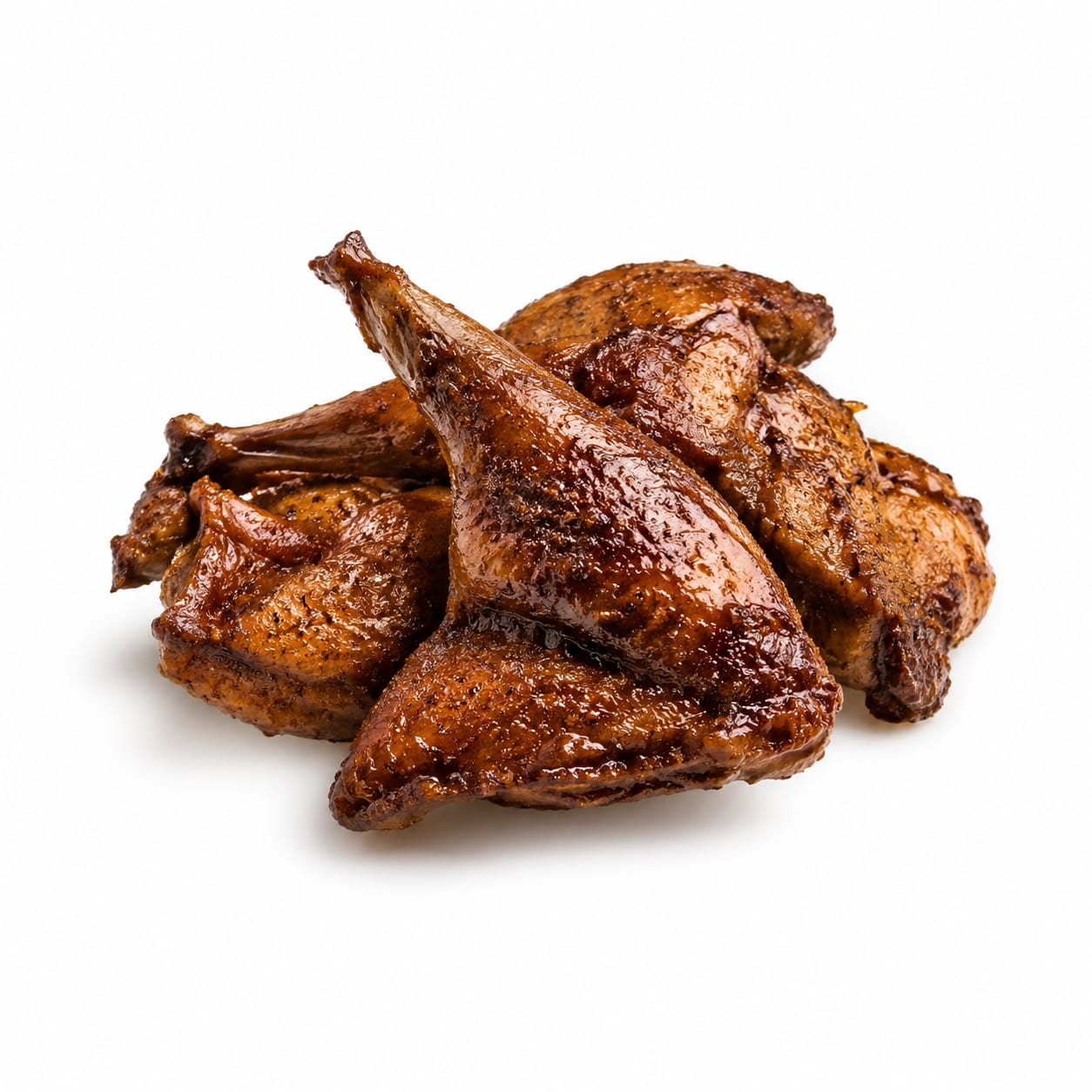
Grouse
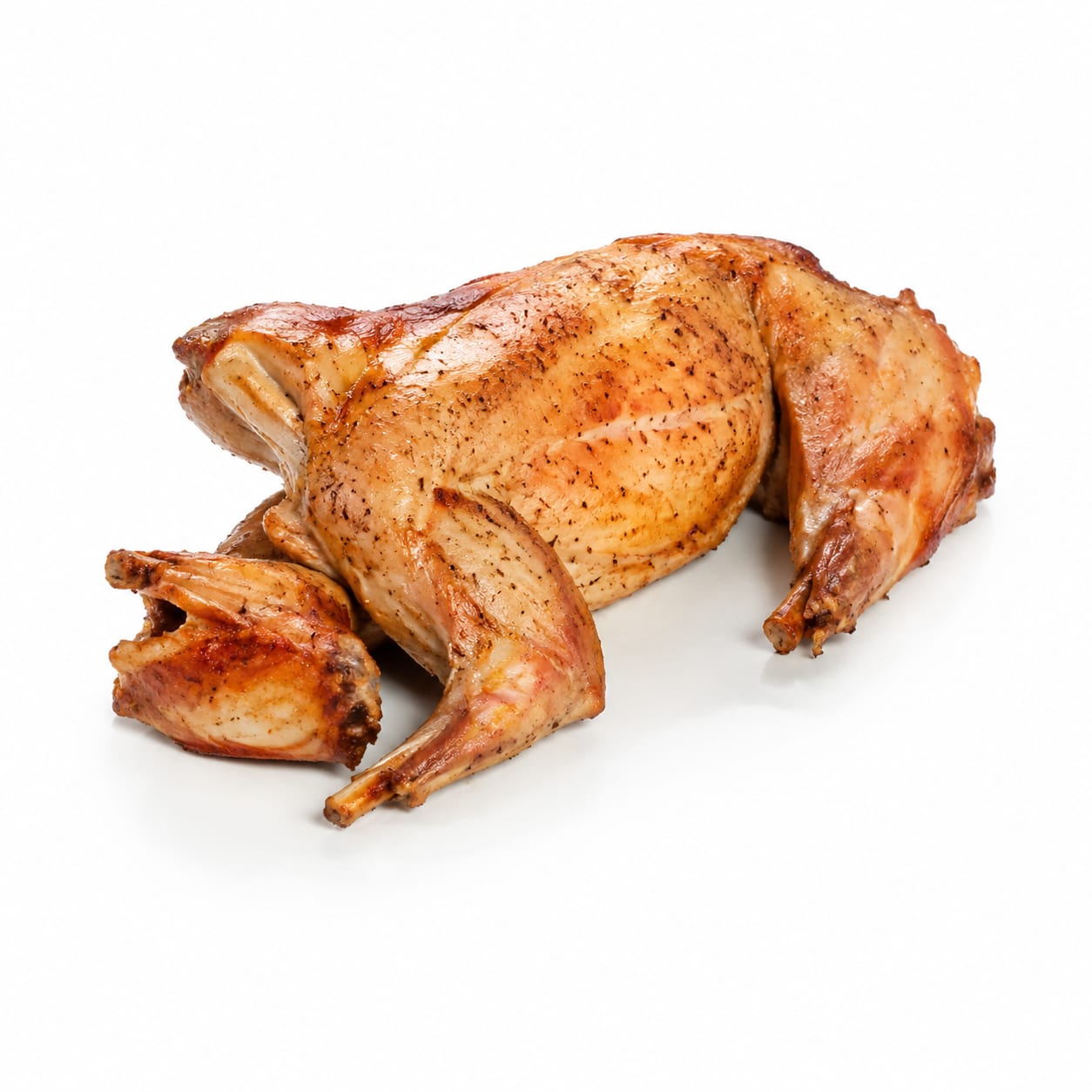
Rabbit
Rabbit is the more practical and versatile lean protein, while Grouse offers richer micronutrients and a more traditional game experience.
Rabbit scores higher due to its superior protein-to-calorie ratio and culinary versatility. Grouse remains an excellent choice but is held back by its strong flavor specificity and lower practicality for everyday meals.
Rabbit's extreme leanness and mild flavor versus Grouse's deeper nutritional profile and intense gamey taste.
At a glance
Executive summary
Overall
Rabbit
Healthier
It depends
More practical
Rabbit
Daily use
Rabbit
Key comparison lenses
Protein quality and leanness for muscle gain
Both are exceptionally lean wild game meats prized for high-quality protein.
Fat content and satiety tradeoffs
Rabbit is so lean it can cause 'rabbit starvation' if eaten alone, while Grouse offers slightly more fat for fullness.
Culinary versatility and flavor adaptation
Grouse has a strong gamey flavor that limits pairings, whereas Rabbit is milder and absorbs sauces well.
Wild game food safety and sourcing
Both carry risks related to wild sourcing, including parasites and lead shot contamination.
Best choice for
Grouse
- Iron-deficient individuals needing a red-meat alternative
- Wild game enthusiasts craving an authentic, rich flavor
- Those eating a low-carb diet needing slightly more natural fat
Rabbit
- Bodybuilders seeking maximum protein with minimal calories
- Families wanting a mild, chicken-like lean meat for stews
- Anyone meal-prepping lean protein for the week
Least suitable for
Grouse
- Picky eaters unaccustomed to strong gamey flavors
- People who easily overcook meat and hate dry textures
Rabbit
- Those eating an exclusively lean meat diet without added fats
- Diners seeking a rich, indulgent tasting bird
Deep comparison
Dimension by dimension
Each lens scores both foods and breaks down who each option suits.
- Dimension 1 · Priority 95Rabbit
Protein Density & Muscle Support
Grouse · 82Rabbit · 92Rabbit packs more protein per calorie than almost any other meat, making it a powerhouse for muscle maintenance.
Tradeoff
You get slightly more protein with Rabbit, but Grouse still delivers highly bioavailable complete protein.
Why it matters
Higher protein density helps you hit daily targets without overshooting calories, which is crucial during cuts.
Real-world impact
A serving of Rabbit keeps you fueled for post-workout recovery without filling your calorie budget.
Grouse
- Maintaining muscle with a slightly more balanced fat profile
Better for
- Slightly lower total protein per serving
Worse for
Rabbit
- Maximizing pure protein intake for bodybuilding
- Keeping calories strictly controlled
Better for
- Requires adding external fats to avoid excessive leanness
Worse for
- Dimension 2 · Priority 90Grouse
Fat Content & Satiety
Grouse · 75Rabbit · 60Grouse carries slightly more natural fat, offering better built-in satiety than the exceptionally lean Rabbit.
Tradeoff
Rabbit's near-zero fat content demands cooking with oils or butter, while Grouse can stand alone better.
Why it matters
Meals without adequate fat often lead to rapid hunger returns and afternoon energy crashes.
Real-world impact
Eating Rabbit for dinner without adding fat might leave you scavenging for snacks an hour later.
Grouse
- Staying full longer on a single-ingredient meal
- Low-carb dieters needing natural fat sources
Better for
- Slightly higher calorie count per serving
Worse for
Rabbit
- Strict calorie counters who want to control every fat gram
Better for
- Risk of 'rabbit starvation' if eaten without fat sources
Worse for
- Dimension 3 · Priority 85Grouse
Micronutrient Density
Grouse · 88Rabbit · 78Grouse provides significantly more iron and B vitamins, especially B12, due to its dark bird meat.
Tradeoff
Rabbit offers solid nutrition but cannot match the iron density found in Grouse.
Why it matters
Iron and B12 are critical for sustained energy and preventing fatigue, especially in dairy-free diets.
Real-world impact
Choosing Grouse helps fight off the midday sluggishness that comes from low iron stores.
Grouse
- Boosting energy levels through dietary iron
- Supporting red blood cell production
Better for
- None significant for typical diets
Worse for
Rabbit
- Delivering selenium and niacin with minimal calories
Better for
- Lower iron content requires pairing with iron-rich sides
Worse for
- Dimension 4 · Priority 80Rabbit
Culinary Versatility & Ease
Grouse · 55Rabbit · 85Rabbit takes well to braising, roasting, and stews, while Grouse is notoriously easy to overcook into dryness.
Tradeoff
Rabbit requires slow cooking to tenderize but forgives timing errors; Grouse cooks fast but punishes overcooking harshly.
Why it matters
A meat that is forgiving and versatile makes weekly meal prep far less stressful.
Real-world impact
You can throw Rabbit into a slow cooker on a busy morning, but Grouse demands precise attention on the stove.
Grouse
- Quick searing for a fast, rustic dinner
Better for
- Very dry and tough if cooked even a few minutes too long
- Intense gamey flavor limits pairing options
Worse for
Rabbit
- Slow-cooked stews and braises
- Adapting to various cuisines and spice blends
Better for
- Tough if rushed and not slow-cooked properly
Worse for
Timeline
Health impact over time
Short-term
Hours to days
Grouse
- Highly satiating due to rich flavor and fat content
- Provides a quick boost in B vitamins for energy
Rabbit
- Extremely light on the stomach due to near-zero fat
- May leave you hungry quickly if eaten without a fat source
Long-term
Months to years
Grouse
- Excellent for maintaining healthy iron stores over time
- Supports sustained energy metabolism
Rabbit
- Fantastic for long-term cardiovascular health due to ultra-low fat
- Requires deliberate dietary fat pairing to avoid malnutrition
Risk profile
Safety & processing
Both Grouse and Rabbit are typically consumed as wild game, meaning they are entirely free of artificial additives, hormones, and antibiotics common in factory farming.
Grouse
Lead shot contamination
mediumWild-hunted Grouse may contain lead fragments, which pose neurological risks, especially to children.
Parasites and bacteria
lowProper cooking eliminates most wild game parasites, but handling raw meat requires strict hygiene.
Rabbit
Tularemia (Rabbit fever)
highWild rabbits can carry this bacterial disease. Always wear gloves when handling raw wild Rabbit and cook thoroughly.
Protein poisoning
mediumEating Rabbit as your sole food source without added fats can lead to 'rabbit starvation,' a form of acute malnutrition.
Who wins for whom
Audience fit
Same foods, different winners depending on your goal.
children
RabbitRabbit's milder flavor resembles chicken, making it far more palatable for kids than the intense taste of Grouse.
daily consumption
RabbitRabbit's versatility and milder flavor make it much easier to incorporate into everyday meals without flavor fatigue.
diabetes
It dependsBoth are zero-carb and will not spike blood sugar; the choice depends on whether you prefer dark meat or white meat.
elderly
RabbitSlow-cooked Rabbit is easier to chew and digest, while Grouse can become too dry and tough for sensitive teeth.
muscle gain
RabbitThe exceptionally high protein-to-calorie ratio supports muscle growth without adding excess body fat.
weight loss
RabbitRabbit offers maximum protein with the absolute lowest calorie and fat count, making it a top-tier weight loss food.
Your move
Decision guide
Choose Grouse
- You crave a rich, authentic wild game experience
- You need a dietary boost in iron and B12
- You are eating a low-carb diet and want slightly more natural fat
Choose Rabbit
- You want the leanest possible protein for weight loss
- You are meal-prepping stews or slow-cooked dishes
- You prefer a mild meat that takes on sauces and spices easily
Either works if
- You are following a zero-carb or keto lifestyle
- You want to avoid factory-farmed meats and antibiotics
Avoid both if
- You are uncomfortable processing or cooking wild game
- You lack access to reliable sources that test for lead and disease
Final recommendation
Choose Rabbit for a practical, everyday lean protein that fits seamlessly into stews and meal prep. Opt for Grouse when you want a nutrient-dense, iron-rich treat with a bold, gamey flavor, but cook it carefully to avoid dryness.
Practical
Consumer tips
- 1
Always cook wild Rabbit thoroughly to eliminate the risk of Tularemia.
- 2
If cooking Grouse, try wrapping it in bacon or basting it to prevent the breast meat from drying out.
- 3
Pair Rabbit with olive oil, avocado, or butter to ensure you get enough dietary fat for long-term satiety.
- 4
Ask your hunter or supplier if the meat has been tested for lead shot fragments, especially if feeding children.