
Nutrition comparison
Grouse vs Quail: Nutrition, Safety, and Which Game Bird to Choose
Compare grouse and quail nutrition, taste, safety, and practicality. Learn which game bird is better for protein, weight loss, and everyday cooking.
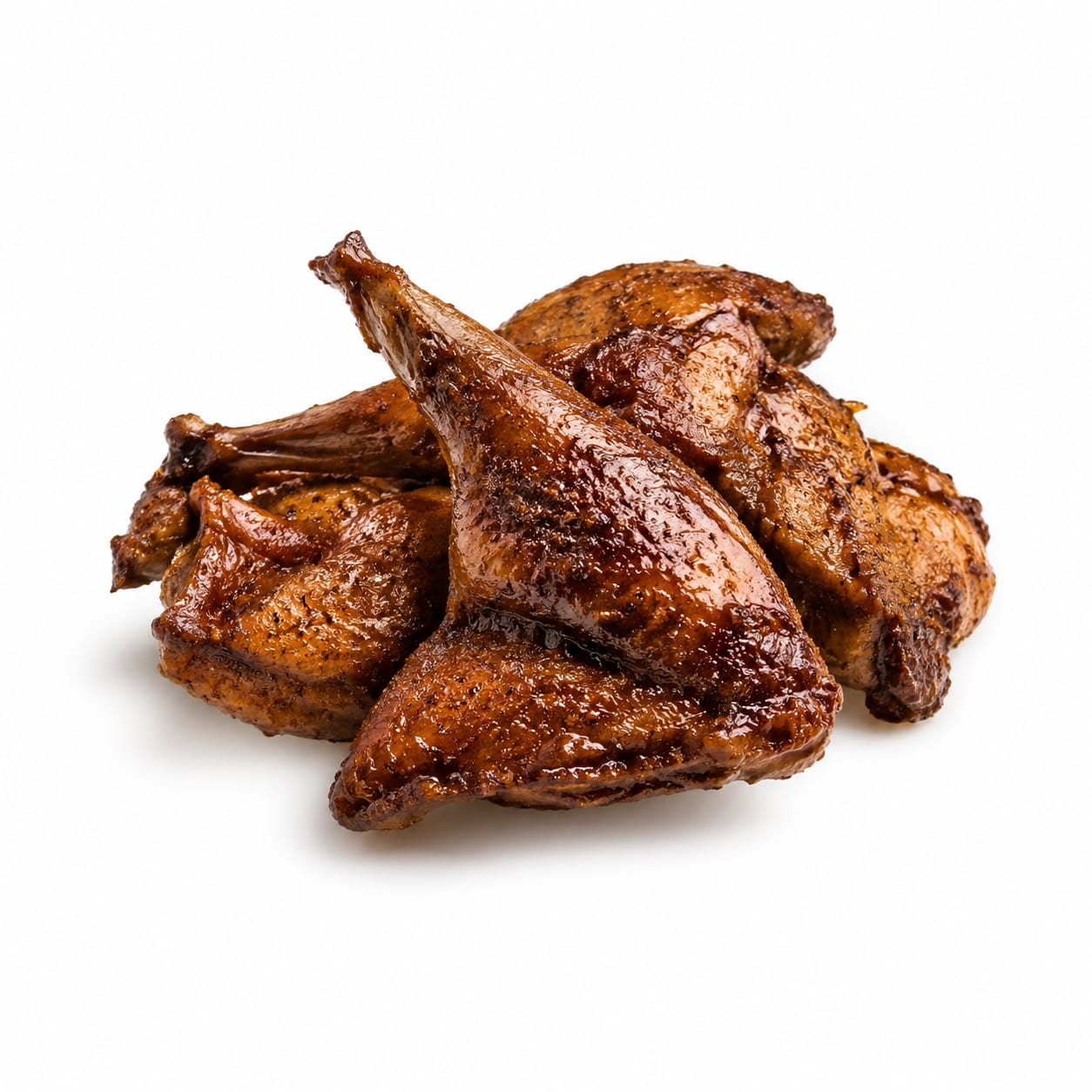
Grouse
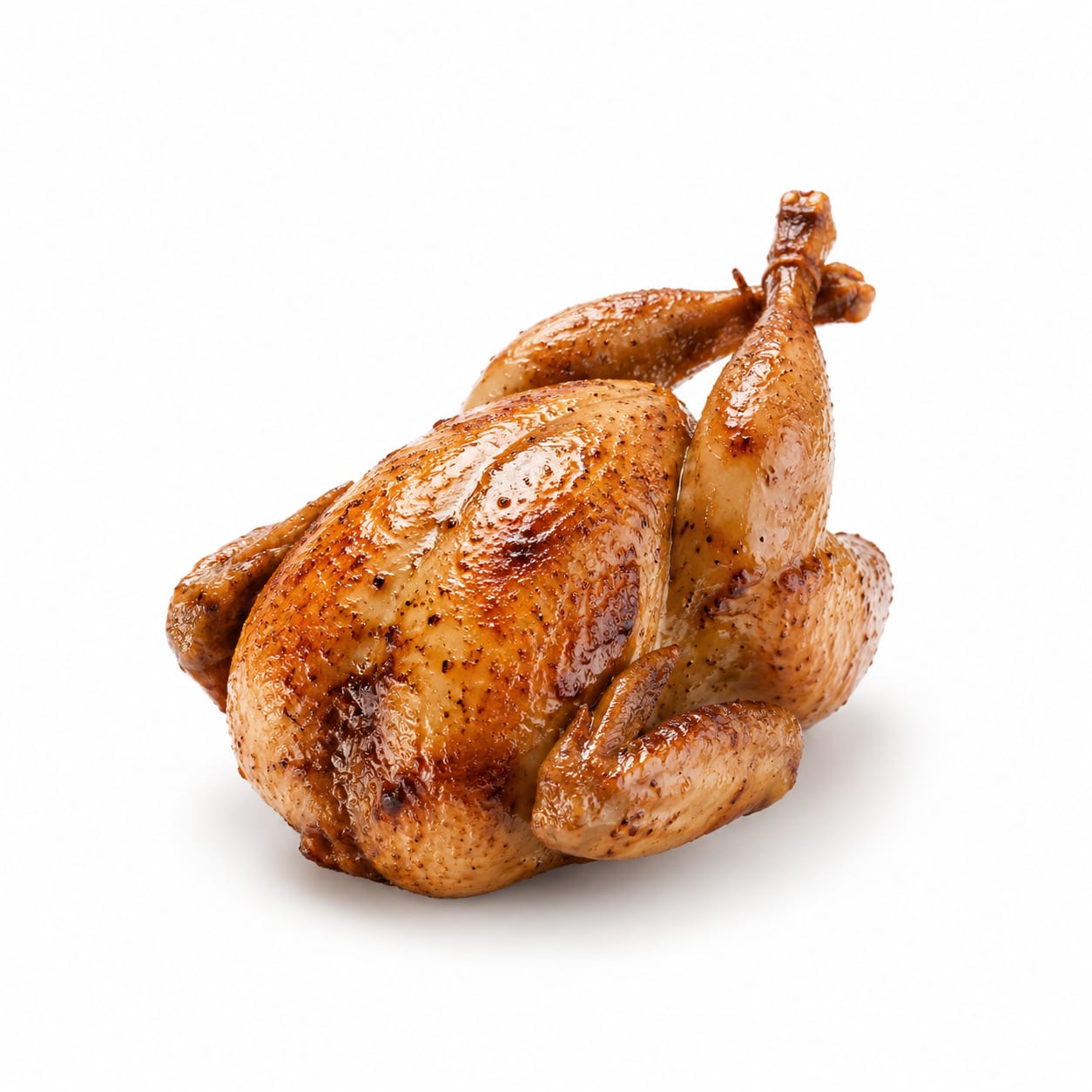
Quail
Grouse wins on portion size and wild-foraged nutrient density, while quail wins on accessibility, safety consistency, and ease of preparation.
Quail edges ahead slightly due to safer sourcing, better availability, and more consistent nutritional profiles. Grouse offers superior per-serving substance and wild nutrient density but carries meaningful safety and access tradeoffs that limit everyday practicality.
Grouse offers a more substantial, nutrient-dense wild meal but carries higher contamination risk and limited availability. Quail is safer, easier to find, but requires multiple birds for a satisfying meal.
At a glance
Executive summary
Overall
It depends
Healthier
It depends
More practical
Quail
Daily use
Quail
Key comparison lenses
Protein quality and satiety from game birds
Both are lean game birds prized for protein; users want to know which delivers better nutritional value per serving
Wild vs farmed sourcing and safety
Grouse is predominantly wild-hunted while quail is commonly farmed, creating significant safety and contamination differences
Practical meal planning and portion adequacy
Quail is tiny and often requires multiple birds per person; grouse offers more substantial portions per bird
Culinary versatility and accessibility
Availability, preparation difficulty, and cooking flexibility differ substantially between these birds
Fat profile and heart health implications
Both are lean but their fat compositions vary based on diet and lifestyle in the wild versus captivity
Best choice for
Grouse
- Wild game enthusiasts seeking nutrient-dense, foraged protein
- Those wanting a single-bird main course with robust flavor
- Hunters or those with direct access to wild game sources
- People prioritizing higher iron and B-vitamin intake from wild diets
Quail
- Home cooks wanting reliable, safe game bird protein
- Families with children who need milder flavors and smaller portions
- Anyone meal prepping with consistent nutritional profiles
- People who want game bird benefits without wild-sourcing risks
Least suitable for
Grouse
- People concerned about lead exposure from wild game
- Those needing consistent, year-round availability
- Beginners uncomfortable with strong gamey flavors
- Anyone on a tight grocery budget
Quail
- Those wanting a single-serving main course from one bird
- People who find fussy, small-bone preparation frustrating
- Diners seeking bold, intense game flavor
- Large families needing cost-effective bulk protein
Deep comparison
Dimension by dimension
Each lens scores both foods and breaks down who each option suits.
- Dimension 1 · Priority 93Grouse
Protein Density and Satiety
Grouse · 82Quail · 74Grouse provides more meat and protein per bird, making it genuinely filling as a main course. Quail requires multiple birds to match the same satiety.
Tradeoff
One grouse satisfies like a chicken thigh; you need three to four quail for equivalent fullness, which increases cost and prep effort.
Why it matters
Satiety per serving determines whether a meal actually holds you or leaves you hunting for snacks an hour later.
Real-world impact
A single roasted grouse makes a complete dinner. With quail, you are likely eating three or four, which changes the calorie and cost math significantly.
Grouse
- Post-workout meals needing substantial protein in one sitting
- Dinners where one protein serving per person is preferred
Better for
- Portion control situations requiring measured small servings
Worse for
Quail
- Lighter meals where smaller protein portions are intentional
- Appetizer or tasting-menu formats
Better for
- Active individuals needing satisfying post-exercise meals
Worse for
- Dimension 2 · Priority 90Quail
Food Safety and Contamination Risk
Grouse · 55Quail · 85Wild grouse frequently carries lead shot fragments and environmental contaminants. Farmed quail offers much more predictable safety standards.
Tradeoff
The wild diet that makes grouse nutritionally interesting also exposes it to uncontrolled environmental hazards that farmed quail avoid.
Why it matters
Lead exposure from game meat is a documented health concern, especially for children and pregnant women. Even small fragments matter over time.
Real-world impact
If you eat wild game regularly, lead fragments accumulate. Farmed quail eliminates this concern entirely, giving you peace of mind with every serving.
Grouse
- Occasional diners who rarely eat wild game
Better for
- People who eat wild game multiple times per month
- Children and pregnant women
Worse for
Quail
- Families with young children
- Pregnant women
- Anyone eating game birds weekly
Better for
- Those who specifically want wild-foraged food authenticity
Worse for
- Dimension 3 · Priority 86Grouse
Nutrient Density and Micronutrients
Grouse · 84Quail · 76Wild grouse forages on diverse vegetation and insects, creating a richer micronutrient profile including more iron, zinc, and B vitamins than typically farmed quail.
Tradeoff
Wild diet boosts nutrients but also introduces variability. Farmed quail gives you consistent but slightly lower micronutrient levels every time.
Why it matters
Iron and B12 from wild game can be meaningfully higher, which matters for energy levels and preventing deficiency, especially on low-red-meat diets.
Real-world impact
If you rely on game birds as a primary protein, grouse delivers more of the minerals that keep energy steady and blood healthy.
Grouse
- People with iron deficiency or low B12
- Those eating limited red meat who need efficient mineral sources
Better for
- Those who need exact micronutrient counts for medical diets
Worse for
Quail
- Anyone needing predictable nutrition labels for medical tracking
Better for
- Individuals counting on game birds to fill iron gaps
Worse for
- Dimension 4 · Priority 82Quail
Accessibility and Practicality
Grouse · 42Quail · 78Quail is available year-round from farms and specialty butchers. Grouse is seasonal, region-limited, and often requires hunter connections.
Tradeoff
Grouse is a special-occasion protein you plan around. Quail is a weeknight option you can actually source when needed.
Why it matters
The healthiest protein only works if you can actually buy and cook it. Accessibility determines whether a food becomes a habit or a rarity.
Real-world impact
You can order quail online or find it at decent butchers any month. Grouse requires timing, luck, or knowing a hunter.
Grouse
- People with direct access to hunting or game dealers
- Adventurous eaters planning special meals
Better for
- Anyone building a consistent weekly meal routine
Worse for
Quail
- Weekly meal planners needing reliable protein sources
- Urban dwellers without game connections
Better for
- Rural cooks who already have wild game access
Worse for
- Dimension 5 · Priority 75It depends
Flavor and Culinary Satisfaction
Grouse · 80Quail · 72Grouse offers deeper, more complex game flavor that enthusiasts crave. Quail is milder and more approachable but less memorable.
Tradeoff
Bold game flavor is either the whole point or a barrier, depending on your palate. There is no middle ground with grouse intensity.
Why it matters
If you do not enjoy eating it, nutritional quality becomes irrelevant. Flavor determines whether a food becomes a staple or sits in the freezer.
Real-world impact
Grouse tastes like the moorland it lived on — rich, earthy, intense. Quail tastes like a delicate, slightly sweet poultry that almost anyone can enjoy.
Grouse
- Experienced game eaters who love intense flavor
- Special occasion dinners where bold taste is the goal
Better for
- People sensitive to strong or unfamiliar flavors
Worse for
Quail
- Game bird newcomers easing into the category
- Family meals with mixed palates
Better for
- Adventurous diners seeking authentic wild taste
Worse for
- Dimension 6 · Priority 70It depends
Fat Profile and Heart Health
Grouse · 73Quail · 75Both are very lean, but farmed quail has slightly more predictable fat composition. Wild grouse fat varies by season and diet, sometimes favorably.
Tradeoff
Wild grouse may have better omega-3 ratios from foraging, but you cannot count on it consistently. Farmed quail delivers reliable leanness every time.
Why it matters
For heart health, consistency matters. A lean bird you eat regularly beats an occasionally superior wild bird you cannot source.
Real-world impact
Both birds are far leaner than chicken thighs or duck. The fat difference between them is small enough that preparation method matters more than the bird itself.
Grouse
- Autumn-harvested grouse with peak forage-fed fat profiles
Better for
- Anyone needing guaranteed low saturated fat per serving
Worse for
Quail
- Year-round heart-conscious eaters needing reliable leanness
Better for
- Those seeking potential omega-3 advantages from wild foraging
Worse for
Timeline
Health impact over time
Short-term
Hours to days
Grouse
- High protein content provides lasting fullness after a single serving
- Rich iron delivery can boost energy within days if you were running low
- Strong game flavor may be off-putting initially if you are accustomed to mild poultry
Quail
- Light, digestible protein that sits comfortably even in smaller appetites
- Mild flavor makes it an easy swap for chicken without digestive surprise
- Multiple birds needed for fullness may lead to unintentional overeating if you lose track
Long-term
Months to years
Grouse
- Regular consumption of wild-hunted grouse may contribute to lead accumulation over time
- Excellent B12 and iron source that could support blood health long-term if sourced carefully
- Seasonal availability limits its role as a reliable dietary staple
Quail
- Consistent lean protein supports muscle maintenance and heart health as a regular dietary choice
- Low contamination risk makes it sustainable for frequent consumption over years
- Predictable nutrient profile helps maintain stable blood work over time
Risk profile
Safety & processing
Both grouse and quail are whole, minimally processed foods. Wild grouse is about as natural as protein gets — foraged, free-ranging, and untouched by agricultural systems. Farmed quail may receive standard poultry feed and supplements, but still arrives as a whole bird without additives.
Grouse
Lead shot fragments
highWild-hunted grouse frequently contains lead shot or fragments that are difficult to fully remove. Even small residual amounts contribute to cumulative lead exposure, which affects neurological health, especially concerning for children and pregnant women.
Environmental contaminants
mediumWild grouse forages freely across potentially contaminated land. Pesticide residue, heavy metals from soil, and agricultural chemical drift are possible depending on the habitat.
Inadequate cold chain
mediumWild game passes through less regulated handling than farmed poultry. Field dressing and transport conditions vary, increasing risk of bacterial growth if temperature control is poor.
Quail
Standard poultry pathogens
mediumLike all poultry, farmed quail can carry Salmonella and Campylobacter. Proper cooking to 165°F eliminates this risk, but cross-contamination during prep remains a concern.
Antibiotic residue
lowSome quail farming operations use antibiotics, though less intensively than chicken operations. Residue levels in final meat are typically within safety limits but worth knowing about.
Feed quality variability
lowFarmed quail diet quality depends on the producer. Lower-quality feed may include GMO soy or rendered ingredients that some consumers prefer to avoid.
Who wins for whom
Audience fit
Same foods, different winners depending on your goal.
children
QuailQuail is milder, safer from contamination, and its small size is fun for kids. Lead risk from wild grouse makes it inappropriate for regular childhood consumption.
daily consumption
QuailConsistent availability, reliable safety, and predictable nutrition make quail a viable regular protein. Grouse is better treated as an occasional specialty.
diabetes
It dependsBoth are excellent low-carb, high-protein options with minimal blood sugar impact. Grouse offers more protein per meal; quail offers more controlled portions. Either works well.
elderly
QuailQuail's tender meat and reliable safety profile suit older adults better. Grouse can be tougher and carries contamination risks that are harder for aging immune systems to manage.
muscle gain
GrouseGrouse delivers more protein per bird and per sitting, which matters for muscle recovery when you want substantial protein without eating multiple small animals.
weight loss
QuailQuail's smaller portions make natural portion control easier, and its reliable leanness removes guesswork. Grouse is also lean but its larger serving size and richer flavor may encourage eating more than planned.
Your move
Decision guide
Choose Grouse
- You have access to lead-free or carefully processed wild grouse
- You want maximum protein and micronutrients from a single serving
- You are an experienced game cook who appreciates bold, complex flavors
- You eat game birds occasionally rather than as a dietary staple
Choose Quail
- You want a game bird you can actually find and cook regularly
- You are feeding children or anyone vulnerable to lead exposure
- You prefer milder flavors that blend into diverse recipes
- You need consistent nutrition for meal planning and health tracking
Either works if
- You simply want lean, high-quality protein and both are available
- You are comfortable cooking game birds and rotating protein sources
- Price and availability are roughly equal where you shop
Avoid both if
- You have gout and are sensitive to purine-rich meats
- You are vegetarian or avoiding all animal protein
- You lack confidence cooking game birds and would likely overcook them into dry disappointment
Final recommendation
For most people, quail is the smarter default. It gives you game bird nutrition with far less safety anxiety and much better availability. Save grouse for autumn special occasions when you can source it from a trusted hunter who uses non-lead ammunition. Both are excellent proteins — the real decision is about how often you want to manage wild-game tradeoffs versus enjoying the consistency of farmed quail.
Practical
Consumer tips
- 1
Ask your game dealer specifically about non-lead ammunition if buying wild grouse — this single question dramatically reduces health risk
- 2
Cut quail backbone out and flatten it (spatchcock) for faster, more even cooking that prevents the common dry-breast problem
- 3
Soak grouse in a mild brine for four hours before cooking to tenderize the lean meat and reduce any bitter gamey edge
- 4
Budget for three to four quail per person for a main course, or two as a starter — this prevents under-ordering and hungry guests
- 5
Freeze wild grouse within two days of receiving it — the lean meat oxidizes faster than chicken and develops off-flavors quickly
- 6
If new to game birds, start with quail and work your way up to grouse — the milder flavor trains your palate gradually