
Nutrition comparison
Grouse vs Pheasant: Nutrition, Taste, and Health Comparison
Compare grouse and pheasant nutrition, protein content, iron levels, safety, and cooking practicality. Find out which game bird is better for your health goals.
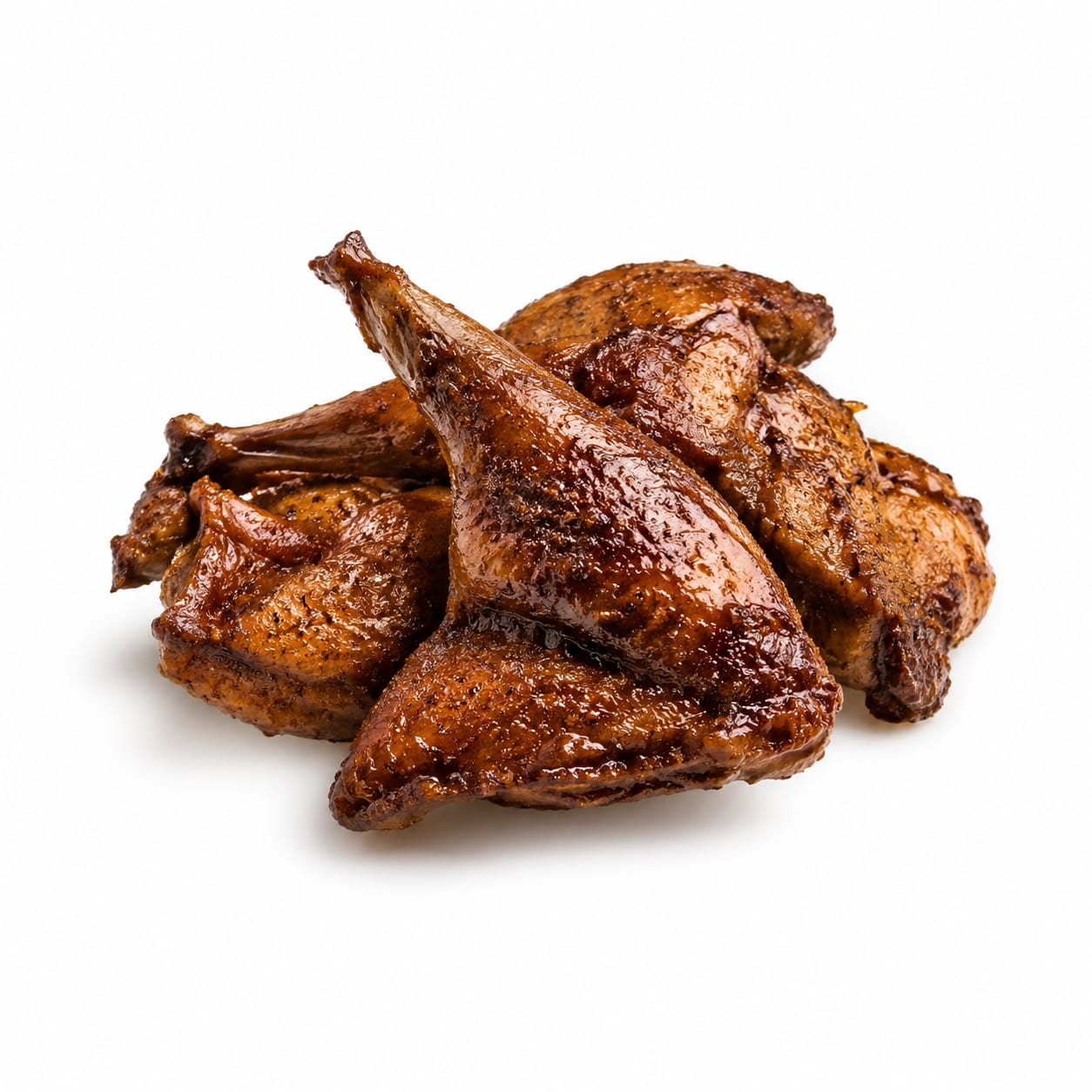
Grouse
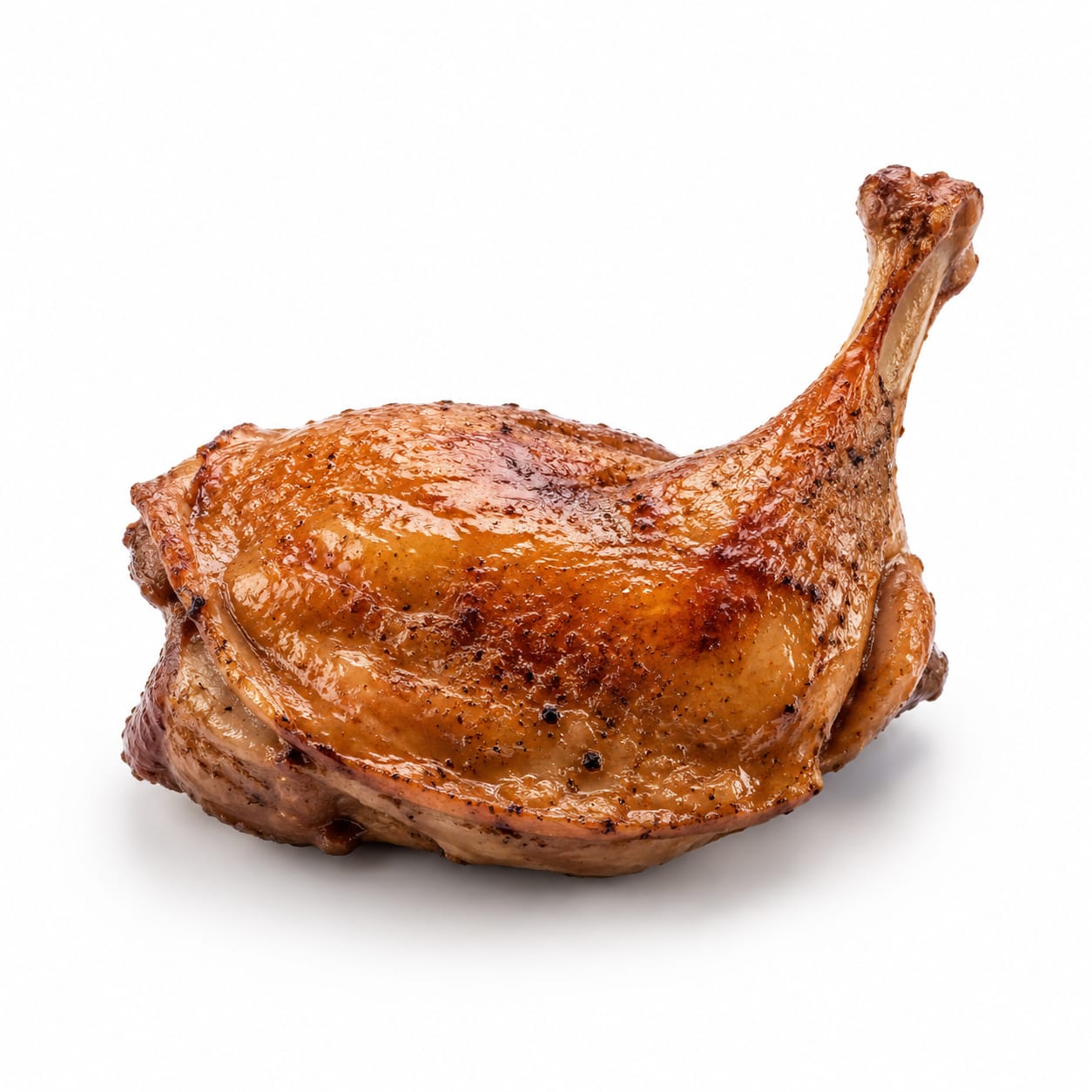
Pheasant
Grouse offers slightly richer micronutrients and a deeper wild flavor, while pheasant is more accessible, milder, and easier to cook well.
Grouse edges ahead on micronutrient density and wild sourcing purity, but pheasant stays competitive through superior accessibility, milder flavor, and cooking ease. The small gap reflects that both are excellent lean proteins with different strengths.
Nutrient density and wild authenticity versus practical availability and cooking forgiveness.
At a glance
Executive summary
Overall
It depends
Healthier
Grouse
More practical
Pheasant
Daily use
Pheasant
Key comparison lenses
lean protein source comparison for game meat enthusiasts
Both are lean game birds primarily chosen for high-quality protein with minimal fat
wild vs farmed sourcing and safety considerations
Grouse is almost exclusively wild-harvested while pheasant is commonly farm-raised, creating distinct safety and nutritional profiles
micronutrient density for health-conscious eaters
Game birds differ meaningfully in iron, selenium, and B-vitamin content which matters for nutrient-focused diets
culinary accessibility and cooking practicality
Availability, ease of preparation, and cooking versatility differ significantly between these birds
environmental and sustainability tradeoffs
Wild-harvested grouse has different ecological implications than commercially raised pheasant
Best choice for
Grouse
- Wild food enthusiasts seeking maximum micronutrient density
- Anemia-prone individuals needing higher heme iron intake
- People avoiding farmed meat and antibiotic exposure
- Keto and low-carb dieters wanting richer dark meat
Pheasant
- Home cooks wanting a reliable lean protein that is easy to prepare
- Families introducing game meat to cautious eaters
- Meal preppers needing consistent availability year-round
- Anyone transitioning from chicken to game birds
Least suitable for
Grouse
- Inexperienced cooks likely to overcook lean game meat
- People sensitive to strong gamey flavors
- Anyone needing reliable grocery store access
- Those concerned about lead shot contamination in wild game
Pheasant
- Purists seeking authentic wild-foraged nutrition
- People avoiding commercially farmed poultry systems
- Those wanting the highest iron content from their meat
- Consumers looking for darker more nutrient-dense game meat
Deep comparison
Dimension by dimension
Each lens scores both foods and breaks down who each option suits.
- Dimension 1 · Priority 90Pheasant
Protein Quality and Content
Grouse · 78Pheasant · 82Pheasant delivers slightly more protein per serving with a marginally better amino acid completeness score, making it a more efficient protein source.
Tradeoff
Grouse has richer dark meat with more myoglobin-bound nutrients, but pheasant breast packs more total protein gram-for-gram.
Why it matters
For muscle maintenance and satiety, higher protein density per calorie helps you hit targets without excess energy intake.
Real-world impact
A pheasant breast gets you closer to your 30g protein meal target with fewer calories than an equivalent grouse portion.
Grouse
- Post-workout meals where micronutrient recovery matters
- Meals where iron and B12 co-delivery with protein is valued
Better for
- Strict macro counting where slightly lower protein creates tracking friction
Worse for
Pheasant
- Lean bulking phases needing maximum protein per calorie
- Meal prep where consistent protein tracking matters
Better for
- Meals where you want darker meat with more mineral co-delivery
Worse for
- Dimension 2 · Priority 85Pheasant
Fat Profile and Leanness
Grouse · 72Pheasant · 80Pheasant is leaner overall with less saturated fat per serving, while grouse carries slightly more fat from its darker, more active muscle fibers.
Tradeoff
Grouse's extra fat carries more flavor and fat-soluble vitamins, but pheasant's leanness makes it more diet-friendly.
Why it matters
For weight management and heart health, lower saturated fat intake per protein serving reduces caloric load without sacrificing nutrition.
Real-world impact
Choosing pheasant saves you roughly 15-20 calories and 1g of saturated fat per serving compared to grouse, which adds up over weekly meal plans.
Grouse
- Cold-weather meals where richer fat content provides satisfying warmth
- Low-carb diets where moderate fat supports ketosis
Better for
- Strict calorie restriction where every gram of fat counts
Worse for
Pheasant
- Calorie-controlled weight loss phases
- Heart-health-conscious meal plans
Better for
- Very low-carb meals where some additional fat improves satiety and flavor
Worse for
- Dimension 3 · Priority 88Grouse
Micronutrient Density
Grouse · 86Pheasant · 75Grouse wins on iron, copper, and several B-vitamins thanks to its darker, more vascularized muscle tissue from a highly active wild lifestyle.
Tradeoff
Pheasant offers more selenium and niacin, but grouse delivers substantially more heme iron and B12, which are harder to obtain from other lean proteins.
Why it matters
Heme iron and B12 are common deficiencies, especially in women and older adults. Getting more from your protein source is a meaningful advantage.
Real-world impact
Regular grouse consumption could meaningfully contribute to preventing iron deficiency fatigue, while pheasant's selenium supports thyroid and immune function.
Grouse
- Women of reproductive age needing iron support
- Older adults at risk for B12 deficiency
- Anyone recovering from blood loss or anemia
Better for
- People with hemochromatosis or iron overload concerns
Worse for
Pheasant
- People focused on thyroid health and antioxidant selenium intake
- Those already meeting iron needs through other sources
Better for
- Vegetarians transitioning to meat who need maximum iron absorption
Worse for
- Dimension 4 · Priority 82Pheasant
Availability and Practicality
Grouse · 40Pheasant · 72Pheasant is commercially farmed and available year-round from specialty suppliers, while grouse is almost entirely wild-harvested with a short seasonal window.
Tradeoff
Grouse's wild exclusivity means better nutrition and no farming concerns, but you can only get it during game season and often at premium prices.
Why it matters
The healthiest protein only works if you can actually buy and cook it regularly. Accessibility determines long-term dietary sustainability.
Real-world impact
You can order farmed pheasant online any month of the year. Grouse requires planning around the August-December UK season or knowing a hunter.
Grouse
- Autumn and winter celebratory meals where seasonal authenticity matters
- Building relationships with local game dealers for peak-quality sourcing
Better for
- Anyone needing consistent weekly protein meal prep
- Summer cooking when grouse is simply unavailable
Worse for
Pheasant
- Weekly meal planning requiring reliable protein sourcing
- Urban dwellers without game butcher access
Better for
- Special occasions where farmed meat feels less authentic
Worse for
- Dimension 5 · Priority 80Pheasant
Food Safety and Contamination Risk
Grouse · 58Pheasant · 74Wild grouse carries lead shot risk and variable environmental contaminant exposure, while farmed pheasant has controlled feed but potential antibiotic residues.
Tradeoff
Grouse avoids antibiotic and farming chemical exposure entirely but faces lead contamination and unpredictable environmental toxins. Pheasant has regulated safety but farmed-poultry risks.
Why it matters
Lead exposure even at low levels affects cognitive function and cardiovascular health over time, making it a serious consideration for frequent game consumers.
Real-world impact
Eating grouse regularly without checking for lead shot or sourcing from steel-shot areas could contribute to low-grade lead accumulation, especially in children.
Grouse
- Avoiding antibiotic-resistant bacteria from farming systems
- Eliminating exposure to poultry feed additives and growth promoters
Better for
- Regular consumers eating multiple game bird meals per week
- Households with young children and pregnant women
Worse for
Pheasant
- Families with children where lead exposure must be minimized
- Consistent food safety standards and inspection guarantees
Better for
- People specifically avoiding all farmed poultry systems
Worse for
- Dimension 6 · Priority 72Pheasant
Culinary Versatility and Cooking Ease
Grouse · 55Pheasant · 78Pheasant's milder flavor and chicken-like cooking behavior make it far more versatile, while grouse requires careful technique to avoid drying out.
Tradeoff
Grouse rewards skilled cooks with extraordinary depth of flavor, but punishes mistakes with dry, tough results. Pheasant is more forgiving and adaptable.
Why it matters
A protein you cook well and enjoy eating consistently beats a nutritionally superior option that intimidates you into ordering takeout instead.
Real-world impact
Pheasant works in stir-fries, curries, roasts, and grills with minimal recipe adjustment. Grouse really shines roasted or braised with specific game accompaniments.
Grouse
- Experienced cooks wanting to showcase premium game cuisine
- Dinner parties where bold flavor makes a memorable impression
Better for
- Beginner cooks likely to overcook lean dark meat
- Quick meal situations requiring fast forgiving preparations
Worse for
Pheasant
- Weeknight dinners needing quick reliable results
- Recipe experimentation across different cuisines
Better for
- Occasions where mildness reads as bland rather than versatile
Worse for
Timeline
Health impact over time
Short-term
Hours to days
Grouse
- High protein and iron content supports sustained energy without blood sugar spikes
- Rich B-vitamin profile may reduce fatigue after physically demanding days
- Strong umami flavor increases meal satisfaction with smaller portions
Pheasant
- Lean protein provides steady satiety without heaviness after eating
- Mild flavor makes it easy to pair with fiber-rich sides for balanced meals
- Low fat content means less post-meal digestive sluggishness
Long-term
Months to years
Grouse
- Superior heme iron intake supports prevention of iron deficiency anemia over years
- Potential low-level lead accumulation if consuming wild-shot birds frequently without precautions
- Absence of farmed poultry antibiotics reduces antimicrobial resistance exposure risk
Pheasant
- Consistent lean protein intake supports healthy body composition maintenance
- Selenium content contributes to long-term thyroid and immune system resilience
- Possible exposure to farmed poultry antibiotic residues if sourcing from intensive operations
Risk profile
Safety & processing
Both birds are minimally processed whole foods. Grouse has the edge as a truly wild product with no farming inputs whatsoever, while farmed pheasant may receive standard poultry feed and health treatments but still arrives as a clean whole-meat product.
Grouse
Lead shot contamination
mediumWild grouse are commonly harvested with lead ammunition. Fragments can remain in meat even after visible shot removal, posing cumulative exposure risk especially with frequent consumption.
Environmental contaminant variability
lowWild birds forage freely, meaning exposure to pesticides, heavy metals, or toxins in habitat cannot be fully controlled or monitored.
Inadequate cold chain during field dressing
mediumWild-harvested birds may have delayed cooling after harvest, increasing bacterial growth risk if not handled promptly by experienced processors.
Pheasant
Antibiotic residue exposure
lowCommercially farmed pheasant may receive antibiotics, though residues in meat are regulated. Choosing organic or antibiotic-free sources eliminates this concern.
Campylobacter and Salmonella
mediumLike all poultry, farmed pheasant carries standard bacterial contamination risk requiring proper handling and thorough cooking.
Farming density and disease
lowIntensively farmed pheasant can experience higher disease pressure, though this is more an animal welfare concern than a direct food safety issue for consumers.
Who wins for whom
Audience fit
Same foods, different winners depending on your goal.
children
PheasantMilder flavor is more kid-friendly, and avoiding lead contamination risk from wild shot makes it safer for developing nervous systems.
daily consumption
PheasantConsistent availability, easier cooking, and lower contamination risk make pheasant more sustainable as a regular protein staple.
diabetes
It dependsBoth are excellent zero-carb protein sources with minimal blood sugar impact. Grouse's extra iron may benefit diabetics with anemia, while pheasant's leanness supports weight management.
elderly
GrouseGrouse's superior B12 and iron content addresses common elderly deficiencies, provided lead exposure is managed through careful sourcing.
muscle gain
PheasantSlightly higher protein content per serving and milder flavor that supports eating larger quantities more comfortably.
weight loss
PheasantPheasant's lower calorie density and higher protein per gram make it easier to maintain a caloric deficit while staying satisfied.
Your move
Decision guide
Choose Grouse
- You value wild-sourced nutrition and can source from steel-shot or carefully checked game suppliers
- Iron and B12 intake are personal health priorities for you
- You enjoy bold gamey flavors and have the cooking skills to do them justice
- Seasonal eating appeals to you and you plan meals around autumn game availability
Choose Pheasant
- You want a lean versatile protein you can actually find and cook any week of the year
- Your household includes children or pregnant women where lead avoidance matters
- You prefer milder flavors that work across many recipes and cuisines
- Consistent meal planning and reliable nutrition tracking are important to you
Either works if
- You simply want a high-quality lean protein that beats standard chicken on nutrient density
- Both are available and you enjoy varying your protein sources for dietary diversity
- You eat game meat occasionally rather than as a daily staple
Avoid both if
- You have gout and need to limit purine-rich meats
- You follow a plant-based diet for ethical or health reasons
- You have severe poultry allergies that cross-react with game birds
Final recommendation
For most people seeking a practical upgrade from chicken, pheasant is the smarter regular choice. It delivers excellent lean protein with reliable access and easier cooking. Save grouse for special occasions during game season when you can source it carefully and cook it with the attention it deserves. If you do eat grouse regularly, prioritize steel-shot suppliers and vary your protein sources to manage lead exposure.
Practical
Consumer tips
- 1
When buying grouse, ask your game dealer specifically about steel shot versus lead shot to reduce contamination risk
- 2
Farmed pheasant labeled as free-range or organic will generally have better welfare standards and fewer antibiotic concerns
- 3
Both birds benefit from cooking with added moisture — try wrapping in bacon or braising in stock to prevent dryness
- 4
If new to game birds, start with pheasant and work your way toward grouse's stronger flavor gradually
- 5
Pair either bird with iron-absorbing sides like roasted root vegetables and dark leafy greens for a nutrient-multiplier effect
- 6
Freeze game birds within 48 hours of purchase and use within 6 months for best texture and flavor retention