
Nutrition comparison
Grouse vs Duck: Which Is Healthier and When to Choose Each
Compare grouse and duck nutrition including calories, protein, fat, and health benefits. Learn which lean game bird or rich poultry fits your diet goals best.
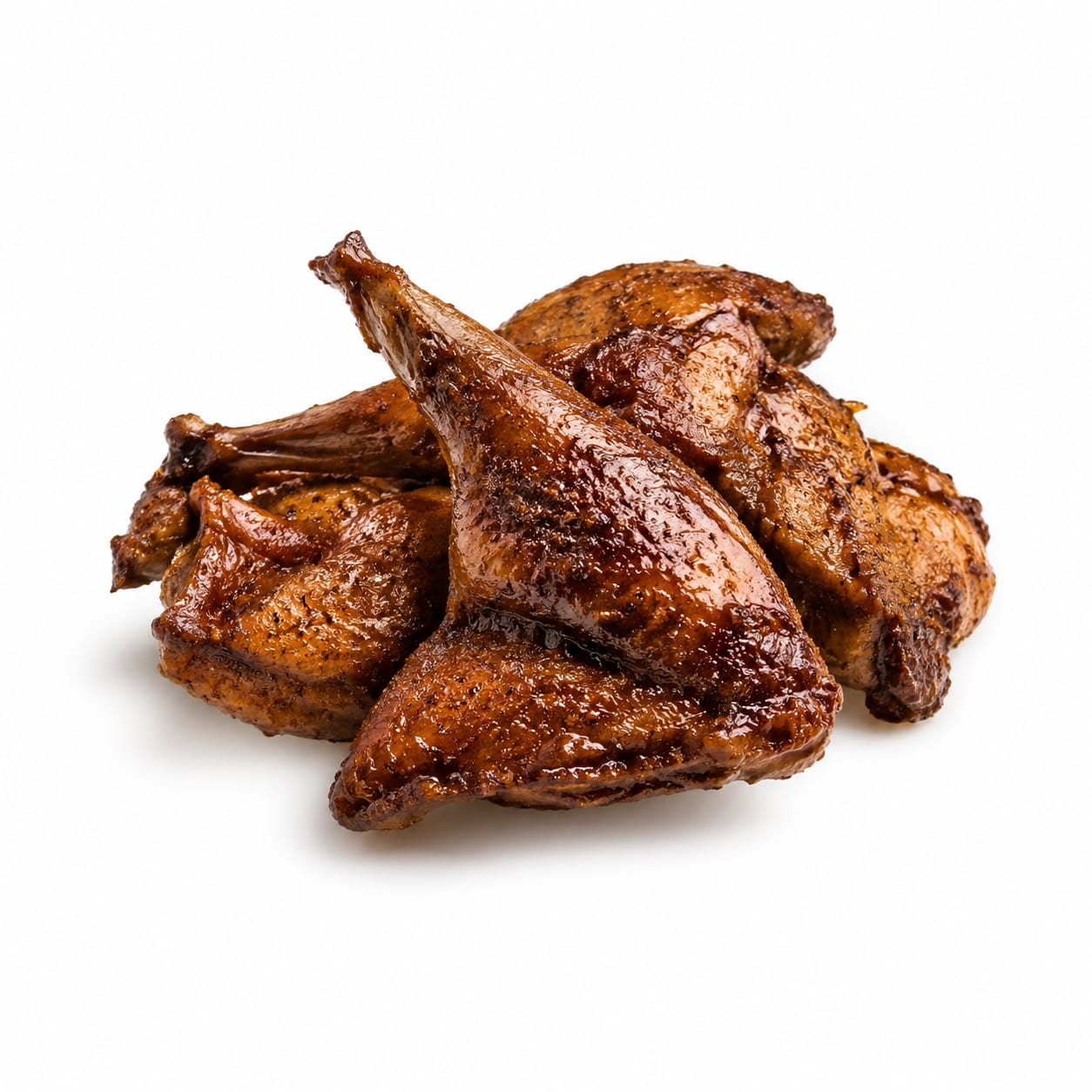
Grouse
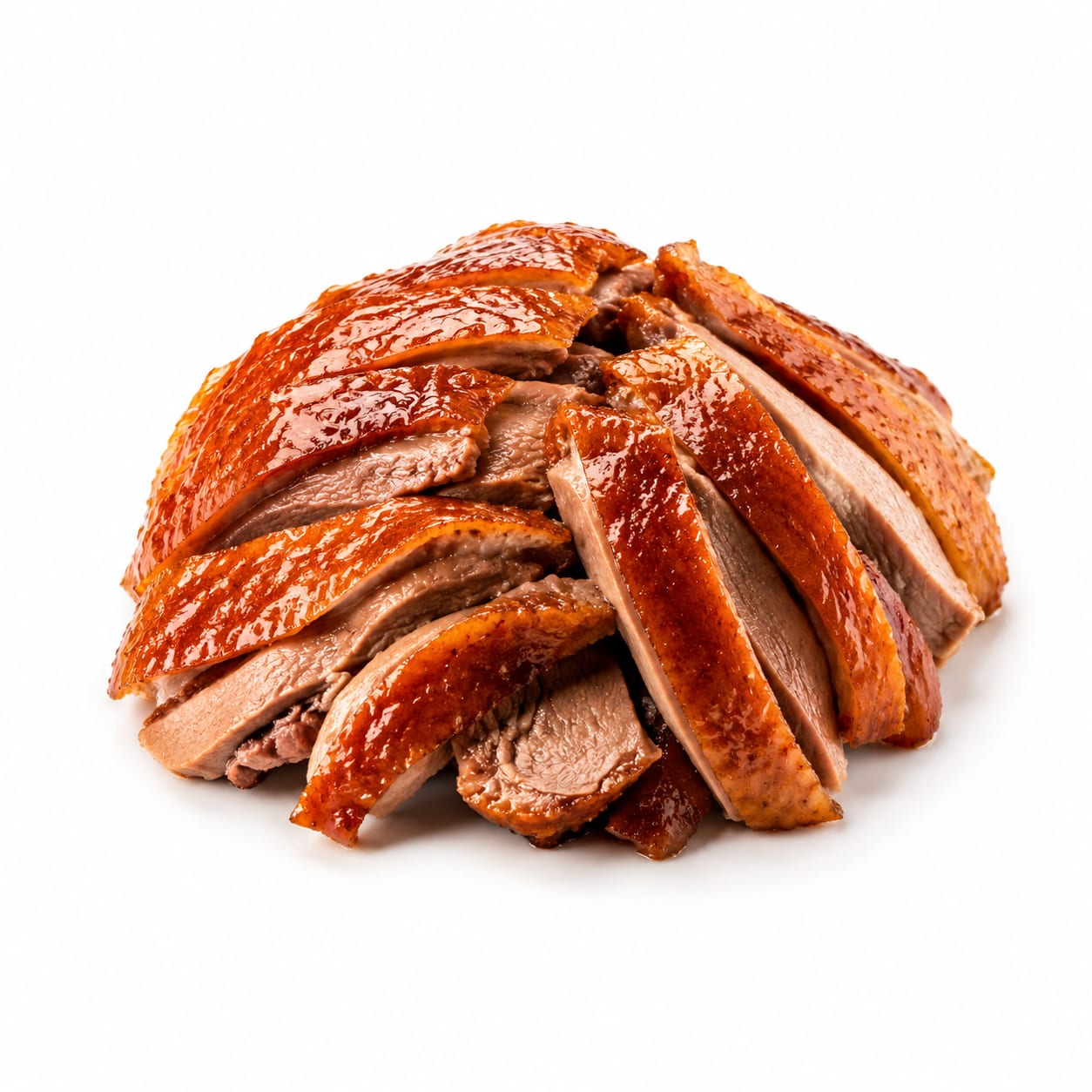
Duck
Grouse is the lean, clean protein pick; duck is the richer, more satisfying option with higher calories and fat.
Grouse scores higher for leanness and cleaner macronutrient ratios, but duck's availability, satiety value, and culinary flexibility narrow the gap significantly for everyday use.
You trade calories and leanness for flavor depth and satiety. Grouse keeps your plate light; duck makes your meal feel indulgent and filling.
At a glance
Executive summary
Overall
It depends
Healthier
Grouse
More practical
Duck
Daily use
Duck
Key comparison lenses
Lean game meat vs richer poultry for health-conscious eating
Grouse is extremely lean wild game while duck is notably fatty, making this a classic lean-vs-rich protein decision
Fat and calorie tradeoffs for weight management
The calorie gap between these two is dramatic and directly impacts daily intake goals
Wild game safety versus farmed poultry risks
Grouse is typically wild-harvested while duck is commonly farmed, creating different contamination profiles
Culinary versatility and meal planning practicality
Duck is widely available and adaptable; grouse is seasonal and niche, affecting how easily each fits into regular cooking
Best choice for
Grouse
- People tracking calories strictly
- Lean protein seekers after workouts
- Anyone managing heart health through fat intake
- Hunters and wild food enthusiasts
- Those following low-fat dietary approaches
Duck
- Home cooks wanting rich, satisfying meals
- People who struggle to feel full on lean meats
- Those prioritizing iron and B-vitamin intake
- Keto or low-carb dieters embracing higher fat
- Anyone meal-prepping versatile protein
Least suitable for
Grouse
- People uncomfortable cooking game meat
- Anyone needing widely available ingredients year-round
- Those wanting easy, forgiving proteins for weeknight cooking
- Diners sensitive to strong or gamy flavors
Duck
- People strictly limiting saturated fat
- Anyone counting calories closely
- Those avoiding rich, heavy meals before active periods
- Diners seeking light, clean-tasting protein
Deep comparison
Dimension by dimension
Each lens scores both foods and breaks down who each option suits.
- Dimension 1 · Priority 93Grouse
Protein Quality & Leanness
Grouse · 88Duck · 62Grouse delivers more protein per calorie with minimal fat, making it one of the leanest meats available. Duck carries significant fat, especially under the skin.
Tradeoff
Grouse gives you cleaner protein numbers but can taste dry without careful cooking. Duck's fat keeps it juicy but adds calories fast.
Why it matters
If you are tracking macros or trying to keep meals light, this difference compounds quickly across a week of eating.
Real-world impact
A grouse breast feels like eating chicken — light and clean. A duck breast feels closer to steak — rich and coating.
Grouse
- Post-workout recovery meals
- Lean bulk phases
- Calorie-controlled meal plans
Better for
- Meals where dryness would ruin the experience
- Dishes relying on rendered fat for flavor
Worse for
Duck
- High-fat low-carb meal plans
- Meals where satisfaction matters more than macros
- Slow-cooked dishes where fat adds richness
Better for
- Fat-restricted medical diets
- Meals needing a light, clean finish
Worse for
- Dimension 2 · Priority 89Grouse
Calorie Density & Weight Management
Grouse · 85Duck · 48Grouse is significantly lower in calories per serving. Duck, especially skin-on, can deliver nearly double the calories of comparable lean poultry.
Tradeoff
You can eat more grouse volume for fewer calories, but duck's fat makes smaller portions feel more complete and satisfying.
Why it matters
For anyone managing weight, this is the most consequential difference between the two.
Real-world impact
A grouse dinner leaves room for sides and dessert. A duck dinner might be your entire calorie budget for that meal.
Grouse
- Consistent calorie deficit eating
- Volume eaters who like larger portions
- Multiple-meal daily planners
Better for
- Anyone struggling to eat enough calories
- Active individuals needing energy-dense meals
Worse for
Duck
- One-meal-a-day eaters needing calorie density
- Those who prefer smaller portions that feel substantial
Better for
- Mindless eaters who consume beyond hunger
- Late meals before sedentary evenings
Worse for
- Dimension 3 · Priority 82Duck
Satiety & Fullness
Grouse · 60Duck · 84Duck's higher fat content slows digestion and keeps you full longer. Grouse digests quickly and may leave you hungry sooner.
Tradeoff
Duck keeps you satisfied but costs more calories. Grouse is lighter but may require larger portions or side dishes to feel full.
Why it matters
Satiety is the difference between a meal that holds you and one that has you snacking two hours later.
Real-world impact
After duck, you are likely done eating for hours. After grouse, you might be looking for a snack by mid-afternoon.
Grouse
- Light lunches before active afternoons
- Multi-course meals where heaviness is unwanted
Better for
- Anyone prone to between-meal hunger
- Active people needing lasting fuel
Worse for
Duck
- Long days between meals
- Appetite management without snacking
- Dinner as your main daily meal
Better for
- Meals before physical activity
- Hot days when heavy food feels oppressive
Worse for
- Dimension 4 · Priority 76Duck
Micronutrient Density
Grouse · 68Duck · 78Duck provides more iron, zinc, and B vitamins, particularly B12, partly because its higher fat content carries fat-soluble nutrients. Grouse is still nutrient-rich but offers less per serving.
Tradeoff
Duck's micronutrient edge comes packaged with more calories. Grouse gives you solid nutrition in a leaner package.
Why it matters
Iron and B12 are common deficiencies, especially for people limiting red meat. Duck can help fill those gaps more effectively.
Real-world impact
If you rarely eat red meat, duck is a tastier way to boost iron than supplements. Grouse helps too, but you would need to eat more of it.
Grouse
- Nutrient-conscious eaters already meeting iron needs
- Those getting B12 from other sources
Better for
- Anyone relying on a single protein source for iron
Worse for
Duck
- People with low iron or B12 concerns
- Those avoiding red meat but needing similar nutrients
- Women with higher iron requirements
Better for
- Those already meeting micronutrient needs through supplements or varied diet
Worse for
- Dimension 5 · Priority 80Duck
Practicality & Availability
Grouse · 35Duck · 82Duck is available in most grocery stores year-round. Grouse is seasonal, regional, and often requires specialty butchers or direct hunter connections.
Tradeoff
Duck is easy to find and plan around. Grouse rewards effort with a unique eating experience but demands planning and often higher cost.
Why it matters
The healthiest protein only matters if you can actually buy and cook it regularly.
Real-world impact
You can decide to cook duck tonight and find it at the store. Grouse requires advance planning and often a waiting season.
Grouse
- Autumn hunting season eaters
- Culinary adventurers seeking variety
- Rural communities with game access
Better for
- Anyone without specialty butcher access
- Spontaneous cooks who shop day-of
Worse for
Duck
- Weeknight meal planners
- Urban shoppers relying on standard grocery stores
- Consistent meal preppers
Better for
- Those seeking novelty and variety in protein sources
Worse for
- Dimension 6 · Priority 72Duck
Culinary Versatility & Forgiveness
Grouse · 45Duck · 80Duck fat renders beautifully for roasting, confit, and stir-fries. Grouse is easy to overcook and offers fewer cooking methods that work well.
Tradeoff
Duck forgives cooking mistakes and enhances other ingredients. Grouse demands precision but delivers a clean, distinctive flavor when done right.
Why it matters
A protein you enjoy cooking is one you will actually eat. Frustration in the kitchen kills consistency.
Real-world impact
Duck fat can roast your potatoes and sear your vegetables. Grouse gives you one good pan sauce if you are careful.
Grouse
- Experienced cooks comfortable with game
- Simple preparations like roasting or pan-searing
Better for
- Distraction-prone cooks who overcook
- Recipes requiring forgiving proteins
Worse for
Duck
- Beginner to intermediate home cooks
- Multi-component meals using rendered fat
- Slow cooking and braising applications
Better for
- Quick-cooking weeknight recipes where fat rendering is impractical
Worse for
Timeline
Health impact over time
Short-term
Hours to days
Grouse
- Light, clean energy without heaviness after eating
- Quick digestion — may feel hungry again within 2-3 hours
- Low risk of post-meal sluggishness or food coma
Duck
- Extended fullness lasting 4-5 hours or more
- Possible heaviness or drowsiness after large portions
- Rich satisfaction that reduces snacking urges
Long-term
Months to years
Grouse
- Easier weight maintenance due to lower calorie intake
- Lower saturated fat exposure supports cardiovascular health
- Potential monotony if relied on as sole protein due to limited availability
Duck
- Higher saturated fat intake may impact cholesterol over time if eaten frequently
- Better iron stores and B12 status, especially valuable for menstruating women
- Risk of gradual calorie creep if portions are not managed
Risk profile
Safety & processing
Both grouse and duck are whole, minimally processed meats. Grouse is almost exclusively wild, meaning no antibiotics or added hormones. Farmed duck may have antibiotic exposure depending on sourcing, though standards vary. Always check sourcing labels for duck if this concerns you.
Grouse
Lead shot contamination
mediumWild-harvested grouse may contain lead fragments from ammunition. Avoid eating visible shot and check meat carefully during preparation.
Inadequate field dressing
mediumImproper handling in the field can introduce bacteria. Ensure proper cooling and processing if harvesting yourself.
Parasites and wildlife disease
lowWild game carries slightly higher parasite risk than farmed poultry. Thorough cooking eliminates this concern.
Duck
Antibiotic residues in farmed duck
lowSome commercial duck operations use antibiotics. Choose organic or verified antibiotic-free sources when possible.
Undercooking and foodborne illness
mediumDuck, like all poultry, requires proper cooking to at least 165°F to eliminate salmonella and campylobacter risks.
High fat storing environmental contaminants
lowDuck's fat content can accumulate environmental pollutants. This is more relevant for wild duck than farmed varieties.
Who wins for whom
Audience fit
Same foods, different winners depending on your goal.
children
DuckDuck's richer flavor and higher fat content are more appealing to most children, and its iron and B12 content supports growing bodies effectively.
daily consumption
DuckDuck's availability, cooking versatility, and satiety make it more sustainable as a regular protein. Grouse's seasonality and limited access make daily use impractical.
diabetes
GrouseGrouse's near-zero carbohydrate content and lower fat load places less stress on insulin sensitivity compared to duck's higher saturated fat.
elderly
DuckDuck's softer texture when slow-cooked and higher micronutrient density per bite benefits older adults with smaller appetites and higher nutrient needs.
muscle gain
GrouseHigher protein-to-calorie ratio supports lean muscle building without excess calorie accumulation, though both provide adequate protein.
weight loss
GrouseGrouse's dramatically lower calorie and fat content makes it far easier to fit into a calorie deficit without sacrificing protein intake.
Your move
Decision guide
Choose Grouse
- You are counting calories or managing your weight actively
- You want the cleanest, leanest protein possible
- You have access to quality game meat and enjoy cooking it
- Heart health is a priority and you limit saturated fat
- You enjoy the distinct, earthy flavor of wild game
Choose Duck
- You want a satisfying protein that keeps you full for hours
- You value culinary versatility and rich flavor
- You need a protein you can buy any day at a regular store
- You are cooking for others, including children or picky eaters
- You follow a higher-fat, lower-carb eating approach
Either works if
- You simply want a high-quality whole protein and both are available
- You rotate proteins regularly and neither will dominate your diet
- You are eating for enjoyment rather than strict dietary goals
Avoid both if
- You follow a plant-based or vegetarian diet
- You have severe poultry allergies
- You require extremely low-purine foods for gout management
Final recommendation
For everyday eating, duck is the more practical and satisfying choice. For health-optimized lean protein when you can find it, grouse is the cleaner pick. The best approach is using duck as your regular poultry and enjoying grouse as a seasonal specialty when available.
Practical
Consumer tips
- 1
If cooking grouse, avoid overcooking — pull it from heat slightly before you think it is done, as carryover heat will finish it
- 2
Render duck fat from skin-on pieces and use it to roast vegetables for incredible flavor with no waste
- 3
Ask your butcher about sourcing for duck — antibiotic-free and free-range options are increasingly common
- 4
If buying wild grouse, check carefully for lead shot fragments before cooking and discard any suspicious pieces
- 5
Pair grouse with a healthy fat source like olive oil or avocado to improve satiety without adding much cooking complexity
- 6
For duck, removing the skin before eating cuts calories and fat significantly while keeping most of the protein and micronutrients