
Nutrition comparison
Grouse vs Cornish Hen: Nutrition, Taste, and Health Comparison
Compare Grouse vs Cornish Hen to see which poultry is healthier. Learn about protein, fat, taste, and which bird fits your diet best.
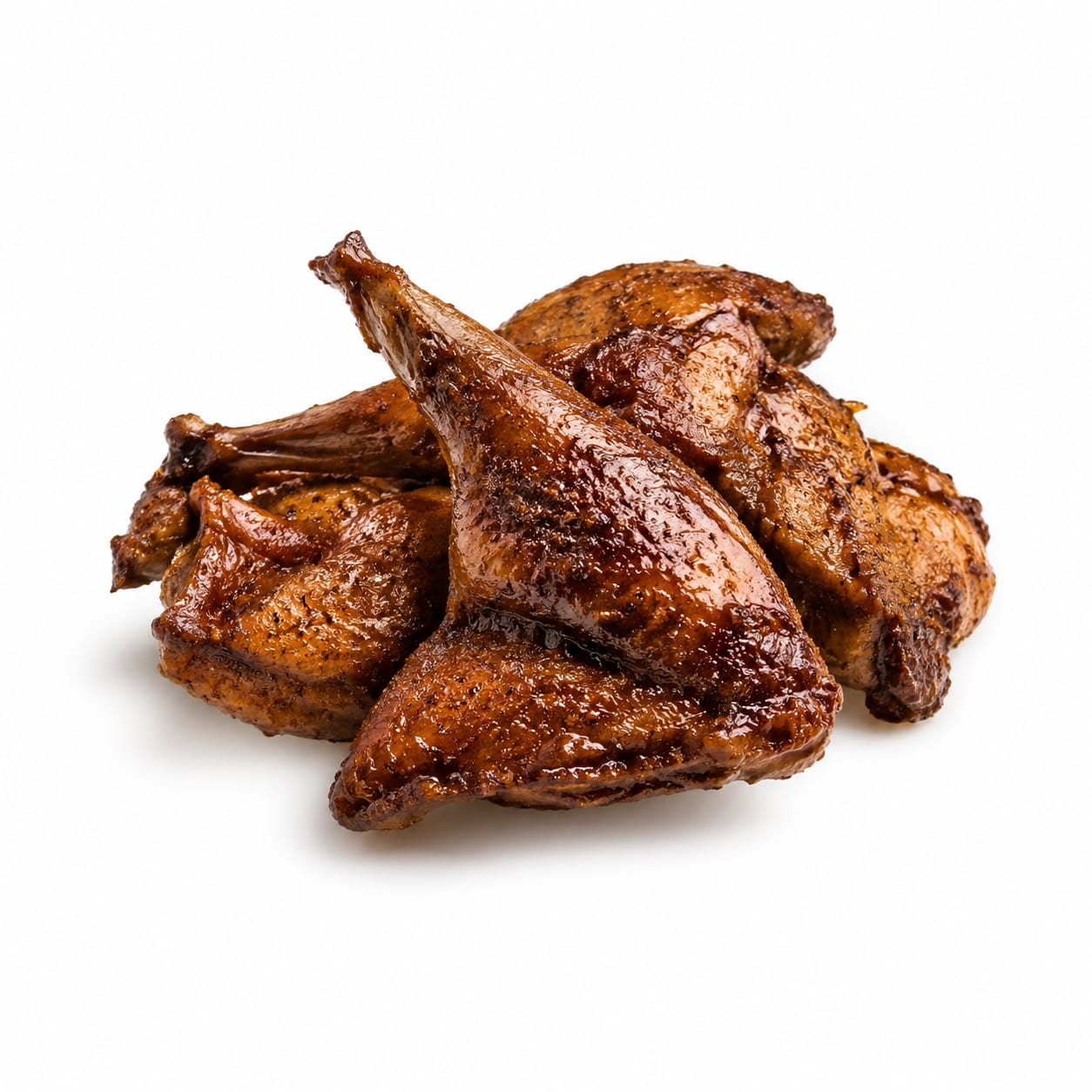
Grouse
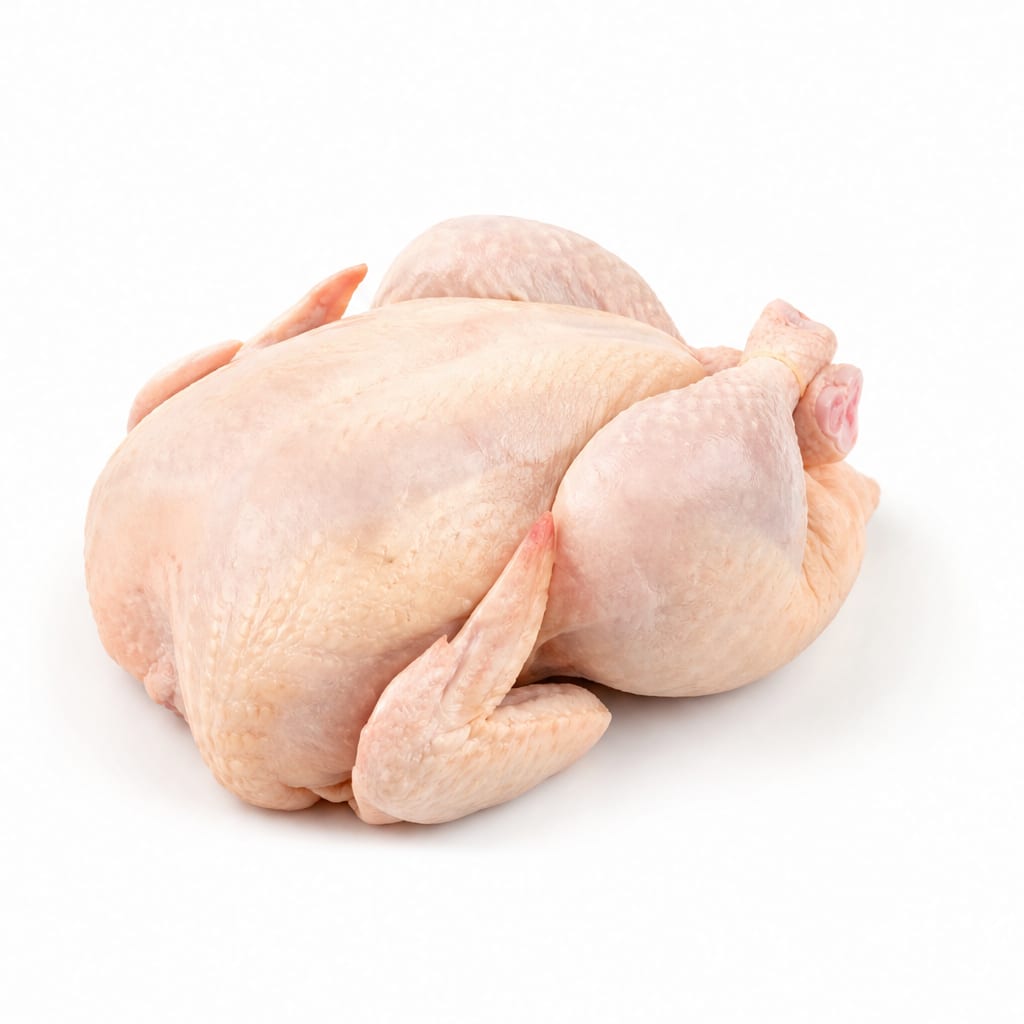
Cornish Hen
Grouse delivers a leaner, iron-rich wild game experience, while Cornish Hen offers tender, mild, and widely accessible poultry.
Grouse edges ahead on nutritional density and leanness, but Cornish Hen stays competitive due to its practicality, tender texture, and broader culinary appeal.
Intense wild flavor and superior leanness versus mild taste, tender texture, and everyday convenience.
At a glance
Executive summary
Overall
It depends
Healthier
Grouse
More practical
Cornish Hen
Daily use
Cornish Hen
Key comparison lenses
Wild game vs farmed poultry nutritional density
Grouse is a wild foraging bird with a highly active lifestyle, resulting in drastically different fat and micronutrient profiles compared to sedentary farmed Cornish Hens.
Flavor intensity and culinary application
Grouse has a distinct, earthy game flavor that requires specific cooking techniques, whereas Cornish Hen is mild and universally adaptable.
Sourcing convenience and food safety
Cornish Hen is a grocery store staple, while Grouse is seasonal and carries specific wild-game safety considerations like lead shot.
Best choice for
Grouse
- Wild game enthusiasts seeking bold flavors
- Low-fat dieters needing high protein
- Individuals looking to boost dietary iron
Cornish Hen
- Families needing mild, kid-friendly proteins
- Meal preppers wanting consistent availability
- Home cooks seeking forgiving, easy-to-roast birds
Least suitable for
Grouse
- Picky eaters averse to gamey flavors
- Shoppers needing quick, local grocery runs
- Those concerned about lead exposure in wild game
Cornish Hen
- Strict low-fat dieters who eat poultry with the skin on
- Consumers avoiding conventionally farmed poultry
Deep comparison
Dimension by dimension
Each lens scores both foods and breaks down who each option suits.
- Dimension 1 · Priority 90Grouse
Protein & Micronutrient Density
Grouse · 88Cornish Hen · 80Grouse packs more protein and iron per calorie due to its wild, active lifestyle and lean muscle composition.
Tradeoff
You get more micronutrients with Grouse, but the extremely lean meat can dry out quickly if overcooked.
Why it matters
Higher iron and B-vitamin levels help with sustained energy and focus, especially if you avoid red meat.
Real-world impact
Eating Grouse leaves you feeling light but satisfied, without the heaviness that fattier birds can cause.
Grouse
- Anemia-prone individuals
- High-protein dieters
Better for
- People who struggle with dry meat textures
Worse for
Cornish Hen
- Those prioritizing calorie intake over nutrient density
Better for
- Those needing a strong iron boost from their protein
Worse for
- Dimension 2 · Priority 85Grouse
Fat Content & Leanness
Grouse · 92Cornish Hen · 65Grouse is significantly leaner with far less saturated fat, especially if you remove the skin.
Tradeoff
Less fat means a healthier profile for Grouse, but Cornish Hen's fat keeps it naturally juicier and more forgiving to cook.
Why it matters
Lower saturated fat intake supports heart health and makes it easier to stay within calorie limits.
Real-world impact
A Grouse dinner feels lighter and won't leave you sluggish, whereas Cornish Hen feels more indulgent and comforting.
Grouse
- Heart-health conscious eaters
- Calorie counters
Better for
- Keto dieters relying on poultry fat
Worse for
Cornish Hen
- Those on keto diets needing higher fat
- People who struggle to keep weight on
Better for
- Anyone strictly limiting saturated fat
Worse for
- Dimension 3 · Priority 80Cornish Hen
Flavor & Culinary Versatility
Grouse · 60Cornish Hen · 90Cornish Hen has a mild, universally appealing chicken flavor, while Grouse has a distinct, earthy game taste.
Tradeoff
Grouse offers a unique culinary adventure for adventurous eaters, but Cornish Hen easily adapts to any recipe or palate.
Why it matters
Flavor versatility determines how often you will actually cook and enjoy the food without getting bored or overwhelmed.
Real-world impact
Cornish Hen is a safe bet for dinner parties and kids, while Grouse requires careful pairing to balance its strong flavor.
Grouse
- Adventurous foodies
- Fans of rich, earthy flavors
Better for
- Picky eaters
- Those unfamiliar with cooking game
Worse for
Cornish Hen
- Families with kids
- Cooks who love versatile ingredients
Better for
- Diners seeking bold, distinctive tastes
Worse for
- Dimension 4 · Priority 75Cornish Hen
Sourcing & Convenience
Grouse · 40Cornish Hen · 95Cornish Hen is available year-round in most grocery stores, while Grouse is seasonal, regional, and often expensive.
Tradeoff
Choosing Grouse requires planning and a higher budget, whereas Cornish Hen is an easy grab-and-go option.
Why it matters
The best food for you is the one you can actually find and cook consistently.
Real-world impact
You can decide to roast a Cornish Hen on a whim tonight, but Grouse usually requires a specialty butcher or online order.
Grouse
- Hunters
- Locavores with game connections
Better for
- Impulse cooks
- Those on a tight grocery budget
Worse for
Cornish Hen
- Busy professionals
- Suburban shoppers
Better for
- People seeking self-sufficient or wild food sources
Worse for
Timeline
Health impact over time
Short-term
Hours to days
Grouse
- Quick, sustained energy from lean protein
- High satiety without feeling overly full or sluggish
Cornish Hen
- Comforting and filling meal
- Easier digestion due to tender meat texture
Long-term
Months to years
Grouse
- Better cardiovascular profile from low saturated fat
- Sustained iron levels preventing fatigue
Cornish Hen
- Consistent high-quality protein intake for muscle maintenance
- Potential for higher cholesterol if consumed frequently with skin
Risk profile
Safety & processing
Grouse is typically wild and completely free of agricultural additives, while Cornish Hen, though minimally processed in structure, carries the typical concerns of farmed poultry unless certified organic.
Grouse
Lead shot contamination
mediumWild-harvested Grouse may contain lead fragments, which pose neurological risks, especially to children.
Parasites and pathogens
lowWild game can carry natural parasites, but thorough cooking eliminates this risk entirely.
Cornish Hen
Antibiotic-resistant bacteria
mediumConventionally farmed Cornish Hens may carry bacteria resistant to antibiotics, requiring strict kitchen hygiene.
Salmonella
mediumLike all raw poultry, Cornish Hen requires careful handling to avoid cross-contamination.
Who wins for whom
Audience fit
Same foods, different winners depending on your goal.
children
Cornish HenCornish Hen is milder, more tender, and avoids the potential lead exposure risk found in wild game.
daily consumption
Cornish HenAccessibility, cost, and mild flavor make Cornish Hen much more practical for everyday meals.
diabetes
GrouseLower saturated fat content in Grouse supports better insulin sensitivity and metabolic health.
elderly
Cornish HenThe tender texture of Cornish Hen is easier to chew, and it is simpler to prepare for those with limited mobility.
muscle gain
It dependsBoth provide excellent protein; Cornish Hen offers more calories for bulking, while Grouse offers leaner gains.
weight loss
GrouseGrouse is significantly lower in fat and calories, making it much easier to maintain a calorie deficit.
Your move
Decision guide
Choose Grouse
- You want a nutrient-dense, low-fat protein source
- You enjoy or are curious about wild game flavors
- You have access to a reliable, safe source of wild or farm-raised game
Choose Cornish Hen
- You need an easy-to-find, family-friendly dinner option
- You prefer mild, tender meat that is hard to overcook
- You are cooking for a crowd with varied tastes
Either works if
- You simply want a high-quality poultry protein for a weekend roast
Avoid both if
- You follow a strict plant-based or vegetarian diet
Final recommendation
Choose Grouse when you want a lean, iron-rich, and flavorful wild meal, but stick to Cornish Hen for everyday convenience, family dinners, and a more forgiving cooking experience.
Practical
Consumer tips
- 1
If cooking Grouse, avoid overcooking by wrapping it in bacon or basting frequently to keep the lean meat moist.
- 2
Always verify the source of wild Grouse to minimize the risk of lead shot contamination.
- 3
Opt for organic or antibiotic-free Cornish Hen to reduce exposure to farming chemicals and improve animal welfare.
- 4
Spatchcocking a Cornish Hen ensures even cooking and crispy skin in less time.