
Nutrition comparison
Grouse vs Chicken Breast: Nutrition, Taste, and Which Lean Protein Wins
Compare grouse and chicken breast on protein, iron, flavor, cost, and safety. Find out which lean meat fits your goals and when each is the better choice.
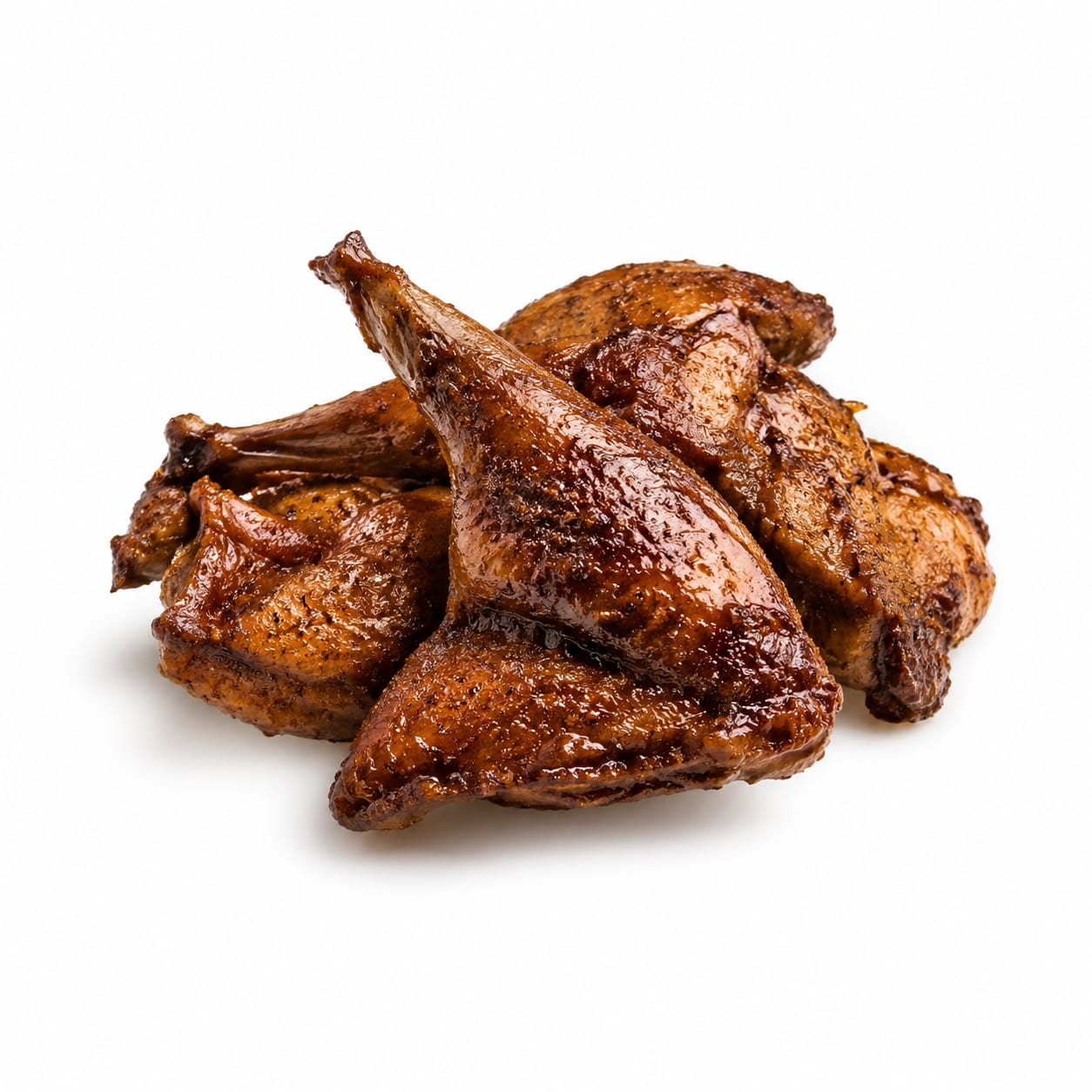
Grouse
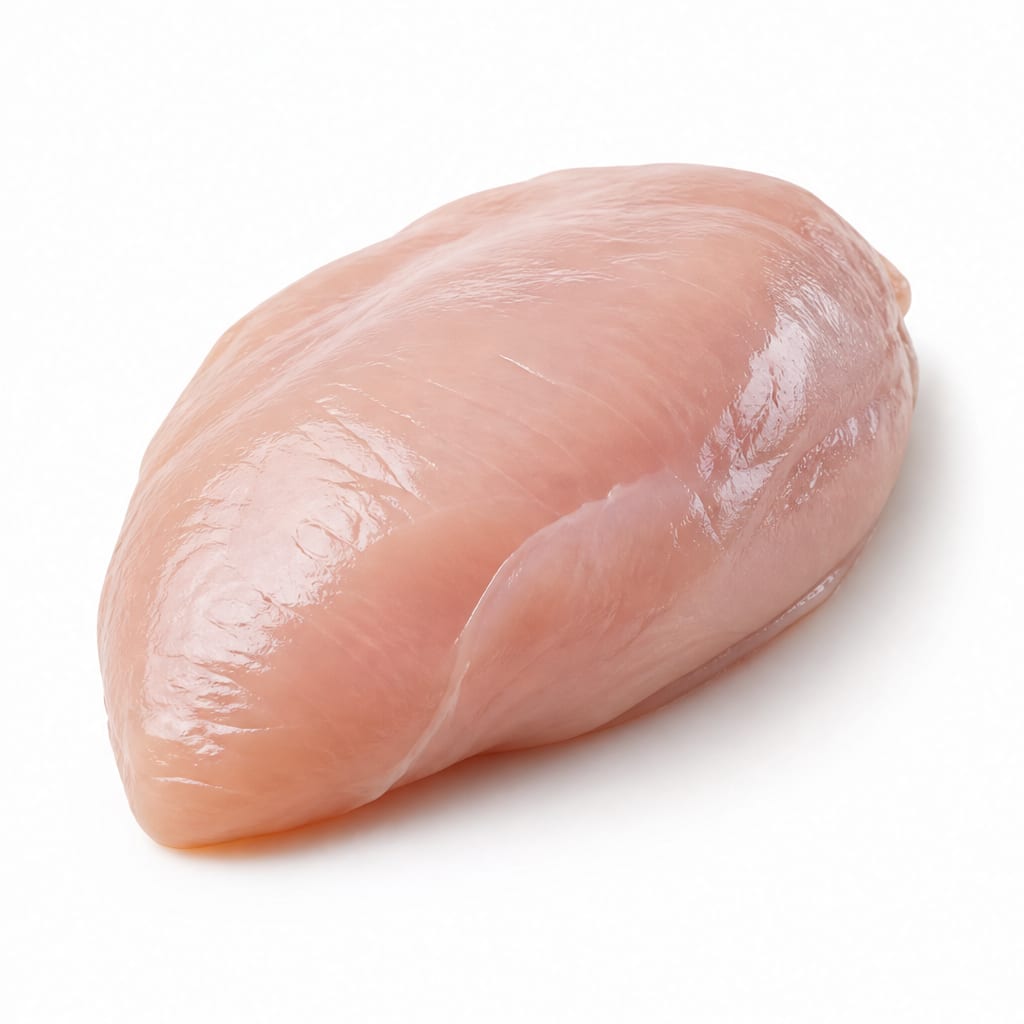
Chicken Breast
Chicken breast wins on practicality and consistency; grouse wins on micronutrient density and flavor depth. Your choice depends on what you value more.
Chicken breast scores higher overall due to unmatched practicality, affordability, and consistent availability. Grouse is nutritionally superior in several micronutrients and more satisfying to eat, but its seasonal scarcity and higher cost limit everyday usefulness.
Grouse delivers more iron, zinc, and a richer eating experience but is harder to find, seasonal, and pricier. Chicken breast is the reliable, affordable, everyday lean protein but nutritionally thinner and less exciting.
At a glance
Executive summary
Overall
It depends
Healthier
It depends
More practical
Chicken Breast
Daily use
Chicken Breast
Key comparison lenses
protein quality and leanness for fitness goals
Both are lean protein sources, but users want to know if the novelty of grouse offers any real advantage over the reliable chicken breast staple
micronutrient density and nutritional variety
Game meats like grouse are often richer in iron and B vitamins, which matters for people seeking nutrient-dense foods
practicality and everyday accessibility
Chicken breast is available everywhere year-round while grouse is seasonal and specialty, making this a key real-world deciding factor
food safety and contamination exposure
Wild game carries different risks than factory-farmed poultry, and consumers weigh antibiotic exposure against lead shot or parasite concerns
taste satisfaction and meal enjoyment
Grouse offers a richer, gamier flavor that can make meals more satisfying, while chicken breast is blander but more versatile
Best choice for
Grouse
- Adventurous eaters seeking nutrient-dense variety
- People with iron deficiency looking for heme iron sources
- Hunters or those with access to wild game
- Anyone wanting to break protein monotony with deeper flavor
Chicken Breast
- Meal preppers needing reliable weekly protein
- Budget-conscious shoppers feeding a family
- Athletes tracking macros precisely and consistently
- Anyone who values convenience and widespread availability
Least suitable for
Grouse
- People who need affordable daily protein
- Anyone uncomfortable cooking game birds
- Those expecting mild, familiar poultry flavor
- Households with picky eaters
Chicken Breast
- Those bored with bland protein seeking culinary excitement
- People concerned about factory farming and antibiotic use
- Anyone looking to maximize micronutrient intake per calorie
- Diners wanting a special-occasion centerpiece
Deep comparison
Dimension by dimension
Each lens scores both foods and breaks down who each option suits.
- Dimension 1 · Priority 93Chicken Breast
Protein Quality and Content
Grouse · 82Chicken Breast · 91Chicken breast delivers slightly more protein per ounce with a more complete amino acid profile verified by decades of sports nutrition research.
Tradeoff
Grouse provides excellent protein too, but slightly less per serving and with less predictable amounts due to wild variation in the meat.
Why it matters
For anyone tracking protein for muscle or satiety, chicken breast gives you more reliable numbers to work with.
Real-world impact
A 6oz chicken breast reliably hits about 42g protein. The same portion of grouse might range from 34-38g depending on the bird.
Grouse
- Variety in amino acid intake from a different species
Better for
- Less protein density per calorie
- Wild variation makes precise tracking harder
Worse for
Chicken Breast
- Higher and more consistent protein per serving
- Easier macro tracking for fitness goals
- Proven track record in sports nutrition research
Better for
- Monotonous if eaten daily without recipe variety
Worse for
- Dimension 2 · Priority 88Grouse
Micronutrient Density
Grouse · 89Chicken Breast · 62Grouse is significantly richer in iron, zinc, selenium, and B vitamins, especially B12, thanks to its wild diet and active lifestyle.
Tradeoff
You get more vitamins and minerals per bite with grouse, but you give up the ability to eat it regularly enough for those nutrients to accumulate.
Why it matters
If you struggle with low iron or want to maximize nutrient intake without supplements, grouse is the stronger per-serving option.
Real-world impact
One grouse serving can provide nearly double the iron of chicken breast, which matters for energy levels and avoiding fatigue.
Grouse
- Much higher heme iron content for blood health
- More zinc for immune function and testosterone
- Richer B12 for nerve health and energy
- Broader trace mineral profile from wild foraging diet
Better for
- Irregular intake means you cannot rely on it as a steady mineral source
Worse for
Chicken Breast
- Decent niacin and B6 content
- Consistent if unremarkable micronutrient levels
Better for
- Relatively poor in iron compared to most red and game meats
- Needs pairing with vegetables or grains to round out micronutrients
Worse for
- Dimension 3 · Priority 80Grouse
Flavor and Eating Satisfaction
Grouse · 88Chicken Breast · 55Grouse offers a deep, earthy, slightly gamy flavor that makes a meal feel special and satisfying. Chicken breast is notably bland without heavy seasoning.
Tradeoff
More flavor means more satisfaction per meal, but grouse's gaminess is polarizing and not everyone enjoys it.
Why it matters
Enjoyment drives long-term dietary adherence. Boring protein can lead to cravings and off-plan eating.
Real-world impact
A well-cooked grouse dinner feels like an occasion. Chicken breast often needs marinades, sauces, or spice blends to feel exciting.
Grouse
- Rich, complex flavor that stands on its own
- Feels like a proper meal rather than a macro delivery system
- Pairs beautifully with simple sides like roasted root vegetables
Better for
- Gaminess can be off-putting if you did not grow up with game
- Easy to overcook and dry out due to low fat content
Worse for
Chicken Breast
- Mild flavor absorbs any seasoning or cuisine style
- Universal appeal even for picky eaters
- Never overwhelms other ingredients in a recipe
Better for
- Can feel like a chore to eat without creative preparation
- Contributes to protein fatigue when eaten repeatedly
Worse for
- Dimension 4 · Priority 90Chicken Breast
Practicality and Availability
Grouse · 28Chicken Breast · 96Chicken breast is available at every grocery store, year-round, at low cost. Grouse is seasonal, specialty, and often requires a butcher or online order.
Tradeoff
You can build your entire meal plan around chicken breast without thinking. Grouse requires effort and planning just to source.
Why it matters
The best protein source is the one you can actually get consistently. Inconvenience kills dietary habits faster than nutrition flaws.
Real-world impact
Chicken breast is a 10-minute grocery run. Grouse might mean a specialty order, a hunting trip, or waiting for autumn season.
Grouse
- Available fresh during game season for a special treat
Better for
- Seasonal availability limits when you can eat it
- Expensive per pound compared to conventional poultry
- Hard to find outside specialty shops or rural areas
Worse for
Chicken Breast
- Sold everywhere at any time of year
- Cheap enough for daily consumption
- Consistent portioning and packaging
- Freezer-stable for months of meal prep
Better for
- Ubiquity can feel boring and uninspiring over time
Worse for
- Dimension 5 · Priority 78It depends
Food Safety and Contamination
Grouse · 65Chicken Breast · 70Grouse avoids factory farming antibiotics but carries wild game risks like lead shot fragments and parasites. Chicken breast has well-regulated safety but antibiotic and salmonella concerns persist.
Tradeoff
Wild means fewer chemicals but more unpredictable contamination. Farmed means more oversight but more systematic exposure to low-grade risks.
Why it matters
Both carry real but different risks. Your comfort level depends on whether you worry more about antibiotics or about wild contamination.
Real-world impact
Chicken breast requires careful handling for salmonella. Grouse requires checking for shot and thorough cooking for parasites.
Grouse
- No antibiotic exposure from factory farming
- No growth hormone concerns
- Natural diet means fewer accumulated toxins from feed
Better for
- Potential lead shot fragments if hunted with lead ammunition
- Wild parasites require thorough cooking
- No standardized inspection for individual birds
Worse for
Chicken Breast
- USDA-inspected processing with consistent standards
- Well-understood safe handling protocols
- Lower parasite risk than wild game
Better for
- Salmonella risk requires strict kitchen hygiene
- Antibiotic residue concerns in conventional farming
- Crowded farming conditions increase disease risk
Worse for
- Dimension 6 · Priority 82Chicken Breast
Cost and Value
Grouse · 30Chicken Breast · 90Chicken breast is one of the cheapest protein sources available. Grouse is a luxury item that costs several times more per pound.
Tradeoff
Grouse offers more nutrients and flavor per bite, but chicken breast offers far more total nutrition per dollar spent.
Why it matters
Budget determines what you can actually sustain. The healthiest food only works if you can afford to keep eating it.
Real-world impact
Feeding a family of four chicken breast for dinner costs roughly $8-12. The same meal with grouse could easily exceed $40.
Grouse
- Higher nutrient density per calorie if cost is no object
Better for
- Prohibitively expensive for regular consumption
- Cost makes it a special-occasion food at best
Worse for
Chicken Breast
- Extremely affordable per gram of protein
- Enables bulk buying and freezer stocking
- Makes high-protein diets accessible on any budget
Better for
- Cheap price reflects industrial farming tradeoffs
Worse for
Timeline
Health impact over time
Short-term
Hours to days
Grouse
- Higher iron content may boost energy if you are slightly anemic
- Rich flavor increases meal satisfaction and reduces post-meal snacking
- Gaminess can cause aversion in unaccustomed eaters, leading to undereating
Chicken Breast
- Lean protein stabilizes blood sugar without digestive heaviness
- Blandness may leave you wanting more food unless paired with flavorful sides
- Very gentle on the stomach and easy to digest
Long-term
Months to years
Grouse
- Iron and zinc accumulation supports immune resilience over time
- Variety in protein sources reduces dietary monotony and burnout
- Infrequent consumption limits its impact on long-term health outcomes
Chicken Breast
- Consistent lean protein intake supports muscle maintenance and metabolic health
- Risk of dietary boredom may lead to abandoning protein-focused eating
- Long-term reliance on one protein source limits micronutrient diversity
Risk profile
Safety & processing
Both are whole, unprocessed meats in their natural form. Grouse edges ahead because its wild diet means no exposure to commercial feed additives, while conventionally raised chicken may carry trace antibiotic or feed chemical residues even in raw breast meat.
Grouse
Lead shot fragments
mediumIf hunted with lead ammunition, small fragments can remain in the meat. Ingesting lead even in tiny amounts is harmful, especially for children. Steel shot eliminates this risk.
Wild parasites and bacteria
mediumWild birds can carry parasites like Trichinella or Sarcocystis. Thorough cooking to 165°F kills these, but undercooking is riskier than with farmed poultry.
Lack of inspection consistency
lowWild-harvested grouse does not go through USDA inspection, so quality depends entirely on the hunter or supplier.
Chicken Breast
Salmonella and Campylobacter
mediumRaw chicken is a well-known carrier. Proper handling and cooking eliminate the danger, but cross-contamination in the kitchen is common.
Antibiotic residues
lowConventional farming uses antibiotics. Residues in meat are regulated but trace amounts can persist. Organic chicken reduces this concern significantly.
Processing contamination
lowLarge-scale processing plants can spread contamination across batches. Single outbreaks can affect millions of pounds of product.
Who wins for whom
Audience fit
Same foods, different winners depending on your goal.
children
Chicken BreastMild flavor, soft texture when cooked properly, and no lead shot risk make chicken breast the clearly safer and more kid-friendly option.
daily consumption
Chicken BreastAffordability, availability, and mild versatility make chicken breast the only realistic daily option between the two.
diabetes
Chicken BreastBoth are zero-carb and blood-sugar neutral, but chicken breast's consistent macros make insulin management and meal planning more predictable.
elderly
It dependsGrouse offers more iron and B12 which elderly people often lack, but chicken breast is easier to chew, digest, and afford on a fixed income.
muscle gain
Chicken BreastHigher and more reliable protein content per serving makes chicken breast the safer bet for hitting daily protein targets essential for muscle growth.
weight loss
Chicken BreastChicken breast provides more protein per calorie with absolute portion consistency, making it easier to maintain a caloric deficit without hunger.
Your move
Decision guide
Choose Grouse
- You want a nutrient-dense, flavorful special meal
- Iron or zinc deficiency is a personal concern
- You have access to wild or reliably sourced grouse
- You are bored with standard poultry and need variety
- Cost is not a limiting factor for your food choices
Choose Chicken Breast
- You need affordable, reliable protein every day
- You meal prep for the week on a budget
- You have picky eaters or children at the table
- You want predictable macros for fitness tracking
- You value convenience and grocery store availability
Either works if
- You simply need lean protein and both are available
- You rotate protein sources weekly for nutritional diversity
- Neither food is a dietary staple for you
Avoid both if
- You follow a plant-based or vegetarian diet
- You have a poultry allergy
- You require low-purine foods for gout management
Final recommendation
Use chicken breast as your daily protein workhorse and treat grouse as an occasional upgrade when you want more flavor, more iron, and a meal that feels special. The best approach is not choosing one over the other but using each for what it does best.
Practical
Consumer tips
- 1
If buying grouse, ask your supplier whether steel or lead shot was used. Steel shot eliminates lead fragment concerns entirely.
- 2
Chicken breast stays more tender if you brine it for 30 minutes before cooking. Grouse benefits from a brief marinade with olive oil and herbs to prevent drying out.
- 3
For maximum iron intake from grouse, pair it with vitamin C-rich sides like roasted bell peppers or a citrus salad to boost absorption.
- 4
If cost is a concern, even one grouse meal per season adds meaningful variety and micronutrients to an otherwise chicken-heavy rotation.
- 5
Choose organic or antibiotic-free chicken breast when budget allows to reduce exposure to farming residues without changing your cooking routine.