
Nutrition comparison
Grouse vs Beef Sirloin: Nutrition, Safety, and Which Is Better for You
Compare grouse and beef sirloin on calories, protein, fat, B12, lead risk, and daily practicality. Find out which lean meat fits your health goals and lifestyle.
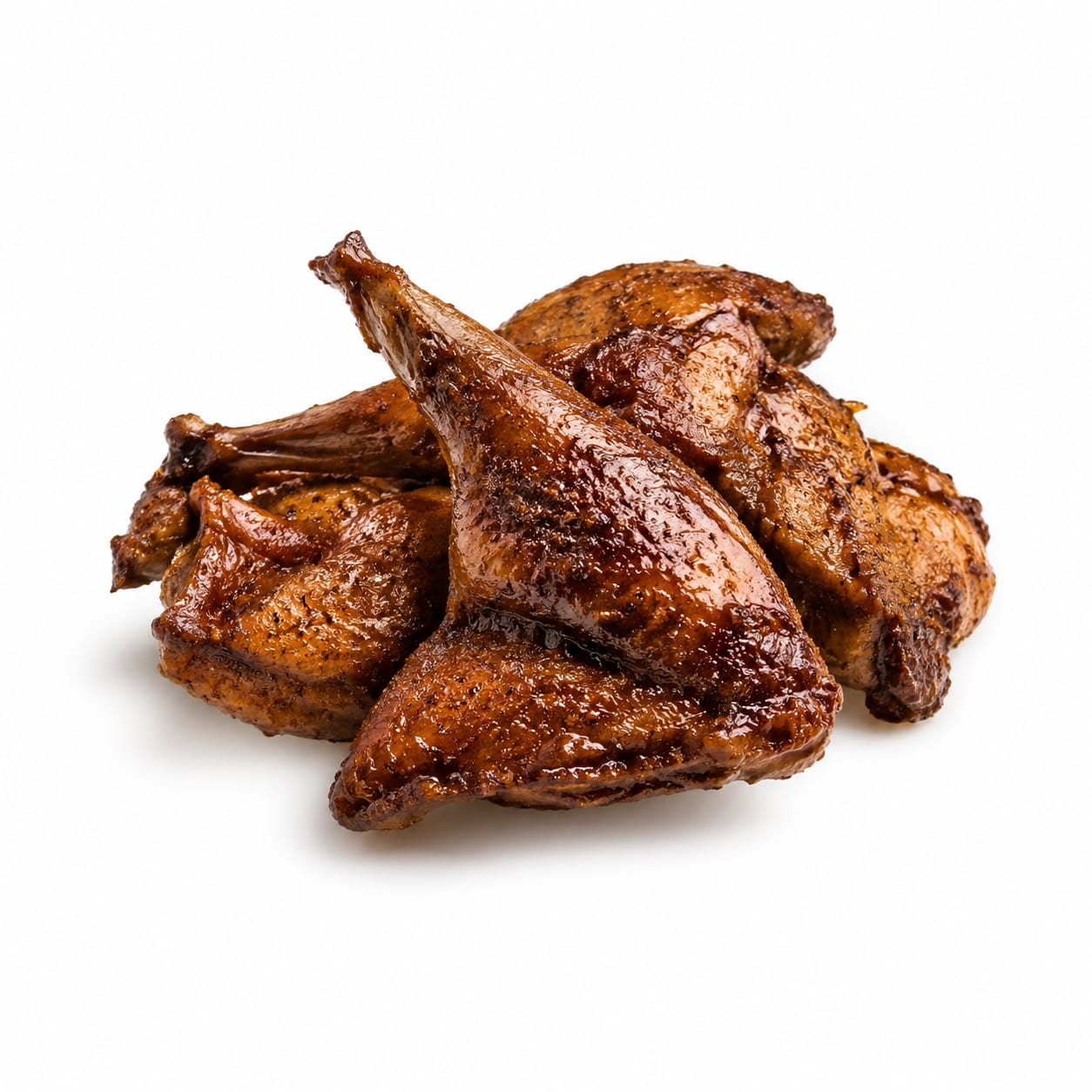
Grouse
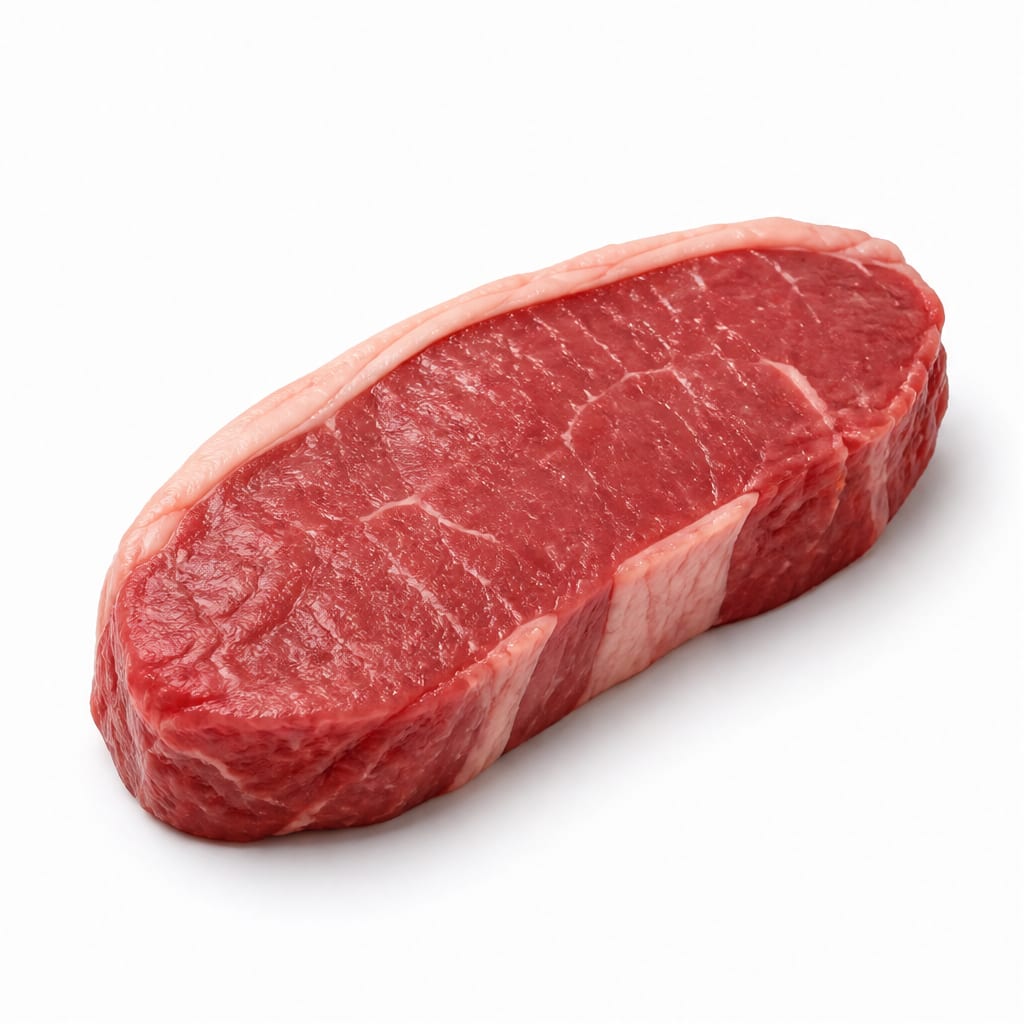
Beef Sirloin
Grouse wins on leanness and natural purity, beef sirloin wins on convenience, consistency, and B12 density. Your choice depends on what you value more: fewer calories and wild-game integrity, or reliable access and richer micronutrients.
Beef sirloin edges ahead due to superior availability, B12 content, and everyday practicality. Grouse scores well on leanness and natural sourcing but loses ground on accessibility, lead risk, and limited culinary familiarity. The gap is narrow because both are high-quality whole proteins.
Grouse gives you a leaner, cleaner, wild-sourced protein but is harder to find and carries lead contamination risk. Beef sirloin is everywhere, nutrient-dense, and satisfying, but brings more saturated fat and farming-related concerns.
At a glance
Executive summary
Overall
It depends
Healthier
Grouse
More practical
Beef Sirloin
Daily use
Beef Sirloin
Key comparison lenses
lean protein comparison
Both are high-protein meats but grouse is significantly leaner, making fat and calorie tradeoffs central to this comparison
wild vs farmed meat safety
Grouse is wild game with lead shot risks while beef sirloin carries antibiotic and hormone exposure concerns from conventional farming
micronutrient density
Both deliver iron and B vitamins but in different ratios, with beef providing more B12 and zinc while grouse offers a broader trace mineral profile
practical availability
Beef sirloin is available year-round at any grocery store while grouse is seasonal, specialty, and often requires hunting connections or specialty butchers
heart health and cholesterol
Saturated fat content differs substantially, making cardiovascular risk an important decision factor
Best choice for
Grouse
- People counting calories who still want hearty portions
- Wild-game enthusiasts seeking antibiotic-free and hormone-free meat
- Those prioritizing lower saturated fat intake
- Hunters or anyone with access to fresh game
- Anyone wanting a novel protein source to break dietary monotony
Beef Sirloin
- Consistent weekly meal preppers needing reliable grocery access
- Anyone with high B12 needs or deficiency risk
- Strength athletes benefiting from higher creatine and zinc intake
- Families wanting a familiar, versatile, kid-friendly protein
- Budget-conscious shoppers comparing cost per gram of protein
Least suitable for
Grouse
- People uncomfortable with lead shot contamination risk
- Anyone without specialty butcher or hunting access
- Those who dislike gamey flavors
- Families with young children where lead exposure is a heightened concern
- Meal preppers needing consistent weekly supply
Beef Sirloin
- People strictly limiting saturated fat for heart conditions
- Those avoiding conventionally farmed meat due to antibiotic or hormone concerns
- Anyone seeking the lowest calorie density protein option
- Individuals with beef allergies or red meat sensitivities
Deep comparison
Dimension by dimension
Each lens scores both foods and breaks down who each option suits.
- Dimension 1 · Priority 95Beef Sirloin
protein_quality_and_content
Grouse · 82Beef Sirloin · 90Both deliver excellent complete protein, but beef sirloin provides slightly more per serving along with creatine, which grouse lacks.
Tradeoff
Grouse protein is lean and clean but misses the creatine and carnosine that beef naturally provides for muscle performance.
Why it matters
If you are training hard or recovering from injury, the creatine and higher B12 in beef sirloin give it a functional edge for muscle repair and energy production.
Real-world impact
Post-workout, beef sirloin feels more substantively rebuilding. Grouse still works well but feels lighter and less recovery-focused.
Grouse
- Lean protein seekers watching total calories
- Anyone wanting high protein with minimal fat
Better for
- Those relying on meat as their primary B12 source
Worse for
Beef Sirloin
- Strength athletes needing creatine support
- Older adults requiring B12 for nerve health
Better for
- Anyone strictly limiting saturated fat grams
Worse for
- Dimension 2 · Priority 92Grouse
fat_profile_and_calorie_density
Grouse · 90Beef Sirloin · 65Grouse is dramatically leaner with roughly a third of the fat of beef sirloin, making it far more calorie-efficient per gram of protein.
Tradeoff
Less fat means less satiety and less flavor richness. You may feel hungrier sooner after grouse unless you add healthy fats to your meal.
Why it matters
For weight management or calorie-controlled diets, grouse lets you eat larger portions without blowing past your daily limit. For satisfaction and staying power, beef sirloin keeps you fuller longer.
Real-world impact
A grouse dinner leaves you satisfied but not stuffed. A beef sirloin dinner feels like a real meal that carries you through the evening without snacking.
Grouse
- Calorie counters wanting bigger plate portions
- Anyone tracking macros with tight fat budgets
Better for
- Anyone finding low-fat meals unsatisfying or incomplete
Worse for
Beef Sirloin
- People who struggle with between-meal hunger
- Those doing intermittent fasting who need one meal to truly fill them up
Better for
- Heart patients on strict saturated fat restrictions
Worse for
- Dimension 3 · Priority 85Beef Sirloin
micronutrient_density
Grouse · 75Beef Sirloin · 88Beef sirloin delivers substantially more B12, zinc, and selenium. Grouse offers decent iron and B vitamins but cannot match beef's B12 concentration.
Tradeoff
Grouse provides a wider variety of trace minerals from diverse wild forage, but the quantities of key vitamins like B12 are noticeably lower.
Why it matters
B12 deficiency is common, especially in older adults and plant-leaning eaters. Beef sirloin is one of the most efficient B12 delivery foods available.
Real-world impact
Eating beef sirloin twice a week meaningfully moves the needle on B12 and zinc intake. Grouse helps but you would need other B12 sources to match it.
Grouse
- Those eating varied diets already rich in B12 from other sources
- Anyone valuing diverse trace mineral intake from wild forage
Better for
- Vegetarian-leaning eaters relying on occasional meat for B12
Worse for
Beef Sirloin
- People at risk for B12 deficiency
- Men needing zinc for testosterone and immune support
Better for
- Those already exceeding zinc upper limits from supplementation
Worse for
- Dimension 4 · Priority 88It depends
safety_and_contamination
Grouse · 68Beef Sirloin · 72Grouse carries lead shot contamination risk from hunting ammunition. Beef sirloin carries antibiotic residue and hormone concerns from conventional farming. Neither is risk-free.
Tradeoff
Lead exposure is a serious acute concern especially for children, while antibiotic and hormone residues represent a longer-term cumulative risk. Choosing depends on which risk profile concerns you more.
Why it matters
Lead is a neurotoxin with no safe exposure level, particularly dangerous for children. Antibiotic residues contribute to resistance, and added hormones may affect endocrine health over time.
Real-world impact
If you have young kids, lead-shot game is a real consideration to weigh carefully. If you eat conventional beef daily, cumulative hormone and antibiotic exposure adds up over years.
Grouse
- Those who source lead-free ammunition harvested grouse
- People prioritizing antibiotic-free and hormone-free meat
Better for
- Families with young children if lead shot is present
- Anyone unaware of their grouse sourcing and harvesting methods
Worse for
Beef Sirloin
- Anyone choosing grass-fed or organic beef sirloin to minimize farming residues
- People concerned about lead exposure in their household
Better for
- Those eating conventional beef as a daily staple over many years
Worse for
- Dimension 5 · Priority 80Beef Sirloin
availability_and_practicality
Grouse · 35Beef Sirloin · 92Beef sirloin is available at every grocery store year-round. Grouse is seasonal, regional, and often requires specialty sourcing or personal hunting connections.
Tradeoff
You gain nutritional uniqueness and wild-game purity with grouse, but you sacrifice the ability to just pick it up on a Tuesday evening.
Why it matters
The best protein source is the one you can actually access consistently. Exotic proteins that you cannot regularly buy become supplements to your diet rather than staples.
Real-world impact
Beef sirloin can anchor your weekly meal plan without thought. Grouse is a special-occasion protein that adds variety when you can find it.
Grouse
- Rural dwellers with hunting access
- Adventurous eaters near specialty game butchers
Better for
- City dwellers without game suppliers
- Anyone needing reliable protein sourcing every week
Worse for
Beef Sirloin
- Urban and suburban residents with standard grocery access
- Anyone meal prepping on a consistent weekly schedule
Better for
- Those in regions where beef is culturally restricted or expensive
Worse for
- Dimension 6 · Priority 72Grouse
environmental_sustainability
Grouse · 85Beef Sirloin · 55Wild grouse requires no feed, land clearing, or methane-producing farming infrastructure. Beef production has a substantially larger carbon and water footprint.
Tradeoff
Grouse populations are limited and seasonal, so scaling consumption is impossible. Beef is environmentally costly but can be improved through regenerative practices.
Why it matters
If environmental impact factors into your food choices, wild game is inherently lower-impact per animal. But individual choices matter less than systemic farming improvements.
Real-world impact
Eating grouse occasionally instead of beef reduces your personal carbon footprint for that meal. But since you cannot eat grouse daily, the practical impact is modest.
Grouse
- Environmentally conscious eaters wanting lower-impact protein
- Those who hunt their own meat sustainably
Better for
- Anyone thinking occasional game consumption offsets regular beef eating
Worse for
Beef Sirloin
- People choosing grass-fed regenerative beef from responsible ranches
Better for
- Those tracking personal carbon footprint per meal
Worse for
- Dimension 7 · Priority 70Beef Sirloin
culinary_versatility_and_satisfaction
Grouse · 60Beef Sirloin · 85Beef sirloin is a kitchen workhorse: grilling, roasting, stir-frying, slicing cold. Grouse is more delicate, prone to drying out, and best with specific cooking techniques.
Tradeoff
Grouse offers a unique gamey flavor experience that some love and others find off-putting. Beef sirloin is universally palatable and forgiving to cook.
Why it matters
If you enjoy cooking and experimenting, grouse is rewarding. If you want reliable results with minimal effort, beef sirloin is the safer bet.
Real-world impact
Overcooking grouse is easy and results in dry, tough meat. Beef sirloin is more forgiving and still tastes good even slightly overdone.
Grouse
- Experienced cooks comfortable with game preparation
- Adventurous eaters seeking new flavor experiences
Better for
- Beginner cooks unfamiliar with lean game cooking techniques
- Households where gamey flavors are unpopular
Worse for
Beef Sirloin
- Weeknight cooks needing reliable results fast
- Families with picky eaters who prefer familiar flavors
Better for
- Those bored with standard protein options and wanting variety
Worse for
Timeline
Health impact over time
Short-term
Hours to days
Grouse
- High satiety from protein with minimal post-meal heaviness due to low fat content
- Steadier energy without the sluggishness that can follow fattier meats
- Risk of lead ingestion if shot fragments remain in the meat
Beef Sirloin
- Strong fullness and satisfaction from the higher fat content carrying you for hours
- Rich B12 hit that can support energy and mood within days of regular consumption
- Possible digestive heaviness if you eat a large portion, especially with richer preparations
Long-term
Months to years
Grouse
- Lower cumulative saturated fat intake supports cardiovascular health over decades
- Absence of farmed antibiotic and hormone exposure reduces long-term endocrine concerns
- Potential lead accumulation if consumed frequently from lead-shot harvesting
Beef Sirloin
- Consistent B12 and zinc intake supports nerve health, immunity, and hormonal balance long-term
- Higher saturated fat intake may impact cardiovascular markers if consumed excessively without dietary balance
- Antibiotic and hormone residues from conventional farming may contribute to resistance and endocrine effects over years
Risk profile
Safety & processing
Both are whole, unprocessed meats in their natural state. Grouse has the edge in naturalness since it lives wild without any farming inputs, feed additives, or controlled environment. Beef sirloin is also minimally processed as a cut, but the animal's life may have involved feed additives, antibiotics, or hormones depending on sourcing.
Grouse
Lead shot contamination
highLead ammunition fragments can remain in grouse meat even after careful butchering. Lead is a neurotoxin with no safe threshold, especially dangerous for children and pregnant women. Always ask about harvesting methods.
Inadequate field dressing and storage
mediumWild game that is not promptly and properly field-dressed can harbor bacteria. If you are not the hunter, verify that the grouse was handled with proper temperature control and hygiene.
Parasites and wildlife diseases
lowWild birds can carry parasites that are destroyed by proper cooking. Cooking grouse to 165°F eliminates this risk entirely.
Beef Sirloin
Antibiotic-resistant bacteria
mediumConventionally raised beef can carry antibiotic-resistant bacteria. Proper cooking kills the bacteria, but cross-contamination during preparation remains a kitchen risk.
Hormone residues
lowHormone implants are used in some conventional beef production. Residue levels are regulated but remain a concern for some consumers, especially with frequent consumption.
Foodborne illness from undercooking
lowBeef sirloin is safer than ground beef since bacteria primarily live on the surface. Medium-rare cooking is generally considered safe for whole cuts.
Who wins for whom
Audience fit
Same foods, different winners depending on your goal.
children
Beef SirloinBeef sirloin provides critical B12 and zinc for development without the lead contamination risk that makes wild game concerning for young children.
daily consumption
Beef SirloinBeef sirloin is available, affordable, and consistent enough to serve as a regular protein staple. Grouse works better as an occasional addition for variety.
diabetes
GrouseBoth are zero-carb proteins, but grouse has less saturated fat which is associated with better insulin sensitivity when substituted for higher-fat meats.
elderly
Beef SirloinOlder adults have higher B12 absorption needs and benefit from beef sirloin's superior B12 density. The higher fat also makes it easier to chew and digest for those with dental or digestive challenges.
muscle gain
Beef SirloinBeef sirloin delivers more creatine, zinc, and B12 alongside its protein, all of which directly support muscle growth, recovery, and hormonal health for training.
weight loss
GrouseGrouse provides the same protein satisfaction with roughly half the calories of beef sirloin, making it easier to maintain a calorie deficit without feeling deprived.
Your move
Decision guide
Choose Grouse
- You have reliable access to lead-free or steel-shot harvested grouse
- You are actively managing calorie intake and want the leanest protein possible
- You value wild-game purity and want to avoid farmed meat entirely
- You enjoy cooking and are comfortable with game preparation techniques
- Environmental impact per meal matters significantly to you
Choose Beef Sirloin
- You need a dependable protein you can buy any day of the week
- B12 and zinc intake are priorities for your health situation
- You are building muscle or recovering from intense training
- You cook for a family that prefers familiar, approachable flavors
- You want a versatile protein that works across dozens of recipes
Either works if
- You are simply looking for a high-quality whole protein source
- You rotate proteins regularly and neither would be your sole meat
- You have no specific health conditions that strongly favor one over the other
- You enjoy both and want dietary variety
Avoid both if
- You have gout and are sensitive to purine-rich meats
- You are following a plant-based diet for health or ethical reasons
- You have severe cholesterol issues requiring minimal red meat intake
- You are at high risk for colon cancer and limiting all red meat per medical guidance
Final recommendation
Make beef sirloin your reliable weekly staple and treat grouse as a special-occasion upgrade when you can source it safely. This gives you the consistency and B12 coverage from sirloin while occasionally enjoying the leanness and wild purity of grouse. If lead contamination concerns you, only eat grouse you can verify was harvested with non-lead ammunition. If farming practices concern you, choose grass-fed or organic beef sirloin to reduce antibiotic and hormone exposure.
Practical
Consumer tips
- 1
Always ask your game supplier whether grouse was harvested with lead or steel shot. This single question dramatically changes the safety profile.
- 2
If you cannot verify lead-free grouse, avoid serving it to children and pregnant women entirely.
- 3
Choose grass-fed or organic beef sirloin when possible. The nutrient profile improves with more omega-3s and the farming concerns decrease substantially.
- 4
Cook grouse with added healthy fats like olive oil or wrap in prosciutto to prevent it from drying out, since its low fat content makes it unforgiving on the heat.
- 5
Do not overcook grouse. Pull it from heat slightly before you think it is done. Carryover cooking will finish it. Overcooked grouse becomes dry and tough quickly.
- 6
If you are new to game flavors, try grouse in a stew or casserole first where herbs and broth balance the gaminess before eating it as a standalone dish.
- 7
Beef sirloin benefits from resting after cooking. Five minutes before slicing keeps juices distributed and makes every bite more tender.
- 8
Rotate your proteins weekly. Neither grouse nor beef sirloin should be your only meat. Add fish, poultry, and plant proteins for the broadest nutrient coverage.