
Nutrition comparison
Green Beans vs Spinach: Which Is Healthier for Daily Use?
Compare green beans and spinach on nutrient density, oxalate risks, pesticide exposure, and digestibility. Find out which green vegetable is better for your specific health goals.
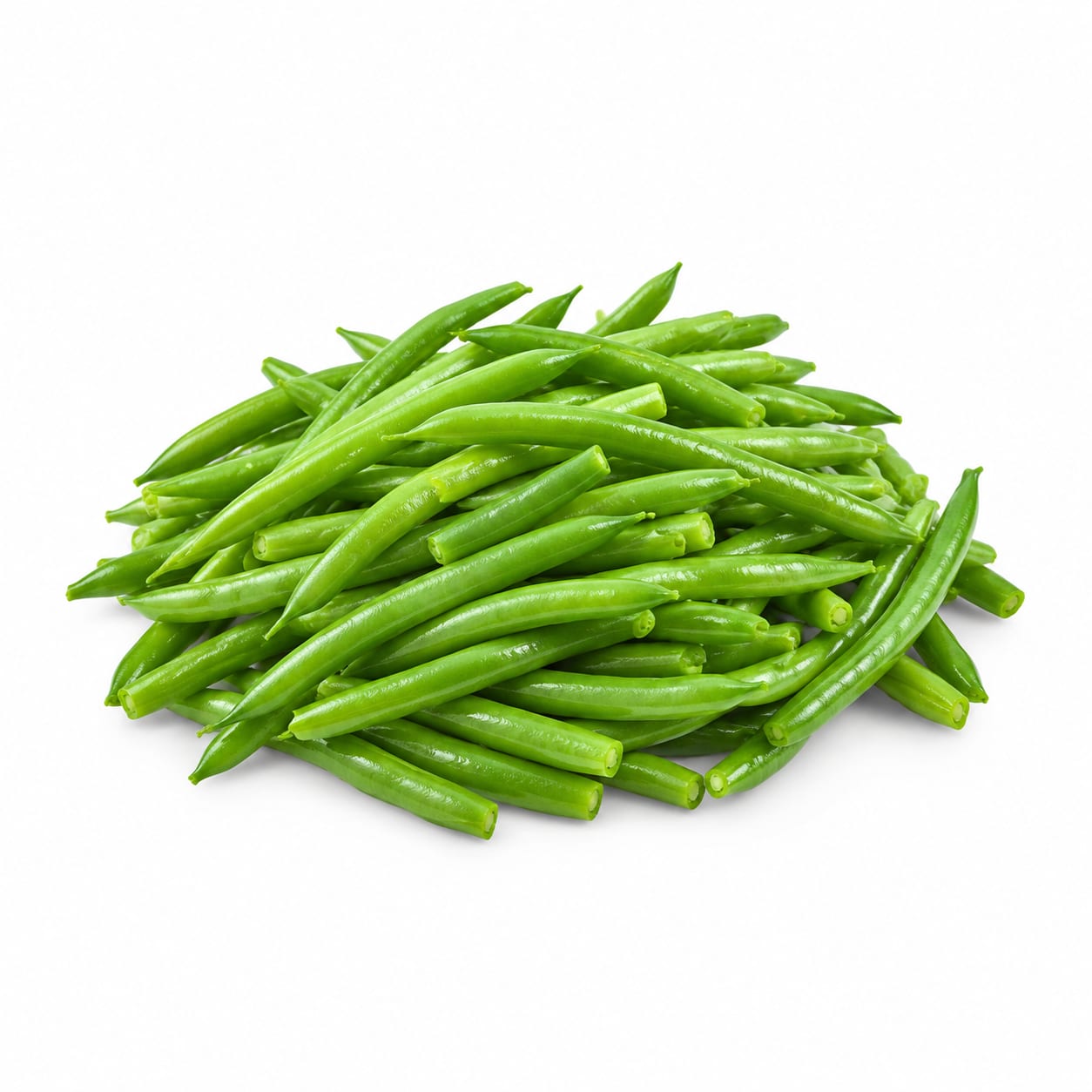
Green Bean
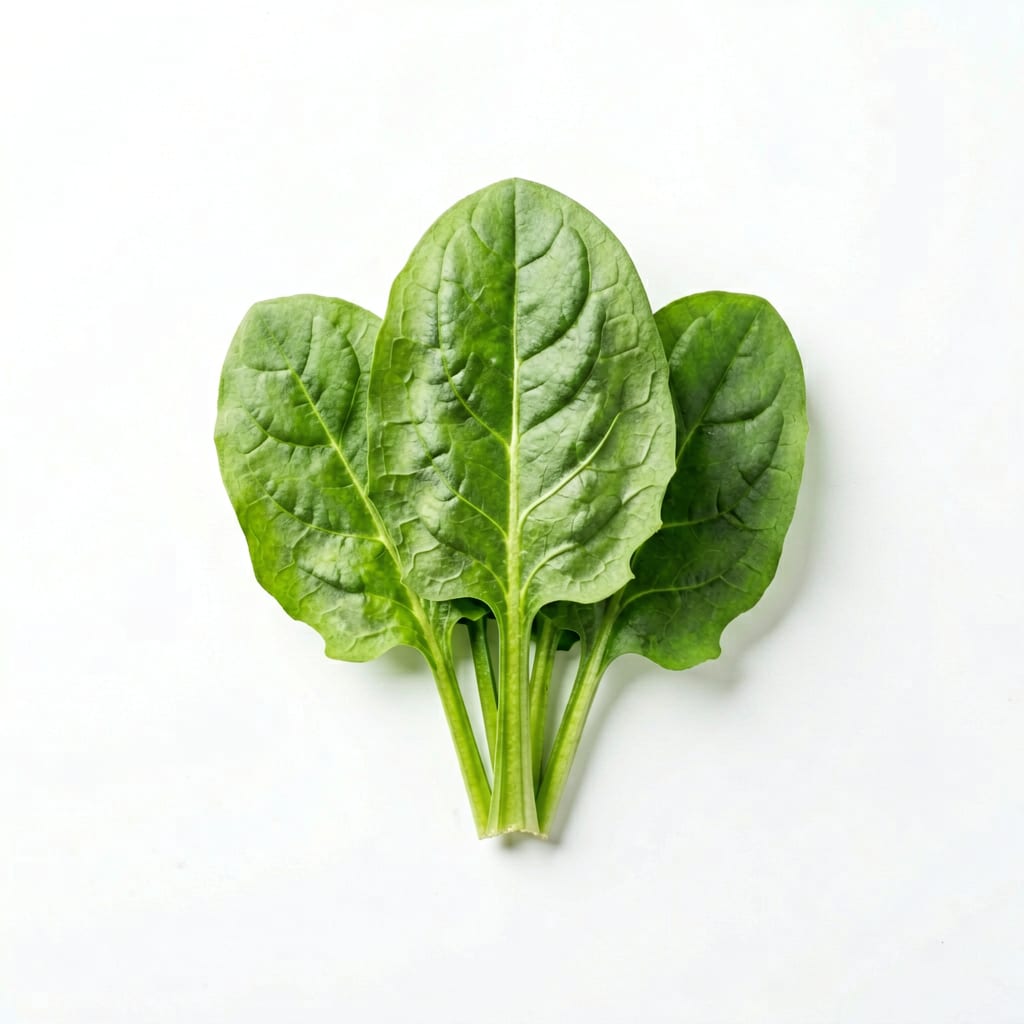
Spinach
Spinach delivers far more nutrients per calorie but green beans win on digestibility and mineral absorption due to spinach's oxalate problem.
Spinach scores slightly higher for raw nutrient content and versatility, but green beans stay competitive because their nutrients are more bioavailable and they carry fewer safety concerns. The gap is small because both are genuinely healthy vegetables with different strengths.
Nutrient density versus nutrient bioavailability — spinach has more vitamins and minerals on paper, but your body absorbs less of them due to oxalates.
At a glance
Executive summary
Overall
It depends
Healthier
It depends
More practical
Green Bean
Daily use
Green Bean
Key comparison lenses
nutrient density per calorie
Spinach is famously nutrient-dense while green beans offer more volume and fiber, making this the core tradeoff
mineral absorption and oxalate concerns
Spinach contains high oxalates that block iron and calcium absorption, a critical real-world factor users rarely consider
digestive tolerance and gut comfort
Green beans are gentler on digestion while spinach can cause issues for sensitive stomachs
pesticide exposure risk
Spinach consistently ranks on the EWG Dirty Dozen list while green beans have lower residue concerns
meal versatility and cooking practicality
Both vegetables serve different culinary roles — spinach wilts into dishes easily while green beans hold texture
Best choice for
Green Bean
- People prone to kidney stones
- Anyone needing reliable iron or calcium absorption
- Those with sensitive digestion
- Families wanting an easy everyday side vegetable
- People who find leafy greens unsatisfying
Spinach
- Anyone needing folate during pregnancy
- People with low vitamin K intake
- Those wanting maximum nutrients in minimal calories
- Smoothie and soup enthusiasts
- Anyone already getting enough calcium and iron from other sources
Least suitable for
Green Bean
- People seeking maximum micronutrient density per calorie
- Smoothie makers wanting blendable greens
- Anyone needing high folate intake
Spinach
- People with a history of calcium oxalate kidney stones
- Those relying on it as a primary iron source
- People with significant digestive sensitivity to oxalates
- Anyone avoiding high-pesticide produce unless organic
Deep comparison
Dimension by dimension
Each lens scores both foods and breaks down who each option suits.
- Dimension 1 · Priority 92Spinach
Nutrient Density
Green Bean · 55Spinach · 94Spinach crushes green beans in vitamins and minerals per calorie — especially folate, vitamin A, vitamin K, iron, and magnesium.
Tradeoff
Those impressive numbers on paper do not tell the full story because oxalates in spinach block absorption of its iron and calcium.
Why it matters
If you eat spinach thinking you are getting lots of iron, you are getting far less than the label suggests. Green beans deliver less total iron but you absorb a higher percentage of it.
Real-world impact
A spinach salad might look like an iron powerhouse on a nutrition app, but your body only absorbs a fraction. A serving of green beans gives you less iron overall but more usable iron.
Green Bean
- Reliable iron absorption without oxalate interference
- Calcium that your body can actually use
Better for
- Lower total vitamin and mineral content per serving
Worse for
Spinach
- Folate intake for pregnancy and cell repair
- Vitamin A and lutein for eye health
- Vitamin K for bone and blood health
Better for
- Iron and calcium absorption significantly reduced by oxalates
Worse for
- Dimension 2 · Priority 80Green Bean
Digestive Tolerance
Green Bean · 82Spinach · 58Green beans are gentler on the digestive system. Spinach's oxalates and higher roughage can irritate sensitive stomachs.
Tradeoff
Spinach offers more fiber per calorie but the oxalate content can cause bloating or discomfort in prone individuals.
Why it matters
If you feel bloated after large spinach salads, oxalates may be the culprit. Green beans rarely cause this issue.
Real-world impact
A big spinach salad at lunch might leave you uncomfortably full or gassy, while a serving of green beans feels lighter and easier to digest.
Green Bean
- Lower oxalate load reduces kidney stone risk
- Easier on sensitive stomachs
- Less likely to cause bloating or gas
Better for
- Less total fiber per serving compared to spinach
Worse for
Spinach
- More fiber per calorie supports gut motility when tolerated well
Better for
- Oxalates can trigger kidney stones in susceptible people
- Raw spinach can cause digestive discomfort in large amounts
Worse for
- Dimension 3 · Priority 72Green Bean
Blood Sugar Stability
Green Bean · 80Spinach · 75Both are excellent for blood sugar, but green beans provide slightly more steady energy due to their fiber-to-carb ratio and satisfying chew.
Tradeoff
Spinach has almost no carbs which eliminates blood sugar spikes entirely, but green beans offer more sustained satiety that prevents later cravings.
Why it matters
Both are low-glycemic, so the real difference is how full you feel afterward and whether you reach for a snack an hour later.
Real-world impact
Green beans as a side dish keep you fuller longer. Spinach is so light you might feel hungry again sooner unless paired with protein or fat.
Green Bean
- More filling per serving which prevents later snacking
- Better fiber-to-carb ratio for steady energy
Better for
- Slightly more carbohydrates per serving than spinach
Worse for
Spinach
- Virtually zero impact on blood sugar due to minimal carbs
Better for
- So low in calories that it rarely satisfies hunger on its own
Worse for
- Dimension 4 · Priority 75Green Bean
Pesticide and Contamination Risk
Green Bean · 78Spinach · 45Spinach consistently ranks on the EWG Dirty Dozen list with high pesticide residue. Green beans carry significantly lower risk.
Tradeoff
Organic spinach solves the pesticide problem but costs substantially more. Green beans are safer even in conventional form.
Why it matters
If you eat spinach daily, pesticide exposure accumulates. This is one of the strongest practical arguments for choosing green beans instead.
Real-world impact
Budget-conscious shoppers who cannot afford organic spinach may be better off choosing conventional green beans, which test cleaner.
Green Bean
- Lower pesticide residue in conventional form
- Not on the EWG Dirty Dozen list
- Safer choice when organic is unavailable or unaffordable
Better for
- Still warrants washing regardless of lower risk
Worse for
Spinach
- Organic spinach eliminates most pesticide concerns
Better for
- Conventional spinach is one of the most pesticide-contaminated vegetables
- Multiple pesticide residues commonly detected on a single serving
Worse for
- Dimension 5 · Priority 68Spinach
Culinary Versatility
Green Bean · 62Spinach · 80Spinach works raw in salads, blended in smoothies, folded into eggs, or wilted into soups. Green beans are more limited to side dish roles.
Tradeoff
Green beans hold their texture and feel more like a substantial vegetable, while spinach disappears into dishes — which is either convenient or unsatisfying depending on what you want.
Why it matters
If you struggle to eat enough vegetables, spinach is easier to hide in meals. If you want to actually feel like you ate something, green beans deliver.
Real-world impact
Tossing a handful of spinach into a smoothie or omelet is effortless. Green beans require trimming and cooking but feel like a real side dish.
Green Bean
- Satisfying crunch and texture as a standalone side
- Better for roasting and grilling
- Feels like a complete vegetable serving
Better for
- Limited to cooked preparations mostly
- Cannot be blended into smoothies or hidden in dishes
Worse for
Spinach
- Disappears into smoothies, soups, and sauces effortlessly
- Works raw or cooked in many dishes
- Easier to add to eggs, pasta, and grain bowls
Better for
- Wilts down to almost nothing which can feel unsatisfying
- Does not work as a standalone side dish
Worse for
Timeline
Health impact over time
Short-term
Hours to days
Green Bean
- Steady energy without blood sugar spikes
- Comfortable fullness from fiber and texture
- Easy digestion with minimal bloating risk
Spinach
- Very light feeling after eating — almost too light on its own
- Possible bloating if eaten raw in large amounts
- Quick nutrient infusion especially folate and vitamin K
Long-term
Months to years
Green Bean
- Reliable mineral absorption supports bone health over time
- Lower kidney stone risk with minimal oxalate intake
- Consistent fiber intake supports healthy digestion
Spinach
- High antioxidant intake supports eye and cardiovascular health
- Excellent folate intake benefits cell repair and pregnancy
- Oxalate accumulation may increase kidney stone risk in susceptible people
- Pesticide exposure risk if eating conventional spinach daily
Risk profile
Safety & processing
Both green beans and spinach are whole vegetables typically eaten in their natural state. Neither carries processing concerns unless purchased canned or frozen with added sodium or sauces.
Green Bean
Pesticide residue
lowGreen beans test relatively clean compared to other vegetables. Conventional is generally acceptable with standard washing.
Lectin content in raw form
lowRaw green beans contain small amounts of lectins that are neutralized by cooking. Most people cook them anyway.
Spinach
Pesticide residue
highSpinach consistently appears on the EWG Dirty Dozen list. Conventional spinach frequently carries multiple pesticide residues including neurotoxic compounds.
Oxalate accumulation and kidney stones
mediumSpinach is one of the highest-oxalate foods. Regular large servings increase calcium oxalate kidney stone risk in prone individuals.
Contamination from irrigation water
lowLeafy greens are more susceptible to E. coli and other waterborne contamination due to their large surface area and proximity to soil.
Who wins for whom
Audience fit
Same foods, different winners depending on your goal.
children
Green BeanGreen beans have a milder flavor and fun finger-food texture that kids accept more easily. Spinach is often rejected by children and its oxalates are a bigger concern for small bodies.
daily consumption
Green BeanGreen beans are safer to eat every day due to lower oxalate load, lower pesticide risk in conventional form, and gentler digestion. Daily spinach is fine if organic and portioned, but carries more cumulative risk.
diabetes
Green BeanGreen beans provide more sustained satiety and a better fiber-to-carb ratio, which helps prevent the post-meal snacking that destabilizes blood sugar. Both are excellent choices overall.
elderly
SpinachSpinach's exceptional folate and vitamin K content supports bone density and cognitive health in aging. The oxalate risk is manageable with moderate portions and adequate hydration.
muscle gain
It dependsNeither is a muscle-building food. Spinach offers slightly more magnesium which supports muscle function, but both need to be paired with protein sources to matter for this goal.
weight loss
SpinachSpinach provides maximum nutrients at only 7 calories per cup raw, making it easier to fill your plate without filling your calorie budget. Green beans are still low-calorie but less nutrient-packed per calorie.
Your move
Decision guide
Choose Green Bean
- You have a history of kidney stones or want to avoid that risk
- You want a vegetable that actually feels satisfying as a side dish
- You buy conventional produce and want to minimize pesticide exposure
- You have a sensitive stomach or get bloated from leafy greens
- You want reliable iron and calcium absorption without oxalate interference
Choose Spinach
- You are pregnant or trying to conceive and need extra folate
- You buy organic produce or can afford to
- You want to sneak greens into smoothies, eggs, or soups
- You need maximum vitamins per calorie for weight loss
- You have no kidney stone history and tolerate oxalates well
Either works if
- You simply want more vegetables in your diet — both are excellent choices
- You are building a varied vegetable rotation throughout the week
- You pair vegetables with healthy fats for better vitamin absorption
Avoid both if
- You are on a strict vitamin K restriction due to blood-thinning medication — consult your doctor about both
Final recommendation
Eat both, but lean toward green beans for daily use and spinach for targeted nutrition. Rotate them through your week: green beans as your reliable everyday side, spinach as your nutrient boost a few times per week. If you eat spinach regularly, buy organic and pair it with vitamin C to improve iron absorption despite the oxalates.
Practical
Consumer tips
- 1
Buy organic spinach whenever possible — it is one of the most pesticide-contaminated vegetables in conventional farming
- 2
Squeeze lemon on spinach to add vitamin C, which helps your body absorb more of its iron despite oxalates
- 3
Boiling spinach and discarding the water reduces oxalate content by up to 87 percent but also loses some water-soluble vitamins
- 4
Green beans are safe to buy conventional if organic is unavailable — they test much cleaner than spinach
- 5
If you have had kidney stones, limit spinach to occasional small portions and always drink extra water with it
- 6
Steam green beans rather than boiling to preserve their vitamin C and fiber content
- 7
Frozen spinach is just as nutritious as fresh and often more convenient for cooking
- 8
Rotate your greens weekly — variety reduces cumulative oxalate exposure and pesticide risk from any single vegetable