
Nutrition comparison
Green Beans vs Peas: Nutrition, Protein, and Health Comparison
Comparing green beans and peas? Discover which is better for weight loss, blood sugar, and protein. Learn the key nutritional tradeoffs.
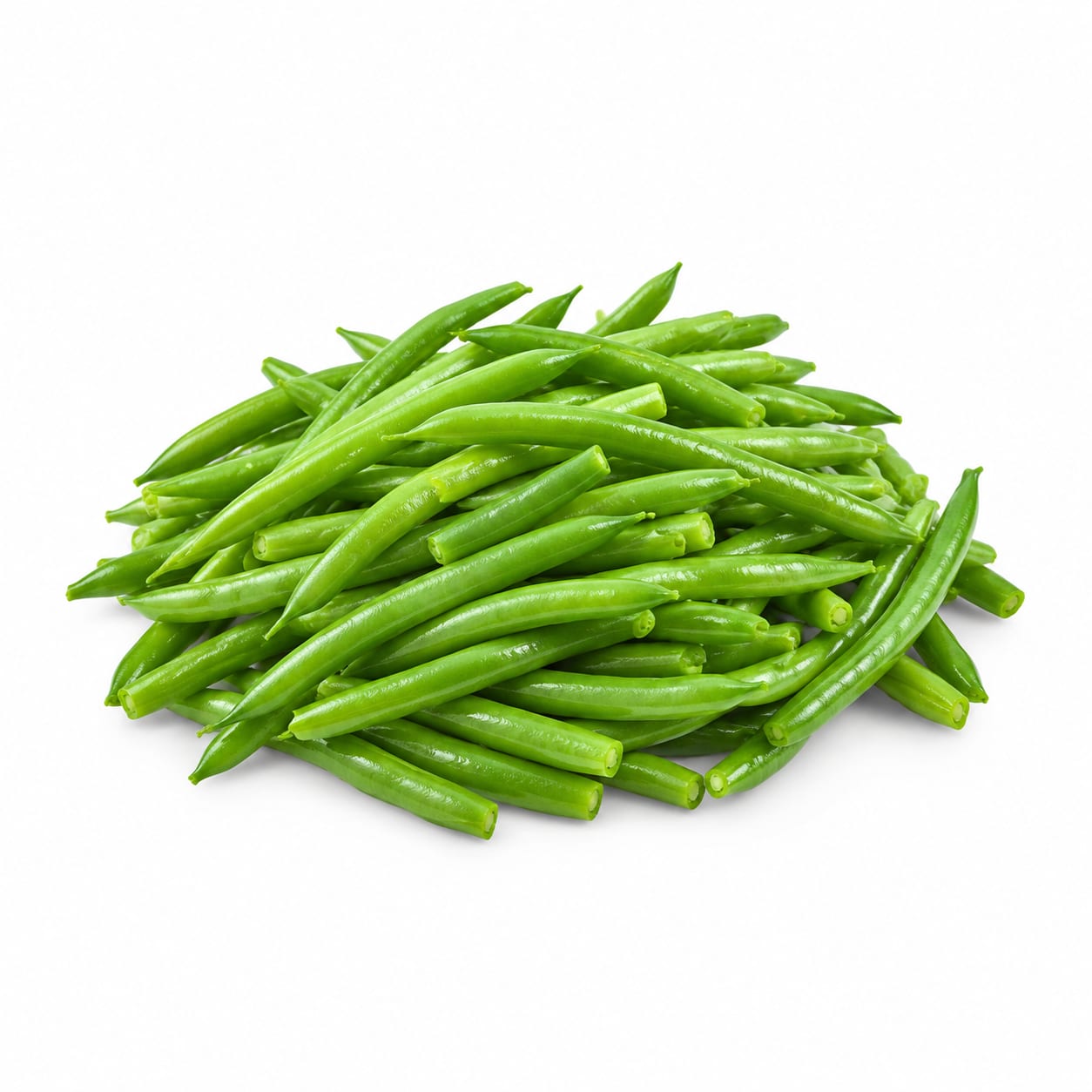
Green Bean
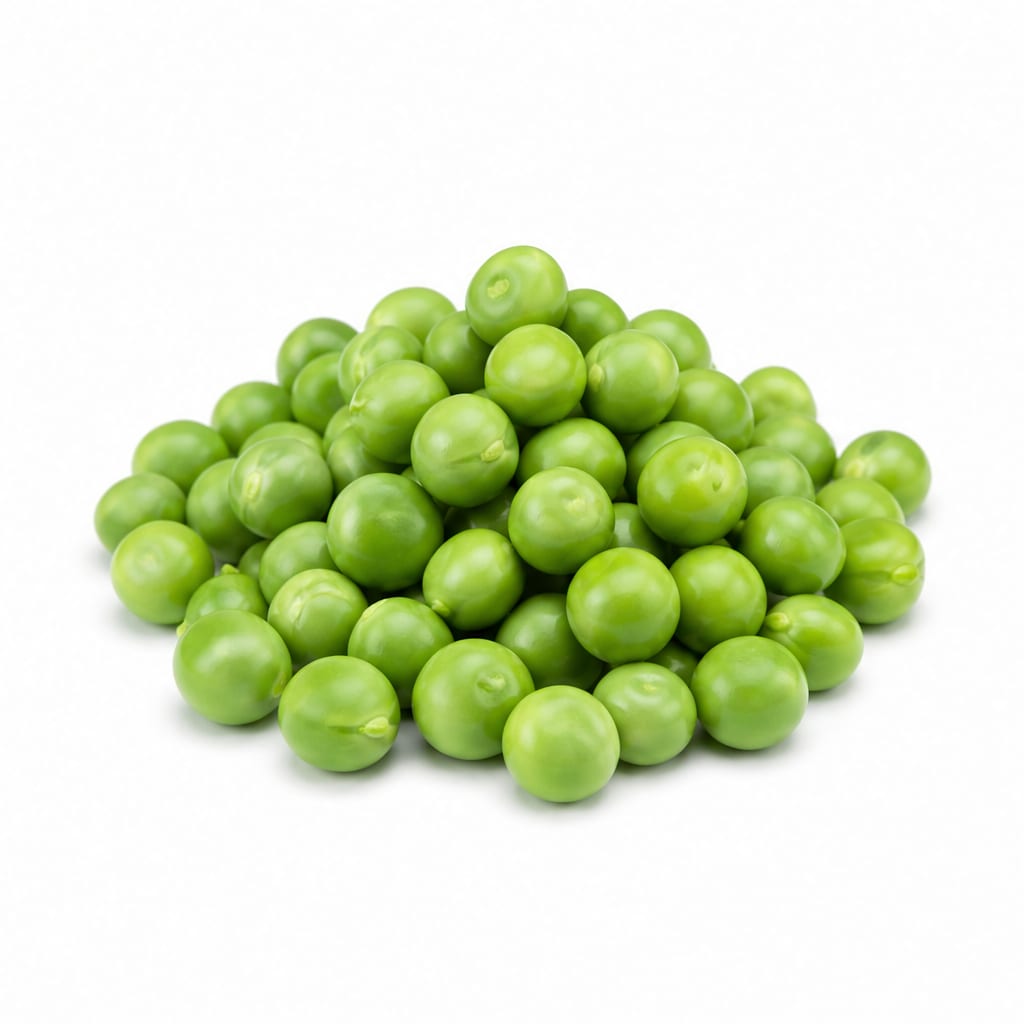
Peas
Green beans are a lighter, low-calorie side, while peas offer more protein and fiber for sustained energy.
Peas score slightly higher due to superior protein and fiber content, but green beans win for low-calorie flexibility.
Lower calories and carbs in green beans versus higher protein and satiety in peas.
At a glance
Executive summary
Overall
It depends
Healthier
It depends
More practical
It depends
Daily use
It depends
Key comparison lenses
Low-carb vs starchy vegetable choice
Green beans are non-starchy, while peas are starchier and higher in carbs, making this the primary dietary distinction.
Weight loss calorie density
Users often choose between these two when deciding between volume eating and denser nutrition.
Plant-based protein and fiber
Peas are surprisingly high in protein and fiber compared to the lighter green bean.
Best choice for
Green Bean
- Strict low-carb diets
- Cutting calories effortlessly
- Light side dishes
Peas
- Plant-based protein boost
- Sustained energy
- Athletes needing carbs
Least suitable for
Green Bean
- Those needing a protein-rich side
- Bulking up meals
Peas
- Strict keto diets
- Very low-calorie diets
Deep comparison
Dimension by dimension
Each lens scores both foods and breaks down who each option suits.
- Dimension 1 · Priority 90Green Bean
Calorie Density & Weight Management
Green Bean · 90Peas · 70Green beans have less than half the calories of peas per cup, making them easier to eat in large volumes.
Tradeoff
You get more volume for fewer calories with green beans, but less staying power.
Why it matters
Volume eating helps with weight loss without feeling deprived.
Real-world impact
You can pile a mountain of green beans on your plate without worrying about your waistline.
Green Bean
- Volume eaters
- Strict calorie counters
Better for
- People needing a calorie surplus
Worse for
Peas
- Those who prefer smaller, denser portions
Better for
- Very low-calorie diets
Worse for
- Dimension 2 · Priority 85Peas
Satiety & Fullness
Green Bean · 60Peas · 88Peas deliver significantly more protein and fiber, keeping you full much longer.
Tradeoff
Peas are more filling but come with more calories; green beans are lighter but less satisfying on their own.
Why it matters
Staying full between meals prevents snacking.
Real-world impact
A side of peas will keep you satisfied until your next meal, while green beans might leave you hungry an hour later.
Green Bean
- Light eaters
Better for
- People prone to snacking
Worse for
Peas
- Appetite control
- Long gaps between meals
Better for
- Those who prefer light, grazing-style eating
Worse for
- Dimension 3 · Priority 80Green Bean
Blood Sugar & Carb Impact
Green Bean · 85Peas · 65Green beans are a non-starchy vegetable with minimal carbs, while peas are starchier and raise blood sugar more.
Tradeoff
Green beans keep blood sugar steadier, but peas provide useful post-workout carbs.
Why it matters
Stable blood sugar means fewer energy crashes.
Real-world impact
Green beans won't cause an afternoon energy dip, whereas a large portion of peas might.
Green Bean
- Diabetics
- Keto dieters
Better for
- Athletes needing quick glycogen replenishment
Worse for
Peas
- Post-workout recovery
- Carb-loading
Better for
- Insulin-resistant individuals
Worse for
- Dimension 4 · Priority 75Peas
Protein & Muscle Support
Green Bean · 30Peas · 75Peas provide a surprising amount of plant-based protein, while green beans offer very little.
Tradeoff
Peas contribute meaningfully to daily protein goals; green beans are mostly water and fiber.
Why it matters
Protein is essential for muscle maintenance and metabolic health.
Real-world impact
Adding peas to a meal actually helps hit your protein target, unlike green beans which are just a filler.
Green Bean
- Those already hitting protein macros elsewhere
Better for
- Plant-based dieters needing protein
Worse for
Peas
- Vegans and vegetarians
- Muscle maintenance
Better for
- Those strictly limiting protein
Worse for
Timeline
Health impact over time
Short-term
Hours to days
Green Bean
- Very light digestion
- Minimal blood sugar impact
- Low satiety
Peas
- Noticeable fullness
- Slight blood sugar rise
- Steadier energy for hours
Long-term
Months to years
Green Bean
- Easier weight maintenance
- Lower protein intake if over-relied on
Peas
- Better muscle preservation
- Improved cholesterol from high fiber
- Slightly higher caloric intake
Risk profile
Safety & processing
Both green beans and peas are whole, natural vegetables typically consumed with minimal processing.
Green Bean
Pesticide residue
mediumGreen beans often appear on the EWG's Dirty Dozen list; washing thoroughly or buying organic is wise.
Peas
Pesticide residue
lowSweet peas are typically on the Clean Fifteen list with low pesticide concerns.
Who wins for whom
Audience fit
Same foods, different winners depending on your goal.
children
PeasPeas are sweeter, easier to chew, and provide more calories and protein for growing bodies.
daily consumption
It dependsGreen beans are better daily if watching carbs; peas are better daily if you need more plant protein and fiber.
diabetes
Green BeanAs a non-starchy vegetable, green beans have a minimal impact on blood sugar.
elderly
PeasThe extra protein and fiber in peas help preserve muscle and prevent constipation in older adults.
muscle gain
PeasPeas offer substantially more protein and carbohydrates to support training and recovery.
weight loss
Green BeanGreen beans allow for massive portion sizes with almost no caloric cost.
Your move
Decision guide
Choose Green Bean
- You are on a keto or strict low-carb diet
- You want to eat large volumes of food without gaining weight
- You need a neutral side that won't spike blood sugar
Choose Peas
- You need more plant-based protein in your meals
- You want a satisfying side that keeps you full
- You are an athlete needing healthy carbohydrates
Either works if
- You just need a healthy vegetable side dish
- You are mixing them into a stir-fry or soup
Avoid both if
- You have a severe legume allergy
- You are strictly limiting fiber due to acute digestive issues
Final recommendation
Let your goals decide: grab green beans for a light, low-carb crunch, or choose peas when you need hearty, protein-packed staying power.
Practical
Consumer tips
- 1
Buy frozen peas and green beans; they are picked at peak ripeness and retain nutrients well.
- 2
Wash fresh green beans thoroughly to remove pesticide residues.
- 3
Mix both together for a side dish that balances volume with satiety.