
Nutrition comparison
Green Beans vs Corn: Which Vegetable Is Better for Your Health Goals?
Compare green beans and corn side by side. Learn which is better for blood sugar, weight loss, and daily eating, and when corn's starch energy actually wins.
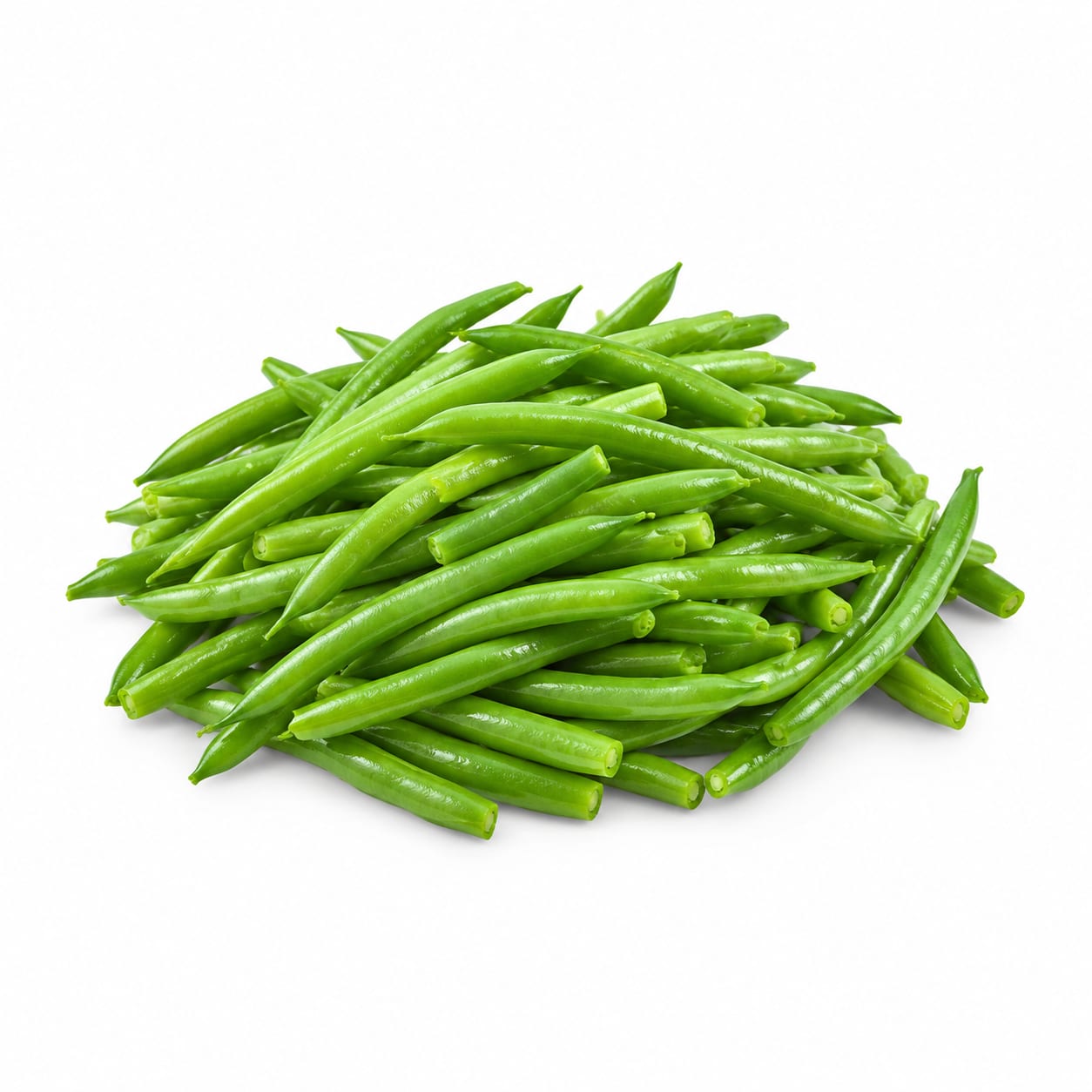
Green Bean
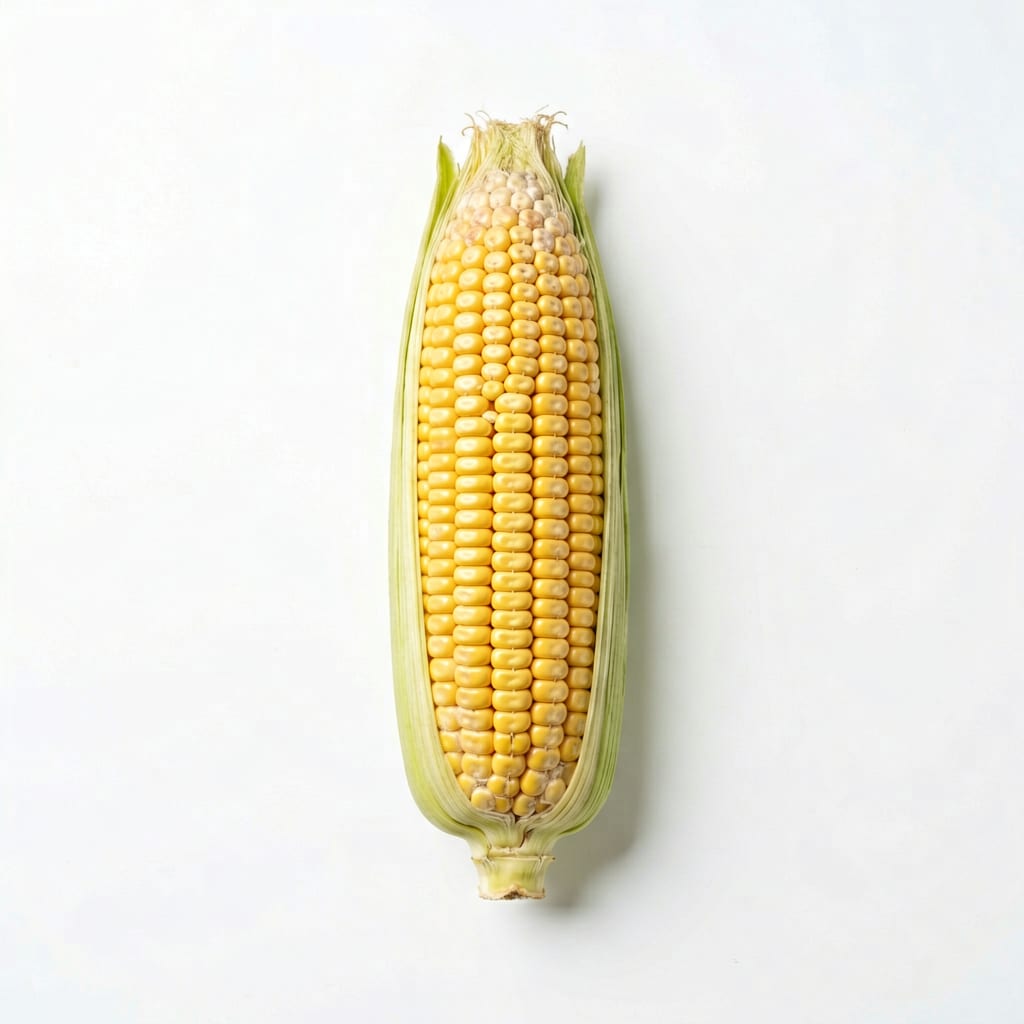
Corn
Green beans are the low-calorie, blood-sugar-friendly choice. Corn is the more filling, energy-providing option. Pick based on your metabolic goals.
Green beans score higher for most health-conscious contexts due to low calorie density and minimal blood sugar impact. Corn remains valuable for energy and satiety but carries a higher metabolic cost per serving.
Green beans give you more food volume for fewer calories and barely touch your blood sugar. Corn gives you more satisfying starch energy but at triple the carb cost.
At a glance
Executive summary
Overall
It depends
Healthier
Green Bean
More practical
Corn
Daily use
Green Bean
Key comparison lenses
blood sugar management
Green beans are non-starchy with minimal carb impact, while corn is starchy and raises blood sugar noticeably
weight loss suitability
Calorie density differs significantly between these two, making portion control easier with green beans
meal satiety and energy
Corn provides more sustained energy from starch, while green beans are lighter and less filling alone
everyday vegetable choice
People often choose between starchy and non-starchy vegetables for dinner sides without understanding the tradeoff
GMO and pesticide awareness
Corn is one of the most commonly GMO crops, which concerns many consumers
Best choice for
Green Bean
- People managing diabetes or insulin resistance
- Anyone counting calories who wants larger portions
- Low-carb and keto dieters needing vegetable sides
- Those wanting steady energy without sugar spikes
Corn
- Active people needing carb fuel for workouts
- Athletes replenishing glycogen after training
- Kids who need calorie-dense whole foods
- Anyone wanting a more filling side dish
Least suitable for
Green Bean
- Athletes needing quick carb refueling
- Underweight individuals seeking calorie density
- People bored by mild flavors who need satisfying sides
Corn
- People with type 2 diabetes monitoring carb intake
- Strict low-carb dieters
- Those prone to blood sugar crashes
Deep comparison
Dimension by dimension
Each lens scores both foods and breaks down who each option suits.
- Dimension 1 · Priority 95Green Bean
blood sugar stability
Green Bean · 92Corn · 48Green beans barely move the needle on blood sugar. Corn delivers a noticeable carb load that requires insulin response.
Tradeoff
Choosing corn means accepting a real blood sugar rise in exchange for more satisfying starch energy.
Why it matters
If you are prediabetic, diabetic, or just trying to avoid afternoon energy crashes, this difference is enormous.
Real-world impact
A plate of green beans with dinner keeps your blood sugar flat. A corn side can leave you hungry again 90 minutes later.
Green Bean
- Diabetics
- People with insulin resistance
- Anyone avoiding energy crashes
Better for
- Situations requiring quick energy replenishment
Worse for
Corn
- Post-workout recovery
- Endurance athletes needing carb reload
Better for
- Sedentary evenings when carb load goes unused
- Anyone monitoring fasting glucose
Worse for
- Dimension 2 · Priority 90Green Bean
calorie efficiency
Green Bean · 94Corn · 55Green beans deliver nearly triple the food volume per calorie compared to corn.
Tradeoff
You can eat a mountain of green beans for minimal calories, but corn packs more into each bite.
Why it matters
For weight loss, volume eating helps you feel full without overconsuming. Green beans make that easy.
Real-world impact
Two cups of green beans cost roughly 60 calories. Two cups of corn cost roughly 270 calories. Same fullness, very different calorie budgets.
Green Bean
- Calorie counters
- Volume eaters
- Weight loss phases
Better for
- Hard gainers who struggle to eat enough
Worse for
Corn
- People needing to gain weight healthfully
- Growing children
Better for
- Anyone who tends to overeat starchy sides
Worse for
- Dimension 3 · Priority 82Corn
satiety and fullness
Green Bean · 52Corn · 78Corn is more filling per serving because its starch content digests slowly and provides lasting satisfaction.
Tradeoff
Corn fills you up more but at a higher calorie price. Green beans are lighter and may leave you reaching for more food sooner.
Why it matters
If a side dish needs to actually hold you over, corn does the job better despite the carb cost.
Real-world impact
A corn side at lunch can keep you full until dinner. Green beans alone might have you snacking by 3pm.
Green Bean
- People who prefer eating smaller meals more frequently
Better for
- Long gaps between meals
Worse for
Corn
- People who need one meal to last hours
- Manual laborers
- Teenagers with high energy needs
Better for
- Late-night eating when fullness is not the goal
Worse for
- Dimension 4 · Priority 78Green Bean
nutrient density
Green Bean · 80Corn · 68Green beans offer more vitamins K and C per calorie. Corn provides more B vitamins and magnesium but diluted by starch calories.
Tradeoff
Green beans concentrate micronutrients in fewer calories. Corn spreads its nutrients across more carb-heavy calories.
Why it matters
If you want the most nutrition per bite without the carb baggage, green beans deliver better value.
Real-world impact
A serving of green beans gives you over 20% of daily vitamin K for almost no calorie cost. Corn gives you B vitamins but you pay for them with starch.
Green Bean
- People prioritizing vitamin K for bone health
- Anyone eating in a calorie deficit
Better for
- Situations where B vitamin intake is the priority
Worse for
Corn
- People needing B vitamins and magnesium
- Those already at healthy weight
Better for
- Calorie-restricted diets
Worse for
- Dimension 5 · Priority 72Green Bean
GMO and pesticide exposure
Green Bean · 82Corn · 48Corn is one of the most heavily GMO crops globally. Green beans face moderate pesticide concerns but far less genetic modification.
Tradeoff
Choosing conventional corn almost certainly means consuming GMO product. Organic corn avoids this but costs more.
Why it matters
For consumers avoiding GMOs, corn is one of the hardest foods to navigate without buying organic.
Real-world impact
If you buy conventional corn at a typical grocery store, it is almost certainly GMO. Green beans are not commercially GMO in the US.
Green Bean
- People avoiding GMOs
- Shoppers who cannot afford organic but want to minimize exposure
Better for
- Green beans still appear on EWG's Dirty Dozen occasionally for pesticide residue
Worse for
Corn
- People unconcerned about GMO status
- Those who buy organic corn anyway
Better for
- Conventional corn is overwhelmingly GMO in the US
Worse for
- Dimension 6 · Priority 65Green Bean
digestive tolerance
Green Bean · 78Corn · 60Green beans are gentle on most digestive systems. Corn can be harder to break down and may pass partially undigested.
Tradeoff
Corn's tough outer kernel shell resists full digestion, which can cause bloating or visible residue. Green beans are easier to process completely.
Why it matters
People with sensitive digestion or IBS often tolerate green beans better than corn.
Real-world impact
If you notice whole corn kernels in your stool, your body is not fully absorbing the nutrients. Green beans rarely cause this issue.
Green Bean
- People with IBS or sensitive digestion
- Those with diverticulitis concerns
Better for
- Rarely causes issues
Worse for
Corn
- People with robust digestion who chew thoroughly
Better for
- Poor chewers who swallow kernels partially intact
- People with diverticular disease
Worse for
Timeline
Health impact over time
Short-term
Hours to days
Green Bean
- Minimal blood sugar impact after meals
- Light feeling in the stomach, no bloating
- Low risk of post-meal energy crash
Corn
- Noticeable blood sugar rise within 30-60 minutes
- More satisfied and full after eating
- Possible mild bloating if digestion is sensitive
Long-term
Months to years
Green Bean
- Easier weight maintenance due to low calorie density
- Better blood sugar control over years of consistent consumption
- Higher cumulative vitamin K intake supporting bone density
Corn
- Consistent carb intake may challenge insulin sensitivity if overconsumed
- Better long-term energy sustainability for active lifestyles
- B vitamin support for nervous system health over time
Risk profile
Safety & processing
Both green beans and corn are whole foods in their natural form. Canned versions of both may contain added sodium, so check labels. Frozen varieties of both are typically clean and retain nutrients well.
Green Bean
Pesticide residue
mediumGreen beans occasionally appear on pesticide watch lists. Washing thoroughly or choosing organic reduces exposure.
Corn
GMO exposure
mediumOver 90% of conventional corn grown in the US is genetically modified. Choose organic if this concerns you.
Mycotoxin contamination
lowCorn can harbor fungal toxins in rare cases, especially in poorly stored batches. Quality sourcing minimizes this risk.
Who wins for whom
Audience fit
Same foods, different winners depending on your goal.
children
CornKids benefit from corn's calorie density, natural sweetness, and energy content for growth and activity.
daily consumption
Green BeanGreen beans can be eaten generously every day without metabolic consequences. Corn is fine daily too but requires more portion awareness.
diabetes
Green BeanGreen beans have minimal impact on blood glucose, making them far safer for diabetic meal planning.
elderly
Green BeanOlder adults often need fewer calories and more nutrient density per bite. Green beans deliver that without the starch load.
muscle gain
CornCorn provides carbohydrate fuel that supports training intensity and glycogen replenishment, which matters more for muscle building.
weight loss
Green BeanGreen beans provide far more food volume per calorie, making it easier to stay in a deficit without feeling deprived.
Your move
Decision guide
Choose Green Bean
- You are managing blood sugar, diabetes, or insulin resistance
- You want to eat larger portions while losing or maintaining weight
- You prefer vegetables that do not spike your appetite afterward
- You are avoiding GMOs and cannot afford organic corn
Choose Corn
- You are active and need carb fuel for performance
- You want a side dish that actually keeps you full for hours
- You are feeding kids who need calorie-dense whole foods
- You are at a healthy weight and do not worry about carb intake
Either works if
- You are mixing vegetables for variety and nutrient diversity
- You are building a balanced plate with protein and healthy fats already covered
- You rotate sides throughout the week anyway
Avoid both if
- You have a specific allergy to either food
- You are on a strict carnivore elimination diet
Final recommendation
Default to green beans for most meals, especially dinners where you do not need the carb energy. Use corn strategically around active periods, workouts, or meals where lasting fullness matters more than calorie control.
Practical
Consumer tips
- 1
If you buy canned green beans, rinse them to remove roughly 40% of the added sodium
- 2
Frozen green beans and corn are just as nutritious as fresh and often more convenient
- 3
If GMOs concern you, organic corn is the only reliable way to avoid them in the US
- 4
Pair green beans with a healthy fat like olive oil to absorb their fat-soluble vitamins
- 5
Corn on the cob is more satisfying and slower to eat than kernels, which helps with fullness cues
- 6
Chew corn thoroughly to break the kernel shell and actually absorb the nutrients inside