
Nutrition comparison
Green Beans vs Cauliflower: Nutrition, Digestion, and Low-Carb Comparison
Comparing Green Beans and Cauliflower? Discover which vegetable is better for keto, digestion, and daily nutrition. Learn the real tradeoffs between these healthy veggies.
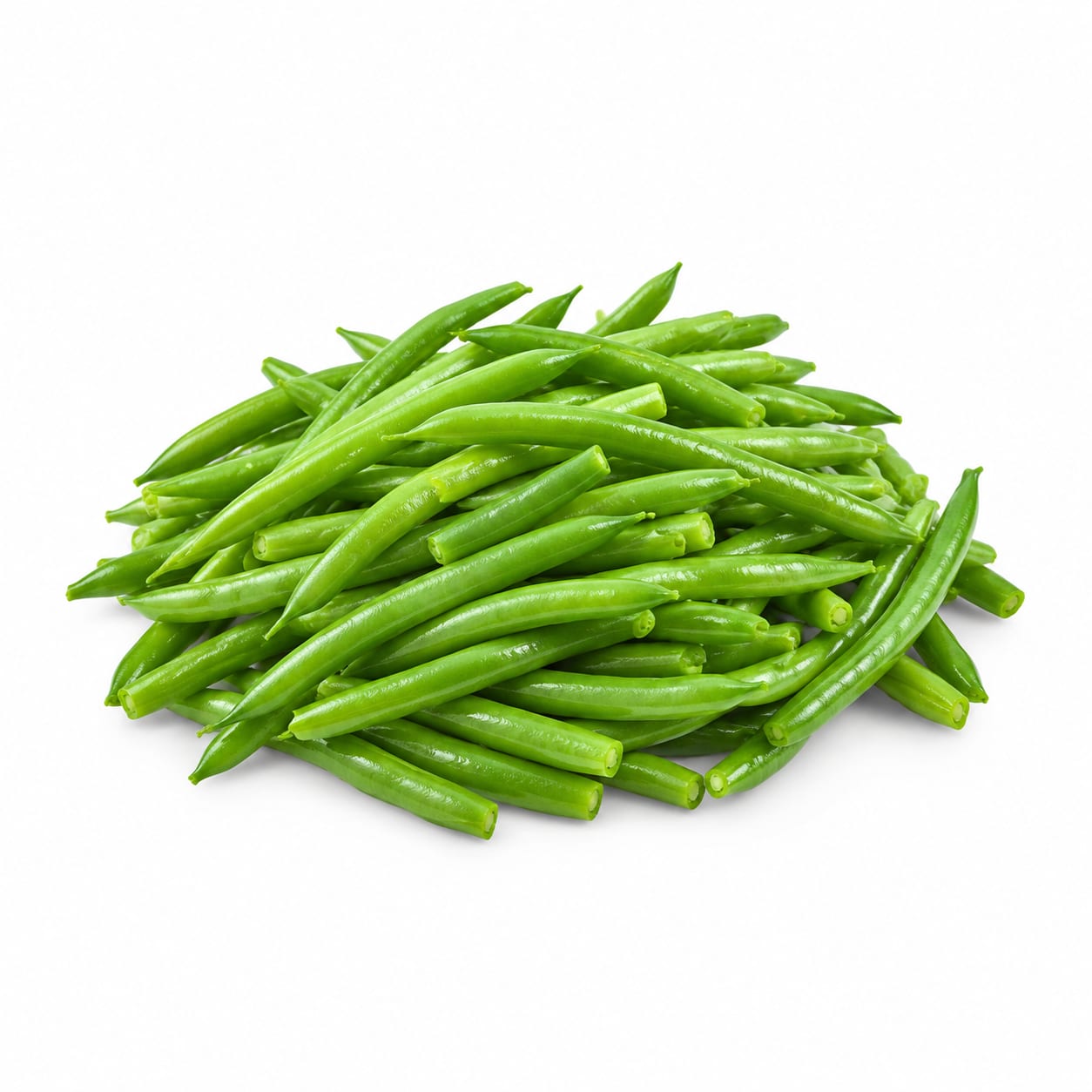
Green Bean
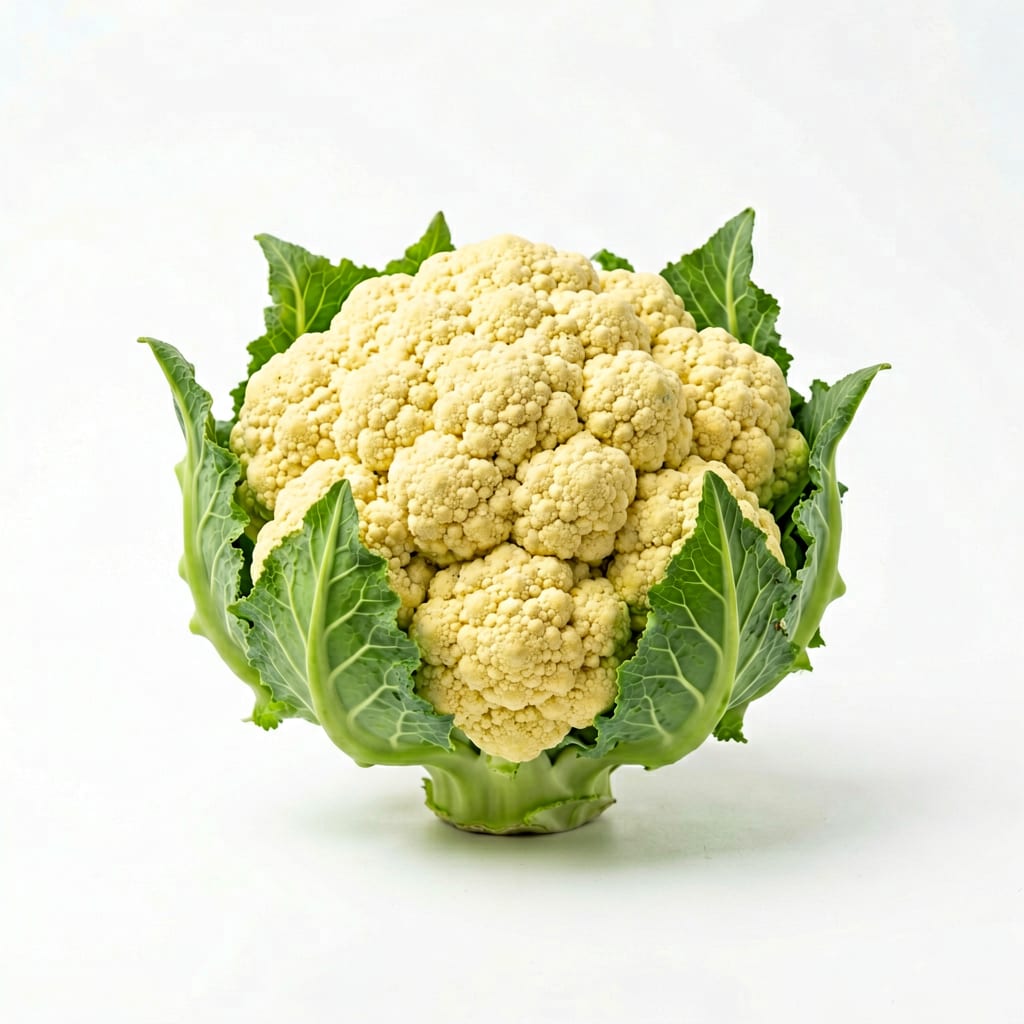
Cauliflower
Cauliflower wins for low-carb versatility and Vitamin C, but Green Beans are far easier on digestion and offer more consistent daily comfort.
Cauliflower scores slightly higher due to its unmatched low-carb versatility and Vitamin C content, but Green Beans stay competitive because of their superior digestibility and ease of preparation.
Cauliflower gives you massive kitchen flexibility and lower carbs, at the cost of potential bloating and more prep work. Green Beans offer simple, gut-friendly nourishment with less fuss.
At a glance
Executive summary
Overall
It depends
Healthier
It depends
More practical
Cauliflower
Daily use
Green Bean
Key comparison lenses
Low-carb diet suitability
Both are staple vegetables in keto and low-carb diets, but Cauliflower is uniquely used as a grain substitute.
Digestive tolerance
Cauliflower is notorious for causing bloating and gas, while Green Beans are generally much easier on the stomach.
Culinary versatility
Cauliflower can be riced, mashed, or used as a pizza crust, whereas Green Beans are typically limited to side dishes.
Micronutrient profile
Users often compare these two to see which offers better vitamins and antioxidants for daily health.
Best choice for
Green Bean
- People with sensitive digestion or IBS
- Anyone wanting a simple, low-fuss side dish
- Those who experience bloating from cruciferous vegetables
Cauliflower
- Strict keto or very low-carb dieters
- People avoiding grains or starches
- Anyone needing a high-dose of Vitamin C from vegetables
Least suitable for
Green Bean
- People looking for a rice or potato substitute
- Those wanting a high-Vitamin C vegetable
Cauliflower
- People prone to severe bloating or gas
- Anyone looking for a quick, minimal-prep vegetable
Deep comparison
Dimension by dimension
Each lens scores both foods and breaks down who each option suits.
- Dimension 1 · Priority 90Cauliflower
Low-Carb & Keto Versatility
Green Bean · 70Cauliflower · 98Cauliflower is the undisputed king of low-carb substitutions, easily replacing rice, potatoes, and even flour-based crusts.
Tradeoff
You get incredible carb-saving flexibility with Cauliflower, but it requires more effort to prep and cook than simply steaming Green Beans.
Why it matters
If you are trying to cut carbs or manage blood sugar, having a vegetable that mimics starches makes the diet far easier to stick with.
Real-world impact
Cauliflower rice means you can still enjoy stir-fries or burrito bowls on keto. Green Beans just cannot replicate that starchy mouthfeel.
Green Bean
- Keeping meals simple without recipe experimentation
Better for
- Mimicking grains or starches
Worse for
Cauliflower
- Replacing high-carb staples like rice and mashed potatoes
- Creating keto-friendly comfort foods
Better for
- Quick, zero-thought side dish preparation
Worse for
- Dimension 2 · Priority 85Green Bean
Digestive Comfort
Green Bean · 90Cauliflower · 55Green Beans are gentle and easy to digest, while Cauliflower contains complex sugars that frequently cause gas and bloating.
Tradeoff
Cauliflower offers more micronutrient bang per bite, but eating it daily or in large portions can leave you feeling uncomfortably full and gassy.
Why it matters
Digestive discomfort can ruin your afternoon and make you avoid healthy vegetables altogether.
Real-world impact
A large portion of Cauliflower rice at lunch might cause bloating by 3 PM. A side of steamed Green Beans will sit lightly and comfortably.
Green Bean
- People with IBS or sensitive stomachs
- Avoiding post-meal bloating
Better for
- Providing the prebiotic bulk that some gut bacteria thrive on
Worse for
Cauliflower
- Those with iron-clad digestion who want larger portions for fewer calories
Better for
- Date nights or social events where bloating is a concern
Worse for
- Dimension 3 · Priority 75Cauliflower
Micronutrient Density
Green Bean · 75Cauliflower · 88Cauliflower delivers a massive dose of Vitamin C and cancer-fighting glucosinolates, while Green Beans provide more chlorophyll and trace minerals.
Tradeoff
Cauliflower is an immune-boosting powerhouse, but Green Beans offer a broader, steadier baseline of everyday minerals.
Why it matters
If you are relying on vegetables for your Vitamin C intake, Cauliflower does the heavy lifting. Green Beans will not move the needle as much for immunity.
Real-world impact
Eating Cauliflower regularly can help ward off colds thanks to its Vitamin C content. Green Beans are better for quietly maintaining bone health with Vitamin K and silicon.
Green Bean
- Getting gentle, non-irritating fiber and trace minerals
- Supporting bone health
Better for
- Providing high levels of Vitamin C
Worse for
Cauliflower
- Boosting immune function with high Vitamin C
- Accessing potent antioxidant compounds like glucosinolates
Better for
- Offering easily absorbable trace minerals without digestive distress
Worse for
- Dimension 4 · Priority 70Green Bean
Culinary Convenience
Green Bean · 88Cauliflower · 65Green Beans are wash-and-go, cooking perfectly in minutes. Cauliflower often requires chopping, ricing, or processing to shine.
Tradeoff
Green Beans save you time and dirty dishes, while Cauliflower demands more kitchen effort to unlock its potential.
Why it matters
On busy weeknights, the vegetable that takes 5 minutes to prepare is the one you will actually eat instead of ordering takeout.
Real-world impact
Steaming Green Beans takes almost zero thought. Making Cauliflower mash means getting out the food processor and dealing with more cleanup.
Green Bean
- Busy weeknights when you need a vegetable fast
- Minimal dish washing
Better for
- Culinary creativity and variety
Worse for
Cauliflower
- Meal prep sessions where you batch-cook substitutes
- Impressive dinner party recipes
Better for
- Quick, exhausted-after-work cooking
Worse for
Timeline
Health impact over time
Short-term
Hours to days
Green Bean
- Provides steady, crash-free energy
- Promotes comfortable digestion without gas
Cauliflower
- Can cause noticeable bloating or flatulence within hours
- Delivers a quick hit of Vitamin C for immune support
Long-term
Months to years
Green Bean
- Supports consistent bone health and wound healing
- Maintains healthy digestion with gentle fiber
Cauliflower
- Glucosinolates may lower the risk of certain cancers
- High Vitamin C intake supports long-term skin and immune health
Risk profile
Safety & processing
Both Green Beans and Cauliflower are whole, natural vegetables. However, pre-cut Cauliflower products like Cauliflower rice often sit in plastic packaging longer, slightly degrading freshness and Vitamin C compared to whole heads or whole Green Beans.
Green Bean
Pesticide residue
mediumGreen Beans frequently appear on the EWG's Dirty Dozen list, making organic washing or purchasing highly recommended.
Cauliflower
Hidden insects and mold
lowCauliflower florets can trap small bugs and moisture, requiring careful washing and inspection before cooking.
Goitrogenic compounds
lowRaw Cauliflower contains goitrogens that can interfere with thyroid function in extremely large amounts, but cooking neutralizes this risk.
Who wins for whom
Audience fit
Same foods, different winners depending on your goal.
children
Green BeanGreen Beans are easier for kids to eat and digest, whereas Cauliflower can cause uncomfortable gas in sensitive little stomachs.
daily consumption
Green BeanGreen Beans are less likely to cause daily digestive upset, making them a safer and more comfortable everyday staple.
diabetes
CauliflowerCauliflower has slightly fewer carbohydrates and a lower glycemic impact, making it ideal for tight blood sugar management.
elderly
Green BeanGreen Beans are gentler on aging digestive systems and require less chewing effort than dense Cauliflower dishes.
muscle gain
It dependsNeither vegetable is a significant protein source; both serve best as low-calorie side dishes to accompany protein-rich main courses.
weight loss
CauliflowerCauliflower offers more food volume for fewer calories, allowing you to eat larger portions that physically fill you up without overconsuming calories.
Your move
Decision guide
Choose Green Bean
- You have a sensitive stomach or are prone to bloating
- You want a quick, no-fuss vegetable for busy weeknights
- You prefer eating organic but want a more affordable clean option
Choose Cauliflower
- You are on a strict keto or low-carb diet and miss starches
- You want to boost your Vitamin C intake from whole foods
- You enjoy cooking and experimenting with vegetable substitutes
Either works if
- You just need a healthy, low-calorie side dish for lean protein
- You are trying to increase your daily vegetable intake overall
Avoid both if
- You are looking for a high-protein plant food to build muscle
Final recommendation
Keep both in your rotation. Use Cauliflower when you need a low-carb comfort food fix or an immune boost, and rely on Green Beans for everyday, gut-friendly simplicity. If you must choose one for daily eating, Green Beans are the safer bet for long-term digestive comfort.
Practical
Consumer tips
- 1
If buying conventional Green Beans, wash them thoroughly or opt for organic due to high pesticide residues.
- 2
Roasting Cauliflower with a little olive oil reduces its gas-causing properties and brings out a sweet, nutty flavor.
- 3
If Cauliflower causes you bloating, start with very small portions and gradually increase as your gut adapts.
- 4
Steam Green Beans lightly rather than boiling them to preserve their nutrients and satisfying snap.