
Nutrition comparison
Green Beans vs Carrots: Which Vegetable Is Better for You?
Compare green beans and carrots on nutrition, blood sugar impact, vitamin A, fiber, and convenience. Find out which vegetable fits your health goals better.
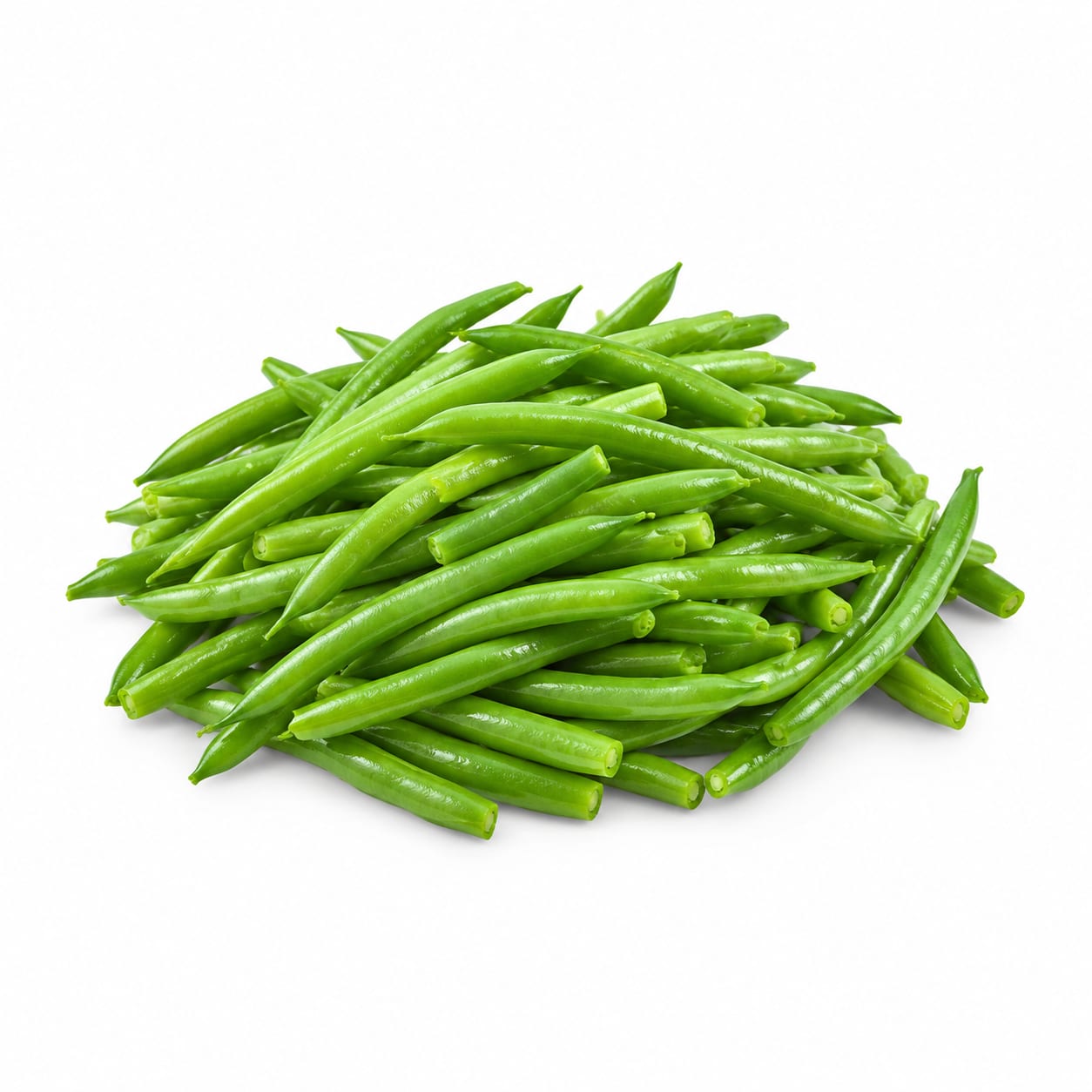
Green Bean
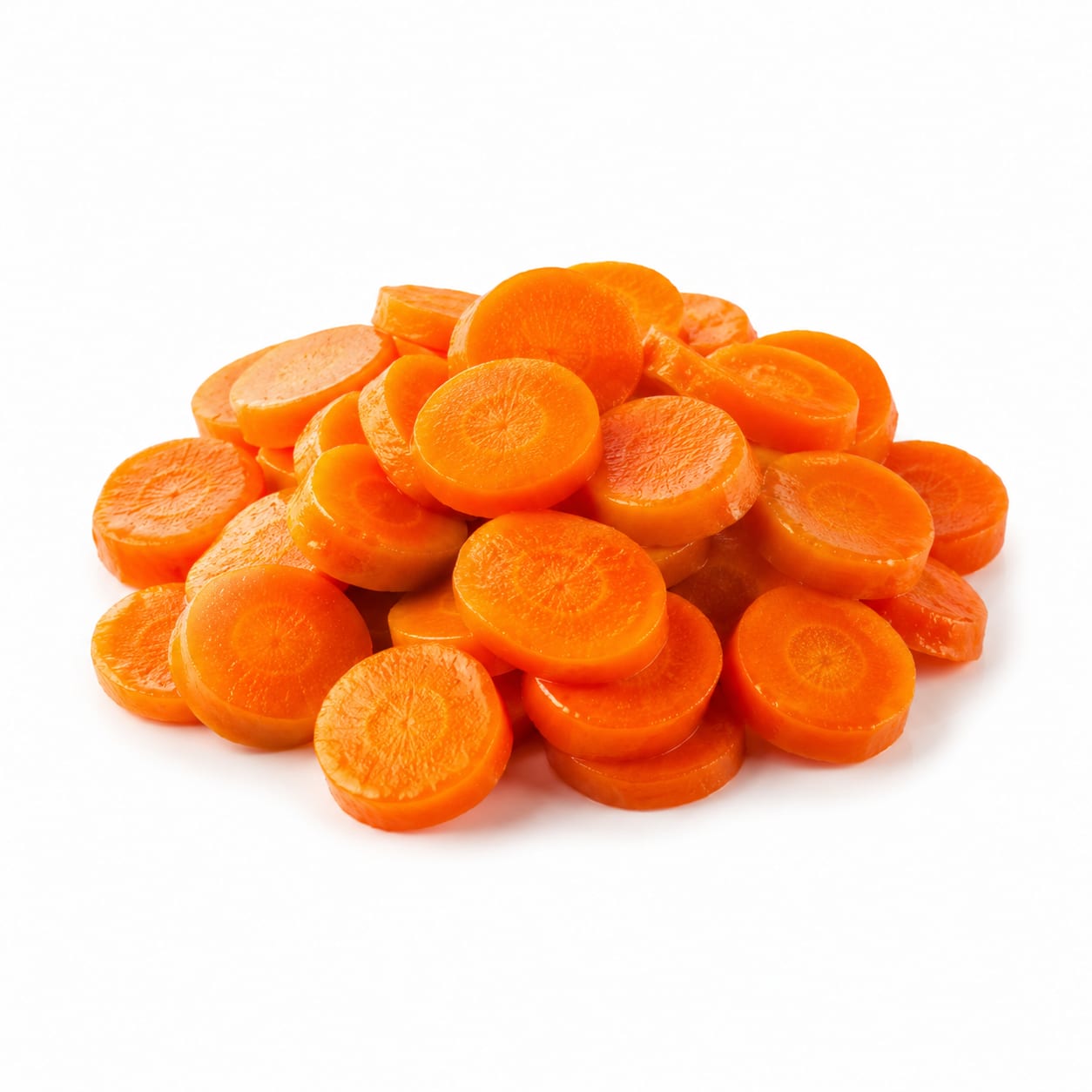
Carrots
Carrots win for vitamin A and raw snacking convenience. Green beans win for lower sugar, higher fiber, and stricter low-carb diets.
Carrots edge ahead slightly due to their exceptional vitamin A content and snack convenience. Green beans score nearly as well because of their lower sugar and higher fiber density. The close scores reflect that both are genuinely healthy choices with different strengths.
Carrots give you massive vitamin A and grab-and-go ease. Green beans give you steadier blood sugar and more filling fiber per calorie.
At a glance
Executive summary
Overall
It depends
Healthier
It depends
More practical
Carrots
Daily use
It depends
Key comparison lenses
everyday vegetable choice for meals and snacks
Both are common side-dish vegetables people choose between at the grocery store
vitamin A and eye health priority
Carrots are famously linked to vision health while green beans offer almost none of that benefit
blood sugar and low-carb eating
Green beans are significantly lower in carbs and sugar, making them relevant for glucose-conscious eaters
weight loss and calorie density
Both are low-calorie but green beans have a slight edge for volume eating
snack convenience and raw eating
Carrots are a go-to raw snack while green beans almost always require cooking
Best choice for
Green Bean
- People managing blood sugar or following keto
- Anyone wanting maximum volume with minimal carbs
- Those who prefer cooked savory side dishes
- People watching their sugar intake even from natural sources
Carrots
- People wanting vitamin A for eye and immune health
- Busy people needing a ready-to-eat raw snack
- Parents packing lunchbox vegetables
- Anyone looking for a naturally sweet vegetable to curb cravings
Least suitable for
Green Bean
- People who want a quick no-prep snack
- Anyone who dislikes cooked vegetables
- Situations where raw crudité is expected
Carrots
- Strict low-carb or keto dieters counting every gram
- People sensitive to higher-sugar vegetables
- Those who find carrots too sweet for savory meals
Deep comparison
Dimension by dimension
Each lens scores both foods and breaks down who each option suits.
- Dimension 1 · Priority 92Carrots
Vitamin A and Vision Support
Green Bean · 8Carrots · 98Carrots are one of the richest vegetable sources of beta-carotene, which your body converts to vitamin A. Green beans provide almost negligible amounts.
Tradeoff
If eye health and immune support are priorities, carrots deliver dramatically more vitamin A. Green beans cannot replace this benefit.
Why it matters
Vitamin A supports night vision, immune defense, and skin health. A single carrot can provide over 100% of your daily need.
Real-world impact
Eating carrots regularly can meaningfully contribute to meeting your vitamin A needs without supplements. Green beans contribute almost nothing here.
Green Bean
- Anyone relying on green beans for vitamin A will fall short
Worse for
Carrots
- Eye health and night vision
- Immune system support
- Skin health and repair
Better for
- Dimension 2 · Priority 85Green Bean
Blood Sugar and Carb Load
Green Bean · 88Carrots · 62Green beans have roughly half the carbohydrates and a third of the sugar of carrots per serving. They also have a lower glycemic impact.
Tradeoff
Carrots are not high-glycemic, but their natural sweetness adds up faster. Green beans keep glucose steadier with less insulin demand.
Why it matters
For people with diabetes, insulin resistance, or metabolic concerns, every gram of carbohydrate matters. Green beans offer more room in your daily budget.
Real-world impact
A generous plate of green beans has minimal impact on blood sugar. A similar portion of carrots has a noticeable but still moderate effect.
Green Bean
- Keto and very-low-carb diets
- Blood sugar management
- Metabolic syndrome or insulin resistance
Better for
Carrots
- Strict carb counters may need to portion carrots more carefully
Worse for
- Dimension 3 · Priority 78Green Bean
Fiber and Satiety
Green Bean · 80Carrots · 68Green beans provide slightly more fiber per calorie, making them more filling relative to their energy content.
Tradeoff
Both vegetables are decent fiber sources, but green beans give you more fullness per bite. Carrots satisfy through crunch and sweetness instead.
Why it matters
Fiber keeps you full longer and supports gut health. Getting more fiber per calorie helps with weight management without feeling deprived.
Real-world impact
A cup of green beans with dinner keeps you satisfied longer than the same calories in carrots. But carrots may satisfy a sweet tooth that green beans cannot touch.
Green Bean
- Volume eating for weight loss
- Gut health and regularity
- Feeling full on fewer calories
Better for
Carrots
- Satisfying sweet cravings with whole food fiber
Better for
- Dimension 4 · Priority 75Carrots
Snack Convenience and Versatility
Green Bean · 35Carrots · 88Carrots are one of the most convenient raw vegetables available. Green beans almost always require cooking to be palatable.
Tradeoff
Carrots can be eaten raw, dipped, shredded, or roasted with zero prep. Green beans need trimming and cooking, which limits grab-and-go use.
Why it matters
Convenience determines what you actually eat, not what you plan to eat. The best vegetable is the one you reach for consistently.
Real-world impact
Carrots are lunchbox staples and quick snack options. Green beans are dinner side dishes that require stovetop or oven time.
Green Bean
- Never a grab-and-go option
- Requires cooking equipment and time
Worse for
Carrots
- Raw snacking and dipping
- Lunchbox packing
- Quick no-cook meal prep
- Shredded into salads instantly
Better for
- Dimension 5 · Priority 70Carrots
Antioxidant Diversity
Green Bean · 62Carrots · 78Carrots offer beta-carotene, lutein, and anthocyanins in purple varieties. Green beans provide some vitamin C and flavonoids but a narrower antioxidant profile.
Tradeoff
Carrots deliver a broader and more concentrated antioxidant spectrum. Green beans contribute antioxidants but less impressively.
Why it matters
Diverse antioxidant intake protects cells from damage and reduces chronic disease risk over decades.
Real-world impact
Eating carrots regularly adds a distinct antioxidant class to your diet that green beans simply do not match.
Green Bean
- Vitamin C contribution that carrots lack
Better for
- Narrower antioxidant profile overall
Worse for
Carrots
- Carotenoid family antioxidants
- Broader protective phytonutrient range
- Purple varieties add anthocyanins
Better for
- Dimension 6 · Priority 60Green Bean
Mineral Content
Green Bean · 72Carrots · 58Green beans offer more iron, magnesium, and calcium per serving than carrots. Both are modest mineral sources overall.
Tradeoff
Neither vegetable is a mineral powerhouse, but green beans contribute slightly more across key minerals especially iron.
Why it matters
Iron and magnesium are commonly deficient. Every bit from vegetables helps, especially for plant-based eaters.
Real-world impact
Green beans are a slightly better contributor to your daily iron and magnesium needs, though neither replaces dedicated mineral-rich foods.
Green Bean
- Iron intake for plant-based diets
- Magnesium for muscle and nerve function
- Calcium contribution
Better for
Carrots
- Lower iron and magnesium per serving
Worse for
Timeline
Health impact over time
Short-term
Hours to days
Green Bean
- Steady blood sugar after meals with no crash
- Mild fullness from fiber without heaviness
- Requires cooking time which may discourage spontaneous eating
Carrots
- Quick satisfying crunch that curbs snacking urges
- Mild blood sugar bump from natural sugars, usually well-tolerated
- Immediate beta-carotene availability when eaten with fat
Long-term
Months to years
Green Bean
- Consistent low-carb vegetable intake supporting metabolic health
- Gradual fiber benefits for gut microbiome diversity
- Minimal vitamin A contribution if not paired with other sources
Carrots
- Sustained vitamin A status supporting vision and immunity over years
- Carotenoid accumulation in skin providing mild UV protection
- Possible contribution to slightly higher carbohydrate intake if eaten in large quantities
Risk profile
Safety & processing
Both green beans and carrots are whole vegetables typically sold fresh or frozen with no additives. Canned versions may contain added sodium, so fresh or frozen is preferable for both.
Green Bean
Pesticide residue
mediumGreen beans frequently appear on EWG's Dirty Dozen list. Washing helps but does not remove all residues. Organic reduces exposure significantly.
Lectin content in raw form
lowRaw green beans contain lectins that can cause digestive upset. Cooking neutralizes this completely, which is why they are always cooked before eating.
Carrots
Pesticide residue
lowCarrots typically have lower pesticide concerns and are not consistently on high-residue lists. Peeling further reduces any surface residue.
Carotenemia
lowEating very large amounts of carrots can cause orange skin discoloration from beta-carotene buildup. This is harmless and reversible but can be alarming.
Who wins for whom
Audience fit
Same foods, different winners depending on your goal.
children
CarrotsCarrots are sweeter, easier to eat raw, and fun for kids. Their vitamin A content also supports growing immune systems and vision.
daily consumption
It dependsCarrots are easier to eat daily due to convenience, but green beans are better if you are watching carbs closely. Rotating both is ideal.
diabetes
Green BeanGreen beans have roughly half the carbs and a third of the sugar of carrots, creating less glucose impact per serving.
elderly
CarrotsCarrots are easier to chew when cooked soft and provide critical vitamin A for aging eyes. Their natural sweetness is also appealing to older palates.
muscle gain
It dependsNeither vegetable significantly supports muscle gain directly. Both serve as low-calorie sides that leave room for protein-rich foods.
weight loss
Green BeanGreen beans offer more fiber and volume per calorie with virtually no sugar, making it easier to eat large portions without overconsuming carbs.
Your move
Decision guide
Choose Green Bean
- You are managing blood sugar, insulin resistance, or following a low-carb diet
- You want maximum food volume with minimal carbohydrate load
- You prefer savory cooked side dishes over raw snacking
- You are tracking every gram of sugar in your diet
Choose Carrots
- You want to boost your vitamin A intake naturally
- You need a convenient raw vegetable for snacking or lunchboxes
- You are looking for a sweet vegetable to replace processed snacks
- You want broader antioxidant protection from carotenoids
Either works if
- You simply want more vegetables in your diet and both sound good
- You are meal prepping and can use both in different dishes throughout the week
- Neither poses any real health risk for you and variety matters more
Avoid both if
- You have a specific allergy to either vegetable, which is rare but possible
- You are on an extremely restricted diet that limits all plant foods
Final recommendation
Eat both. Carrots give you unmatched vitamin A and snacking ease. Green beans give you lower sugar and more filling fiber. If you must pick one, choose carrots for convenience and nutrient density, or green beans for stricter blood sugar control. The best outcome is rotating both across your week.
Practical
Consumer tips
- 1
Buy organic green beans when possible since they tend to carry more pesticide residue
- 2
Pair carrots with a fat source like hummus or olive oil to absorb beta-carotene effectively
- 3
Steam green beans rather than boiling to preserve their vitamin C and mineral content
- 4
Keep baby carrots in the fridge for instant snack access that replaces processed options
- 5
Freeze green beans right after purchase if you will not use them within a few days to lock in nutrients
- 6
Peel conventional carrots if you are concerned about pesticide residue on the surface
- 7
Do not stress about choosing between these two. Both are excellent vegetables that serve different purposes.