
Nutrition comparison
Green Beans vs Broccoli: Which Vegetable Is Healthier for You?
Compare green beans and broccoli on nutrition, digestion, cancer-fighting compounds, and daily eating practicality. Find out which is better for your health goals.
Overall winner · Broccoli
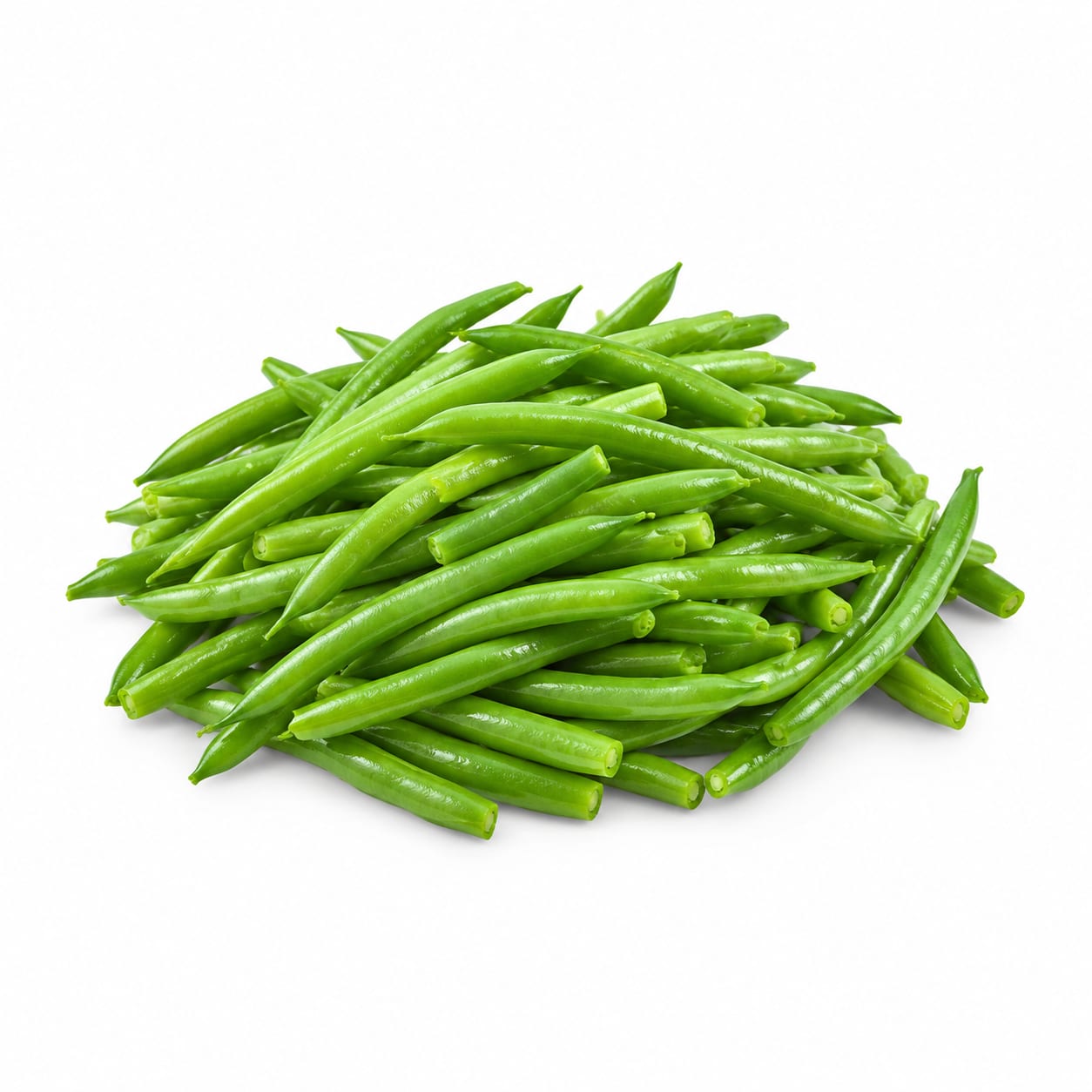
Green Bean
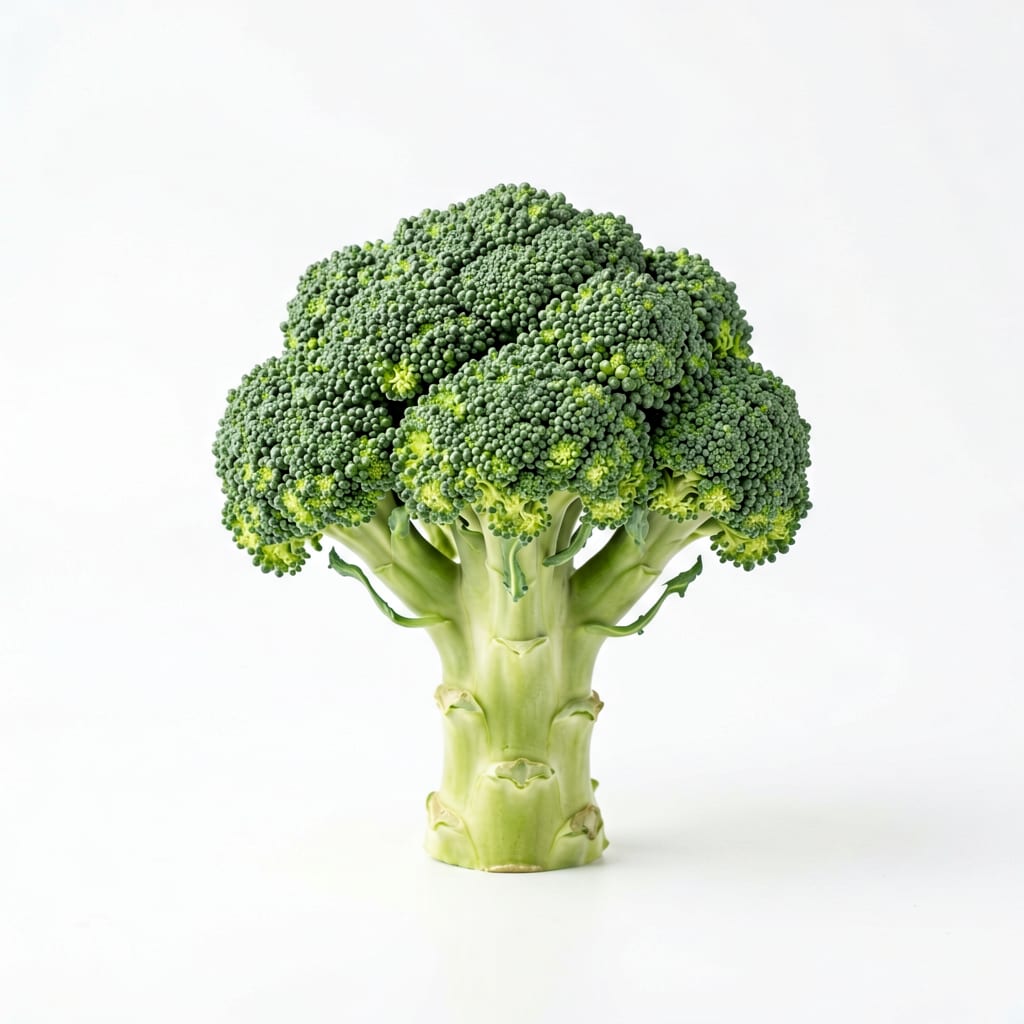
Broccoli
Broccoli delivers more vitamins, antioxidants, and disease-fighting compounds per bite, but green beans are easier to digest and more comfortable for daily eating.
Broccoli scores notably higher due to its superior vitamin C, vitamin K, folate, and sulforaphane content. Green beans close the gap somewhat with better digestive tolerance and easier daily eating, but the nutrient density difference is meaningful.
Broccoli gives you significantly more nutritional firepower, especially for immune support and cancer prevention, while green beans give you a gentler digestive experience with fewer bloating issues.
At a glance
Executive summary
Overall
Broccoli
Healthier
Broccoli
More practical
Green Bean
Daily use
It depends
Key comparison lenses
nutrient density comparison
Broccoli is widely regarded as a superfood while green beans are seen as a basic side — users want to know if the gap is real
digestive tolerance
Broccoli causes gas and bloating for many people while green beans are gentler on the stomach
cancer prevention potential
Broccoli contains sulforaphane, a compound with strong anti-cancer research behind it
daily eating sustainability
Users deciding which vegetable to eat daily want to know which is easier to tolerate long-term
cooking versatility
Both are common dinner sides but behave differently in recipes and meal prep
Best choice for
Green Bean
- People with IBS or sensitive digestion
- Those who get bloated from cruciferous vegetables
- Anyone wanting a low-maintenance daily side dish
- Meal preppers who want vegetables that reheat well without odor
Broccoli
- People prioritizing immune support and disease prevention
- Anyone looking to maximize vitamin intake per calorie
- Those who tolerate cruciferous vegetables well
- People wanting anti-inflammatory benefits from food
Least suitable for
Green Bean
- People seeking maximum antioxidant and vitamin density
- Those specifically wanting sulforaphane benefits
- Anyone needing high folate from food sources
Broccoli
- People with significant IBS or FODMAP sensitivities
- Those who experience uncomfortable bloating from cruciferous vegetables
- Anyone bothered by strong cooking odors in small living spaces
Deep comparison
Dimension by dimension
Each lens scores both foods and breaks down who each option suits.
- Dimension 1 · Priority 92Broccoli
Nutrient Density
Green Bean · 60Broccoli · 90Broccoli packs significantly more vitamins and bioactive compounds per calorie than green beans.
Tradeoff
You get more nutritional value from broccoli but may pay for it with digestive discomfort.
Why it matters
Higher nutrient density means each serving does more for your immune system, bones, and long-term health.
Real-world impact
A single cup of broccoli covers over 100% of your daily vitamin C and K needs, while green beans cover roughly 25-30%.
Green Bean
- Getting consistent baseline nutrition without digestive stress
Better for
- Falling short on vitamin C and K if relied on as your main vegetable
Worse for
Broccoli
- Maximizing vitamin intake from fewer servings
- Getting strong immune support from food
- Supporting bone health through vitamin K
Better for
- Overconsuming if you force larger servings despite digestive discomfort
Worse for
- Dimension 2 · Priority 85Green Bean
Digestive Tolerance
Green Bean · 88Broccoli · 55Green beans are significantly gentler on the digestive system than broccoli.
Tradeoff
Broccoli's fiber and sulfur compounds make it harder to digest but also contribute to its health benefits.
Why it matters
If a vegetable causes bloating or discomfort, you are less likely to eat it regularly, undermining its nutritional advantages.
Real-world impact
Many people avoid broccoli after experiencing gas, while green beans rarely cause digestive complaints even in sensitive individuals.
Green Bean
- Daily eating without worrying about bloating
- People with IBS or FODMAP restrictions
- Eating larger portions comfortably
Better for
- Missing out on the gut-health benefits of cruciferous prebiotic fiber
Worse for
Broccoli
- Feeding gut bacteria with prebiotic fiber if you tolerate it well
Better for
- Causing uncomfortable gas and bloating, especially when raw or undercooked
- Making social situations awkward due to flatulence
Worse for
- Dimension 3 · Priority 80Broccoli
Cancer-Fighting Potential
Green Bean · 40Broccoli · 92Broccoli is one of the most studied cancer-fighting foods thanks to sulforaphane and glucosinolates.
Tradeoff
Green beans have modest antioxidant content but lack the potent anti-cancer compounds found in cruciferous vegetables.
Why it matters
Sulforaphane has been shown to help neutralize carcinogens and reduce tumor growth in numerous studies.
Real-world impact
Regular broccoli consumption is associated with lower rates of several cancers in large population studies. Green beans do not show similar patterns.
Green Bean
- Still contributing antioxidants, just at lower levels
Better for
- Missing the glucosinolate family of protective compounds entirely
Worse for
Broccoli
- Actively supporting the body's detoxification pathways
- Reducing inflammation that can drive cancer risk
- Providing sulforaphane, one of the most researched anti-cancer compounds
Better for
- Sulforaphane is reduced by overcooking, so preparation matters significantly
Worse for
- Dimension 4 · Priority 70Green Bean
Blood Sugar Stability
Green Bean · 82Broccoli · 78Both vegetables support stable blood sugar, but green beans have a slight edge due to their lower carbohydrate content and very low glycemic impact.
Tradeoff
The difference is small and both are excellent choices compared to starchy sides.
Why it matters
For people managing diabetes or trying to avoid energy crashes, every bit of glycemic control helps.
Real-world impact
Replacing rice or potatoes with either vegetable will dramatically improve blood sugar response. The difference between the two is minor.
Green Bean
- Slightly fewer carbs per serving for strict blood sugar management
- Easier to eat in larger quantities without carb concern
Better for
- No significant downside here
Worse for
Broccoli
- Chromium content may support insulin sensitivity
Better for
- Slightly more carbs per serving, though still very low
Worse for
- Dimension 5 · Priority 65It depends
Cooking Versatility and Convenience
Green Bean · 78Broccoli · 75Green beans reheat better and have milder flavor, while broccoli absorbs flavors more readily and offers more texture variety.
Tradeoff
Green beans are more predictable in meal prep; broccoli is more versatile in recipes but can overcook quickly.
Why it matters
The vegetable you actually cook and eat always beats the one that sits in your crisper drawer.
Real-world impact
Green beans hold their texture through reheating, making them ideal for batch cooking. Broccoli can turn mushy and develop strong odors when reheated.
Green Bean
- Meal prep and batch cooking
- Casseroles and slow cooker dishes
- Simple steaming as a no-fuss side
Better for
- Less interesting when eaten raw
- Limited texture variation in cooking
Worse for
Broccoli
- Stir-fries where it absorbs sauce well
- Roasting for crispy texture
- Raw snacking with dip
Better for
- Develops sulfur smell when overcooked
- Reheats poorly for leftovers
- Takes more attention to cook correctly
Worse for
- Dimension 6 · Priority 75Broccoli
Anti-Inflammatory Properties
Green Bean · 50Broccoli · 85Broccoli's sulforaphane and kaempferol give it strong anti-inflammatory credentials that green beans cannot match.
Tradeoff
If inflammation is a concern, broccoli is clearly the better choice — but only if you can digest it comfortably.
Why it matters
Chronic inflammation drives heart disease, arthritis, and aging. Food-based anti-inflammatory support is one of the most sustainable strategies.
Real-world impact
People eating broccoli regularly show lower markers of inflammation in research studies. Green beans show minimal anti-inflammatory effects.
Green Bean
- Providing baseline antioxidant support
Better for
- Lacking the potent anti-inflammatory compounds found in cruciferous vegetables
Worse for
Broccoli
- Actively reducing inflammatory markers through sulforaphane
- Supporting joint health and cardiovascular protection
- Helping with chronic inflammation conditions
Better for
- Benefits are reduced if you cannot eat it regularly due to digestion issues
Worse for
Timeline
Health impact over time
Short-term
Hours to days
Green Bean
- Gentle on digestion with minimal bloating risk
- Provides steady energy without blood sugar spikes
- Light enough to eat before physical activity without discomfort
Broccoli
- May cause gas, bloating, or flatulence especially if unaccustomed to cruciferous vegetables
- High vitamin C content supports immediate immune function
- Can feel heavy in the stomach if eaten in large quantities raw
Long-term
Months to years
Green Bean
- Consistent baseline nutrition from regular consumption
- Supports healthy digestion without irritation
- Lower cancer-prevention benefit compared to cruciferous alternatives
Broccoli
- Significantly reduced risk of several cancers with regular consumption
- Stronger bone density support from high vitamin K intake
- Better cardiovascular protection through anti-inflammatory pathways
- Potential for ongoing digestive discomfort if tolerance is low
Risk profile
Safety & processing
Both green beans and broccoli are whole, minimally processed vegetables when purchased fresh or frozen. Canned green beans can contain added sodium, so check labels. Frozen versions of both are excellent choices with no additive concerns.
Green Bean
Pesticide residue
mediumGreen beans consistently appear on the EWG's Dirty Dozen list due to pesticide residues. Washing helps but does not eliminate all residues. Organic is preferable.
Canned sodium content
mediumCanned green beans often contain 400-600mg of sodium per serving. Rinsing reduces but does not fully remove it.
Broccoli
Pesticide residue
lowBroccoli typically has lower pesticide residues than green beans and is not on the Dirty Dozen list. The tight floret structure provides some natural protection.
Goitrogenic compounds
lowBroccoli contains goitrogens that can interfere with thyroid function in extremely large amounts, but this is rarely a practical concern for people with normal thyroid function. Cooking reduces goitrogen content significantly.
Who wins for whom
Audience fit
Same foods, different winners depending on your goal.
children
Green BeanGreen beans are milder in flavor and easier for kids to accept. Broccoli's stronger taste and texture can be a hard sell for picky eaters, though roasting helps.
daily consumption
It dependsGreen beans are more comfortable to eat daily due to better digestive tolerance. Broccoli provides more health benefits per serving but may cause issues if eaten every single day for those with sensitive digestion.
diabetes
Green BeanGreen beans have slightly fewer carbs and an extremely low glycemic load, making them marginally better for strict blood sugar management. Both are far superior to starchy sides.
elderly
It dependsBroccoli provides more bone-supporting vitamin K and anti-inflammatory compounds important for aging, but green beans are easier to chew and digest for those with dental or digestive issues.
muscle gain
BroccoliBroccoli has about twice the protein per serving compared to green beans, though neither is a significant protein source. The difference is small but real.
weight loss
BroccoliBroccoli is slightly more filling per calorie due to higher fiber and protein content, making it easier to eat less overall. Both are excellent low-calorie choices.
Your move
Decision guide
Choose Green Bean
- You experience bloating or gas from broccoli and other cruciferous vegetables
- You want a reliable daily side dish that never causes digestive complaints
- You are meal prepping and need vegetables that reheat well
- You are feeding picky children who resist strong-flavored vegetables
- You have thyroid concerns and want to limit goitrogen intake
Choose Broccoli
- You want to maximize cancer-fighting compounds in your diet
- You tolerate cruciferous vegetables without digestive issues
- Immune support and anti-inflammatory benefits are top priorities
- You want the most vitamin C and K per serving
- You enjoy roasting vegetables and experimenting with texture
Either works if
- You simply need more vegetables in your diet and will eat whichever you enjoy more
- You are building a varied vegetable rotation and can include both
- Blood sugar management is your goal, as both are excellent low-glycemic choices
Avoid both if
- You are on a very strict vitamin K restriction due to blood-thinning medication like warfarin
- You have a known allergy to either vegetable, which is rare but possible
Final recommendation
Eat both, but prioritize broccoli if your digestion allows it. The cancer-fighting and anti-inflammatory benefits of broccoli are hard to replicate from other foods. Use green beans as your comfortable daily staple and add broccoli 3-4 times per week for its unique compounds. If broccoli causes you consistent discomfort, green beans are a perfectly respectable daily vegetable — just try to include other colorful vegetables to compensate for the lower antioxidant content.
Practical
Consumer tips
- 1
Buy organic green beans when possible — they rank high for pesticide residue
- 2
Lightly steam broccoli instead of boiling to preserve sulforaphane content
- 3
If broccoli causes gas, try roasting it — many people tolerate it better than steamed
- 4
Let chopped broccoli sit for 40 minutes before cooking to maximize sulforaphane formation
- 5
Frozen broccoli and green beans are just as nutritious as fresh and often more convenient
- 6
Rinse canned green beans thoroughly to remove roughly 30-40% of added sodium
- 7
Pair either vegetable with a healthy fat like olive oil to absorb fat-soluble vitamins