
Nutrition comparison
Green Beans vs Bell Peppers: Nutrition, Fiber, Vitamin C, and Pesticide Comparison
Green beans offer more fiber and better blood sugar control. Bell peppers deliver far more vitamin C and raw snacking convenience. Compare both to find which fits your health goals.
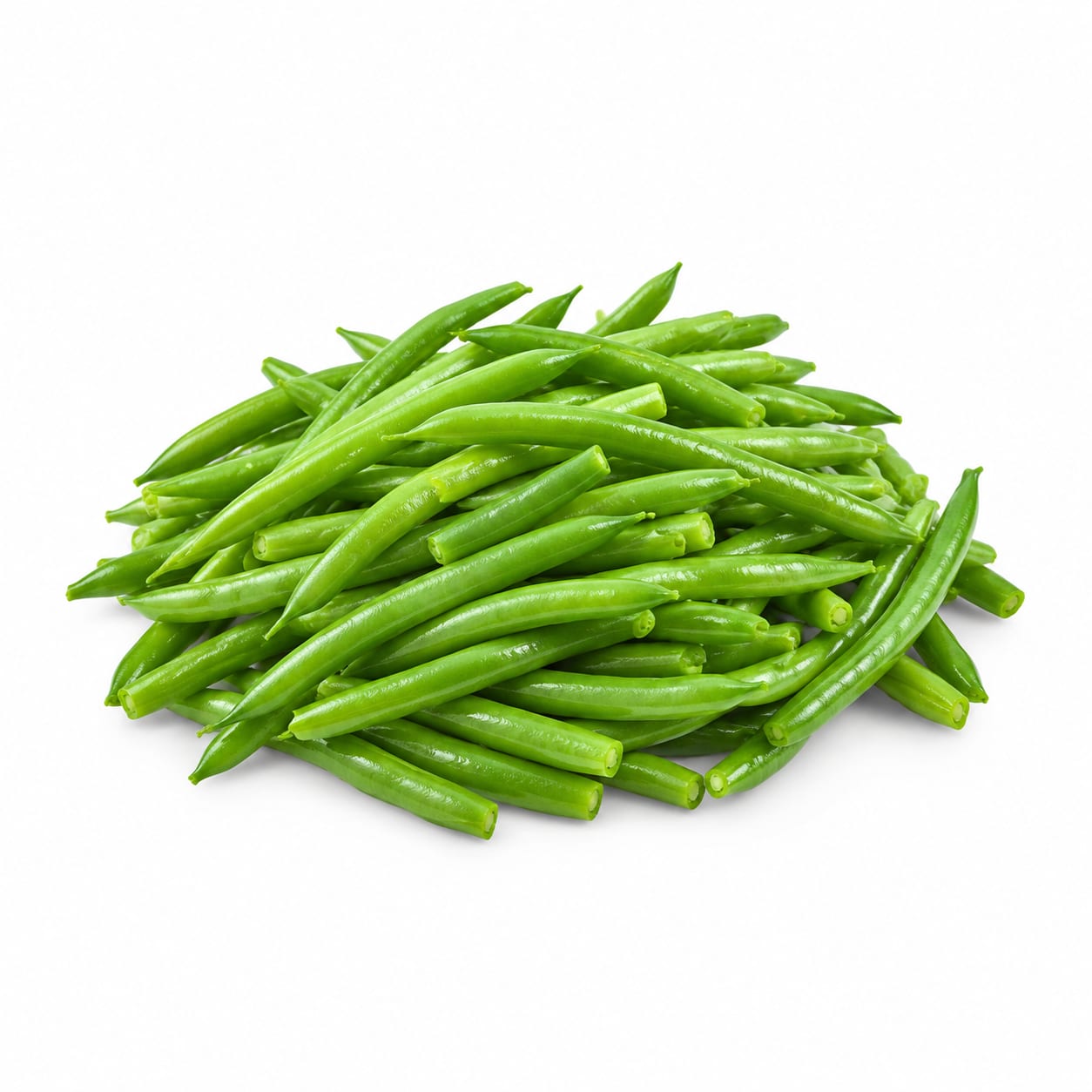
Green Bean
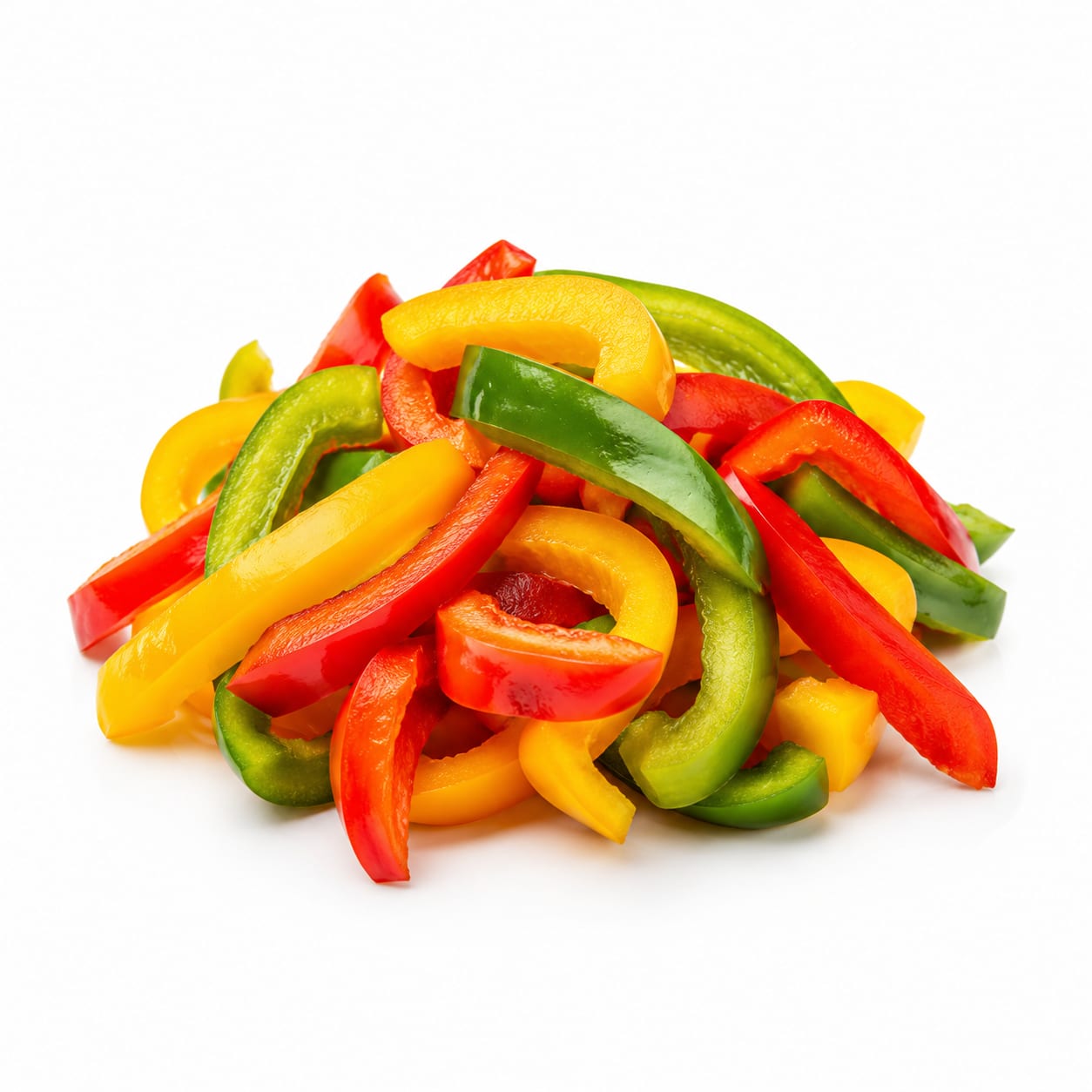
Bell Peppers
Green beans win for fiber, blood sugar control, and satiety. Bell peppers dominate on vitamin C and raw snacking convenience. Both are excellent vegetables with complementary strengths.
Green beans edge ahead on fiber, blood sugar stability, and satiety, but bell peppers are close behind with exceptional vitamin C content and raw convenience. The small gap reflects green beans being slightly more useful for daily metabolic health, while bell peppers offer stronger immune support and versatility.
More fiber and steadier blood sugar with green beans versus dramatically more vitamin C and raw-eating convenience with bell peppers.
At a glance
Executive summary
Overall
It depends
Healthier
It depends
More practical
Bell Peppers
Daily use
Green Bean
Key comparison lenses
nutrient density and vitamin comparison
These vegetables shine in different vitamin categories, making the tradeoff meaningful for daily nutrition
blood sugar and low-carb eating
Green beans have significantly less sugar, which matters for glucose-sensitive users
raw snacking and meal versatility
Bell peppers are commonly eaten raw as a snack; green beans almost always require cooking
pesticide exposure and food safety
Bell peppers frequently appear on EWG's Dirty Dozen list; green beans have moderate residue concerns
weight management and satiety
Both are low-calorie but green beans offer more fiber per serving, keeping you fuller longer
Best choice for
Green Bean
- People managing blood sugar or following low-carb diets
- Anyone prioritizing digestive fullness and fiber intake
- Those who prefer cooked vegetable sides over raw snacks
- Meal preppers building batch-cooked vegetable bases
Bell Peppers
- People wanting a crunchy raw snack without prep
- Anyone needing a vitamin C boost, especially in winter
- Families looking for kid-friendly sweet vegetable flavors
- Those building colorful, visually appealing meals
Least suitable for
Green Bean
- Raw snackers who want zero-cook options
- People sensitive to lectins or who experience gas from legumes
- Anyone seeking a sweet-tasting vegetable
Bell Peppers
- Strict low-sugar or keto dieters watching every carb gram
- People with nightshade sensitivities or joint inflammation concerns
- Those avoiding conventional produce with high pesticide residues
Deep comparison
Dimension by dimension
Each lens scores both foods and breaks down who each option suits.
- Dimension 1 · Priority 90Green Bean
Fiber and Satiety
Green Bean · 82Bell Peppers · 55Green beans deliver roughly double the fiber per serving, making them noticeably more filling and better for digestive regularity.
Tradeoff
You get more staying power with green beans, but bell peppers are lighter and easier to eat in larger volumes raw.
Why it matters
Fiber directly controls how satisfied you feel after eating and how stable your blood sugar stays. This matters enormously for weight management and energy consistency.
Real-world impact
A serving of green beans with dinner keeps you full until bedtime. Bell peppers as a snack may leave you reaching for something else within an hour.
Green Bean
- Sustained fullness between meals
- Digestive regularity
- Blood sugar stability after eating
Better for
- Can cause bloating or gas in sensitive people
Worse for
Bell Peppers
- Light snacking without feeling heavy
- Eating larger volumes for fewer calories
Better for
- Less satisfying as a standalone snack
- May not curb hunger effectively alone
Worse for
- Dimension 2 · Priority 88Bell Peppers
Vitamin and Antioxidant Profile
Green Bean · 60Bell Peppers · 90Bell peppers are vitamin C powerhouses, with red bell peppers containing over 150% of daily needs per serving. Green beans offer more vitamin K and folate instead.
Tradeoff
Bell peppers give you an immune-boosting vitamin C surge, while green beans provide steadier support for blood clotting and cell repair through vitamin K.
Why it matters
Vitamin C is water-soluble and must be replenished daily. Bell peppers are one of the best dietary sources available, far surpassing green beans.
Real-world impact
Eating a red bell pepper at lunch covers your vitamin C for the day. You would need several cups of green beans to match that.
Green Bean
- Vitamin K for bone and blood health
- Folate for cell repair and pregnancy support
- Manganese for metabolism
Better for
- Minimal vitamin C compared to bell peppers
Worse for
Bell Peppers
- Vitamin C for immune function and skin health
- Beta-carotene in red and yellow varieties
- Vitamin B6 for brain and nerve function
Better for
- Lower folate and vitamin K content
Worse for
- Dimension 3 · Priority 85Green Bean
Blood Sugar Impact
Green Bean · 88Bell Peppers · 68Green beans contain roughly half the sugar of bell peppers and more fiber to slow absorption, making them the clearly safer choice for glucose management.
Tradeoff
The natural sweetness of bell peppers makes them more palatable raw but comes with a higher sugar load that can cause small glucose upticks.
Why it matters
For anyone with insulin resistance, prediabetes, or diabetes, the difference between 3g and 6g of sugar per serving adds up across the day.
Real-world impact
Green beans as a side dish will not move your blood sugar needle. Bell peppers in large amounts could cause a noticeable uptick, especially if eaten alone.
Green Bean
- Steadier blood sugar after meals
- Safer for diabetic or low-carb meal plans
- Less likely to trigger sugar cravings
Better for
- Less appealing to people who dislike bitter or bland flavors
Worse for
Bell Peppers
- Natural sweetness satisfies sugar cravings healthily
- Better than fruit for a sweet fix with less sugar
Better for
- Higher sugar can compound across meals
- Less ideal as a primary vegetable for keto dieters
Worse for
- Dimension 4 · Priority 78Bell Peppers
Convenience and Versatility
Green Bean · 55Bell Peppers · 85Bell peppers can be eaten raw, roasted, sautéed, or stuffed with zero blanching required. Green beans almost always need cooking to be palatable and safe.
Tradeoff
Bell peppers are grab-and-go ready; green beans require at least steaming or sautéing, which adds 10-15 minutes of prep.
Why it matters
Convenience determines what you actually eat on busy days. The vegetable that requires no cooking wins the real-world usage test.
Real-world impact
Slice a bell pepper and eat it at your desk. Green beans require a pot, water, and stovetop time before they become edible.
Green Bean
- Excellent for batch cooking and meal prep
- Hold texture well in casseroles and soups
Better for
- Cannot be eaten raw comfortably
- Require cooking equipment and time
- Less visually exciting on the plate
Worse for
Bell Peppers
- Zero-prep raw snacking
- Stuffing and roasting in one step
- Color variety makes meals visually appealing
- Freeze well for later cooking use
Better for
- Can spoil faster than green beans in the fridge
- Larger vegetables take more storage space
Worse for
- Dimension 5 · Priority 72Green Bean
Pesticide and Contamination Risk
Green Bean · 70Bell Peppers · 48Bell peppers frequently rank on the EWG Dirty Dozen list for pesticide residues. Green beans have moderate concerns but generally test cleaner.
Tradeoff
Choosing organic bell peppers significantly reduces risk but increases cost. Green beans from conventional sources carry less worry.
Why it matters
Pesticide exposure accumulates over years. Choosing lower-residue vegetables for daily consumption reduces your overall body burden.
Real-world impact
If you eat bell peppers daily, budget for organic. Green beans from conventional sources are a more affordable safe bet.
Green Bean
- Lower average pesticide residue levels
- More affordable to buy conventional safely
Better for
- Still appear on occasional watch lists for specific pesticides
Worse for
Bell Peppers
- Organic options widely available
- Thick flesh reduces some surface residue penetration
Better for
- Consistently flagged for multiple pesticide residues
- Organic versions significantly more expensive
Worse for
Timeline
Health impact over time
Short-term
Hours to days
Green Bean
- Improved digestive regularity within hours due to higher fiber content
- Steady energy without blood sugar spikes after meals
- Possible gas or bloating if you are not used to higher fiber intake
Bell Peppers
- Quick vitamin C absorption supporting immune function within hours
- Mild blood sugar uptick from natural sugars, especially red varieties
- Immediate hydration benefit from high water content
Long-term
Months to years
Green Bean
- Better long-term blood sugar management and reduced diabetes risk
- Improved gut microbiome diversity from consistent fiber intake
- Stronger bones from regular vitamin K consumption
Bell Peppers
- Enhanced immune resilience from sustained high vitamin C intake
- Better skin health and collagen production over months
- Reduced oxidative stress from carotenoid antioxidants in colored varieties
Risk profile
Safety & processing
Both green beans and bell peppers are whole, minimally processed vegetables when purchased fresh or frozen. Canned green beans may contain added sodium, and frozen bell peppers in stir-fry mixes may include sauces with additives. Stick to fresh or plain frozen for the cleanest option.
Green Bean
Lectin content in raw beans
mediumRaw green beans contain lectins that can cause nausea or digestive distress. Always cook green beans before eating to neutralize lectins completely.
Canned sodium levels
mediumCanned green beans often contain 400-800mg of sodium per serving. Rinse thoroughly or choose no-salt-added versions.
Pesticide residue
lowGreen beans occasionally show organophosphate residues but generally test below concern thresholds. Washing reduces risk further.
Bell Peppers
High pesticide residue
highBell peppers consistently rank on the EWG Dirty Dozen list, often testing positive for multiple pesticide types. Prioritize organic when possible, especially for daily consumption.
Nightshade sensitivity
lowBell peppers belong to the nightshade family. Some people with autoimmune conditions or joint pain report increased inflammation from nightshades, though evidence is largely anecdotal.
Cross-contamination in pre-cut packages
lowPre-sliced bell peppers from grocery stores carry slightly higher foodborne illness risk due to increased handling and surface exposure.
Who wins for whom
Audience fit
Same foods, different winners depending on your goal.
children
Bell PeppersThe natural sweetness and crunchy raw texture of bell peppers makes them far more appealing to kids. Green beans are often rejected at the dinner table.
daily consumption
Green BeanLower pesticide risk, better blood sugar profile, and higher fiber make green beans the safer daily staple. Rotate bell peppers in a few times per week for vitamin C variety.
diabetes
Green BeanHalf the sugar and double the fiber makes green beans the clearly safer choice for blood glucose management.
elderly
Green BeanSofter cooked green beans are easier to chew and digest for aging teeth and digestive systems. The fiber also helps with common constipation issues in older adults.
muscle gain
It dependsNeither vegetable is a protein source. Bell peppers offer slightly more vitamin C which supports collagen and tissue repair, but the difference is marginal for muscle building.
weight loss
Green BeanGreen beans provide more fiber and fewer calories per filling serving, making it easier to stay in a deficit without hunger.
Your move
Decision guide
Choose Green Bean
- You are managing blood sugar, insulin resistance, or diabetes
- Fiber and digestive regularity are top priorities for you
- You prefer cooked vegetable sides over raw snacks
- You want an affordable daily vegetable with low pesticide concerns
- You are meal prepping for the week and need a reliable base vegetable
Choose Bell Peppers
- You want a no-cook crunchy snack for work or school lunches
- Immune support and vitamin C intake matter most to you
- You are feeding kids who prefer sweeter vegetables
- You love colorful, visually appealing meals for social dining
- You can budget for organic produce to avoid pesticide residues
Either works if
- You are building a varied vegetable rotation for general health
- You want to increase your daily vegetable volume without many calories
- You enjoy both cooked and raw vegetable options throughout the week
Avoid both if
- You have a severe nightshade sensitivity affecting both vegetables
- You are on a very strict very-low-fiber diet for digestive recovery
- You only have access to canned green beans with high sodium and cannot rinse them
Final recommendation
Eat both, but lean on green beans as your daily staple and treat bell peppers as your vitamin C booster. Green beans give you steadier blood sugar, more fiber, and lower pesticide risk for everyday use. Bell peppers add color, crunch, and an immune-supporting vitamin C punch that green beans simply cannot match. The ideal plate has room for both.
Practical
Consumer tips
- 1
Buy organic bell peppers when possible, especially if you eat them daily. The pesticide residue difference is significant.
- 2
Steam or sauté green beans instead of boiling to preserve water-soluble vitamins.
- 3
Red and yellow bell peppers contain far more vitamin C and beta-carotene than green bell peppers. Choose colored varieties for maximum nutrition.
- 4
Freeze fresh bell peppers when they are on sale. They lose crunch but work perfectly in cooked dishes later.
- 5
Rinse canned green beans thoroughly to remove up to 40% of added sodium.
- 6
Roast both vegetables together with olive oil for a side dish that combines the strengths of each.
- 7
If bell peppers cause you stomach discomfort, try removing the skin by roasting and peeling them first.