
Nutrition comparison
Green Beans vs Asparagus: Nutrition, Gut Health, and Cost Compared
Discover the nutritional differences between green beans and asparagus. Learn which is better for weight loss, gut health, and your budget.
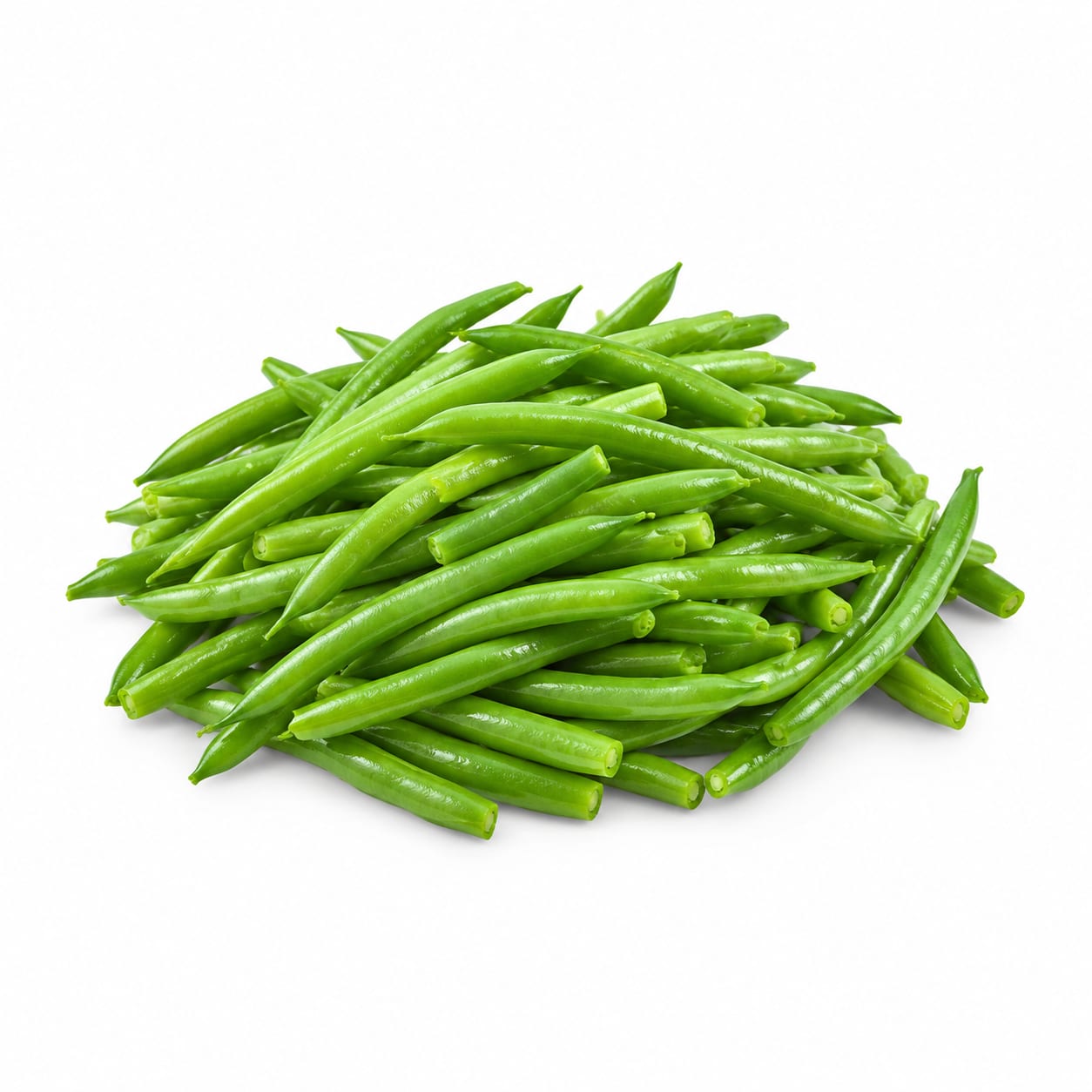
Green Bean
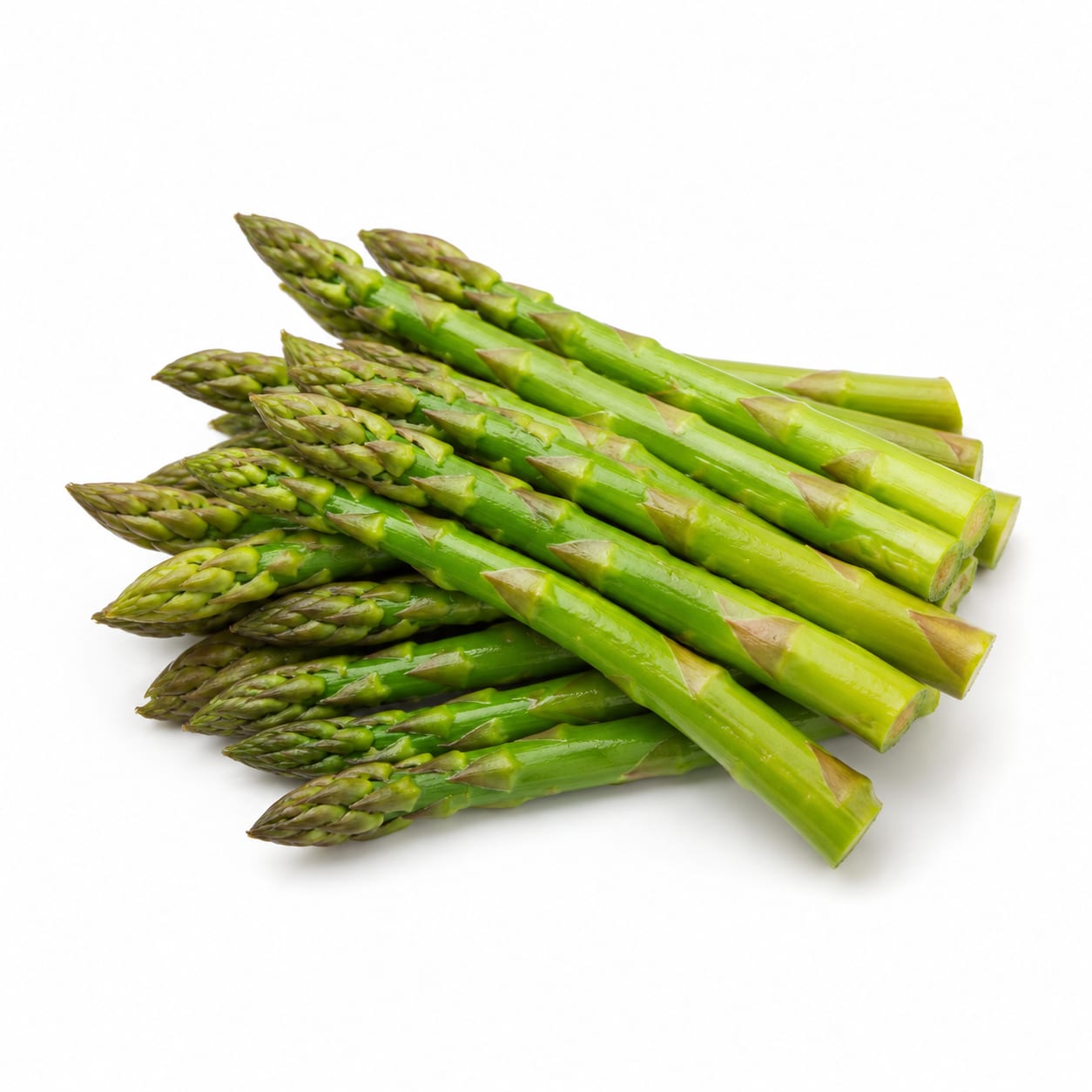
Asparagus
Asparagus delivers a stronger punch of folate and prebiotics, while green beans offer more fiber, crunch, and everyday affordability.
Asparagus edges ahead slightly due to its exceptional micronutrient profile and prebiotic benefits, though green beans remain an excellent, practical staple.
Premium nutrient density and gut support in asparagus versus higher satiety and lower cost in green beans.
At a glance
Executive summary
Overall
It depends
Healthier
Asparagus
More practical
Green Bean
Daily use
Green Bean
Key comparison lenses
Nutrient density and vitamin profile
Asparagus is notably richer in folate and vitamin K, making it a standout for cellular health and bone support.
Gut health and digestion
Asparagus contains inulin, a powerful prebiotic, while green beans offer more roughage for bowel regularity.
Budget and everyday practicality
Green beans are significantly cheaper and more accessible year-round, impacting long-term dietary sustainability.
Best choice for
Green Bean
- Budget-conscious meal preppers
- People seeking higher fiber and fullness
- Families needing kid-friendly veggie sides
Asparagus
- Pregnant women or those seeking high folate
- People focusing on gut microbiome health
- Anyone needing a natural diuretic to reduce bloating
Least suitable for
Green Bean
- Those specifically needing high folate intake
Asparagus
- People with severe gout sensitive to purines
- Those on a very tight grocery budget
Deep comparison
Dimension by dimension
Each lens scores both foods and breaks down who each option suits.
- Dimension 1 · Priority 90Asparagus
Micronutrient Density
Green Bean · 70Asparagus · 92Asparagus is a micronutrient powerhouse, especially for folate and vitamin K.
Tradeoff
You get far more folate and vitamin K with asparagus, but green beans provide slightly more vitamin C.
Why it matters
Folate is critical for cell division and DNA synthesis, making asparagus especially valuable for pregnant women.
Real-world impact
Eating asparagus regularly can help meet B-vitamin needs that support steady energy and mood.
Green Bean
- Boosting daily vitamin C intake
Better for
- Meeting high folate requirements
Worse for
Asparagus
- Supporting pregnancy nutritional needs
- Enhancing blood clotting and bone health
Better for
- Diversifying vitamin C sources
Worse for
- Dimension 2 · Priority 85Asparagus
Gut Health & Digestion
Green Bean · 75Asparagus · 88Asparagus contains inulin, a prebiotic fiber that feeds beneficial gut bacteria, while green beans provide more insoluble bulk.
Tradeoff
Asparagus nourishes your microbiome, whereas green beans move things through your digestive tract faster.
Why it matters
A diverse microbiome is linked to better immunity and mood, while insoluble fiber prevents constipation.
Real-world impact
If you struggle with bloating from an unbalanced microbiome, asparagus can help rebuild good bacteria.
Green Bean
- Relieving constipation with roughage
- Providing a more filling, bulky side dish
Better for
- Actively rebuilding a damaged microbiome
Worse for
Asparagus
- Feeding beneficial gut bacteria
- Improving nutrient absorption via microbiome health
Better for
- Providing maximum stool bulk
Worse for
- Dimension 3 · Priority 75Green Bean
Satiety & Fullness
Green Bean · 82Asparagus · 70Green beans offer more fiber per serving and a crunchier texture that makes meals feel more substantial.
Tradeoff
Green beans keep you fuller for longer, while asparagus is lighter and less filling.
Why it matters
Staying full between meals prevents unnecessary snacking and helps manage overall calorie intake.
Real-world impact
A side of green beans with dinner is more likely to stop late-night fridge raids than a few spears of asparagus.
Green Bean
- Staying full between meals
- Managing overall calorie intake through volume eating
Better for
- Wanting a very light pre-workout meal
Worse for
Asparagus
- Eating light before a workout
- Avoiding heavy feelings before bed
Better for
- Controlling hunger on a calorie deficit
Worse for
- Dimension 4 · Priority 80Green Bean
Practicality & Affordability
Green Bean · 90Asparagus · 65Green beans are cheaper, available year-round, and require less prep than asparagus.
Tradeoff
Green beans save money and time, while asparagus often costs more and requires trimming and careful cooking.
Why it matters
The best vegetable for your health is the one you can afford and cook easily every week.
Real-world impact
You can buy a pound of green beans for a fraction of the cost of asparagus, making them a stress-free staple.
Green Bean
- Sticking to a tight grocery budget
- Quick weeknight side dishes with minimal prep
Better for
- Creating a gourmet dining experience
Worse for
Asparagus
- Impressing guests with an elegant side dish
- Special occasion meals
Better for
- Feeding a large family on a budget
Worse for
Timeline
Health impact over time
Short-term
Hours to days
Green Bean
- Provides a satisfying crunch that makes meals feel larger
- Gentle on the digestive system with well-tolerated fiber
Asparagus
- Acts as a natural diuretic, reducing water retention and bloating
- Noticeable urine odor due to asparagusic acid breakdown, which is harmless
Long-term
Months to years
Green Bean
- Supports consistent bowel regularity due to reliable fiber intake
- Helps maintain healthy blood pressure with steady potassium intake
Asparagus
- Reduces risk of neural tube defects and supports brain health via high folate
- Cultivates a robust gut microbiome that strengthens immune defenses
Risk profile
Safety & processing
Both green beans and asparagus are whole, natural vegetables typically eaten in their unprocessed state, making them equally clean choices.
Green Bean
Pesticide residue
mediumGreen beans often appear on the EWG's Dirty Dozen list, so buying organic or washing thoroughly is recommended.
Asparagus
Purine content
lowAsparagus contains moderate purines, which can trigger gout flare-ups in highly sensitive individuals.
Pesticide residue
lowAsparagus is on the EWG's Clean 15 list, meaning it rarely tests positive for harmful pesticide levels.
Who wins for whom
Audience fit
Same foods, different winners depending on your goal.
children
Green BeanGreen beans are easier for kids to eat as finger food, have a milder flavor, and are less likely to cause textural rejection.
daily consumption
Green BeanGreen beans are more affordable and easier to incorporate into daily meals without breaking the budget.
diabetes
It dependsBoth are extremely low on the glycemic index and won't spike blood sugar, making them equally excellent choices.
elderly
AsparagusAsparagus provides crucial folate and B vitamins for cognitive health, plus prebiotics for age-related gut changes.
muscle gain
AsparagusAsparagus offers slightly more protein per calorie and folate, which supports cell repair and tissue growth.
weight loss
Green BeanGreen beans provide more volume and fiber per calorie, helping you feel full on less food.
Your move
Decision guide
Choose Green Bean
- You are meal prepping on a budget
- You want a high-fiber side that keeps you full for hours
- You need a kid-friendly vegetable that is easy to roast or steam
Choose Asparagus
- You are pregnant or trying to conceive and need extra folate
- You want to support your gut microbiome with prebiotic fiber
- You feel bloated and want a natural diuretic effect
Either works if
- You need a low-carb side dish for a steak or fish dinner
- You are managing blood sugar and need non-starchy vegetables
Avoid both if
- You have severe oral allergy syndrome related to raw vegetables (cooking usually resolves this)
Final recommendation
Rotate both for the best results. Use green beans for everyday, budget-friendly meals and asparagus for targeted gut health and folate boosts a few times a week.
Practical
Consumer tips
- 1
Buy organic green beans when possible, as they often carry higher pesticide residues.
- 2
Snap the woody ends off asparagus before cooking; they are tough and unpleasant to eat.
- 3
Roast both vegetables with olive oil and garlic to bring out their natural sweetness without adding calories.
- 4
Do not overcook asparagus; it becomes mushy and loses its valuable folate content.