
Nutrition comparison
Green Bean vs Zucchini: Nutrition, Health Benefits & Which is Better
Compare green beans vs zucchini for weight loss, blood sugar, and nutrients. Find out which low-calorie vegetable is best for your diet and digestion.
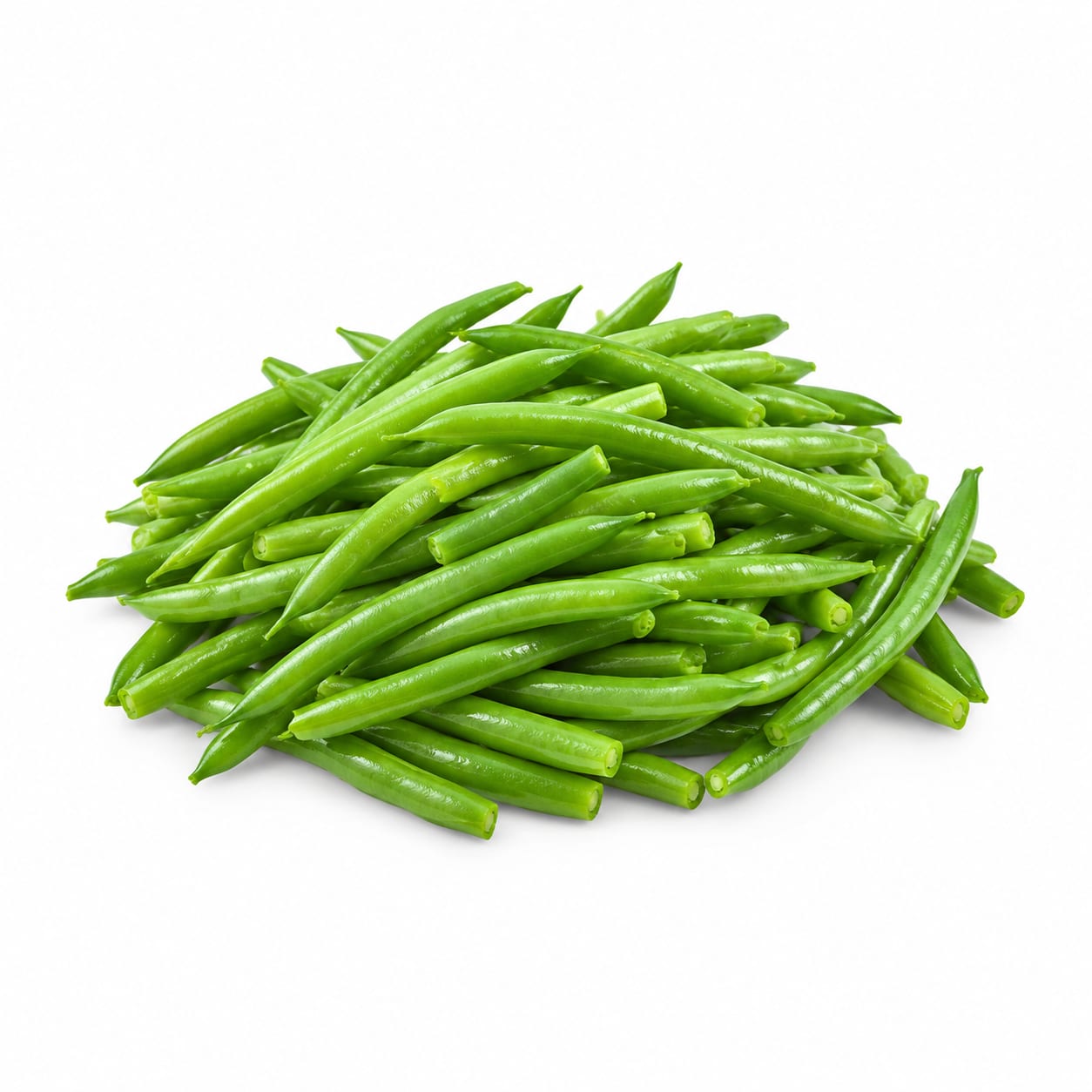
Green Bean
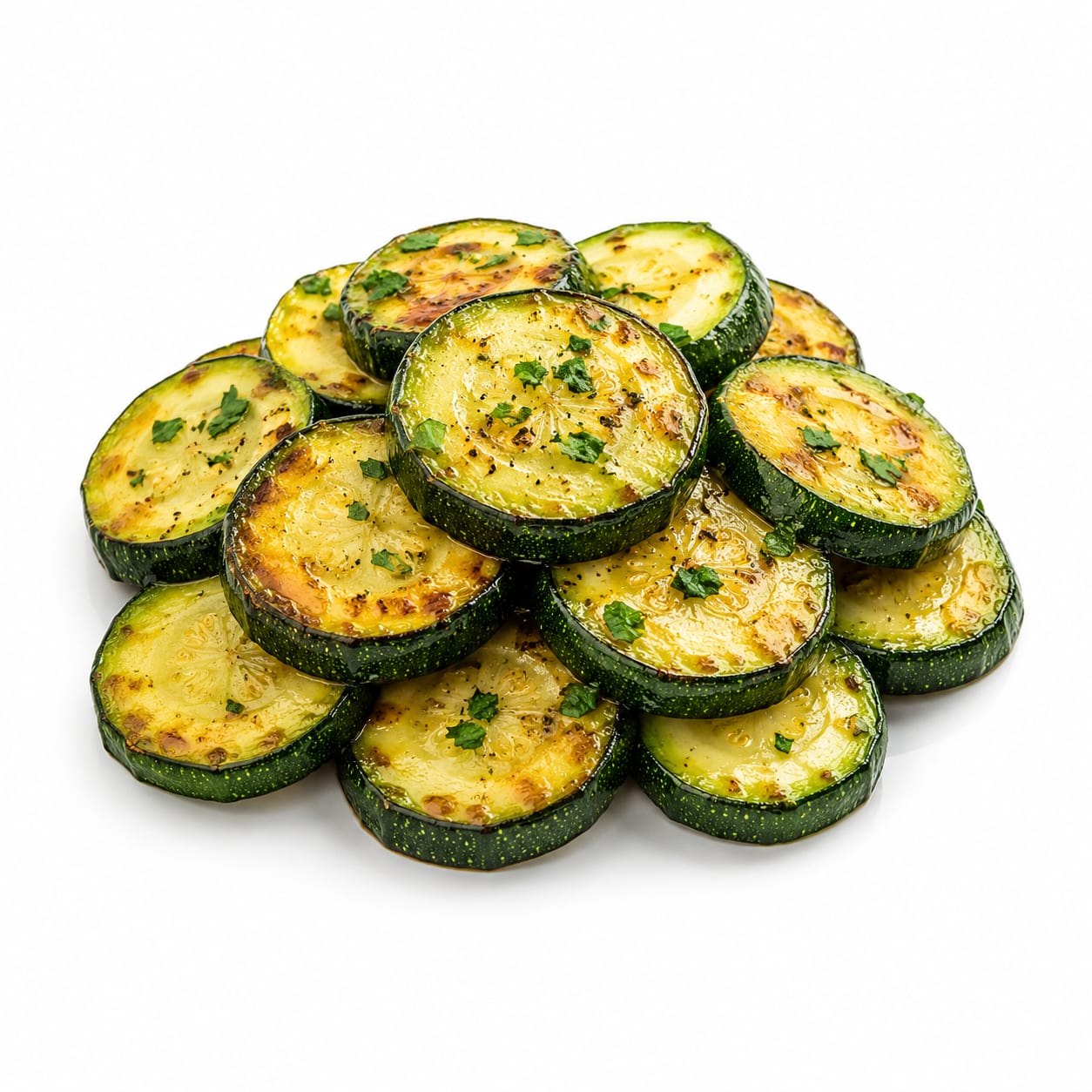
Zucchini
Green beans pack more micronutrients and fiber per bite, while zucchini offers unmatched culinary versatility and easier digestion.
Green beans score slightly higher for micronutrient density and blood sugar control, but zucchini stays close due to superior digestion, volume, and kitchen versatility.
Nutrient density and blood sugar stability versus volume eating and stomach comfort.
At a glance
Executive summary
Overall
It depends
Healthier
Green Bean
More practical
Zucchini
Daily use
Zucchini
Key comparison lenses
Low-calorie vegetable selection for weight loss
Both are diet staples, but they serve very different roles in volume eating versus nutrient density.
Blood sugar management and fiber intake
Users comparing these often want to know which keeps blood sugar steadier and digestion smoother.
Digestive tolerance and meal versatility
Zucchini is famously easy on the stomach and highly versatile, while green beans can cause bloating for some.
Best choice for
Green Bean
- People managing diabetes or blood sugar spikes
- Anyone needing more iron, magnesium, or vitamin K
- Those on a low-carb or keto diet wanting more fiber
Zucchini
- Volume eaters wanting large portions for few calories
- People with sensitive stomachs or IBS
- Home cooks looking for a versatile pasta substitute or baking ingredient
Least suitable for
Green Bean
- People prone to bloating or gas from fibrous vegetables
- Anyone looking for a high-volume, water-rich base for meals
Zucchini
- Those strictly monitoring vitamin K or iron intake
- People wanting a vegetable with a firm, snappy texture
Deep comparison
Dimension by dimension
Each lens scores both foods and breaks down who each option suits.
- Dimension 1 · Priority 90Green Bean
Nutrient Density
Green Bean · 85Zucchini · 70Green beans deliver significantly more iron, magnesium, potassium, and vitamin K per calorie than zucchini.
Tradeoff
You get more vitamins and minerals with green beans, but zucchini offers more vitamin C and hydration.
Why it matters
Higher nutrient density means you get more health benefits from smaller portions, which is crucial if you eat lightly.
Real-world impact
A cup of green beans covers a much larger chunk of your daily vitamin K needs compared to zucchini.
Green Bean
- Boosting iron and magnesium intake
- Supporting bone health with vitamin K
Better for
- Getting vitamin C
- Meeting daily hydration needs
Worse for
Zucchini
- Increasing daily vitamin C
- Staying hydrated during hot weather
Better for
- Preventing iron deficiency
- Getting enough folate
Worse for
- Dimension 2 · Priority 85Green Bean
Blood Sugar & Fiber
Green Bean · 82Zucchini · 75Green beans have slightly more fiber and protein per serving, leading to steadier blood sugar responses.
Tradeoff
Green beans stabilize energy better, but their tough fiber can cause gas, whereas zucchini is gentler on the gut.
Why it matters
Steadier blood sugar prevents afternoon energy crashes and reduces cravings.
Real-world impact
Eating green beans with a meal will keep you full slightly longer than zucchini, which digests quickly.
Green Bean
- Preventing blood sugar spikes
- Feeling full for longer after eating
Better for
- Managing IBS or fiber sensitivity
- Avoiding post-meal bloating
Worse for
Zucchini
- Avoiding digestive discomfort
- Eating a large volume without feeling heavy
Better for
- Sustaining energy between meals
- Getting enough daily fiber without supplements
Worse for
- Dimension 3 · Priority 80Zucchini
Versatility & Digestion
Green Bean · 65Zucchini · 90Zucchini is incredibly gentle on the stomach and can be spiralized, baked into breads, or mashed, while green beans are mostly limited to side dishes.
Tradeoff
Zucchini blends into almost any recipe seamlessly, but green beans offer a satisfying crunch that holds up better on their own.
Why it matters
If a vegetable is easy to cook and digest, you will actually eat it every day instead of letting it rot in the crisper.
Real-world impact
Zucchini can replace pasta for a light dinner, whereas green beans are usually just a side dish next to the main event.
Green Bean
- Adding a crisp texture to meals
- Serving as a standalone snack
Better for
- Using as a pasta or grain substitute
- Hiding in baked goods or smoothies
Worse for
Zucchini
- Making low-carb pasta alternatives
- Bulking up soups and stews seamlessly
- Soothing an upset stomach
Better for
- Eating raw as a crunchy snack
- Maintaining texture in long-cooking casseroles
Worse for
- Dimension 4 · Priority 75Zucchini
Satiety & Volume
Green Bean · 78Zucchini · 88Zucchini's high water content lets you eat massive portions for very few calories, making it a favorite for volume eaters.
Tradeoff
You can eat a mountain of zucchini for the same calories as a small serving of green beans, but zucchini leaves your stomach faster.
Why it matters
Volume eating helps with weight loss by physically stretching the stomach without adding calories.
Real-world impact
A huge bowl of zucchini noodles feels like a feast, while an equivalent calorie portion of green beans looks tiny on the plate.
Green Bean
- Sustained fullness over several hours
- Getting more nutrients per bite
Better for
- Satisfying the psychological need to eat a lot of food
- Keeping calories ultra-low
Worse for
Zucchini
- Eating large portions on a cut
- Feeling physically stuffed without the calories
Better for
- Staying full hours after the meal
- Avoiding late-night hunger after a light dinner
Worse for
Timeline
Health impact over time
Short-term
Hours to days
Green Bean
- Provides steady energy without a sugar crash
- May cause gas or bloating if you are not used to high fiber
Zucchini
- Feels very light and hydrating in the stomach
- Digests quickly, which might leave you hungry sooner
Long-term
Months to years
Green Bean
- Supports stronger bones and blood clotting via high vitamin K
- Helps maintain steady blood sugar over the years
Zucchini
- Makes sticking to a low-calorie diet much easier long-term
- Encourages daily vegetable intake due to sheer versatility
Risk profile
Safety & processing
Both green beans and zucchini are whole, natural vegetables with virtually no additive concerns when bought fresh or frozen.
Green Bean
Pesticide residue
mediumGreen beans frequently appear on the EWG's Dirty Dozen list, meaning they often carry higher pesticide residues. Washing thoroughly or buying organic helps.
Zucchini
Cucurbitacin toxicity
lowRarely, zucchini can contain cucurbitacins, which cause extreme bitterness and can lead to stomach cramps or vomiting. If it tastes unusually bitter, spit it out immediately.
Who wins for whom
Audience fit
Same foods, different winners depending on your goal.
children
ZucchiniZucchini has a milder flavor and softer texture, making it much easier to hide in kid-friendly meals like pasta sauce or muffins.
daily consumption
ZucchiniBecause you can use zucchini in everything from breakfast bakes to dinner noodles, it is much easier to eat every single day without getting bored.
diabetes
Green BeanThe higher fiber and protein ratio in green beans slows down glucose absorption, leading to steadier blood sugar.
elderly
ZucchiniZucchini is extremely easy to chew and gentle on aging digestive systems, whereas green beans can be tough and gas-inducing.
muscle gain
Green BeanGreen beans offer slightly more protein and iron per calorie, which are essential for muscle recovery and oxygen transport.
weight loss
ZucchiniZucchini allows for massive portion sizes with minimal calories, making it far easier to sustain a calorie deficit.
Your move
Decision guide
Choose Green Bean
- You want to maximize your vitamin K and iron intake
- You need a crunchy, satisfying side dish for lean proteins
- You are managing blood sugar and need extra fiber
Choose Zucchini
- You are volume eating and want huge portions for few calories
- You have a sensitive stomach or struggle with bloating
- You want a low-carb substitute for pasta or noodles
Either works if
- You just need more green vegetables on your plate
- You are meal-prepping a mixed vegetable roast or stir-fry
Avoid both if
- You are looking for a high-protein or calorie-dense food to fuel intense training
Final recommendation
Keep both in your kitchen. Use green beans when you need a nutrient-dense side that stabilizes blood sugar, and rely on zucchini when you want a light, voluminous base that digests effortlessly.
Practical
Consumer tips
- 1
Buy organic green beans when possible to avoid high pesticide residues.
- 2
If your zucchini tastes unusually bitter, do not eat it; bitterness indicates toxic cucurbitacins.
- 3
Steam green beans lightly rather than boiling them to retain their vitamin K and iron.
- 4
Use a spiralizer on zucchini to easily replace high-carb pasta on busy weeknights.