
Nutrition comparison
Greek Yogurt vs Quark: Which High-Protein Dairy Is Better?
Compare Greek Yogurt vs Quark to find out which is better for protein, gut health, and weight loss. Discover the nutritional tradeoffs and best uses for each.
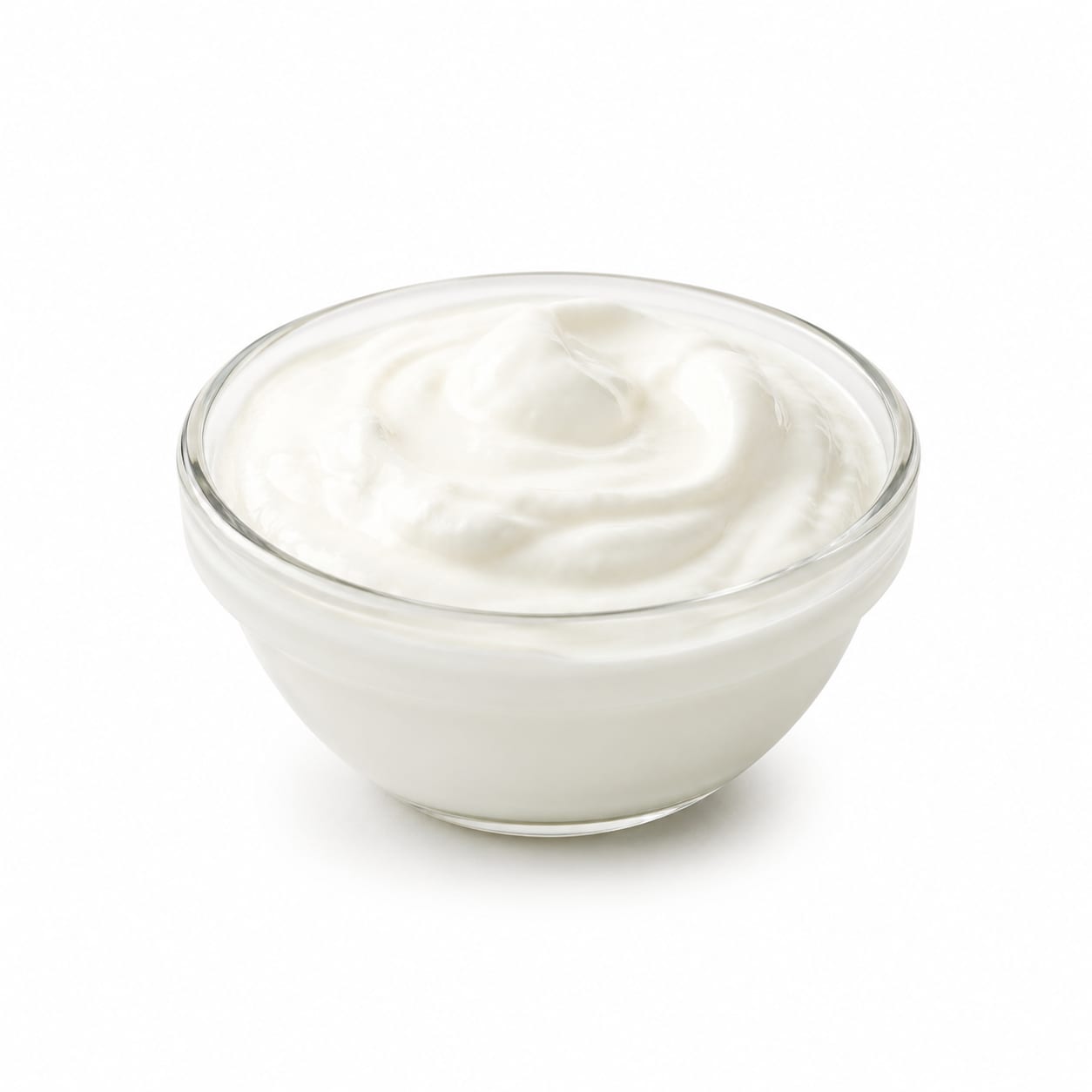
Greek Yogurt
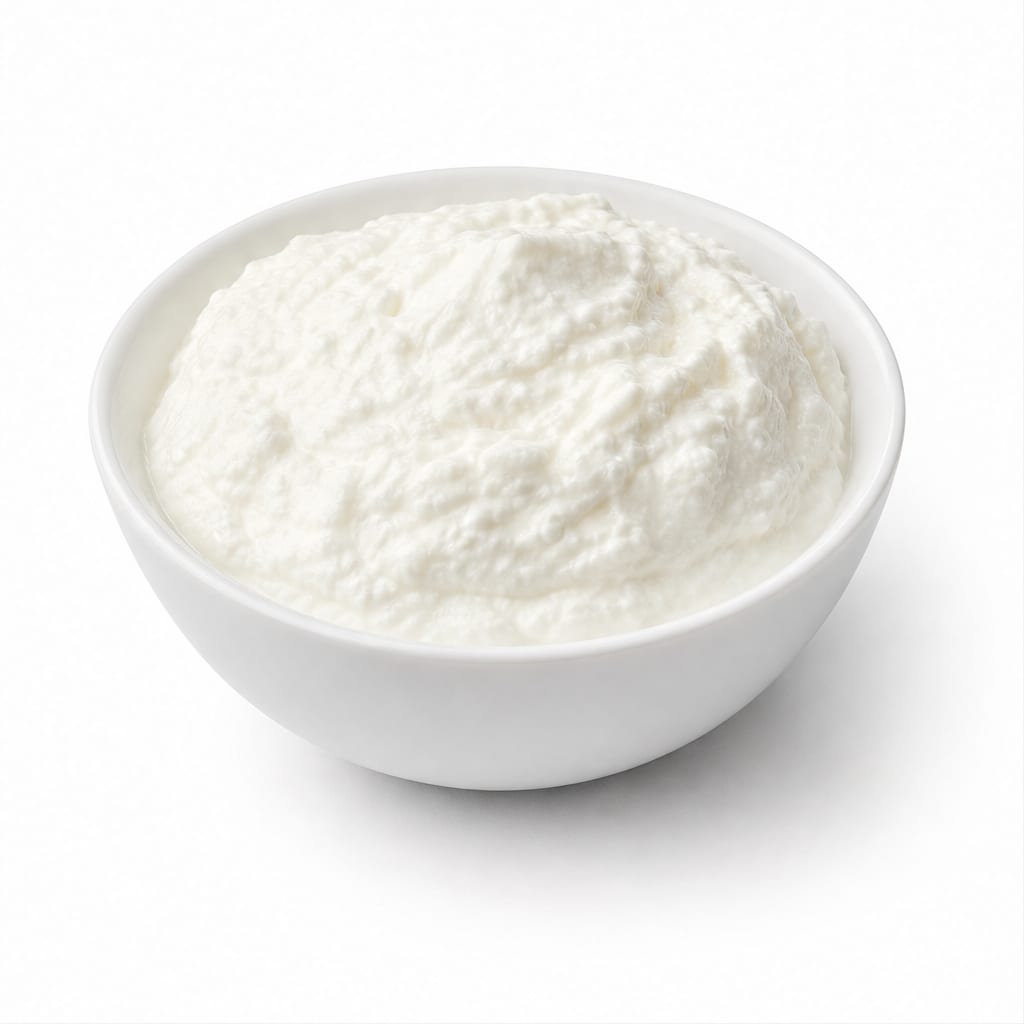
Quark
Greek Yogurt wins for gut health and probiotics, while Quark offers slightly more protein per calorie and a milder, creamier taste.
Quark edges out slightly due to higher protein density and culinary versatility, but Greek Yogurt's probiotic advantage keeps the scores extremely close.
Probiotic benefits and tartness of Greek Yogurt versus the higher protein density and mild versatility of Quark.
At a glance
Executive summary
Overall
It depends
Healthier
It depends
More practical
Quark
Daily use
It depends
Key comparison lenses
Protein density for muscle and satiety
Both are prized for high protein, but Quark usually packs more per calorie.
Gut health and probiotic benefits
Greek Yogurt is a known probiotic powerhouse, while Quark has fewer live cultures.
Lactose tolerance and digestibility
Both are easier to digest than milk, but Quark is often tolerated even better.
Culinary versatility and taste profile
Greek Yogurt is tart and refreshing; Quark is mild and creamy, fitting both sweet and savory.
Best choice for
Greek Yogurt
- Gut health optimization
- People who enjoy a tart flavor
- Snacking with active cultures
Quark
- Maximizing protein intake
- Mild flavor preference
- Savory cooking and baking
Least suitable for
Greek Yogurt
- Severe lactose intolerance
- Those avoiding tart flavors
Quark
- Looking specifically for high probiotic counts
- Strict low-fat diets if using full-fat Quark
Deep comparison
Dimension by dimension
Each lens scores both foods and breaks down who each option suits.
- Dimension 1 · Priority 95Quark
Protein Density & Satiety
Greek Yogurt · 88Quark · 95Quark packs more protein per calorie, making it slightly more filling and efficient for muscle repair.
Tradeoff
You get more protein with Quark, but miss out on the robust probiotic profile of Greek Yogurt.
Why it matters
Higher protein density means you stay full longer on fewer calories, which is great for weight management.
Real-world impact
A bowl of Quark at breakfast will keep you full slightly longer than Greek Yogurt before lunch cravings hit.
Greek Yogurt
- Maximizing protein per scoop
Worse for
Quark
- Lean muscle gain
- Appetite control
Better for
- Dimension 2 · Priority 90Greek Yogurt
Gut Health & Probiotics
Greek Yogurt · 95Quark · 70Greek Yogurt is a probiotic powerhouse, while Quark has fewer live active cultures.
Tradeoff
Choosing Quark means sacrificing some of the digestive and immune benefits of live cultures.
Why it matters
Probiotics support digestion, immunity, and even mood regulation.
Real-world impact
Eating Greek Yogurt regularly can help keep your digestion regular and reduce bloating.
Greek Yogurt
- Improving digestion
- Supporting immune health
Better for
Quark
- Microbiome diversity
Worse for
- Dimension 3 · Priority 75Quark
Taste & Culinary Versatility
Greek Yogurt · 80Quark · 90Quark's mild, creamy flavor works equally well in sweet parfaits and savory dips, whereas Greek Yogurt has a distinct tartness.
Tradeoff
Greek Yogurt's tartness limits some savory applications, while Quark's neutrality makes it a seamless substitute in recipes.
Why it matters
A food you can use multiple ways is easier to keep in your diet long-term.
Real-world impact
Quark can be stirred into mashed potatoes or used as a sandwich spread without adding a sour tang.
Greek Yogurt
- Enjoying a refreshing tart snack
Better for
- Savory dishes where tartness clashes
Worse for
Quark
- Savory cooking
- Baking
- Neutral base for flavors
Better for
- Recipes requiring a distinct sour note
Worse for
- Dimension 4 · Priority 80Quark
Lactose Tolerance
Greek Yogurt · 75Quark · 85Both are lower in lactose than regular dairy, but Quark is often easier on sensitive stomachs due to its fermentation and straining process.
Tradeoff
While Quark is gentler on lactose intolerance, Greek Yogurt still offers more probiotics to aid overall digestion.
Why it matters
Lactose sensitivity can cause bloating and discomfort, making low-lactose options essential.
Real-world impact
If regular milk upsets your stomach, Quark is less likely to cause post-meal bloating than Greek Yogurt.
Greek Yogurt
- Severe lactose sensitivity
Worse for
Quark
- Sensitive stomachs
- Mild lactose intolerance
Better for
Timeline
Health impact over time
Short-term
Hours to days
Greek Yogurt
- Quick satiety from protein
- Mild digestive comfort from probiotics
- Tart flavor can feel refreshing
Quark
- High satiety from dense protein
- Very low digestive upset risk
- Creamy texture feels indulgent
Long-term
Months to years
Greek Yogurt
- Improved gut microbiome diversity
- Better immune regulation
- Sustained muscle maintenance
Quark
- Excellent long-term muscle preservation
- Easy daily calcium intake
- Sustained weight management
Risk profile
Safety & processing
Both Greek Yogurt and Quark are minimally processed fermented dairy products. Always check labels, as some commercial brands add thickeners or sugars.
Greek Yogurt
Lactose intolerance flare-ups
lowAlthough lower in lactose, Greek Yogurt still contains trace amounts that may affect highly sensitive individuals.
Added sugars in flavored varieties
mediumFlavored Greek Yogurt can pack surprising amounts of hidden sugar.
Quark
Cross-contamination with other dairy
lowStandard dairy processing risks apply to Quark.
Added sugars in dessert-style Quark
mediumLike yogurt, sweet Quark varieties can be sugar traps.
Who wins for whom
Audience fit
Same foods, different winners depending on your goal.
children
Greek YogurtGreek Yogurt's probiotics support developing immune systems, and the tart flavor is often enjoyed by kids when mixed with fruit.
daily consumption
It dependsRotate both for the best of both worlds: Greek Yogurt for gut health days, Quark for high-protein savory days.
diabetes
It dependsBoth are excellent low-sugar options if plain, but Greek Yogurt's probiotics may offer slight metabolic benefits.
elderly
Greek YogurtThe probiotic content in Greek Yogurt is especially valuable for older adults experiencing natural declines in gut bacteria diversity.
muscle gain
QuarkQuark offers more protein per serving, making it slightly more efficient for muscle repair and growth.
weight loss
QuarkQuark's higher protein density per calorie provides a slight edge in keeping you full on a calorie deficit.
Your move
Decision guide
Choose Greek Yogurt
- Gut health and probiotics are your top priority
- You love a tangy, refreshing snack
- You want to support your immune system via microbiome diversity
Choose Quark
- You want maximum protein per calorie
- You prefer a mild, creamy flavor over tartness
- You need a versatile dairy base for savory dips and cooking
Either works if
- You need a high-protein, low-sugar dairy snack
- You are looking for a minimally processed breakfast base
Avoid both if
- You have a severe dairy allergy
- You are strictly vegan
Final recommendation
Keep both in your fridge. Use Greek Yogurt when you want gut-friendly tartness, and reach for Quark when you need a protein-packed, neutral base for meals.
Practical
Consumer tips
- 1
Always buy plain, unsweetened varieties of both to avoid hidden sugars.
- 2
Check the ingredient list—real Greek Yogurt should just be milk and live cultures, not milk protein concentrate.
- 3
Use Quark as a direct substitute for sour cream or cream cheese in recipes for a protein upgrade.
- 4
If lactose is an issue, start with Quark as it is typically lower in residual lactose.