
Nutrition comparison
Greek Yogurt vs Cream Cheese: Nutrition, Protein & Health Comparison
Comparing Greek Yogurt and Cream Cheese? Discover which is better for weight loss, protein, and daily health, and learn how to choose the right dairy for your goals.
Overall winner · Greek Yogurt
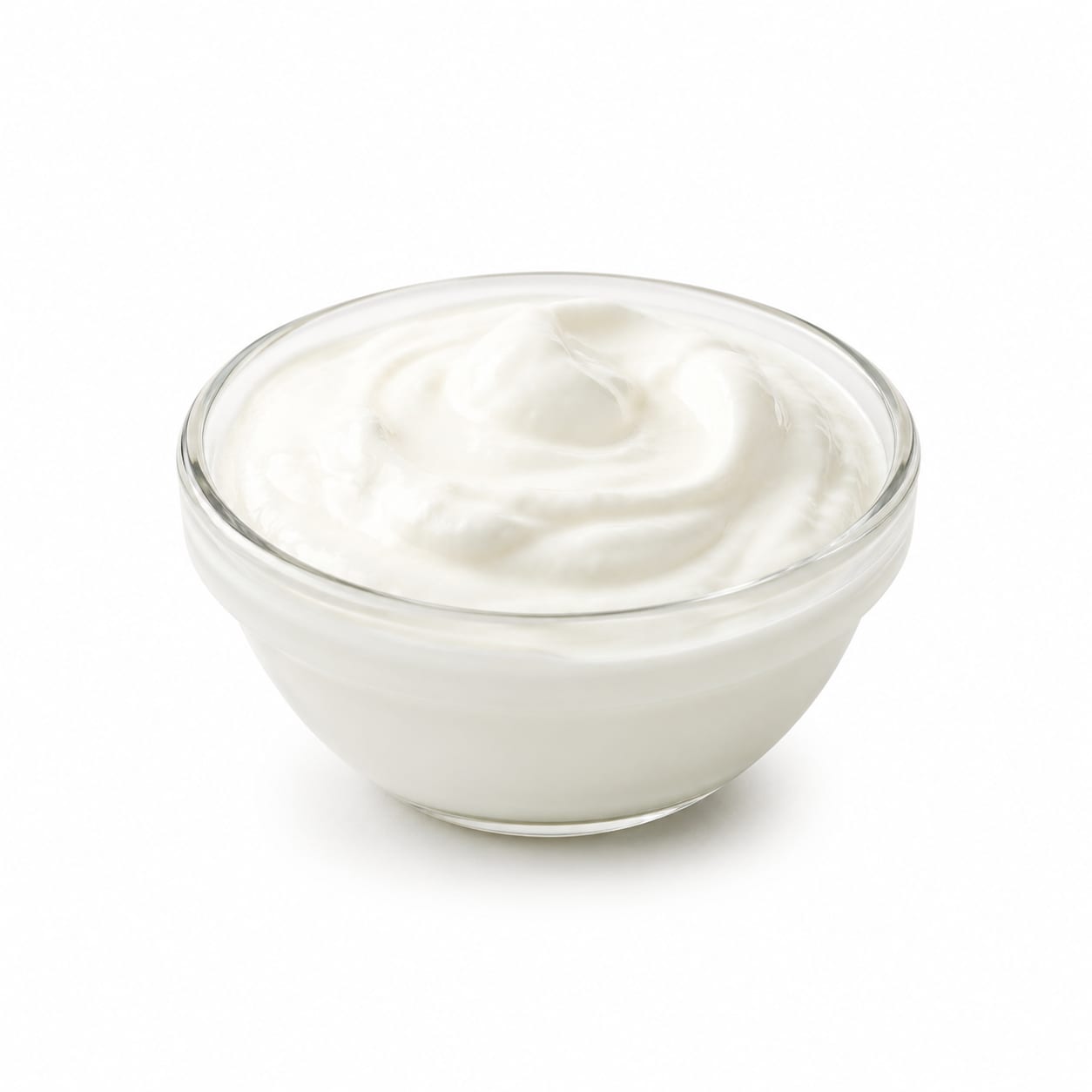
Greek Yogurt

Cream Cheese
Greek Yogurt is the clear winner for daily nutrition, offering high protein and gut-friendly probiotics, while Cream Cheese is a high-fat indulgence best enjoyed in moderation.
Greek Yogurt scores significantly higher due to its exceptional protein content, probiotic benefits, and micronutrient density. Cream Cheese scores lower because it is calorie-dense, high in saturated fat, and lacks protein or beneficial cultures.
You trade the muscle-fueling protein and probiotics of Greek Yogurt for the rich, creamy mouthfeel and spreadability of Cream Cheese.
At a glance
Executive summary
Overall
Greek Yogurt
Healthier
Greek Yogurt
More practical
Greek Yogurt
Daily use
Greek Yogurt
Key comparison lenses
Protein vs Fat content
Greek Yogurt is prized for its high protein, while Cream Cheese is predominantly fat, making this the core nutritional tradeoff.
Weight management and satiety
Users often compare these when looking for filling breakfast or snack options that support weight goals.
Gut health and probiotics
Greek Yogurt contains live active cultures, whereas Cream Cheese offers no probiotic benefits.
Culinary role and spreadability
Cream Cheese is a classic spread and baking ingredient, while Greek Yogurt serves as a versatile base for both sweet and savory dishes.
Best choice for
Greek Yogurt
- High-protein breakfasts
- Post-workout recovery
- Weight management
- Gut health support
Cream Cheese
- Keto and low-carb diets
- Rich dessert recipes
- Classic bagel toppings
Least suitable for
Greek Yogurt
- Strict keto diets
- Severe lactose intolerance
Cream Cheese
- Weight loss diets
- High-protein dietary needs
- Daily frequent consumption
Deep comparison
Dimension by dimension
Each lens scores both foods and breaks down who each option suits.
- Dimension 1 · Priority 95Greek Yogurt
Protein & Satiety
Greek Yogurt · 95Cream Cheese · 15Greek Yogurt delivers up to 20g of protein per serving, keeping you full for hours. Cream Cheese offers almost no protein.
Tradeoff
Choosing Cream Cheese means sacrificing a major satiety boost and muscle-supporting amino acids for a richer texture.
Why it matters
Protein is key for controlling cravings and maintaining muscle mass, especially if you are active or trying to lose weight.
Real-world impact
A Greek Yogurt breakfast will easily carry you to lunch, while a Cream Cheese bagel might leave you hungry again by mid-morning.
Greek Yogurt
- Staying full between meals
- Post-workout muscle repair
Better for
- Those who find high-protein meals too heavy
Worse for
Cream Cheese
- Adding richness without adding meat-like protein density
Better for
- Anyone needing sustained energy and fullness
Worse for
- Dimension 2 · Priority 90Greek Yogurt
Fat & Calorie Density
Greek Yogurt · 85Cream Cheese · 30Greek Yogurt is relatively low in calories and fat, especially if you choose 2% or 0% varieties. Cream Cheese is highly calorie-dense, with most of its calories coming from fat.
Tradeoff
Cream Cheese provides a luxurious mouthfeel and keto-friendly macros, but it packs a massive calorie punch in a very small serving size.
Why it matters
High calorie density makes it very easy to overeat Cream Cheese, which can silently derail weight management goals.
Real-world impact
Slathering Cream Cheese on a bagel can easily add 150-200 calories of pure fat before you even notice, whereas a full cup of Greek Yogurt has similar calories but far more volume and nutrition.
Greek Yogurt
- Calorie-conscious eating
- Larger portion sizes without guilt
Better for
- Those needing high-fat intake for medical or keto reasons
Worse for
Cream Cheese
- Ketogenic diets
- Adding satisfying richness to recipes
Better for
- Portion control and weight loss
Worse for
- Dimension 3 · Priority 85Greek Yogurt
Gut Health & Probiotics
Greek Yogurt · 90Cream Cheese · 5Greek Yogurt is fermented and contains live active cultures that support digestion and immunity. Cream Cheese is not a probiotic food.
Tradeoff
You get functional gut benefits from Greek Yogurt, whereas Cream Cheese is essentially a dead food in terms of live cultures.
Why it matters
A healthy gut microbiome affects everything from your mood to your immune system and digestion.
Real-world impact
Eating Greek Yogurt regularly can help reduce bloating and improve digestion, while Cream Cheese offers no such digestive advantages.
Greek Yogurt
- Improving digestive regularity
- Supporting immune health
Better for
- Those with severe histamine intolerances
Worse for
Cream Cheese
- Situations where fermented foods cause discomfort
Better for
- Anyone looking to improve their gut microbiome
Worse for
- Dimension 4 · Priority 75Greek Yogurt
Micronutrients & Bone Health
Greek Yogurt · 85Cream Cheese · 30Greek Yogurt is an excellent source of calcium and B vitamins. Cream Cheese contains very little calcium due to its processing.
Tradeoff
Greek Yogurt actively supports bone density and energy metabolism, while Cream Cheese provides mostly empty fat calories.
Why it matters
Getting enough calcium is crucial for preventing osteoporosis, especially for women and older adults.
Real-world impact
A serving of Greek Yogurt covers a significant portion of your daily calcium needs, making it an easy win for bone health.
Greek Yogurt
- Supporting bone density
- Meeting daily calcium requirements
Better for
- Those tracking strict phosphorus limits
Worse for
Cream Cheese
- Adding flavor without prioritizing micronutrients
Better for
- Anyone at risk for nutrient deficiencies
Worse for
Timeline
Health impact over time
Short-term
Hours to days
Greek Yogurt
- Quick and lasting satiety
- Steady energy without a sugar crash
- Possible mild bloating if sensitive to dairy
Cream Cheese
- Immediate satisfaction from rich, fatty texture
- Potential feeling of heaviness or sluggishness
- Easy to overconsume due to high palatability
Long-term
Months to years
Greek Yogurt
- Improved gut microbiome diversity
- Better muscle maintenance due to high protein
- Stronger bones from consistent calcium intake
Cream Cheese
- Potential weight gain if consumed frequently
- Increased saturated fat intake impacting heart health
- Missed opportunities for protein and micronutrient intake
Risk profile
Safety & processing
Plain Greek Yogurt is simply strained milk with live cultures, making it very close to its whole-food origins. Cream Cheese requires more processing, often including thickeners, stabilizers, and gums to achieve its signature spreadable texture.
Greek Yogurt
Lactose intolerance symptoms
mediumWhile Greek Yogurt has less lactose than regular milk, it can still cause bloating or gas for highly sensitive individuals.
Added sugars in flavored varieties
mediumFruit-flavored Greek Yogurts can contain as much sugar as a candy bar, negating many health benefits.
Cream Cheese
Listeria contamination
mediumCream Cheese is a fresh, unaged cheese that can harbor Listeria, making it a risk for pregnant women if not handled properly.
High saturated fat load
highFrequent consumption of high saturated fat foods like Cream Cheese can raise LDL cholesterol and increase heart disease risk.
Who wins for whom
Audience fit
Same foods, different winners depending on your goal.
children
Greek YogurtGrowing kids benefit greatly from the protein and calcium in Greek Yogurt, whereas Cream Cheese offers mostly empty fat calories.
daily consumption
Greek YogurtGreek Yogurt is nutrient-dense and supports daily health goals, while Cream Cheese is too calorie-dense and low in nutrients for everyday frequent use.
diabetes
Greek YogurtPlain Greek Yogurt has minimal carbs and high protein, which stabilizes blood sugar. Cream Cheese is low-carb but its high fat can sometimes impair insulin sensitivity in large amounts.
elderly
Greek YogurtThe high protein helps prevent age-related muscle loss, and the calcium protects bones, making Greek Yogurt ideal for aging bodies.
muscle gain
Greek YogurtWith up to 20g of high-quality casein and whey protein per serving, Greek Yogurt is an excellent muscle-building food.
weight loss
Greek YogurtGreek Yogurt provides high volume and protein for very few calories, making it far easier to stay in a calorie deficit.
Your move
Decision guide
Choose Greek Yogurt
- You want a filling, high-protein breakfast or snack
- You are trying to lose weight or maintain a healthy body composition
- You want to improve your digestion and gut health
- You need a versatile ingredient for smoothies, dressings, or baking
Choose Cream Cheese
- You are following a strict ketogenic diet
- You want a rich, indulgent spread for a weekend bagel
- You are making a specific recipe like cheesecake or a creamy dip
Either works if
- You need a dairy base for a savory dip, adjusting herbs and spices accordingly
- You are simply looking to add creaminess to a dish, regardless of protein content
Avoid both if
- You have a severe dairy allergy or strict vegan diet
- You have been advised to eliminate all animal products for health reasons
Final recommendation
Make Greek Yogurt your daily dairy staple for its unbeatable protein and probiotic profile. Save Cream Cheese for occasional culinary indulgences where its rich texture truly shines, but keep portions modest to avoid excess saturated fat and calories.
Practical
Consumer tips
- 1
Always buy plain, unsweetened Greek Yogurt to avoid hidden sugars; add your own fruit or honey for flavor.
- 2
If you love the tang of Cream Cheese but want the nutrition of Greek Yogurt, try mixing Greek Yogurt with a pinch of salt and herbs for a high-protein spread.
- 3
When buying Cream Cheese, look for simple ingredient lists with just milk, cream, cheese culture, and salt, avoiding unnecessary gums and stabilizers.
- 4
A standard serving of Cream Cheese is just 2 tablespoons—measure it out to avoid accidentally consuming hundreds of calories.
- 5
For a lighter bagel, use half the normal amount of Cream Cheese and bulk it up with sliced tomatoes, cucumbers, or smoked salmon.