
Nutrition comparison
Greek Yogurt vs Almond Milk Yogurt: Which Is Actually Better for You?
Greek Yogurt delivers far more protein and satiety, but Almond Milk Yogurt wins for dairy-free diets. Compare nutrition, processing, taste, and health tradeoffs to find your best choice.

Greek Yogurt
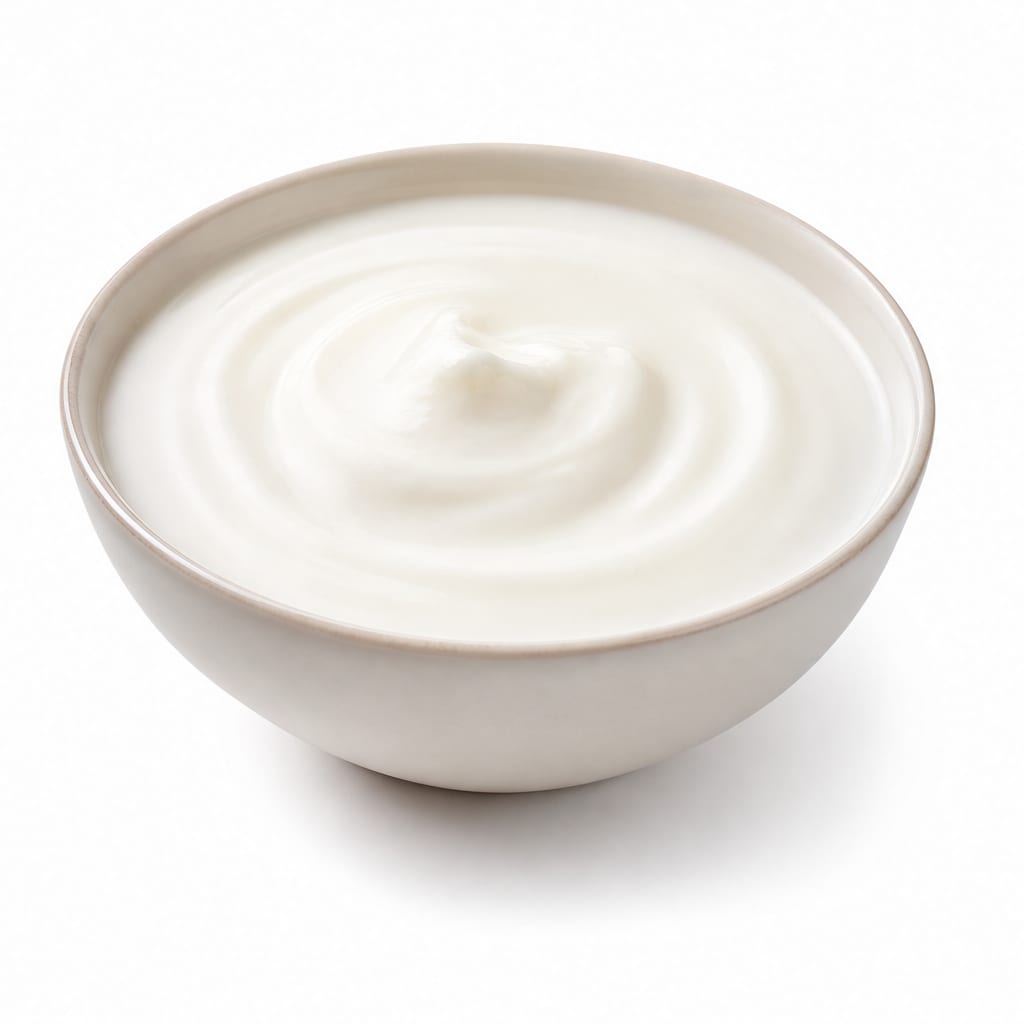
Almond Milk Yogurt
Greek Yogurt dominates on protein and satiety, while Almond Milk Yogurt wins for dairy-free lifestyles. The right choice hinges on whether you prioritize fullness or avoid dairy.
Greek Yogurt scores notably higher due to its superior protein content, natural nutrient profile, and stronger satiety. Almond Milk Yogurt remains a solid choice for specific dietary needs but carries compromises in processing and fullness.
You trade significant protein and natural nutrition in Greek Yogurt for digestive comfort and plant-based alignment with Almond Milk Yogurt.
At a glance
Executive summary
Overall
It depends
Healthier
Greek Yogurt
More practical
Greek Yogurt
Daily use
It depends
Key comparison lenses
protein and satiety comparison
Greek Yogurt delivers 10-20g protein per serving while Almond Milk Yogurt typically offers only 1-3g, making this the most dramatic and decision-driving difference
dairy free vs dairy tolerance
Many users choosing between these foods are navigating lactose intolerance, dairy allergies, or vegan preferences
processing and additives
Almond Milk Yogurt often requires thickeners, emulsifiers, and fortification to mimic dairy yogurt texture and nutrition
weight management and fullness
The protein gap directly affects how long each yogurt keeps you satisfied, impacting snacking behavior and calorie intake
bone health and calcium
Both foods are calcium sources but through different mechanisms — natural vs fortified — raising absorption questions
Best choice for
Greek Yogurt
- Athletes and anyone building muscle
- People who want a filling snack that prevents overeating
- Those seeking natural probiotic sources
- Anyone needing sustained energy between meals
- Breakfast eaters who stay full longer with protein
Almond Milk Yogurt
- Vegans and plant-based eaters
- People with lactose intolerance or dairy allergies
- Those avoiding saturated fat from animal sources
- Light snackers who prefer lower calorie options
- Anyone with ethical concerns about dairy farming
Least suitable for
Greek Yogurt
- Severely lactose intolerant individuals
- Vegans and strict plant-based eaters
- People avoiding casein or whey
- Those with dairy-triggered skin issues like acne
Almond Milk Yogurt
- Anyone relying on yogurt as a protein source
- People prone to hunger soon after eating
- Athletes needing post-workout muscle recovery
- Those sensitive to thickeners and emulsifiers like carrageenan
Deep comparison
Dimension by dimension
Each lens scores both foods and breaks down who each option suits.
- Dimension 1 · Priority 95Greek Yogurt
Protein Content and Satiety
Greek Yogurt · 95Almond Milk Yogurt · 20Greek Yogurt provides 5-10 times more protein than Almond Milk Yogurt, making it dramatically more filling and satisfying.
Tradeoff
You sacrifice long-lasting fullness with Almond Milk Yogurt, which may lead to more frequent snacking and higher overall calorie intake throughout the day.
Why it matters
Protein is the most satiating macronutrient. A high-protein snack keeps hunger at bay for hours, while a low-protein one leaves you searching for food within an hour.
Real-world impact
A Greek Yogurt breakfast can carry you to lunch. An Almond Milk Yogurt breakfast often needs backup — granola, nuts, or a second snack by mid-morning.
Greek Yogurt
- Staying full between meals
- Post-workout muscle recovery
- Preventing afternoon energy crashes
- Reducing overall daily snacking
Better for
- People who find high-protein meals too heavy in the morning
Worse for
Almond Milk Yogurt
- Very light eaters who prefer small portions
- Anyone counting calories strictly and preferring lower volume
Better for
- Anyone using yogurt as a meal replacement
- Active people who need sustained energy
- Dieters relying on food to prevent cravings
Worse for
- Dimension 2 · Priority 90Almond Milk Yogurt
Digestive Tolerance and Allergens
Greek Yogurt · 40Almond Milk Yogurt · 92Almond Milk Yogurt is naturally lactose-free and dairy-free, making it accessible to a large portion of the population who struggle with dairy.
Tradeoff
While easier on the digestive system for many, Almond Milk Yogurt may contain thickeners like carrageenan that can irritate sensitive guts in a different way.
Why it matters
Roughly 65% of the global population has some degree of lactose malabsorption. For these people, dairy yogurt causes bloating, gas, and discomfort regardless of its nutritional benefits.
Real-world impact
If regular yogurt leaves you bloated or running to the bathroom, Almond Milk Yogurt lets you enjoy a yogurt-like experience without the aftermath.
Greek Yogurt
- People with no lactose issues who tolerate dairy well
- Those who benefit from dairy-derived probiotic strains
Better for
- Lactose intolerant individuals even with lower-lactose Greek varieties
- People with dairy-triggered IBS symptoms
Worse for
Almond Milk Yogurt
- Lactose intolerant individuals
- Vegans and plant-based eaters
- People with dairy allergies
- Anyone with dairy-triggered digestive distress
Better for
- People sensitive to carrageenan or other thickeners
- Those with almond or tree nut allergies
Worse for
- Dimension 3 · Priority 85Greek Yogurt
Processing Level and Additives
Greek Yogurt · 82Almond Milk Yogurt · 40Greek Yogurt is typically fermented milk with minimal ingredients. Almond Milk Yogurt requires thickeners, stabilizers, and fortification to approximate the real thing.
Tradeoff
Choosing plant-based convenience means accepting a more engineered product with ingredients like locust bean gum, carrageenan, and added calcium that would not exist in a whole food version.
Why it matters
Ultra-processed foods with emulsifiers and thickeners may disrupt gut barrier function over time, even when they appear healthy on the nutrition label.
Real-world impact
Read the ingredient list. Greek Yogurt often has just milk and cultures. Almond Milk Yogurt can have 8-12 ingredients including multiple gums and fortified vitamins.
Greek Yogurt
- Clean label enthusiasts
- People avoiding emulsifiers and gums
- Those who recognize and trust short ingredient lists
Better for
- People avoiding all animal-derived ingredients
Worse for
Almond Milk Yogurt
- People who prioritize avoiding animal products over clean labels
- Those unfazed by food additives as long as they are generally recognized as safe
Better for
- Anyone concerned about gut health effects of emulsifiers
- People following whole-food or minimally processed diets
- Those sensitive to carrageenan specifically
Worse for
- Dimension 4 · Priority 75Greek Yogurt
Blood Sugar Stability
Greek Yogurt · 85Almond Milk Yogurt · 55Plain Greek Yogurt has minimal sugar and high protein, creating steady blood sugar. Many Almond Milk Yogurts add sugar to improve taste, and the lack of protein means less buffering against spikes.
Tradeoff
Even unsweetened Almond Milk Yogurt lacks the protein buffer that slows glucose absorption, making it less protective against blood sugar swings when eaten alone.
Why it matters
Blood sugar crashes trigger cravings, fatigue, and irritability. Protein acts as a stabilizer that prevents the rollercoaster.
Real-world impact
Eating plain Greek Yogurt alone gives steady energy for hours. Eating sweetened Almond Milk Yogurt alone can lead to a sugar spike and a crash within 90 minutes.
Greek Yogurt
- Diabetics and pre-diabetics
- People prone to energy crashes
- Anyone managing insulin resistance
Better for
- Flavored Greek Yogurt with added sugar negates this advantage
Worse for
Almond Milk Yogurt
- Those who pair it with high-protein or high-fiber additions like chia seeds and nuts
Better for
- Anyone eating it solo as a standalone snack
- People sensitive to blood sugar fluctuations
Worse for
- Dimension 5 · Priority 70It depends
Bone Health and Calcium
Greek Yogurt · 80Almond Milk Yogurt · 72Greek Yogurt offers naturally occurring calcium with good bioavailability. Almond Milk Yogurt relies on fortified calcium, which may absorb less efficiently.
Tradeoff
Natural calcium in dairy comes packaged with phosphorus and vitamin D that enhance absorption. Fortified calcium in plant yogurts may settle at the bottom of the container and be less bioavailable.
Why it matters
Calcium absorption matters more than calcium content on a label. Your body may not utilize fortified calcium as effectively as naturally occurring calcium.
Real-world impact
Shaking your Almond Milk Yogurt container matters — fortified calcium can settle. With Greek Yogurt, the calcium is naturally distributed throughout.
Greek Yogurt
- Post-menopausal women needing reliable calcium
- Adolescents building peak bone mass
- Anyone not taking a separate calcium supplement
Better for
- People avoiding dairy for any reason who need calcium from other sources
Worse for
Almond Milk Yogurt
- People who supplement calcium separately and do not rely on yogurt as a primary source
Better for
- Those relying on it as a primary calcium source without supplementation
Worse for
- Dimension 6 · Priority 65It depends
Gut Health and Probiotics
Greek Yogurt · 78Almond Milk Yogurt · 68Both can contain live active cultures, but dairy-based probiotics have more research backing their survival through the digestive tract and their measurable health effects.
Tradeoff
Almond Milk Yogurt probiotics are less studied, but the prebiotic fiber sometimes added can feed beneficial gut bacteria in a complementary way dairy cannot.
Why it matters
Probiotics only help if they survive stomach acid and colonize the gut. Dairy provides a buffering effect that improves survival rates of beneficial bacteria.
Real-world impact
Greek Yogurt has decades of research supporting its gut health benefits. Almond Milk Yogurt probiotics are promising but less proven in real-world outcomes.
Greek Yogurt
- People seeking well-researched probiotic strains
- Those wanting proven digestive health benefits
Better for
- Anyone whose gut inflammation is worsened by dairy proteins
Worse for
Almond Milk Yogurt
- People whose gut issues are specifically triggered by dairy
- Those who benefit from added prebiotic fiber in some varieties
Better for
- People wanting clinically validated probiotic outcomes
Worse for
Timeline
Health impact over time
Short-term
Hours to days
Greek Yogurt
- Strong satiety within 30 minutes due to high protein content
- Possible bloating or gas if lactose intolerant
- Steady energy without sugar crash when eating plain varieties
Almond Milk Yogurt
- Light feeling in the stomach, which may feel pleasant or unsatisfying depending on expectations
- Relief from dairy-related digestive discomfort for sensitive individuals
- Possible quick hunger return within 1-2 hours if eaten alone
Long-term
Months to years
Greek Yogurt
- Better muscle maintenance with age due to consistent high-quality protein intake
- Improved bone density from natural calcium and vitamin D pairing
- Potential increased acne or skin issues in dairy-sensitive individuals
- Stronger satiety signaling that supports healthier eating patterns overall
Almond Milk Yogurt
- Consistent dairy avoidance may reduce inflammatory markers in dairy-sensitive people
- Lower protein intake long-term may affect muscle preservation without dietary compensation
- Reliance on fortified nutrients requires attention to bioavailability over time
- Potential gut microbiome shifts from thickeners and emulsifiers with daily consumption
Risk profile
Safety & processing
Greek Yogurt is fundamentally fermented milk — a process used for thousands of years. Almond Milk Yogurt is a modern food invention requiring industrial processing to transform almonds and water into something with a yogurt-like texture, requiring gums, starches, and fortification.
Greek Yogurt
Lactose-related digestive distress
mediumEven though Greek Yogurt has less lactose than regular yogurt, it still contains enough to cause symptoms in sensitive individuals.
Dairy allergy reaction
highTrue dairy allergy can cause serious reactions including hives, swelling, or anaphylaxis. This is distinct from lactose intolerance.
Hormone and antibiotic residues
lowConventional dairy may contain trace hormones or antibiotics. Choosing organic reduces this concern significantly.
Almond Milk Yogurt
Tree nut allergic reaction
highAlmond allergies can be serious and cross-react with other tree nuts. This yogurt is unsafe for anyone with almond or tree nut allergies.
Carrageenan gut irritation
mediumSome studies suggest carrageenan, a common thickener in plant yogurts, may promote intestinal inflammation in sensitive individuals.
Fortified calcium settling and uneven distribution
lowAdded calcium can settle at the bottom of the container, meaning you may get less than the label promises if you do not stir thoroughly.
Who wins for whom
Audience fit
Same foods, different winners depending on your goal.
children
Greek YogurtGrowing children benefit enormously from the complete protein, natural calcium, and bone-building nutrients in Greek Yogurt, unless they have a dairy allergy.
daily consumption
It dependsFor dairy-tolerant people, Greek Yogurt is the stronger daily choice. For vegans and the lactose intolerant, Almond Milk Yogurt makes daily yogurt enjoyment possible.
diabetes
Greek YogurtPlain Greek Yogurt has minimal sugar and high protein that stabilizes blood glucose. Even unsweetened Almond Milk Yogurt lacks the protein buffer against glucose spikes.
elderly
Greek YogurtOlder adults need concentrated protein to prevent muscle loss and reliable calcium for bone density. Greek Yogurt delivers both efficiently in an easy-to-eat format.
muscle gain
Greek YogurtGreek Yogurt provides complete protein with all essential amino acids, including high leucine content which directly triggers muscle protein synthesis. Almond Milk Yogurt cannot compete here.
weight loss
Greek YogurtHigh protein keeps you full longer, reducing overall calorie intake throughout the day. Almond Milk Yogurt's lower calorie count is tempting but the hunger rebound often leads to more snacking.
Your move
Decision guide
Choose Greek Yogurt
- You tolerate dairy and want maximum nutrition per calorie
- Satiety and staying full between meals matters to you
- You want a minimally processed food with a short ingredient list
- You are active and need protein for recovery and muscle maintenance
- You are pregnant, elderly, or growing and need reliable calcium
Choose Almond Milk Yogurt
- You are vegan or strictly plant-based
- Dairy causes you bloating, gas, or skin breakouts
- You prefer lighter snacks and do not mind eating again sooner
- You want a lower calorie base for adding your own toppings
- You are ethically opposed to dairy farming practices
Either works if
- You just want a probiotic food and tolerate both options
- You plan to load up toppings like granola, fruit, and nuts that overshadow the base
- You rotate between plant and animal foods for dietary diversity
Avoid both if
- You are sensitive to both dairy and tree nuts
- You only eat flavored sweetened varieties that are essentially dessert
- You are looking for a significant protein source and only have access to sweetened Almond Milk Yogurt
Final recommendation
If your body handles dairy well, Greek Yogurt is the nutritionally superior choice in nearly every measurable way — more protein, better satiety, cleaner label, stronger evidence for health benefits. Choose Almond Milk Yogurt when dairy is off the table for health, ethical, or preference reasons, but compensate by adding protein-rich toppings like hemp seeds or nut butter to close the satiety gap.
Practical
Consumer tips
- 1
Always choose plain unsweetened varieties of either yogurt and add your own fruit or honey to control sugar
- 2
If buying Almond Milk Yogurt, check for carrageenan in the ingredient list and consider brands that use alternative thickeners
- 3
Stir or shake Almond Milk Yogurt well to redistribute fortified calcium that settles at the bottom
- 4
For Greek Yogurt, 2% or whole milk versions provide more satisfying fat content than 0% without a significant calorie penalty
- 5
Boost Almond Milk Yogurt's staying power by stirring in a tablespoon of chia seeds and letting it thicken for 10 minutes
- 6
Look for live active cultures on both labels — not all commercial yogurts contain meaningful probiotic counts
- 7
If lactose is a concern but you want dairy protein, try lactose-free Greek Yogurt which gives you the protein without the digestive issues