
Nutrition comparison
Gouda Cheese vs Swiss Cheese: Nutrition, Sodium, and Health Comparison
Compare Gouda Cheese vs Swiss Cheese to see which is healthier. Learn about sodium, protein, calcium, and Vitamin K2 differences to make the best choice for your diet.
Overall winner · Swiss Cheese
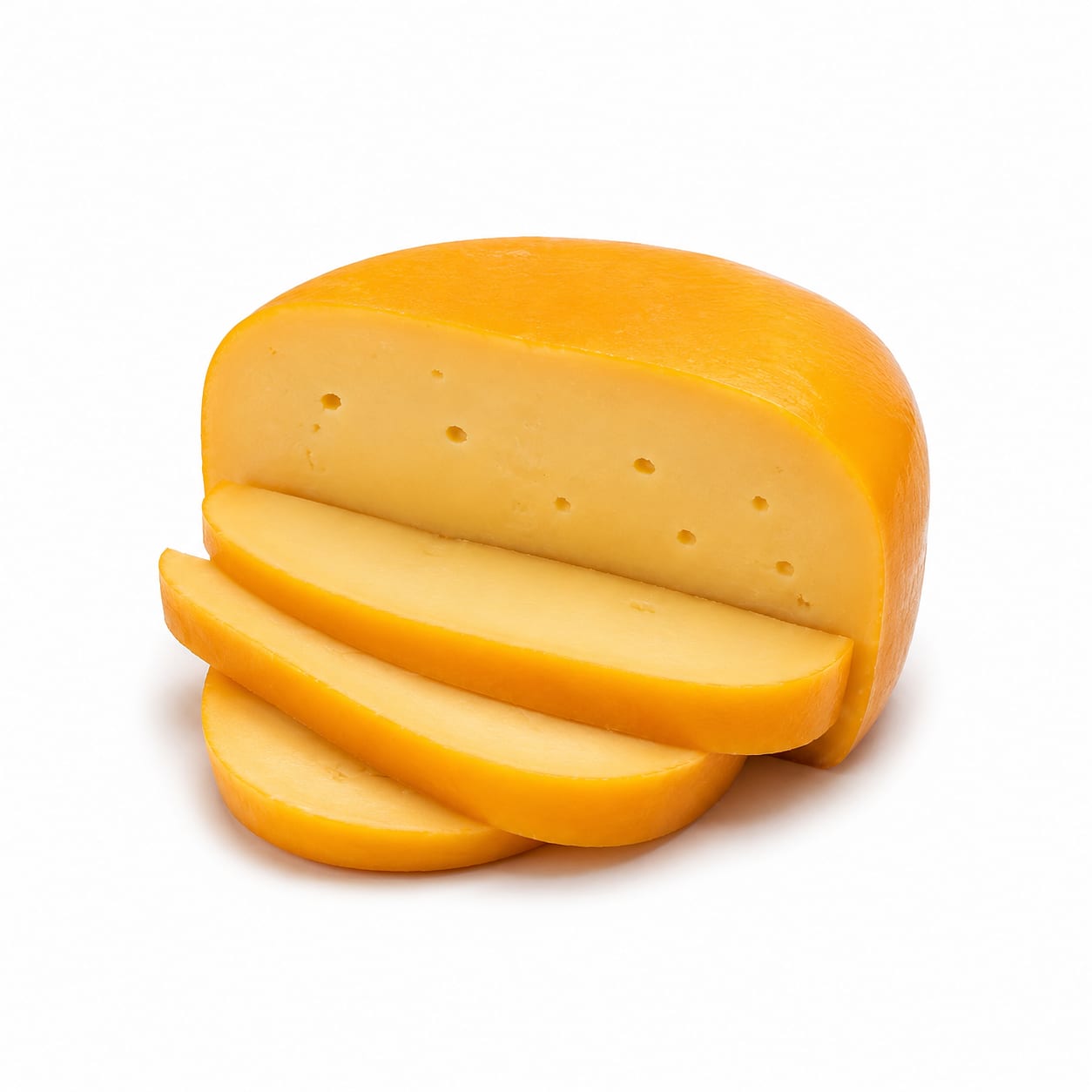
Gouda Cheese
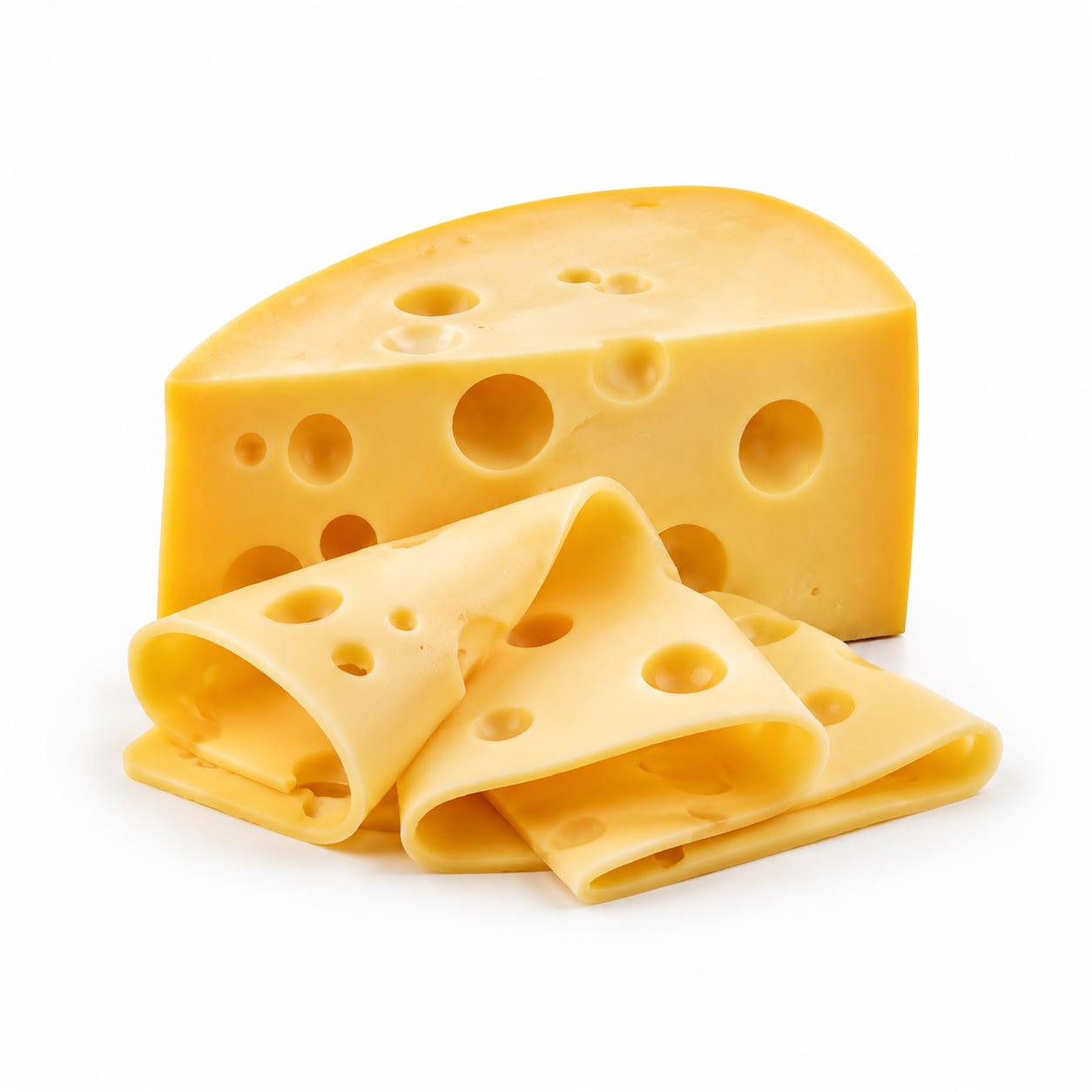
Swiss Cheese
Swiss Cheese edges out Gouda Cheese for everyday eating thanks to its protein punch and remarkably low sodium, though Gouda Cheese brings a creamier bite and unique Vitamin K2 benefits.
Swiss Cheese scores higher due to its superior protein-to-fat ratio and dramatically lower sodium, making it a safer daily choice. Gouda Cheese remains a strong contender for specific micronutrients but falls behind on heart-health markers.
Lower sodium and higher protein in Swiss Cheese versus the richer flavor and bone-protecting Vitamin K2 found in Gouda Cheese.
At a glance
Executive summary
Overall
Swiss Cheese
Healthier
Swiss Cheese
More practical
Swiss Cheese
Daily use
Swiss Cheese
Key comparison lenses
Sodium and Blood Pressure Management
Swiss Cheese is famously low in sodium compared to almost all other cheeses, making it a critical differentiator for heart health.
Bone Health and Micronutrients
Swiss Cheese offers high calcium, while Gouda Cheese uniquely provides Vitamin K2, which activates proteins that bind calcium to bones.
Protein Density and Satiety
Swiss Cheese packs significantly more protein per ounce, making it more filling and supportive of muscle maintenance.
Lactose Tolerance
Both are relatively low in lactose, but aging differences impact digestive comfort for sensitive individuals.
Best choice for
Gouda Cheese
- People wanting Vitamin K2 for better calcium absorption
- Those craving a creamy, comforting snack
- Charcuterie board enthusiasts looking for rich flavor
Swiss Cheese
- People watching their blood pressure
- Those seeking high protein for muscle maintenance
- Sandwich and melt lovers needing a lighter cheese
Least suitable for
Gouda Cheese
- Strict low-sodium diets
- People trying to limit saturated fat intake
Swiss Cheese
- Those who dislike nutty or sweet flavor profiles
- People highly sensitive to dietary histamine
Deep comparison
Dimension by dimension
Each lens scores both foods and breaks down who each option suits.
- Dimension 1 · Priority 95Swiss Cheese
Sodium and Heart Health
Gouda Cheese · 40Swiss Cheese · 92Swiss Cheese is dramatically lower in sodium, making it a much safer bet for heart health and blood pressure management.
Tradeoff
You give up the creamier texture of Gouda Cheese but gain peace of mind for your cardiovascular system.
Why it matters
High sodium intake is a silent driver of hypertension; choosing Swiss Cheese can save you hundreds of milligrams of sodium per day.
Real-world impact
After a Swiss Cheese sandwich, you are less likely to feel bloated or thirsty compared to eating Gouda Cheese.
Gouda Cheese
- Those without blood pressure concerns
- People on low-carb diets needing extra flavor
Better for
- Salt-sensitive individuals
- Those eating processed meats alongside cheese
Worse for
Swiss Cheese
- People with hypertension
- Anyone trying to reduce daily water retention
Better for
- People who find low-sodium cheese bland
Worse for
- Dimension 2 · Priority 90It depends
Bone Health and Micronutrients
Gouda Cheese · 82Swiss Cheese · 85Swiss Cheese offers more calcium per bite, while Gouda Cheese uniquely provides Vitamin K2, which helps direct calcium into your bones rather than your arteries.
Tradeoff
Swiss Cheese gives you the raw building block, but Gouda Cheese gives you the traffic cop that ensures it goes to the right place.
Why it matters
Bone health is not just about calcium intake; it is about calcium utilization.
Real-world impact
Eating Gouda Cheese alongside a calcium-rich meal might actually support your bones better than just eating Swiss Cheese alone.
Gouda Cheese
- Older adults needing better calcium absorption
- People who do not eat fermented foods regularly
Better for
- People who assume all cheese is equally high in calcium
Worse for
Swiss Cheese
- Those who need direct calcium intake
- Teenagers still building bone density
Better for
- Those lacking Vitamin K2 to properly utilize the calcium
Worse for
- Dimension 3 · Priority 85Swiss Cheese
Satiety and Protein Density
Gouda Cheese · 70Swiss Cheese · 88Swiss Cheese packs more protein per calorie, keeping you fuller for longer without the heavier fat load of Gouda Cheese.
Tradeoff
Gouda Cheese feels more indulgent in the moment, but Swiss Cheese provides better sustained energy and appetite control.
Why it matters
Higher protein-to-fat ratios help maintain muscle and prevent overeating later in the day.
Real-world impact
A few slices of Swiss Cheese as an afternoon snack will stave off hunger much better than the same amount of Gouda Cheese.
Gouda Cheese
- Those wanting a small, rich treat
- Low-carb dieters seeking higher fat intake
Better for
- People prone to overeating rich foods
- Those tracking calories strictly
Worse for
Swiss Cheese
- People trying to lose weight
- Anyone needing a filling post-workout snack
Better for
- People who find lean cheeses unsatisfying
Worse for
- Dimension 4 · Priority 75It depends
Digestive Tolerance
Gouda Cheese · 75Swiss Cheese · 78Both are relatively well-tolerated, but aged versions of both are nearly lactose-free, making them safe for most lactose-sensitive people.
Tradeoff
Gouda Cheese can be easier to find in younger, milder forms that still contain some lactose, while Swiss Cheese is typically aged longer and is naturally lower in lactose.
Why it matters
Lactose intolerance affects a huge portion of the population, and cheese choices dictate comfort versus bloating.
Real-world impact
Choosing an aged Swiss Cheese means you can enjoy a grilled cheese without the stomach regret that younger Gouda Cheese might cause.
Gouda Cheese
- Those who can tolerate small amounts of lactose
- People seeking probiotic benefits from raw milk versions
Better for
- People with severe lactose intolerance if eating young Gouda Cheese
Worse for
Swiss Cheese
- Highly lactose-sensitive individuals
- Those prone to dairy-related bloating
Better for
- Those sensitive to histamine, which increases as Swiss Cheese ages
Worse for
Timeline
Health impact over time
Short-term
Hours to days
Gouda Cheese
- Quick satisfying energy from higher fat content
- May cause slight bloating if you are sensitive to lactose and choose a young variety
Swiss Cheese
- Steady energy from higher protein content
- Less likely to cause thirst or water retention due to low sodium
Long-term
Months to years
Gouda Cheese
- Vitamin K2 supports arterial health by preventing calcium deposits
- Higher sodium and saturated fat could impact blood pressure over time if overconsumed
Swiss Cheese
- Excellent for maintaining bone density and muscle mass
- Easier on the cardiovascular system long-term due to the low sodium profile
Risk profile
Safety & processing
Both Gouda Cheese and Swiss Cheese are traditional fermented foods made with simple ingredients like milk, salt, cultures, and enzymes. Neither typically contains artificial preservatives or emulsifiers.
Gouda Cheese
Listeria
lowRisk is primarily associated with unpasteurized or very young Gouda Cheese; aged versions are extremely safe.
Histamine Intolerance
mediumAged Gouda Cheese contains high levels of biogenic amines, which can trigger headaches in sensitive individuals.
Swiss Cheese
Histamine Intolerance
mediumSimilar to aged Gouda Cheese, aged Swiss Cheese can be high in histamine, potentially causing reactions in sensitive people.
Listeria
lowStandard pasteurized Swiss Cheese poses minimal risk; avoid unpasteurized versions if pregnant.
Who wins for whom
Audience fit
Same foods, different winners depending on your goal.
children
Swiss CheeseThe lower sodium content and higher calcium make Swiss Cheese a much safer and more developmentally supportive choice for kids.
daily consumption
Swiss CheeseThe remarkably low sodium content makes Swiss Cheese a safer staple for daily use without cardiovascular drawbacks.
diabetes
Swiss CheeseThe higher protein-to-fat ratio in Swiss Cheese provides steadier energy with less saturated fat, which is beneficial for insulin sensitivity.
elderly
Swiss CheeseSwiss Cheese combines high calcium for bones with low sodium for heart health, addressing the two most critical concerns for aging bodies.
muscle gain
Swiss CheeseSwiss Cheese provides about 8 grams of protein per ounce compared to 7 grams in Gouda Cheese, giving it a slight edge for muscle maintenance.
weight loss
Swiss CheeseSwiss Cheese offers more protein and fewer calories per slice, making it easier to stay full without overeating.
Your move
Decision guide
Choose Gouda Cheese
- You want a rich, comforting snack that feels indulgent
- You are focusing on increasing Vitamin K2 for bone and artery health
- You are building a charcuterie board and need bold flavor
Choose Swiss Cheese
- You are watching your blood pressure or sodium intake
- You need a high-protein, lower-calorie addition to meals
- You want a cheese that melts perfectly without making a sandwich greasy
Either works if
- You need a nearly lactose-free cheese option (just choose aged versions)
- You want a natural, minimally processed dairy snack
Avoid both if
- You are strictly vegan
- You are on a doctor-ordered zero-dairy or low-saturated-fat diet
Final recommendation
Make Swiss Cheese your everyday workhorse for sandwiches and snacking due to its superior protein and low sodium. Keep Gouda Cheese as your special-occasion cheese to enjoy its rich flavor and Vitamin K2 benefits in moderation.
Practical
Consumer tips
- 1
If you are lactose sensitive, always opt for aged versions of either cheese, as the aging process naturally removes lactose.
- 2
Pre-sliced Swiss Cheese at the deli often contains higher sodium than a solid block; check the labels and slice it yourself.
- 3
If you want the Vitamin K2 benefits of Gouda Cheese, look for varieties aged at least 6 months, as K2 levels increase with age.
- 4
Pair either cheese with a piece of fruit; the fiber helps slow down the absorption of fat and keeps you satisfied longer.