
Nutrition comparison
Gouda vs Provolone: Which Cheese Is Healthier and Tastes Better?
Compare Gouda Cheese and Provolone on nutrition, sodium, vitamin K2, melting performance, and daily health impact. Find out which cheese belongs in your fridge.
Overall winner · Gouda Cheese
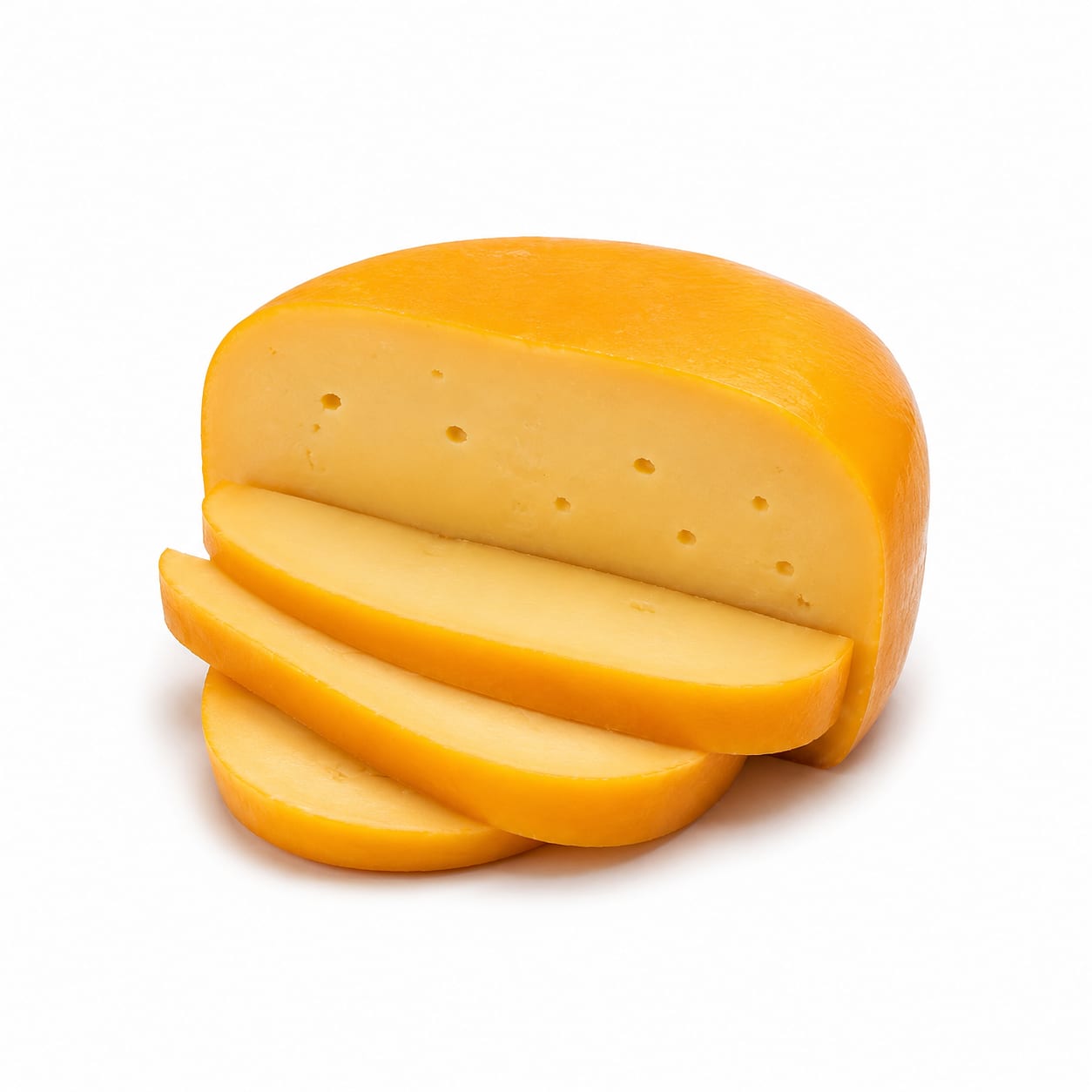
Gouda Cheese
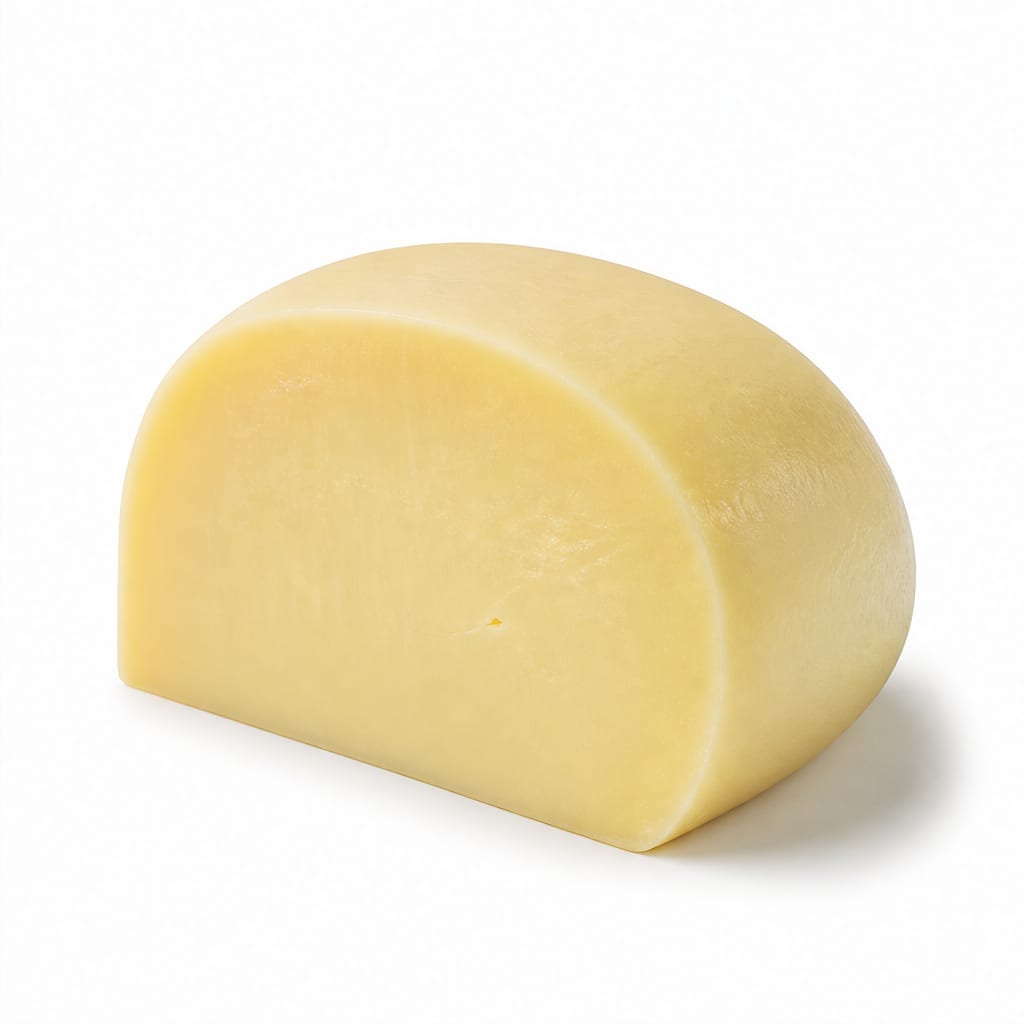
Provolone
Gouda edges out Provolone thanks to lower sodium, more vitamin K2, and the probiotic benefits of aged varieties, though Provolone melts more smoothly for sandwiches.
Gouda scores higher due to its vitamin K2 content, lower sodium, and aged probiotic potential. Provolone remains solid but offers fewer unique nutritional advantages and carries more sodium per serving.
Gouda offers better long-term health value and flavor complexity, while Provolone delivers more reliable melting and a milder crowd-pleasing taste.
At a glance
Executive summary
Overall
Gouda Cheese
Healthier
Gouda Cheese
More practical
Provolone
Daily use
Gouda Cheese
Key comparison lenses
sandwich and melt performance
Both are popular melting cheeses, so how they perform in hot dishes matters deeply for everyday use
sodium and heart health
Cheese is a major sodium source, and the difference between these two directly impacts blood pressure and daily limits
nutrient density beyond basic macros
Gouda's vitamin K2 and probiotic content in aged varieties give it a hidden health edge most people overlook
flavor depth and culinary versatility
Gouda's aging range creates dramatically different flavor experiences, while Provolone stays more consistent
snacking and portion control
Both are calorie-dense, but how satisfying they feel per bite affects overeating risk
Best choice for
Gouda Cheese
- People watching sodium intake or blood pressure
- Those seeking vitamin K2 for bone and heart health
- Cheese lovers who want deeper, more complex flavors
- Anyone eating cheese as a standalone snack
- Gut health enthusiasts choosing aged varieties
Provolone
- Grilled cheese and hot sandwich makers
- Families wanting a mild cheese kids accept easily
- Pizza and Italian recipe cooks
- Those who prefer consistent predictable flavor
Least suitable for
Gouda Cheese
- Strict low-calorie diets due to slightly higher fat content in aged versions
- Dishes requiring perfectly smooth even melting
Provolone
- Low-sodium diets due to higher salt load
- Those seeking probiotic or functional food benefits
- Adventurous eaters wanting complex flavor experiences
Deep comparison
Dimension by dimension
Each lens scores both foods and breaks down who each option suits.
- Dimension 1 · Priority 88Gouda Cheese
sodium_and_heart_health
Gouda Cheese · 72Provolone · 55Gouda typically contains 200-230mg sodium per ounce versus Provolone's 250-280mg, a meaningful gap if you eat cheese regularly.
Tradeoff
That 50-80mg difference per slice adds up fast across a day, pushing Provolone eaters closer to daily sodium limits without realizing it.
Why it matters
Even small consistent sodium reductions lower blood pressure risk over years, and cheese is a stealth sodium source many people underestimate.
Real-world impact
Two slices of Provolone on a sandwich can deliver nearly a quarter of your ideal daily sodium before counting anything else.
Gouda Cheese
- Blood pressure management
- Daily sodium budgeting
- Heart-conscious cheese lovers
Better for
Provolone
- Hypertension-prone individuals
- Anyone already near daily sodium limits
- People eating multiple cheese servings daily
Worse for
- Dimension 2 · Priority 82Gouda Cheese
vitamin_k2_and_bone_health
Gouda Cheese · 85Provolone · 45Gouda is one of the best dietary sources of vitamin K2, especially aged varieties, while Provolone contains minimal amounts.
Tradeoff
Vitamin K2 directs calcium into bones rather than arteries, making Gouda uniquely protective in a way Provolone simply cannot match.
Why it matters
Most people get plenty of calcium but insufficient K2, which means calcium may end up in blood vessels instead of strengthening bones.
Real-world impact
Regular Gouda eaters get a functional bone-health bonus that feels invisible day-to-day but compounds meaningfully over decades.
Gouda Cheese
- Long-term bone density
- Cardiovascular protection via calcium routing
- Older adults vulnerable to fractures
Better for
Provolone
- Those relying on cheese as a calcium source without K2 synergy
- Postmenopausal women needing bone support
Worse for
- Dimension 3 · Priority 85Provolone
melting_and_cooking_performance
Gouda Cheese · 60Provolone · 88Provolone melts smoothly and evenly, making it the reliable choice for hot sandwiches and baked dishes. Gouda can separate or become oily when heated.
Tradeoff
Provolone gives you that perfect cheese pull and even coverage, while Gouda's higher fat content can cause pooling in hot applications.
Why it matters
Melt quality determines whether your grilled cheese feels luxurious or greasy, and this is where Provolone consistently delivers.
Real-world impact
A Provolone grilled cheese stretches beautifully and coats evenly, while Gouda might leave oil on the bread and uneven patches.
Gouda Cheese
- Cold cheese boards
- Shaved over salads
Better for
- Dishes requiring smooth even melt
- Quick-cooking applications with high heat
Worse for
Provolone
- Grilled cheese sandwiches
- Pizza and calzones
- Baked pasta dishes
- Paninis and hot pressed sandwiches
Better for
- Dimension 4 · Priority 72Gouda Cheese
probiotic_and_gut_health_potential
Gouda Cheese · 78Provolone · 35Aged Gouda contains live cultures that survive the cheese matrix and can reach the gut, while Provolone is typically not a probiotic source.
Tradeoff
Choosing aged Gouda over Provolone gives you a fermented food benefit similar to yogurt or kefir, but only if you select properly aged varieties.
Why it matters
Most people do not eat enough fermented foods, and aged Gouda is an effortless way to add probiotic diversity without changing eating habits.
Real-world impact
Snacking on aged Gouda a few times weekly can contribute to gut microbiome diversity in a way Provolone simply cannot replicate.
Gouda Cheese
- Gut microbiome diversity
- Digestive regularity
- Immune support via gut health
Better for
Provolone
- Anyone specifically seeking fermented food benefits
- People trying to reduce probiotic supplement reliance
Worse for
- Dimension 5 · Priority 75Gouda Cheese
flavor_complexity_and_satisfaction
Gouda Cheese · 82Provolone · 58Gouda's aging spectrum from creamy young to crystallized aged creates dramatically different flavor experiences. Provolone stays pleasant but one-dimensional.
Tradeoff
Aged Gouda satisfies with less quantity because the flavor is so concentrated, while Provolone's mildness can lead to eating more to feel satisfied.
Why it matters
Flavor intensity per bite directly affects portion control. More complex cheese often means eating less while feeling more satisfied.
Real-world impact
A small piece of 18-month Gouda can feel like a complete snack experience, while Provolone might require crackers and accompaniments to feel complete.
Gouda Cheese
- Mindful snacking and portion control
- Cheese board experiences
- Adventurous eaters seeking variety
Better for
- Mild-palate preferences
Worse for
Provolone
- Picky eaters who dislike strong cheese
- Dishes where cheese should not dominate flavor
Better for
- Experienced cheese enthusiasts
- Those prone to overeating mild foods
Worse for
- Dimension 6 · Priority 68It depends
calorie_density_and_weight_management
Gouda Cheese · 55Provolone · 58Both cheeses land around 100-110 calories per ounce, making them nearly identical in calorie density. Young Gouda and Provolone are very close.
Tradeoff
Aged Gouda has slightly more fat and calories per ounce due to moisture loss, but its stronger flavor may naturally limit portions.
Why it matters
Neither cheese is a weight loss food, but the one that satisfies with less volume is the one that helps you eat fewer calories without trying.
Real-world impact
Provolone's mildness can disappear into sandwiches unnoticed, adding calories without the feeling of indulgence that slows you down.
Gouda Cheese
- Flavor-satiety portion control with aged varieties
Better for
- Aged varieties are more calorie-dense per ounce
Worse for
Provolone
- Slightly lower calorie count per ounce in standard versions
Better for
- Mild flavor may not trigger satisfaction cues effectively
Worse for
Timeline
Health impact over time
Short-term
Hours to days
Gouda Cheese
- Satisfying and filling as a snack, especially aged varieties
- Lower sodium means less bloating compared to Provolone
- May cause mild constipation if eaten in large amounts due to low fiber and high fat
Provolone
- Quick satisfying melt makes meals feel more indulgent
- Higher sodium can trigger thirst and mild water retention
- Very easy to overeat in melted form without noticing portion size
Long-term
Months to years
Gouda Cheese
- Vitamin K2 supports bone density and arterial health over decades
- Aged varieties contribute to gut microbiome diversity with regular consumption
- Lower sodium intake reduces long-term hypertension risk compared to Provolone
Provolone
- Higher sodium load contributes to elevated blood pressure risk with daily consumption
- Consistent saturated fat intake without K2 may allow more arterial calcium deposition
- Reliable protein and calcium source but without the functional bonuses Gouda provides
Risk profile
Safety & processing
Both are traditional fermented cheeses with minimal additives. Gouda's aging process is entirely natural, and Provolone's smoking is typically authentic. Neither raises significant ultra-processing concerns, though mass-produced versions of both may include preservatives like natamycin.
Gouda Cheese
Listeria contamination in soft young Gouda
lowYoung soft Gouda carries slight listeria risk for pregnant women, but aged firm varieties are extremely low risk.
Histamine in very aged varieties
mediumWell-aged Gouda can accumulate histamine, triggering headaches or reactions in sensitive individuals.
Provolone
Higher sodium contributing to hypertension
mediumProvolone's elevated sodium content is a cumulative cardiovascular risk with regular consumption.
Smoked Provolone PAH exposure
lowSmoked varieties may contain trace polycyclic aromatic hydrocarbons from the smoking process, though levels are typically minimal.
Who wins for whom
Audience fit
Same foods, different winners depending on your goal.
children
ProvoloneProvolone's mild flavor and smooth melt make it far more kid-friendly than even young Gouda.
daily consumption
Gouda CheeseLower sodium and functional nutrient benefits make Gouda the safer daily habit, assuming reasonable portions.
diabetes
Gouda CheeseBoth have near-zero carbs, but Gouda's lower sodium reduces cardiovascular risk that diabetics are already vulnerable to.
elderly
Gouda CheeseGouda's vitamin K2 and probiotic content directly address bone density and gut health concerns that intensify with age.
muscle gain
It dependsBoth provide similar protein content per serving. Choose based on what fits your meal context better.
weight loss
Gouda CheeseAged Gouda's intense flavor promotes satisfaction with smaller portions, while Provolone's mildness can lead to mindless overconsumption.
Your move
Decision guide
Choose Gouda Cheese
- You care about long-term bone and heart health, not just taste
- You enjoy complex flavors and want cheese that satisfies with less
- You watch your sodium intake or have blood pressure concerns
- You want a fermented food that supports gut health
- You eat cheese as a standalone snack rather than a melting ingredient
Choose Provolone
- Grilled cheese, paninis, or hot sandwiches are your primary use case
- You need a mild cheese that everyone at the table will accept
- You cook Italian recipes regularly and want authentic flavor
- Strong cheese flavors are not appealing to you or your family
- You prioritize perfect melt texture over nutritional nuances
Either works if
- You just need a basic cheese protein source and both are available
- You rotate cheeses regularly and do not eat either daily
- Calorie and fat content are your main concerns, since both are similar
Avoid both if
- You are strictly limiting saturated fat for cardiovascular reasons
- You need low-calorie foods for weight loss and cheese does not fit your budget
- You are lactose intolerant and cannot tolerate aged cheeses
- You are on a very low sodium diet under medical supervision
Final recommendation
Make Gouda your everyday cheese for snacking and cold applications, and keep Provolone specifically for melting. This split approach captures Gouda's health advantages while respecting Provolone's superior melt performance. If you must choose only one, Gouda's vitamin K2, lower sodium, and probiotic potential make it the more valuable long-term choice.
Practical
Consumer tips
- 1
Look for Gouda aged 12 months or more to maximize vitamin K2 and probiotic benefits
- 2
Young Gouda melts better than aged varieties if you want to use it in hot dishes
- 3
Check sodium labels carefully, as brands vary widely for both cheeses
- 4
Smoked Provolone adds great flavor but check for artificial smoke flavoring on the label
- 5
Freeze Gouda in blocks if you buy aged varieties, as they last months without quality loss
- 6
A slice of Provolone on a sandwich can contain 15% of your daily sodium limit, so count it accordingly
- 7
Pair either cheese with fruit or nuts instead of crackers to improve the nutritional profile of your snack