
Nutrition comparison
Gouda Cheese vs Parmesan: Nutrition, Sodium, and Best Uses
Comparing Gouda Cheese and Parmesan? Discover which cheese is better for protein, lactose intolerance, sodium, and cooking.
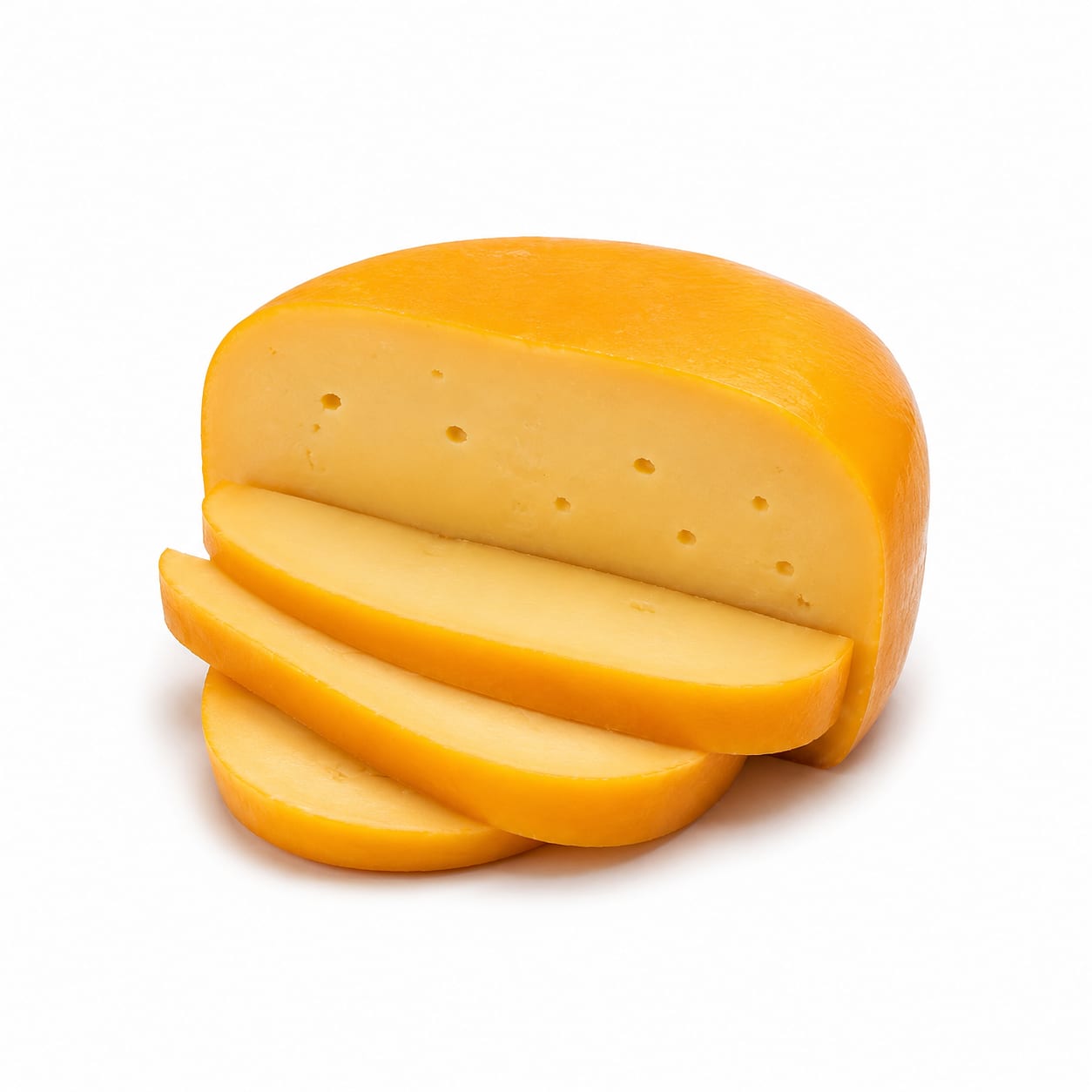
Gouda Cheese
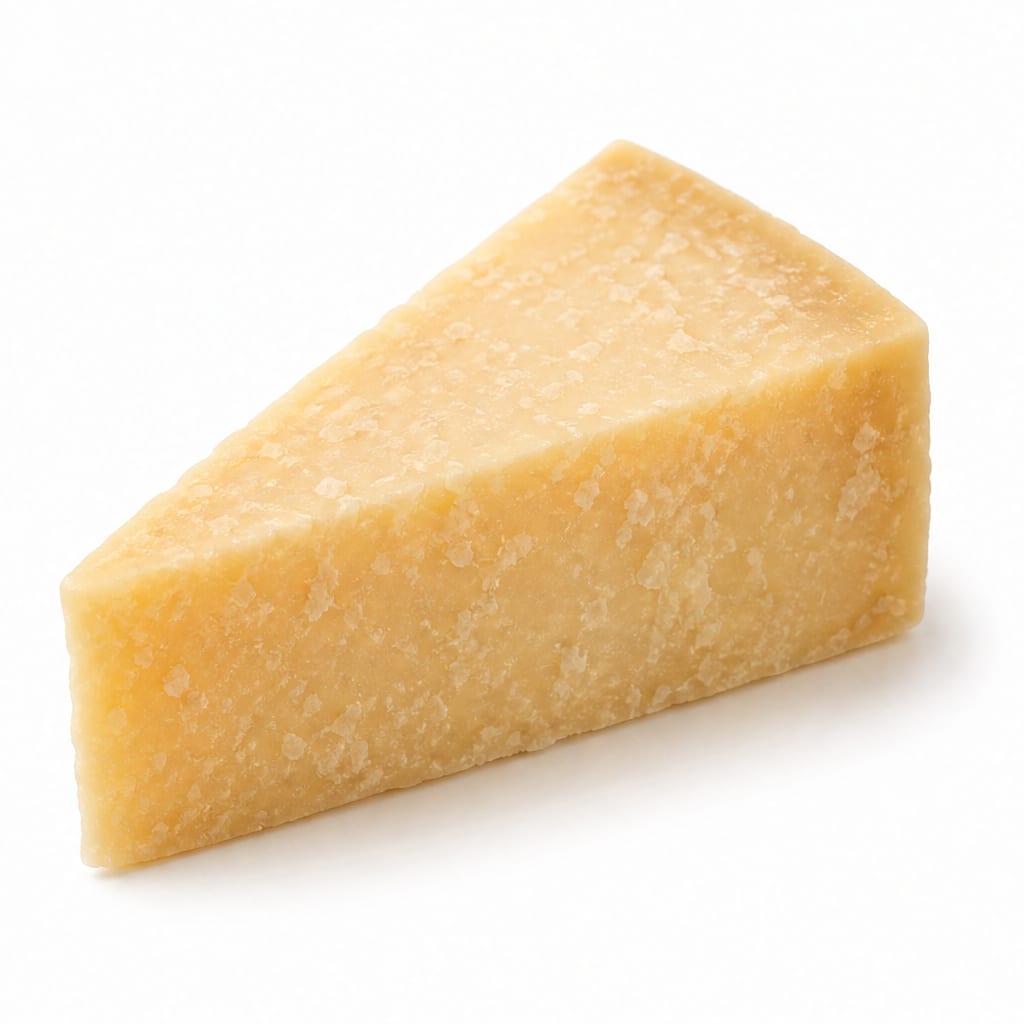
Parmesan
Parmesan packs more protein and calcium with almost no lactose, but Gouda is easier on your blood pressure and melts beautifully for comforting meals.
Parmesan edges ahead for nutrient density and lactose-free status, but Gouda's lower sodium keeps the scores close. The right choice depends entirely on your portion size and health priorities.
Intense flavor and nutrient density (Parmesan) vs. lower sodium and cooking versatility (Gouda).
At a glance
Executive summary
Overall
It depends
Healthier
It depends
More practical
Gouda Cheese
Daily use
Gouda Cheese
Key comparison lenses
Sodium load and heart health impact
Parmesan is notoriously high in sodium, which is a major deciding factor for daily cheese consumption compared to Gouda.
Protein and nutrient density per calorie
Parmesan is often chosen for its high protein and calcium content, making nutrient density a key comparison point.
Lactose tolerance and digestibility
The aging process differences mean Parmesan is virtually lactose-free, while Gouda may still contain trace amounts, impacting sensitive individuals.
Culinary use and portion control
Gouda is often eaten in slices or melted, while Parmesan is used as a flavor garnish, drastically affecting how much is consumed.
Best choice for
Gouda Cheese
- Sandwiches and burgers
- Melting over warm dishes
- People watching their blood pressure
- Those who prefer a milder, creamier cheese
Parmesan
- Sprinkling over pasta and salads
- Lactose-intolerant individuals
- Maximizing protein per calorie
- Boosting flavor with very small amounts
Least suitable for
Gouda Cheese
- Strict lactose-free diets
- High-protein, low-calorie diets
- Flavor garnishing where you want a dry, crumbly texture
Parmesan
- Low-sodium diets
- Eating in large quantities as a snack
- Melting into creamy sauces or on sandwiches
Deep comparison
Dimension by dimension
Each lens scores both foods and breaks down who each option suits.
- Dimension 1 · Priority 90Gouda Cheese
Sodium & Heart Health
Gouda Cheese · 75Parmesan · 40Gouda contains significantly less sodium than Parmesan, making it much safer for blood pressure management.
Tradeoff
Parmesan delivers huge flavor but brings a massive sodium hit, while Gouda is far easier on your cardiovascular system.
Why it matters
High sodium intake is a leading driver of hypertension, and Parmesan can quickly push you over your daily limit if you aren't careful with portions.
Real-world impact
Eating a few slices of Gouda on a sandwich is unlikely to make you feel bloated or thirsty, but a heavy hand with Parmesan on pasta can easily deliver half your daily sodium.
Gouda Cheese
- Managing blood pressure
- Reducing water retention
- Eating larger cheese portions safely
Better for
Parmesan
- Salt-sensitive individuals
- Those eating cheese multiple times a day
- People prone to bloating from sodium
Worse for
- Dimension 2 · Priority 85Parmesan
Protein & Nutrient Density
Gouda Cheese · 65Parmesan · 90Parmesan offers far more protein and calcium per calorie than Gouda, making it a nutrient powerhouse.
Tradeoff
You get more muscle-building and bone-supporting nutrition per bite from Parmesan, but you have to manage its intense saltiness.
Why it matters
If you are trying to maximize nutrition without overeating, Parmesan's density is highly efficient.
Real-world impact
A small sprinkle of Parmesan gives you the same protein hit as a much thicker slice of Gouda, saving you calories if you just need a flavor and protein boost.
Gouda Cheese
- Those needing high protein in a caloric deficit
Worse for
Parmesan
- High-protein diets
- Bone health support
- Calorie-controlled nutrition
Better for
- Dimension 3 · Priority 80Parmesan
Digestive Tolerance (Lactose)
Gouda Cheese · 50Parmesan · 95Parmesan is virtually lactose-free due to its long aging process, while younger Gouda retains enough lactose to bother sensitive stomachs.
Tradeoff
If dairy upsets your stomach, Parmesan is the safer bet, whereas Gouda might cause bloating or discomfort for the lactose intolerant.
Why it matters
Many adults have reduced lactase production, making hard aged cheeses the only dairy they can comfortably digest.
Real-world impact
You can enjoy Parmesan on a salad without worrying about gastric distress later, but a Gouda snack might leave you feeling uncomfortably bloated if you are sensitive.
Gouda Cheese
- People with lactose intolerance
- Those prone to dairy-induced bloating
Worse for
Parmesan
- Lactose-intolerant individuals
- People with sensitive digestion
- Those transitioning to dairy after a break
Better for
- Dimension 4 · Priority 75Gouda Cheese
Versatility & Satiety
Gouda Cheese · 85Parmesan · 60Gouda melts beautifully and works as a standalone snack, while Parmesan is best used as a flavor enhancer rather than a main ingredient.
Tradeoff
Gouda is a satisfying, comforting food you can build a meal around, whereas Parmesan is a supporting actor that elevates other dishes.
Why it matters
How you actually use cheese in real life determines your portion sizes and overall calorie intake.
Real-world impact
Gouda is perfect for a quick grilled cheese or a filling afternoon snack, while Parmesan shines when you need to make a bowl of roasted veggies taste incredible with just a dusting.
Gouda Cheese
- Melting on hot dishes
- Standalone snacking
- Sandwiches and burgers
Better for
- Low-calorie flavor boosting
Worse for
Parmesan
- Flavor garnishing
- Low-calorie taste enhancement
Better for
- Comfort food cravings
- Making a filling snack
Worse for
Timeline
Health impact over time
Short-term
Hours to days
Gouda Cheese
- Provides satisfying, comforting fullness
- May cause bloating if you are lactose sensitive
Parmesan
- Adds intense umami satisfaction to meals
- Can cause thirst and slight water retention from high sodium
Long-term
Months to years
Gouda Cheese
- Better for maintaining healthy blood pressure due to lower sodium
- Provides vitamin K2 for heart and bone health
Parmesan
- Excellent for maintaining bone density and muscle mass
- Risk of elevated blood pressure if consumed heavily and frequently
Risk profile
Safety & processing
Both are traditional fermented dairy products. However, pre-grated Parmesan often contains cellulose (wood pulp) as an anti-caking agent, so buying blocks is the more natural choice for both.
Gouda Cheese
Histamine sensitivity
mediumAged Gouda contains moderate levels of histamine, which can trigger headaches in sensitive individuals.
Lactose content
lowYounger Gouda retains some lactose, posing a minor risk for those with intolerance.
Parmesan
High histamine levels
highThe extensive aging process makes Parmesan very high in histamine, a common migraine trigger.
Additives in pre-grated forms
mediumPre-shredded Parmesan often includes cellulose to prevent clumping, which is a highly processed additive.
Who wins for whom
Audience fit
Same foods, different winners depending on your goal.
children
Gouda CheeseGouda has a milder flavor, lower sodium, and melts easily into kid-friendly meals like grilled cheese.
daily consumption
Gouda CheeseGouda's lower sodium load makes it safer to eat regularly without risking cardiovascular strain.
diabetes
ParmesanBoth are low in carbs, but Parmesan's near-zero lactose content ensures no blood sugar interference.
elderly
ParmesanParmesan provides highly bioavailable calcium and protein for bone health with no lactose, which is ideal as digestion slows with age.
muscle gain
ParmesanParmesan offers significantly more protein per calorie, supporting muscle repair efficiently.
weight loss
ParmesanParmesan's intense flavor means you can use very little to satisfy a cheese craving, keeping calories low.
Your move
Decision guide
Choose Gouda Cheese
- You want a melty cheese for sandwiches or burgers
- You are watching your sodium intake
- You prefer a milder, creamier flavor
- You want a satisfying snack cheese
Choose Parmesan
- You need a flavor boost for pasta or roasted veggies
- You are lactose intolerant
- You want maximum protein and calcium per calorie
- You are tracking calories and need intense flavor in small amounts
Either works if
- You want a fermented dairy source for gut health
- You need a low-carb cheese option
Avoid both if
- You are following a strict dairy-free or vegan diet
- You have severe histamine intolerance
Final recommendation
Keep both in your fridge for different jobs. Use Gouda when you want a comforting, melty, lower-sodium cheese for meals, and rely on Parmesan when you need a hard, lactose-free flavor punch that maximizes protein without piling on calories.
Practical
Consumer tips
- 1
Grate your own Parmesan from a block to avoid cellulose and anti-caking additives found in pre-shredded bags.
- 2
Aged Gouda shares some of Parmesan's crunch and low-lactose benefits, offering a great middle ground if you want lower sodium but more intensity.
- 3
Keep Parmesan portions to a tablespoon or two to avoid a sodium overload while still getting the umami benefit.
- 4
Gouda pairs well with fruit for a balanced snack, while Parmesan shines over savory dishes.