
Nutrition comparison
Gouda Cheese vs Mozzarella: Nutrition, Calories, and Which Is Healthier
Compare Gouda cheese vs mozzarella on calories, sodium, vitamin K2, lactose, and protein. Find out which cheese fits your diet and health goals better.
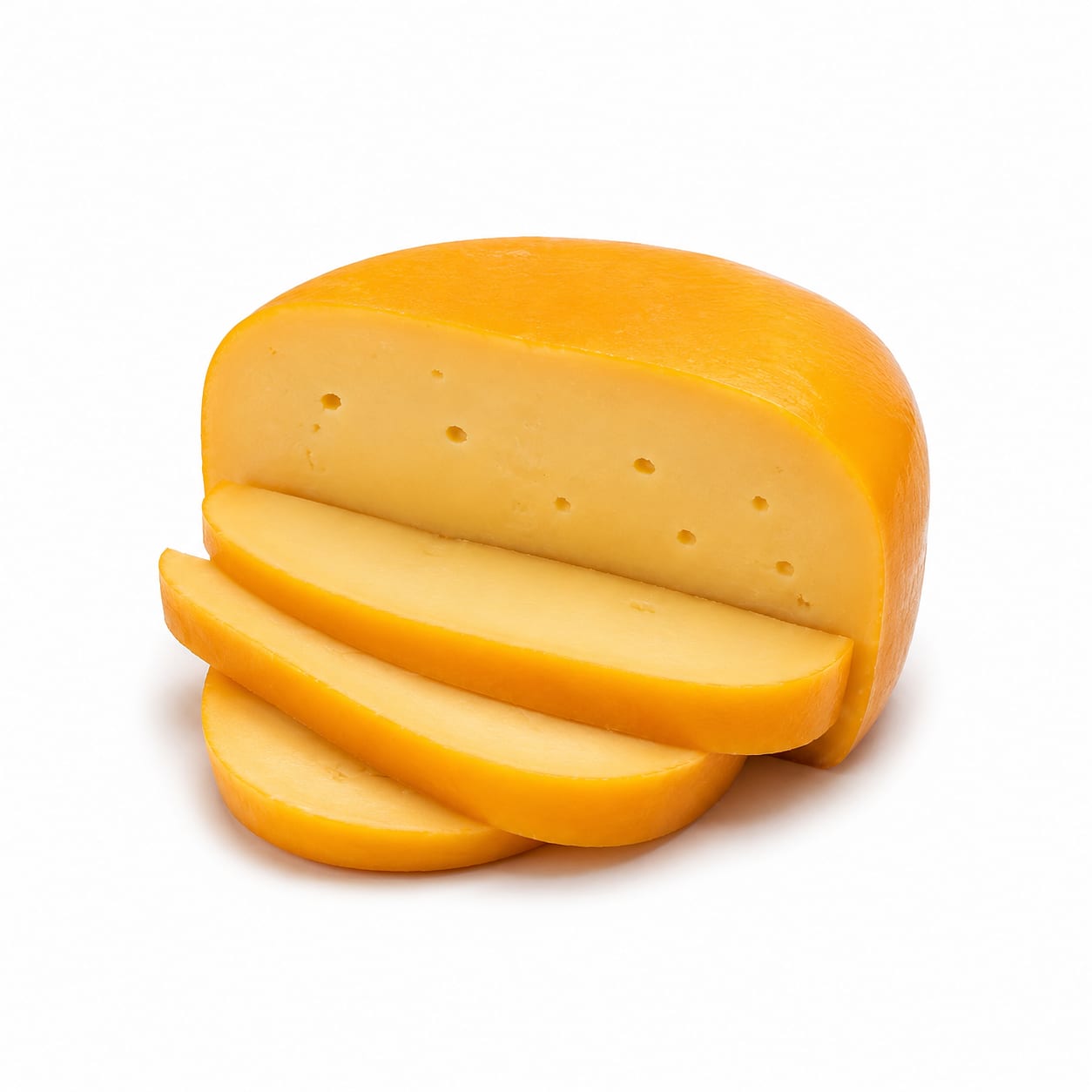
Gouda Cheese
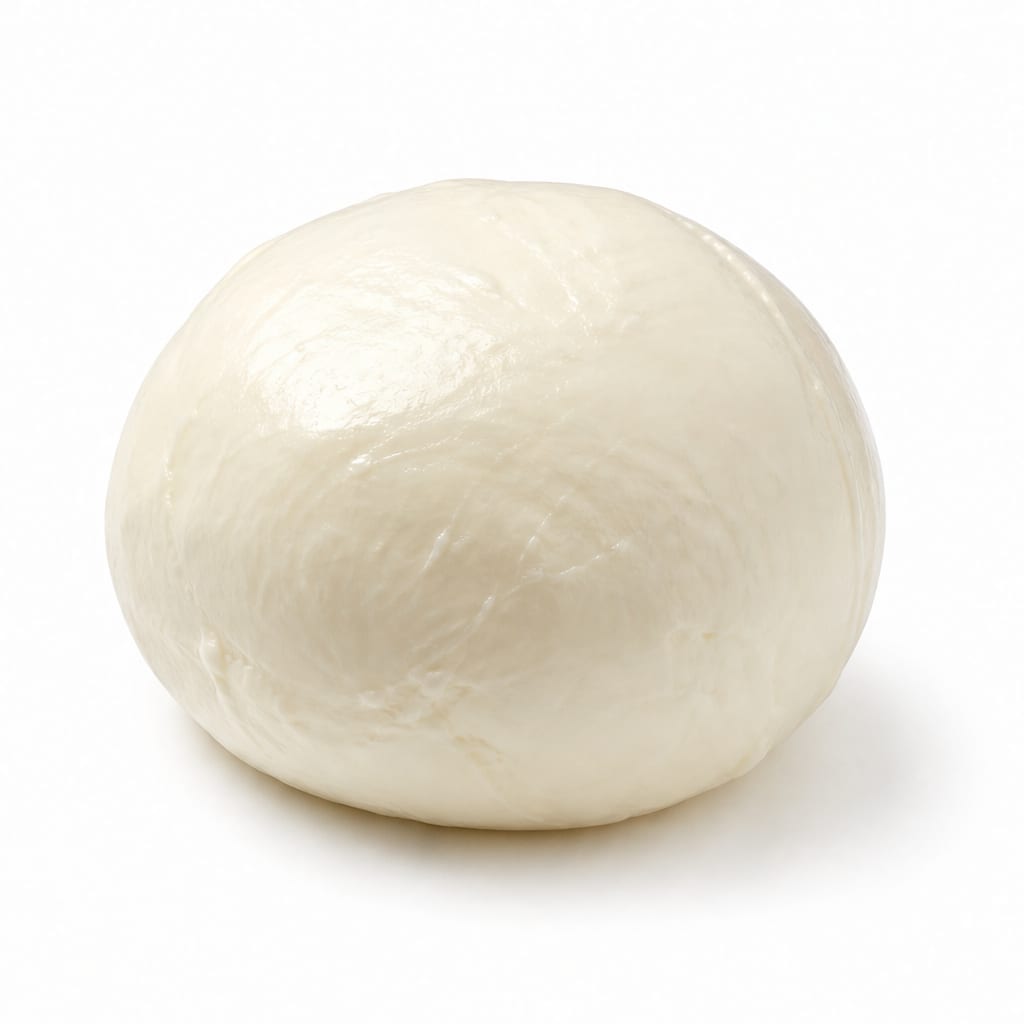
Mozzarella
Mozzarella is lighter and more versatile for daily eating. Gouda delivers deeper nutrition per bite, especially vitamin K2, but comes with more calories and sodium.
Mozzarella scores higher overall due to lower calories, less sodium, and broader everyday usability. Gouda earns strong marks for micronutrient density and lactose friendliness but loses ground on calorie density and sodium, which matter more for daily consumption.
Calorie and sodium savings with mozzarella versus richer micronutrients and near-zero lactose with aged Gouda.
At a glance
Executive summary
Overall
It depends
Healthier
Mozzarella
More practical
Mozzarella
Daily use
Mozzarella
Key comparison lenses
Weight management and calorie control
Mozzarella is significantly lower in calories and fat, making it the go-to for portion-conscious eaters
Bone health and micronutrient density
Gouda is one of the best dietary sources of vitamin K2, which matters for calcium absorption and bone strength
Sodium and blood pressure concerns
Gouda carries a heavier sodium load, which is a real concern for daily consumption
Versatility and everyday cooking
Mozzarella melts better and fits into more meals, from salads to pizzas to sandwiches
Lactose sensitivity
Aged Gouda contains nearly zero lactose, while fresh mozzarella still has noticeable amounts
Best choice for
Gouda Cheese
- People seeking vitamin K2 for bone and heart health
- Lactose-intolerant individuals who still want cheese
- Those wanting bold flavor in small portions
- Charcuterie boards and gourmet snacking
Mozzarella
- Weight-conscious eaters tracking calories
- People watching sodium intake
- Families needing a kid-friendly melting cheese
- Anyone eating cheese multiple times per day
Least suitable for
Gouda Cheese
- Daily heavy use in calorie-controlled diets
- People with hypertension managing sodium strictly
- Those who find strong cheese flavors overpowering
Mozzarella
- People needing vitamin K2 from dietary sources
- Those with lactose sensitivity wanting aged cheese
- Dishes requiring intense cheese flavor with small amounts
Deep comparison
Dimension by dimension
Each lens scores both foods and breaks down who each option suits.
- Dimension 1 · Priority 92Mozzarella
Calorie Density and Weight Management
Gouda Cheese · 45Mozzarella · 78Mozzarella delivers significantly fewer calories per serving, especially part-skim varieties, making it far easier to fit into a calorie-conscious routine.
Tradeoff
Gouda's richer flavor means you might eat less volume but still consume more calories per slice.
Why it matters
If cheese is a daily food, the calorie difference compounds fast over weeks and months.
Real-world impact
A single ounce of Gouda runs about 100-110 calories versus 70-85 for part-skim mozzarella. Over a month of daily snacking, that difference adds up to roughly a pound of body weight.
Gouda Cheese
- Satiety per bite when eating small amounts
Better for
- Easy overconsumption of calories
- Less room in tight calorie budgets
Worse for
Mozzarella
- Staying within daily calorie targets
- Larger portions without guilt
- Weight loss or maintenance diets
Better for
- May feel less satisfying in tiny portions
Worse for
- Dimension 2 · Priority 85Mozzarella
Sodium and Blood Pressure Impact
Gouda Cheese · 40Mozzarella · 68Gouda typically contains 200-270mg sodium per ounce, while mozzarella ranges from 130-175mg. That gap matters for anyone watching blood pressure.
Tradeoff
Gouda's aging process concentrates flavor and sodium alike. You get more taste but also more salt.
Why it matters
Regular high-sodium cheese consumption can quietly push daily intake past recommended limits.
Real-world impact
Two slices of Gouda on a sandwich can deliver nearly a quarter of your daily sodium allowance before counting anything else.
Gouda Cheese
- Flavor intensity so you need less cheese overall
Better for
- Hypertension risk with regular consumption
- Easier to exceed daily sodium limits
Worse for
Mozzarella
- Blood pressure management
- More room for sodium from other foods
- Less bloating and water retention
Better for
- Milder flavor may lead to using more cheese
Worse for
- Dimension 3 · Priority 88Gouda Cheese
Micronutrient Density
Gouda Cheese · 86Mozzarella · 65Gouda is a standout source of vitamin K2 (menaquinone), which is rare in most foods. It also provides more zinc and vitamin A per serving than mozzarella.
Tradeoff
You pay more calories and sodium to get those extra micronutrients from Gouda versus taking a supplement.
Why it matters
Vitamin K2 helps direct calcium into bones rather than arteries, making it critical for long-term skeletal and cardiovascular health.
Real-world impact
Aged Gouda is one of the top food sources of K2 worldwide. If you do not eat fermented foods or natto, Gouda may be your best dietary source.
Gouda Cheese
- Vitamin K2 intake for bone and heart health
- Zinc for immune function
- More fat-soluble vitamins per serving
Better for
- Nutrients come with more calories and sodium attached
Worse for
Mozzarella
- Calcium with less caloric baggage
- Lighter micronutrient profile for frequent use
Better for
- Negligible vitamin K2 content
- Lower overall micronutrient concentration
Worse for
- Dimension 4 · Priority 78Mozzarella
Protein Quality and Satiety
Gouda Cheese · 62Mozzarella · 75Both provide complete dairy protein, but mozzarella offers a slightly better protein-to-calorie ratio, especially part-skim varieties.
Tradeoff
Gouda's higher fat content slows digestion, which can feel more satisfying despite less protein efficiency.
Why it matters
Protein-per-calorie matters for anyone managing weight while preserving muscle.
Real-world impact
Part-skim mozzarella gives you roughly 7g protein per 80 calories. Gouda delivers about 7g per 105 calories. The difference is modest but consistent.
Gouda Cheese
- Higher fat content keeps you full longer per serving
- Slower digestion may reduce between-meal snacking
Better for
- More calories per gram of protein
Worse for
Mozzarella
- Better protein-to-calorie ratio
- Fits more easily into macro tracking
- Post-workout snacking with less fat slowdown
Better for
- May feel less rich and satisfying alone
Worse for
- Dimension 5 · Priority 72Gouda Cheese
Lactose Tolerance and Digestibility
Gouda Cheese · 88Mozzarella · 50Aged Gouda (12+ months) contains virtually no lactose because bacteria consume it during aging. Fresh mozzarella retains significant lactose.
Tradeoff
Young Gouda and smoked Gouda still contain moderate lactose, so you must choose well-aged varieties for this benefit.
Why it matters
Roughly 65% of the global population has some degree of lactose malabsorption.
Real-world impact
If regular cheese causes bloating or gas, aged Gouda is one of the safest cheeses you can eat. Fresh mozzarella is more likely to trigger symptoms.
Gouda Cheese
- Near-zero lactose in aged varieties
- Gentle on sensitive digestive systems
- No need for lactase supplements
Better for
- Young Gouda still contains lactose
- High fat can slow gastric emptying uncomfortably for some
Worse for
Mozzarella
- Softer texture may be easier to chew for some
Better for
- Noticeable lactose content causes issues for many
- Fresh mozzarella is particularly problematic
Worse for
- Dimension 6 · Priority 75Mozzarella
Cooking Versatility and Convenience
Gouda Cheese · 55Mozzarella · 85Mozzarella melts beautifully, works in cold and hot dishes, and has a neutral flavor that pairs with almost anything.
Tradeoff
Gouda can separate or become oily when melted at high heat, and its strong flavor limits pairing options.
Why it matters
A cheese you actually cook with regularly delivers more practical nutritional value than one that sits in the fridge.
Real-world impact
Mozzarella goes from caprese salad to pizza to panini without thinking. Gouda shines on a cheese board but requires more intention in cooking.
Gouda Cheese
- Flavor depth that carries simple dishes
- Grating over soups and vegetables for bold impact
Better for
- Can become greasy when melted
- Overpowers delicate dishes
Worse for
Mozzarella
- Reliable melting for pizza, pasta, and sandwiches
- Works raw in salads and snacks
- Kid-friendly mild taste
- Available in convenient string cheese and ball forms
Better for
- Less flavor impact per small amount used
Worse for
Timeline
Health impact over time
Short-term
Hours to days
Gouda Cheese
- Higher fat content provides lasting fullness but may feel heavy
- Sodium can cause noticeable bloating or thirst after eating
- Rich flavor triggers satisfaction quickly, often with less volume
Mozzarella
- Lighter feeling after eating, less likely to cause sluggishness
- Lower sodium means less immediate water retention
- Fresh varieties have high moisture content, contributing to hydration
Long-term
Months to years
Gouda Cheese
- Vitamin K2 supports bone density and arterial health over decades
- Regular high sodium intake may elevate blood pressure risk
- Higher saturated fat load warrants moderation for cardiovascular health
- Near-zero lactose in aged varieties protects digestive comfort long-term
Mozzarella
- Lower calorie and sodium burden makes daily consumption safer long-term
- Consistent calcium intake supports bone maintenance
- Minimal K2 means missing a key nutrient if Gouda or fermented foods are absent
- Lactose content may drive chronic low-grade digestive issues in sensitive people
Risk profile
Safety & processing
Both are traditional fermented dairy products with minimal additives. Aged Gouda undergoes longer fermentation, which actually enhances its nutritional profile. Low-moisture mozzarella may contain slightly more preservatives to extend shelf life, but fresh mozzarella is typically just milk, cultures, and rennet.
Gouda Cheese
Histamine content
mediumAged Gouda accumulates histamine, which can trigger headaches or reactions in histamine-sensitive individuals.
Listeria in unpasteurized varieties
mediumRaw milk Gouda carries a small but real listeria risk, especially concerning for pregnant women.
Mozzarella
Listeria in fresh varieties
mediumFresh mozzarella has higher moisture and is less acidic, creating more favorable conditions for bacterial growth if not handled properly.
Shorter shelf life
lowFresh mozzarella spoils quickly once opened, increasing waste and potential foodborne illness if consumed past its prime.
Who wins for whom
Audience fit
Same foods, different winners depending on your goal.
children
MozzarellaMilder flavor, better melt for kid-friendly meals, and lower sodium make mozzarella more appropriate for developing palates and bodies.
daily consumption
MozzarellaLower calories and sodium make mozzarella safer to eat every day without accumulating cardiovascular risk factors.
diabetes
Gouda CheeseAged Gouda has virtually zero lactose and carbohydrates, with higher fat content that slows any blood sugar response.
elderly
Gouda CheeseVitamin K2 and higher calcium density in Gouda support bone health in aging populations, and low lactose eases digestion.
muscle gain
MozzarellaBetter protein-to-calorie ratio and lower fat content make mozzarella easier to fit into muscle-building macros.
weight loss
MozzarellaPart-skim mozzarella provides satisfying protein with fewer calories and less sodium, making it easier to maintain a deficit.
Your move
Decision guide
Choose Gouda Cheese
- You want to boost vitamin K2 intake through food rather than supplements
- You are lactose-sensitive but still want to enjoy cheese
- You prefer eating a small amount of intensely flavored cheese rather than a larger portion of something mild
- You are building a charcuterie or cheese board experience
Choose Mozzarella
- You eat cheese daily and need to manage calories and sodium
- You cook frequently and need a reliable melting cheese
- You are feeding children who prefer milder flavors
- You want a post-workout protein source with less fat
- You are meal-prepping and need versatile cheese for multiple dishes
Either works if
- You simply want a calcium source and enjoy both flavors
- You rotate cheeses throughout the week for variety
- You are not sodium-sensitive and have room in your calorie budget
Avoid both if
- You have a dairy allergy, not just lactose intolerance
- You are following a strict vegan diet
- You have severe hypertension and need to minimize all sodium sources
Final recommendation
Keep mozzarella as your everyday workhorse cheese for meals, melting, and snacking. Add aged Gouda a few times per week as a condiment-style cheese to cover your vitamin K2 needs. Think of mozzarella as your staple and Gouda as your supplement with flavor.
Practical
Consumer tips
- 1
Look for Gouda aged 12+ months to maximize vitamin K2 and minimize lactose. Young Gouda lacks both benefits.
- 2
Choose part-skim mozzarella for the best calorie-to-protein ratio. Whole milk mozzarella is closer to Gouda in fat content.
- 3
Freeze mozzarella in portioned bags if you buy in bulk. It melts well after freezing with minimal texture change.
- 4
Grate aged Gouda finely and use it as a topping rather than a base. A little goes a long way on roasted vegetables or soups.
- 5
Check sodium labels carefully. Some smoked Gouda varieties exceed 300mg per ounce, which is notably high even among cheeses.
- 6
If lactose is your main concern, aged Gouda is safer than any mozzarella variety, including low-lactose claims on fresh cheese.