
Nutrition comparison
Gouda vs Monterey Jack: Which Cheese Is Healthier?
Compare Gouda Cheese and Monterey Jack on nutrition, sodium, vitamin K2, melting, and lactose. Find out which cheese is better for your health goals.
Overall winner · Gouda Cheese
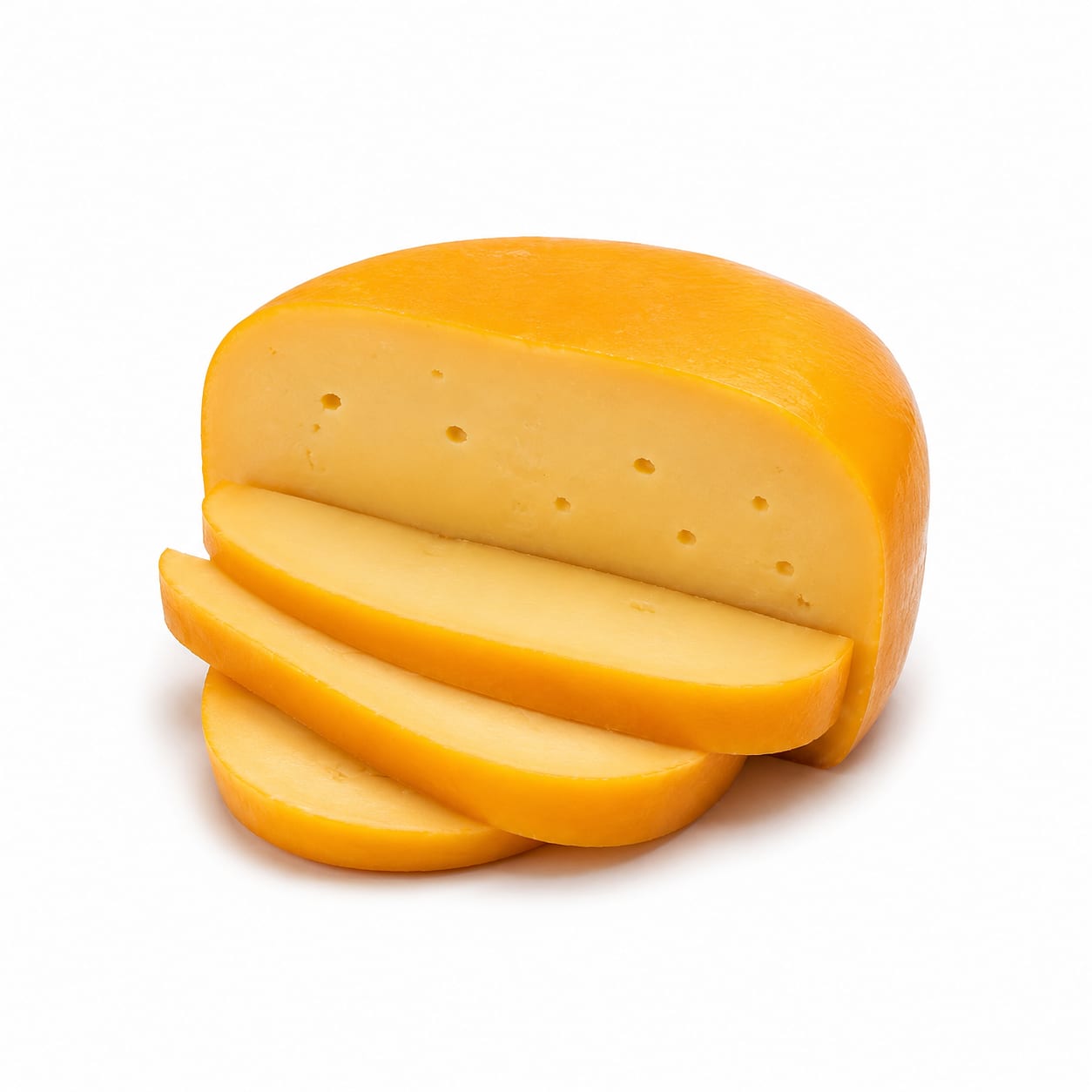
Gouda Cheese
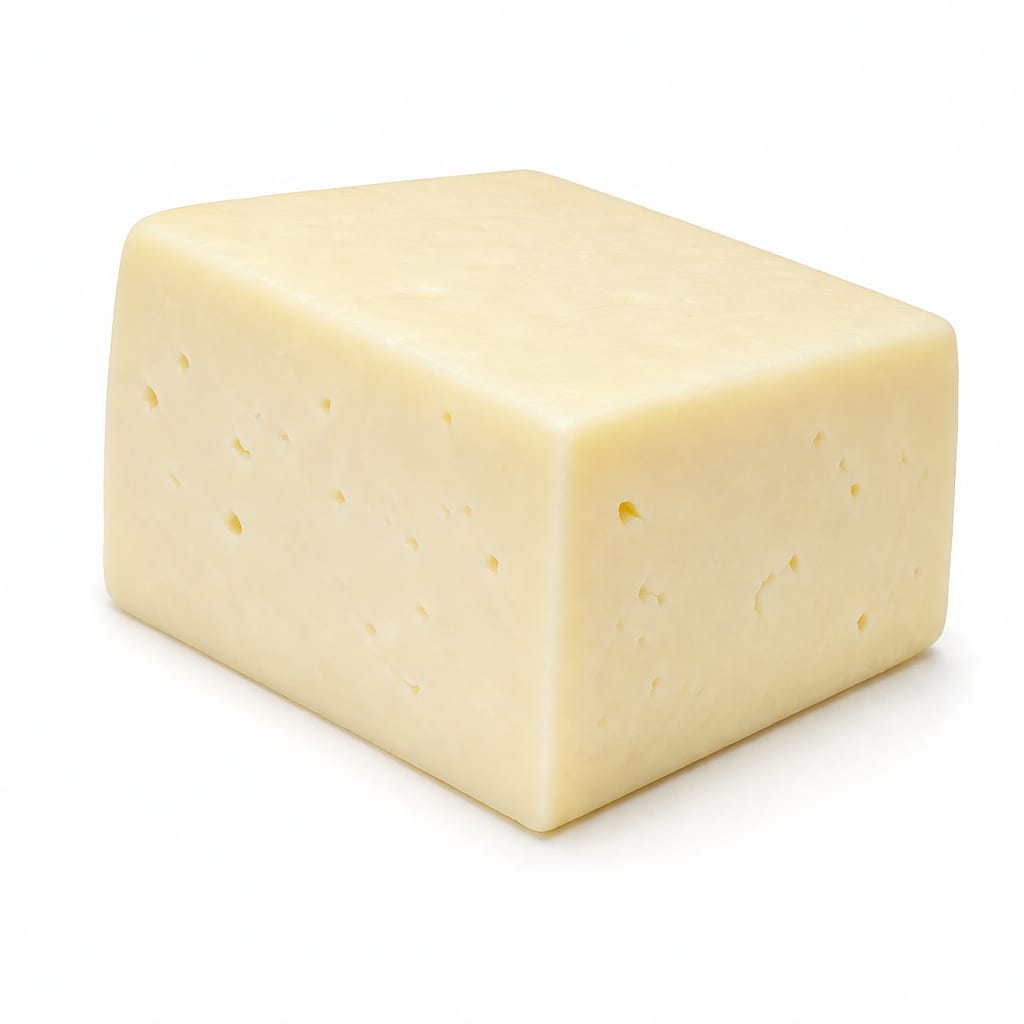
Monterey Jack
Gouda edges ahead thanks to lower sodium, more vitamin K2, and better lactose digestibility in aged varieties, though Monterey Jack melts better and has a milder flavor some prefer.
Gouda scores moderately higher due to its vitamin K2 advantage, lower sodium, and aged-lactose benefits. Monterey Jack remains solid for cooking but offers fewer standout nutritional reasons to choose it daily.
Gouda offers more unique nutritional benefits and aging depth, while Monterey Jack delivers superior meltability and a more neutral flavor that works in more dishes.
At a glance
Executive summary
Overall
Gouda Cheese
Healthier
Gouda Cheese
More practical
Monterey Jack
Daily use
Gouda Cheese
Key comparison lenses
Sodium and blood pressure impact
Both cheeses are significant sodium sources, but levels differ enough to matter for daily consumption
Cooking and melting versatility
These are both popular cooking cheeses and melt behavior affects real-world meal choices
Digestive tolerance and lactose
Aged Gouda becomes nearly lactose-free, a meaningful advantage for sensitive individuals
Nutrient density beyond basics
Gouda's vitamin K2 content is a standout feature most people don't know about
Weight management and calorie density
Both are calorie-dense, but small differences in fat and protein ratios add up
Best choice for
Gouda Cheese
- People watching sodium intake
- Those with mild lactose sensitivity
- Anyone seeking vitamin K2 for bone and heart health
- Cheese lovers who enjoy complex, nutty flavors
- Those who eat cheese as a standalone snack
Monterey Jack
- Home cooks needing reliable melting
- Families wanting a mild cheese kids accept easily
- Mexican and American recipe enthusiasts
- People who find strong cheese flavors overwhelming
- Quick sandwich and burger makers
Least suitable for
Gouda Cheese
- Very low-fat diets due to higher fat content
- Dishes requiring smooth, even melting
- People avoiding bold or aged flavors
Monterey Jack
- Sodium-restricted diets
- Those seeking nutrient-dense cheese options
- Lactose-sensitive individuals
Deep comparison
Dimension by dimension
Each lens scores both foods and breaks down who each option suits.
- Dimension 1 · Priority 88Gouda Cheese
Sodium Load
Gouda Cheese · 62Monterey Jack · 48Gouda typically contains 200-270mg sodium per ounce, while Monterey Jack ranges from 150-200mg but many commercial varieties hit 350mg+.
Tradeoff
Aged Gouda can climb higher in sodium, so the advantage shrinks with very aged varieties.
Why it matters
Even a 100mg difference per ounce adds up fast if cheese is a daily habit.
Real-world impact
Two ounces of cheese daily means Gouda could save you 200-400mg of sodium per day compared to some Monterey Jack brands.
Gouda Cheese
- Hypertension management
- Heart-healthy eating patterns
Better for
- Very aged Gouda varieties can be surprisingly salty
Worse for
Monterey Jack
- Some low-sodium commercial varieties exist
Better for
- Many mainstream brands add significant sodium for preservation
Worse for
- Dimension 2 · Priority 80Gouda Cheese
Vitamin K2 Content
Gouda Cheese · 85Monterey Jack · 40Gouda is one of the best dietary sources of vitamin K2 (menaquinone), especially in aged versions. Monterey Jack contains minimal K2.
Tradeoff
You'd need to eat Gouda regularly to get meaningful K2 intake, which also means more saturated fat.
Why it matters
Vitamin K2 helps direct calcium to bones instead of arteries, supporting both skeletal and cardiovascular health.
Real-world impact
An ounce of aged Gouda provides roughly 20-30% of your daily K2 needs. Monterey Jack offers almost none.
Gouda Cheese
- Bone density maintenance
- Cardiovascular protection
- Pairing with calcium-rich foods for synergy
Better for
Monterey Jack
- Missing a significant K2 source most diets lack
Worse for
- Dimension 3 · Priority 82Monterey Jack
Melting and Cooking Performance
Gouda Cheese · 55Monterey Jack · 88Monterey Jack melts smoothly and evenly, making it ideal for quesadillas, grilled cheese, and casseroles. Gouda can separate or become oily when melted.
Tradeoff
Gouda's flavor complexity shines when eaten cold or barely warmed, but it doesn't behave as gracefully under high heat.
Why it matters
If your primary cheese use is cooking, melt quality affects every meal you make with it.
Real-world impact
Monterey Jack gives you that perfect cheese pull in quesadillas. Gouda works better on a charcuterie board.
Gouda Cheese
- Cheese boards and snacking
- Grating over warm (not hot) dishes
Better for
- High-heat applications
- Dishes requiring even cheese coverage
Worse for
Monterey Jack
- Quesadillas and burritos
- Grilled cheese sandwiches
- Casseroles and baked dishes
- Burgers and hot sandwiches
Better for
- Standalone cheese tasting
Worse for
- Dimension 4 · Priority 78Gouda Cheese
Lactose Tolerance
Gouda Cheese · 85Monterey Jack · 50Aged Gouda (12+ months) contains virtually no lactose. Monterey Jack, being a younger cheese, retains more lactose.
Tradeoff
Young Gouda has similar lactose to Monterey Jack, so you must choose aged varieties for this benefit.
Why it matters
Roughly 65% of adults have some lactose malabsorption, making this a widespread concern.
Real-world impact
Lactose-sensitive people can often eat aged Gouda comfortably, while Monterey Jack may cause bloating or discomfort.
Gouda Cheese
- Lactose-sensitive individuals
- Gradual dairy reintroduction after elimination diets
Better for
- Young Gouda offers no lactose advantage
Worse for
Monterey Jack
- More likely to trigger symptoms in sensitive people
Worse for
- Dimension 5 · Priority 72It depends
Flavor Versatility
Gouda Cheese · 78Monterey Jack · 72Gouda offers a wide flavor spectrum from mild and creamy to intensely nutty and caramel-like. Monterey Jack stays consistently mild and buttery.
Tradeoff
Gouda's range is exciting for enthusiasts but unpredictable for picky eaters. Monterey Jack is reliably inoffensive.
Why it matters
Flavor determines whether you actually enjoy eating the cheese or let it go to waste in the fridge.
Real-world impact
Gouda can be a cheese course centerpiece. Monterey Jack is the safe choice that everyone will eat without complaint.
Gouda Cheese
- Cheese enthusiasts and foodies
- Entertaining and charcuterie
- Adding depth to simple dishes
Better for
- Picky eaters may reject aged varieties
Worse for
Monterey Jack
- Kid-friendly meals
- Crowd-pleasing recipes
- Letting other ingredients shine
Better for
- Can feel boring to experienced cheese lovers
Worse for
- Dimension 6 · Priority 70It depends
Calorie and Fat Density
Gouda Cheese · 52Monterey Jack · 55Both are calorie-dense with similar profiles around 100-110 calories and 7-9g fat per ounce. Gouda tends slightly higher in fat; Monterey Jack slightly higher in moisture.
Tradeoff
Neither is a low-calorie food. The small differences only matter if you eat cheese in large quantities.
Why it matters
Portion control matters more than choosing between these two for weight management.
Real-world impact
An ounce of either fits reasonably into most diets. The problem starts at two or three ounces, which is easy to reach.
Gouda Cheese
- Slightly more fat-soluble vitamins due to higher fat content
Better for
- Higher fat content can add up quickly
Worse for
Monterey Jack
- Slightly lower calorie count per ounce in some varieties
Better for
Timeline
Health impact over time
Short-term
Hours to days
Gouda Cheese
- Aged Gouda provides satisfying, slow-digesting fat and protein that stabilizes blood sugar
- Very low lactose in aged varieties means less bloating for sensitive individuals
- Higher fat content promotes fullness but can feel heavy in large portions
Monterey Jack
- Mild flavor makes it easy to overeat, especially in melted form on nachos or tacos
- Moderate lactose may cause gas or bloating in sensitive people
- Smooth melting encourages larger portions without realizing it
Long-term
Months to years
Gouda Cheese
- Vitamin K2 from regular Gouda consumption supports bone density and arterial health over decades
- Lower sodium intake compared to many cheeses reduces cumulative cardiovascular strain
- Sustained saturated fat intake requires mindful portioning for heart health
Monterey Jack
- Consistent sodium intake from regular consumption may contribute to blood pressure concerns
- Good calcium intake supports bone health, though without K2 the calcium may not be optimally directed
- Easy overconsumption due to mild flavor can contribute to gradual weight gain
Risk profile
Safety & processing
Both are traditional fermented dairy products with minimal additives in their basic forms. Gouda's aging process is entirely natural. Monterey Jack sometimes includes additional salt or colorants in mass-produced versions. Artisanal versions of both are clean choices.
Gouda Cheese
Histamine in aged varieties
mediumAged Gouda can accumulate histamine, which may trigger headaches or reactions in histamine-sensitive individuals.
Listeria in unpasteurized versions
lowRaw milk Gouda carries a small listeria risk. Pasteurized versions, which are most common, eliminate this concern.
Monterey Jack
Higher moisture content increases spoilage risk
lowMonterey Jack's higher water activity means it can mold faster than aged Gouda once opened.
Listeria in unpasteurized versions
lowSame as any cheese, raw milk varieties carry slight listeria risk. Most commercial Monterey Jack is pasteurized.
Who wins for whom
Audience fit
Same foods, different winners depending on your goal.
children
Monterey JackMonterey Jack's mild, approachable flavor and smooth melt make it far more kid-friendly than most Gouda varieties.
daily consumption
Gouda CheeseLower sodium, more K2, and better lactose tolerance make Gouda the smarter daily habit when portioned reasonably.
diabetes
Gouda CheeseBoth have near-zero carbs, but Gouda's lower sodium reduces cardiovascular risk, which is critical for diabetics.
elderly
Gouda CheeseGouda's vitamin K2 and calcium combination directly supports the bone and heart concerns that intensify with age.
muscle gain
It dependsBoth provide similar protein content per ounce. Neither is a standout muscle-building food, but both contribute quality protein.
weight loss
Gouda CheeseAged Gouda's stronger flavor and lower lactose make it more satisfying in smaller amounts, helping with portion control.
Your move
Decision guide
Choose Gouda Cheese
- You want the most nutrient-dense cheese option
- You have mild lactose sensitivity but still want to enjoy cheese
- You're watching sodium and want a cheese that fits more easily
- You enjoy complex flavors and don't need perfect melting
- Bone and heart health are priorities for you
Choose Monterey Jack
- You cook a lot of Mexican or Tex-Mex food
- You need a reliable melting cheese for sandwiches and casseroles
- You're serving picky eaters or kids
- You prefer mild flavors that don't dominate a dish
- You want a crowd-pleasing cheese for gatherings
Either works if
- You just need a basic cheese for crackers and snacking
- Calorie and fat content are your primary concerns
- You're adding a small amount to a salad or omelet
Avoid both if
- You're on a strict low-sodium diet (under 1500mg daily)
- You have a dairy allergy (not just lactose intolerance)
- You're following a vegan or dairy-free protocol
Final recommendation
Keep aged Gouda as your everyday cheese for snacking and health benefits, and stock Monterey Jack for cooking nights when melt quality matters. If you can only choose one, Gouda gives you more nutritional upside per ounce.
Practical
Consumer tips
- 1
Look for Gouda aged 12+ months to maximize vitamin K2 and minimize lactose
- 2
Young Gouda melts better than aged Gouda, so choose based on your cooking needs
- 3
Check sodium on Monterey Jack labels, as brands vary widely from 150mg to over 400mg per ounce
- 4
Pre-portion both cheeses into 1-ounce servings to avoid accidental overconsumption
- 5
Pepper Jack is a spiced Monterey Jack variant, not a different cheese nutritionally
- 6
Smoked Gouda adds great flavor but may contain slightly more sodium and potential PAHs from smoking
- 7
Both cheeses freeze well for up to 6 months if you buy in bulk