
Nutrition comparison
Gouda vs Feta: Which Cheese Is Healthier? Nutrition & Sodium Compared
Gouda has more vitamin K2 and less sodium. Feta has fewer calories and fits Mediterranean diets. Compare nutrition, health tradeoffs, and best uses for each cheese.
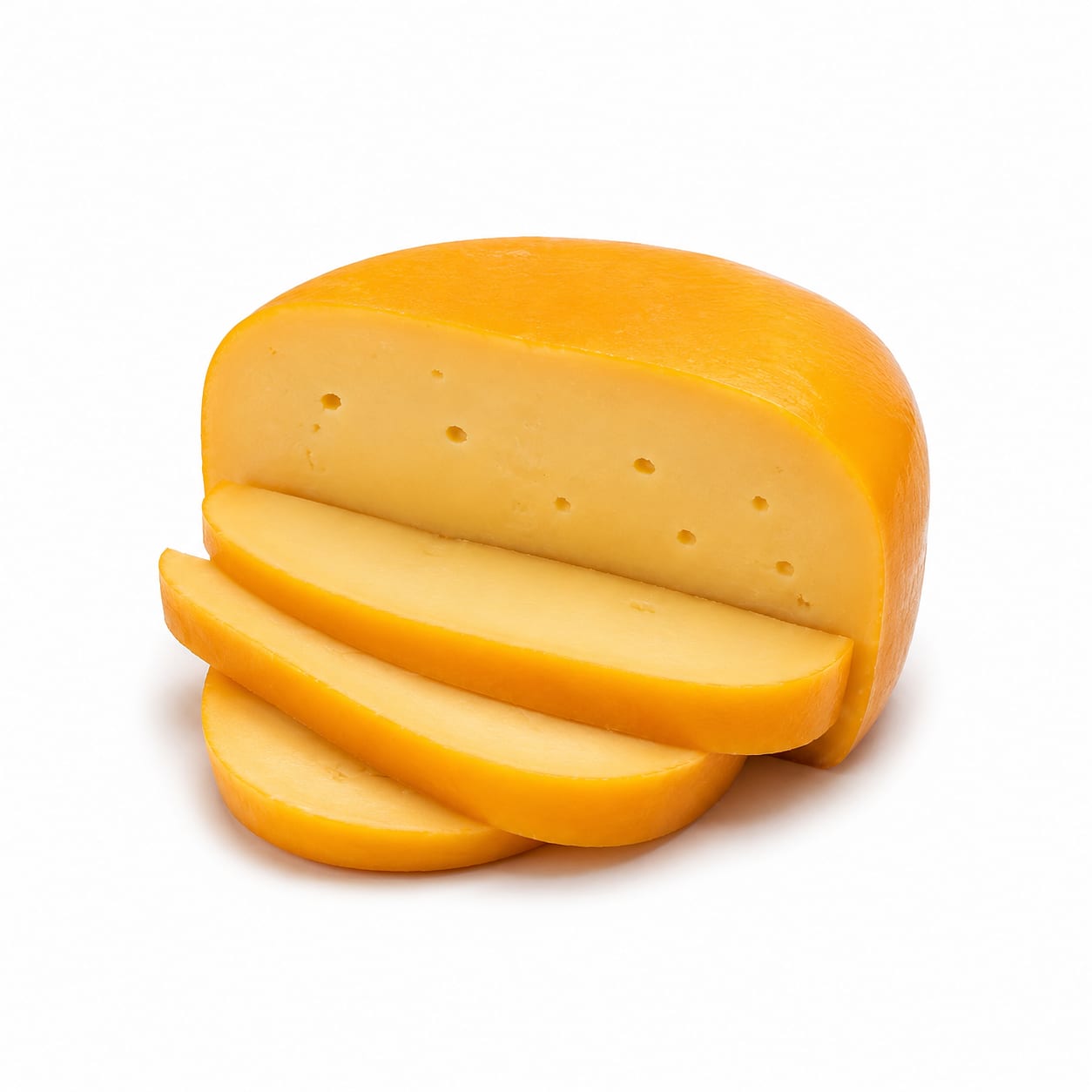
Gouda Cheese
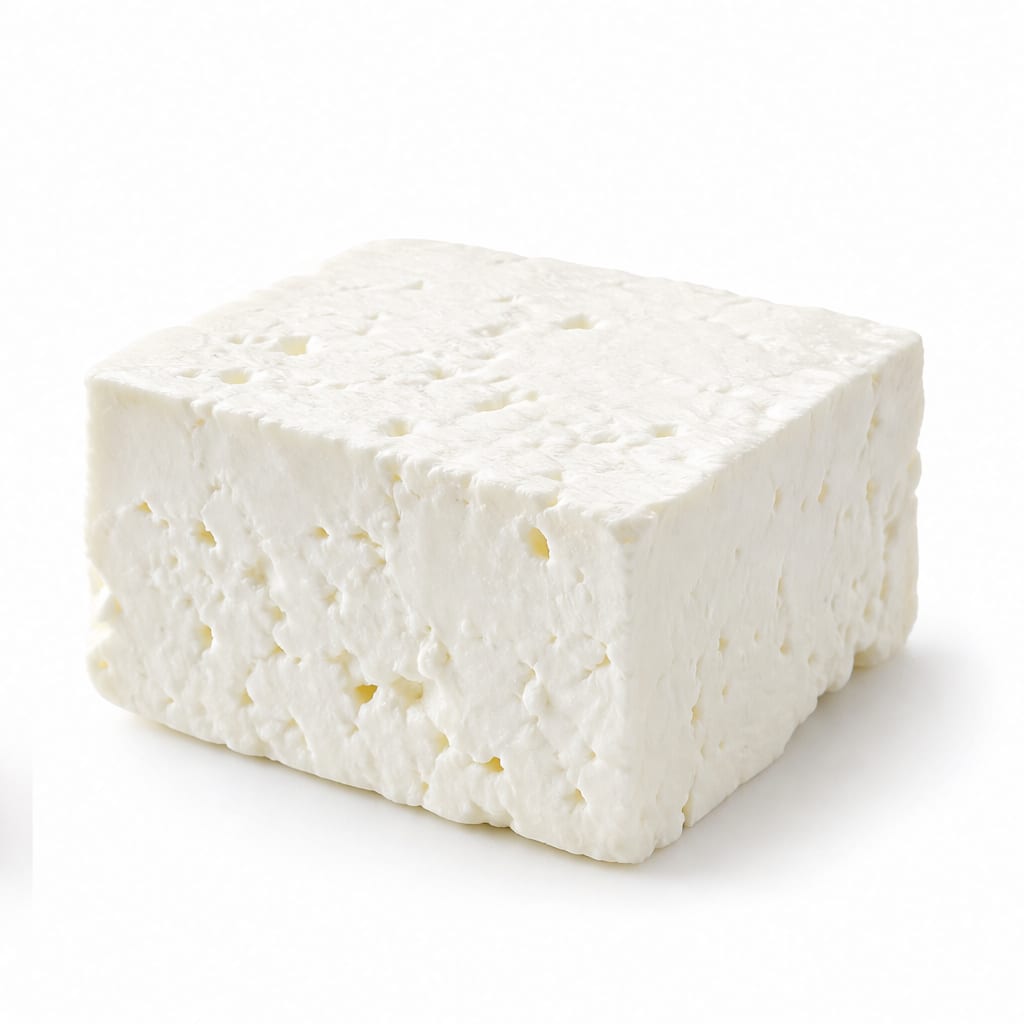
Feta
Gouda wins on nutrient density and lower sodium; Feta wins on lighter calories and Mediterranean-friendly eating patterns.
Gouda edges ahead on micronutrient density and lower sodium, but Feta's lighter calorie profile and Mediterranean diet alignment keep it competitive. The close scores reflect that neither is a clear winner — context decides.
Gouda offers more vitamins and less salt but packs more calories and saturated fat. Feta is lighter and saltier — your priority determines the winner.
At a glance
Executive summary
Overall
It depends
Healthier
It depends
More practical
It depends
Daily use
Feta
Key comparison lenses
sodium and heart health
Feta's brining process makes sodium the single biggest differentiator between these two cheeses
calorie density and weight management
Gouda is significantly more calorie-dense, which matters for portion control and weight goals
bone health and nutrient density
Both are calcium-rich but Gouda stands out for vitamin K2 content, critical for bone and cardiovascular health
digestive tolerance
Aged Gouda has minimal lactose while Feta retains more, affecting those with sensitivity
culinary versatility
Gouda melts beautifully; Feta crumbles into salads — they serve very different kitchen roles
Best choice for
Gouda Cheese
- People prioritizing vitamin K2 and bone health
- Those who need low-sodium cheese options
- Lactose-sensitive individuals choosing aged varieties
- Anyone wanting a satisfying, nutrient-dense snack cheese
Feta
- People following a Mediterranean eating pattern
- Those watching calorie intake closely
- Salad lovers wanting a tangy, light topping
- Anyone needing portion-friendly flavor bursts
Least suitable for
Gouda Cheese
- People strictly limiting saturated fat
- Those managing high blood pressure who also eat other high-sodium foods
- Anyone tracking calories closely and prone to overeating cheese
Feta
- People on sodium-restricted diets
- Those sensitive to very salty flavors
- Anyone seeking a meltable cooking cheese
Deep comparison
Dimension by dimension
Each lens scores both foods and breaks down who each option suits.
- Dimension 1 · Priority 92Gouda Cheese
sodium_load
Gouda Cheese · 72Feta · 35Feta contains roughly 2-3 times more sodium than Gouda due to its brine preservation.
Tradeoff
Feta's signature tang comes from salt — you get flavor intensity but at a real blood pressure cost if you eat it regularly.
Why it matters
A single ounce of Feta can deliver 300-400mg sodium. That's 15-20% of your daily limit before you account for anything else on your plate.
Real-world impact
If you're assembling a Greek salad with Feta, olives, and dressing, you can easily hit 1000mg sodium in one meal without realizing it.
Gouda Cheese
- Blood pressure management
- Kidney-friendly eating patterns
- Anyone already consuming processed foods regularly
Better for
- Bland dishes that need a salty kick without adding salt separately
Worse for
Feta
- Post-workout rehydration in small amounts
- Flavor satisfaction with less total cheese needed
Better for
- Daily consumption alongside other salty foods
- Evening meals when sodium bloat becomes noticeable
Worse for
- Dimension 2 · Priority 85Feta
calorie_density_and_portion_control
Gouda Cheese · 45Feta · 68Feta has roughly 30% fewer calories per ounce than Gouda, making it easier to enjoy without overshooting your intake.
Tradeoff
Gouda is more filling per bite but easier to overeat. Feta's crumbly texture naturally slows consumption and signals portion limits.
Why it matters
An ounce of Gouda runs about 100-110 calories versus 70-75 for Feta. That gap compounds quickly if cheese is a daily habit.
Real-world impact
Three ounces of Gouda on a sandwich adds 300+ calories before bread or spreads. The same visual amount of crumbled Feta on a salad feels generous at under 200.
Gouda Cheese
- Hikers and athletes needing calorie-dense fuel
- Growing teenagers with high energy needs
Better for
- Late-night snacking — easy to consume 300+ calories mindlessly
- Anyone who eats cheese by the block
Worse for
Feta
- Weight loss or maintenance phases
- Light lunches and summer meals
- Mindful eating patterns
Better for
- Situations where you need sustained energy from a small snack
Worse for
- Dimension 3 · Priority 78Gouda Cheese
micronutrient_density
Gouda Cheese · 82Feta · 65Gouda is one of the best dietary sources of vitamin K2 and delivers more calcium, zinc, and B12 per ounce than Feta.
Tradeoff
You pay more calories for those extra nutrients, but the micronutrient payoff is genuinely significant — especially for K2.
Why it matters
Vitamin K2 directs calcium into bones rather than arteries. Most people get very little K2, and aged Gouda is one of the richest food sources available.
Real-world impact
Regular Gouda eaters get a meaningful K2 contribution that supports both bone strength and cardiovascular health over decades. Feta offers solid calcium but misses the K2 advantage.
Gouda Cheese
- Long-term bone and heart health
- Older adults at risk for osteoporosis
- Anyone not supplementing vitamin K2
Better for
- People who assume all cheese is nutritionally equivalent and overconsume
Worse for
Feta
- Basic calcium needs without the calorie overhead
Better for
- Nutrient-focused eaters wanting maximum vitamin return per serving
Worse for
- Dimension 4 · Priority 72Gouda Cheese
digestive_tolerance
Gouda Cheese · 80Feta · 58Aged Gouda (12+ months) contains nearly zero lactose, while Feta retains moderate amounts that can bother sensitive individuals.
Tradeoff
Young Gouda still has lactose, so you must choose aged varieties for this benefit. Feta's lactose is lower than soft cheeses but not negligible.
Why it matters
Roughly 65% of adults have some lactose malabsorption. For them, aged Gouda is one of the most tolerable cheeses available.
Real-world impact
If cheese normally causes bloating or gas, a well-aged Gouda might be fine while Feta could still trigger symptoms.
Gouda Cheese
- Lactose-intolerant individuals
- People with IBS triggered by dairy sugars
- Anyone who gave up cheese due to digestive issues
Better for
- Confusion between young and aged varieties at the store
Worse for
Feta
- Mild lactose sensitivity in small portions
Better for
- Consistent daily consumption by lactose-sensitive people
Worse for
- Dimension 5 · Priority 70Feta
saturated_fat_profile
Gouda Cheese · 42Feta · 60Gouda delivers about 20-25% more saturated fat per ounce than Feta, raising cardiovascular considerations with regular consumption.
Tradeoff
Gouda's fat carries its rich flavor and fat-soluble vitamins. Feta's lower fat content means less saturated fat but also less of those beneficial nutrients.
Why it matters
For someone eating cheese daily, the saturated fat difference adds up. Three ounces of Gouda versus Feta could mean 4-5g more saturated fat per day.
Real-world impact
If your cardiologist asked you to limit saturated fat, switching from Gouda to Feta is an easy win that still lets you enjoy cheese.
Gouda Cheese
- Keto and low-carb eaters who embrace saturated fat
- Active people burning high fat diets efficiently
Better for
- Daily consumption by people with family history of heart disease
Worse for
Feta
- Heart-conscious eaters
- Mediterranean diet followers
- Anyone with elevated LDL cholesterol
Better for
- Low-fat diet followers who need more satisfying fat sources
Worse for
- Dimension 6 · Priority 65It depends
culinary_versatility
Gouda Cheese · 75Feta · 72Gouda melts beautifully for hot dishes; Feta shines cold in salads and Mediterranean recipes. They rarely substitute for each other.
Tradeoff
Choosing based on cuisine type makes more sense than health alone. A grilled cheese demands Gouda; a watermelon-feta salad demands Feta.
Why it matters
Forcing the wrong cheese into a dish leads to disappointment and food waste — a real but overlooked health factor.
Real-world impact
Melted Feta becomes grainy and unpleasant. Cold Gouda on a Greek salad feels heavy and wrong. Use each for its strengths.
Gouda Cheese
- Grilled cheese and paninis
- Pasta bakes and au gratin dishes
- Burger toppings and breakfast sandwiches
Better for
- Light, fresh summer dishes
- Any recipe calling for a crumbly texture
Worse for
Feta
- Greek and Mediterranean salads
- Egg scrambles and omelets
- Roasted vegetable toppings
Better for
- Anything that needs melting or stretching
- Rich comfort food recipes
Worse for
Timeline
Health impact over time
Short-term
Hours to days
Gouda Cheese
- High satiety from fat and protein — keeps you full for hours
- Potential sluggishness after large portions due to calorie density
- Minimal digestive discomfort with aged varieties
Feta
- Noticeable thirst after eating due to high sodium
- Lighter post-meal feeling compared to Gouda
- Possible bloating in lactose-sensitive individuals
Long-term
Months to years
Gouda Cheese
- Vitamin K2 contribution supports bone density and arterial health over decades
- Regular high saturated fat intake may elevate LDL cholesterol in susceptible people
- Consistent calorie density can contribute to gradual weight gain if portions aren't managed
Feta
- Sustained high sodium intake may raise blood pressure over time
- Lower calorie load supports weight maintenance more easily
- Mediterranean diet pattern association with reduced cardiovascular risk
Risk profile
Safety & processing
Both are traditional fermented cheeses, but Feta's brining and some commercial versions with preservatives push it slightly higher on processing concern. Authentic Gouda requires only milk, cultures, rennet, and salt. Traditional Feta is similarly clean, but mass-produced versions often include stabilizers and extra sodium. Check labels — artisanal versions of both are quite natural.
Gouda Cheese
Histamine content in aged varieties
mediumWell-aged Gouda can trigger headaches or flushing in histamine-sensitive people. If red wine and aged cheese give you symptoms, this is likely why.
Listeria in unpasteurized versions
lowRaw milk Gouda carries a small listeria risk. Pregnant women should stick to pasteurized varieties, which are the majority sold in stores.
Feta
High sodium and blood pressure
highRegular Feta consumption can contribute significantly to daily sodium limits. This is the most clinically relevant risk for regular eaters.
Brine contamination in bulk packaging
lowFeta stored in brine can harbor bacteria if not handled properly. Always refrigerate after opening and use within a week.
Who wins for whom
Audience fit
Same foods, different winners depending on your goal.
children
Gouda CheeseGouda's mild flavor, lower sodium, and higher calcium and K2 make it more appropriate for developing bodies. Feta's saltiness is excessive for young kids.
daily consumption
FetaLower calorie density makes Feta more sustainable as a daily addition without overshooting intake, provided sodium from other sources is managed.
diabetes
Gouda CheeseBoth have minimal carbs, but Gouda's lower sodium and higher K2 make it slightly better for the cardiovascular risks that accompany diabetes.
elderly
Gouda CheeseVitamin K2 and calcium in Gouda directly address osteoporosis risk, and aged varieties are easier to digest for declining lactase levels.
muscle gain
Gouda CheeseMore protein and calories per serving support muscle-building phases where energy surplus matters.
weight loss
FetaFewer calories per ounce and a crumbly texture that naturally limits overeating make Feta the easier choice in a calorie deficit.
Your move
Decision guide
Choose Gouda Cheese
- You want maximum nutrients per serving, especially vitamin K2
- Sodium is a concern in your overall diet
- You're lactose-sensitive and choose aged varieties
- You need a satisfying cheese that melts well for cooking
- Bone health is a long-term priority
Choose Feta
- You're watching calories but still want cheese flavor
- You eat a Mediterranean-style diet
- You prefer lighter, saltier, tangier cheese on salads
- You can manage sodium from other food sources
- You want a cheese that's harder to overeat
Either works if
- You tolerate dairy well and just want variety
- Your diet is already balanced and cheese is a minor player
- You rotate cheeses weekly for different nutrients and flavors
Avoid both if
- You have a dairy allergy — neither is safe
- You're on a strict sodium-restricted diet and already consume processed foods
- You're following a whole-food plant-based approach
Final recommendation
Keep both in rotation. Use aged Gouda when nutrient density and low sodium matter most — sandwiches, cooked dishes, and snack plates. Use Feta when you want big flavor with fewer calories — salads, light lunches, and Mediterranean meals. The healthiest cheese is the one that fits your overall eating pattern without pushing any single nutrient out of balance.
Practical
Consumer tips
- 1
Look for Gouda aged 12+ months for near-zero lactose and the highest K2 content — it will have visible protein crystals and a butterscotch aroma
- 2
Rinse Feta briefly under cold water to remove surface brine and cut sodium by 10-20% without losing much flavor
- 3
Buy Feta in block form stored in brine rather than pre-crumbled — it tastes better and contains fewer additives
- 4
Smoked Gouda sounds appealing but often contains artificial smoke flavoring — opt for naturally aged instead
- 5
If blood pressure is a concern, pair Feta with potassium-rich foods like tomatoes and spinach to help offset the sodium
- 6
Freeze Gouda in portions if you buy large blocks — it maintains texture well and prevents waste