
Nutrition comparison
Gouda vs Edam: Which Cheese Is Healthier for You?
Compare Gouda Cheese and Edam on calories, fat, sodium, vitamin K2, and taste. Find out which Dutch cheese fits your health goals and eating style better.
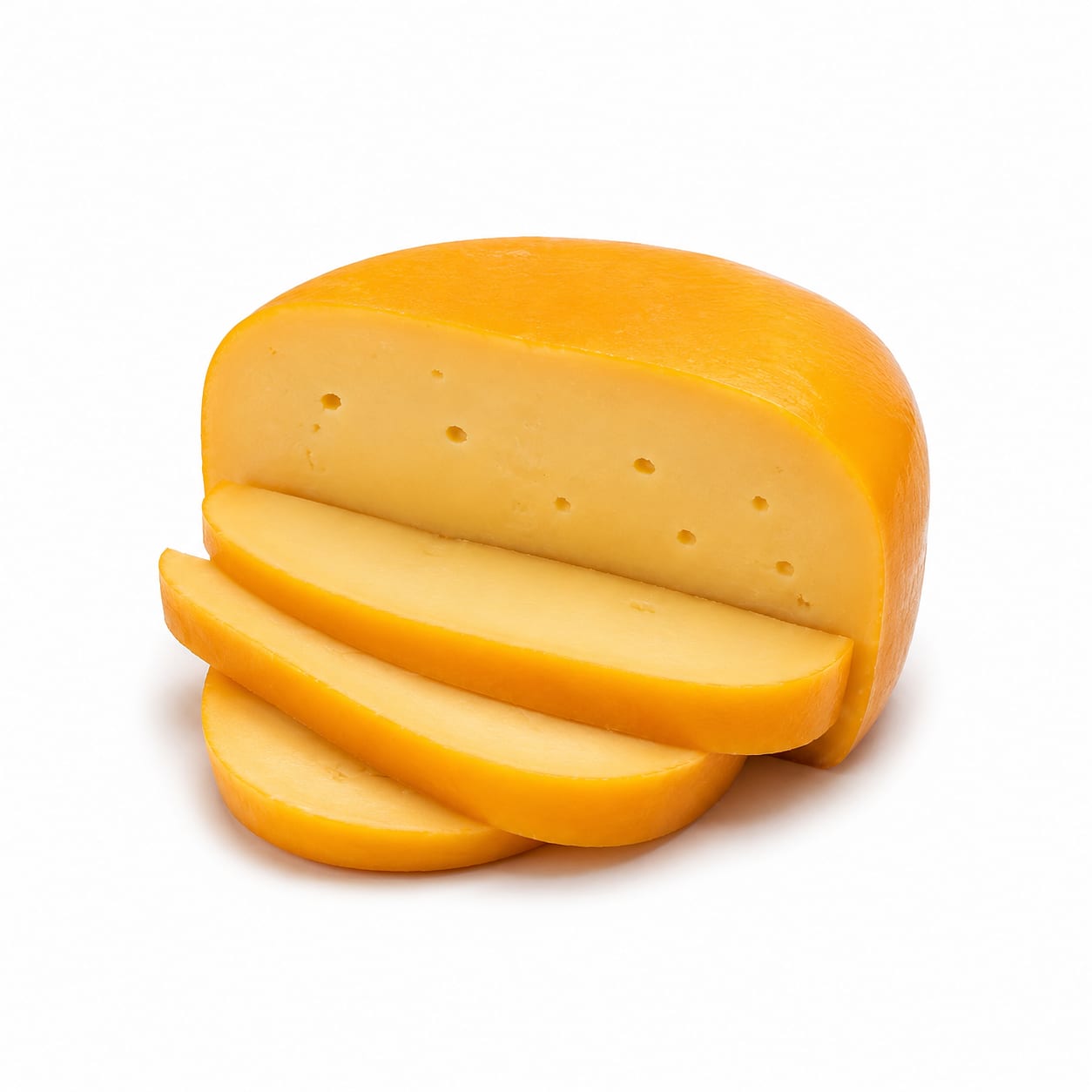
Gouda Cheese
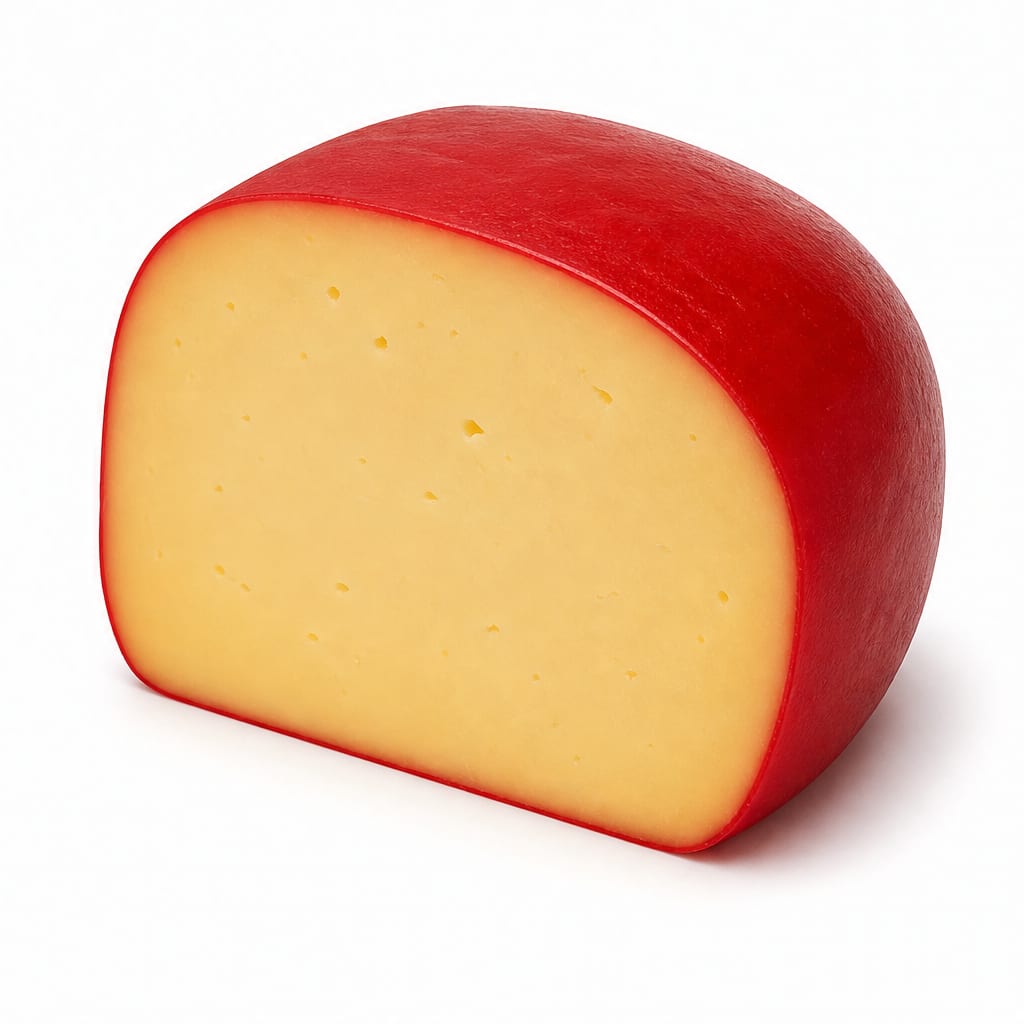
Edam
Gouda wins on flavor depth, nutrient density, and vitamin K2, while Edam wins on calories, fat, and lighter eating feel.
Edam edges ahead slightly due to lower calorie density and saturated fat, making it more sustainable for regular consumption. Gouda scores well on nutrient density and satisfaction but its higher fat content is a meaningful tradeoff for daily eating.
Gouda delivers more satisfaction and rare nutrients per bite, but Edam lets you eat more volume for fewer calories.
At a glance
Executive summary
Overall
It depends
Healthier
It depends
More practical
Edam
Daily use
Edam
Key comparison lenses
choosing a lower-calorie cheese option
Edam is notably lower in fat and calories than Gouda, making this a primary decision factor for weight-conscious users
heart health and saturated fat concerns
Both are dairy cheeses with significant saturated fat, but Gouda has more, raising cardiovascular considerations
bone health and nutrient density
Both supply calcium and protein, but Gouda especially aged varieties deliver more vitamin K2, a rare and valuable nutrient
sodium and blood pressure management
Edam tends to be saltier than Gouda, which matters for hypertension-sensitive individuals
everyday snacking and cooking versatility
Gouda melts better and has a richer flavor profile, while Edam is lighter and milder for casual snacking
Best choice for
Gouda Cheese
- Maximizing vitamin K2 intake for bone and heart health
- Rich, satisfying cheese experiences with smaller portions
- Aged cheese lovers seeking deep nutty complexity
- Melted cheese applications like grilled sandwiches or sauces
Edam
- Calorie-controlled diets where portion size matters
- Light snacking without heavy richness
- Lower saturated fat goals while still enjoying real cheese
- Cheese boards where a milder option balances stronger cheeses
Least suitable for
Gouda Cheese
- Strict low-calorie or low-fat diet plans
- Sodium-sensitive diets when consuming aged varieties
- People who find rich cheese triggers overeating
Edam
- Cooking applications requiring excellent meltability
- Those seeking bold, complex cheese flavor in small amounts
- Vitamin K2 optimization goals
Deep comparison
Dimension by dimension
Each lens scores both foods and breaks down who each option suits.
- Dimension 1 · Priority 90Edam
Calorie Density and Weight Management
Gouda Cheese · 45Edam · 68Edam contains roughly 20-25% fewer calories per serving than Gouda, making it the clearly lighter option.
Tradeoff
Gouda is more calorie-dense but also more satiating per bite, so you may eat less volume naturally.
Why it matters
If you track calories or tend to eat cheese freely, Edam gives you more room in your daily budget.
Real-world impact
A 30g serving of Edam saves you roughly 30-40 calories compared to the same amount of Gouda, which adds up over a week of snacking.
Gouda Cheese
- Smaller portions that feel indulgent enough to stop eating
Better for
- Easy to overshoot calorie goals if snacking mindlessly
Worse for
Edam
- Larger-looking portions for fewer calories
- More flexible daily calorie budgets
Better for
- May feel less satisfying, leading to second helpings
Worse for
- Dimension 2 · Priority 85Edam
Saturated Fat and Heart Health
Gouda Cheese · 40Edam · 55Edam has meaningfully less saturated fat per serving, making it the gentler choice for cardiovascular health.
Tradeoff
Gouda's higher fat content carries more saturated fat but also more fat-soluble vitamins like K2 that support vascular health.
Why it matters
Regular high saturated fat intake remains a concern for heart disease risk, even from natural dairy sources.
Real-world impact
Swapping Gouda for Edam a few times a week can reduce weekly saturated fat intake by several grams without eliminating cheese enjoyment.
Gouda Cheese
- Vitamin K2 may partially offset cardiovascular concerns
Better for
- Higher saturated fat load is a legitimate concern with frequent consumption
Worse for
Edam
- Lower saturated fat per serving supports heart-healthy eating patterns
- Easier to fit within American Heart Association guidelines
Better for
- Still a significant saturated fat source, not a free pass
Worse for
- Dimension 3 · Priority 82Gouda Cheese
Vitamin K2 and Micronutrient Density
Gouda Cheese · 82Edam · 55Aged Gouda is one of the best dietary sources of vitamin K2, a nutrient rare in most foods and critical for bone and vascular health.
Tradeoff
You need to choose aged Gouda specifically for this benefit; young Gouda has much less K2.
Why it matters
Vitamin K2 directs calcium into bones rather than arteries, and most people get far too little of it.
Real-world impact
A couple of slices of aged Gouda daily can meaningfully contribute to your K2 intake in a way few other foods can match.
Gouda Cheese
- Significant vitamin K2 content, especially in aged varieties
- Higher overall fat-soluble vitamin retention
Better for
- Young Gouda has far less K2 than aged versions
Worse for
Edam
- Still contains some K2, just less
Better for
- Noticeably lower K2 content limits its bone-health advantage
Worse for
- Dimension 4 · Priority 78Gouda Cheese
Sodium and Blood Pressure
Gouda Cheese · 55Edam · 42Gouda is typically lower in sodium than Edam, giving it an advantage for blood pressure management.
Tradeoff
Aged Gouda varieties can be saltier than young Gouda, narrowing this gap significantly.
Why it matters
Cheese is a top contributor to dietary sodium, and small differences between varieties compound over time.
Real-world impact
If you eat cheese daily, choosing Gouda over Edam can save 50-100mg of sodium per serving, which matters for hypertension management.
Gouda Cheese
- Lower sodium per typical serving
- Better fit for salt-restricted diets
Better for
- Aged Gouda approaches Edam's sodium levels
Worse for
Edam
- Mild flavor may reduce desire to add extra salt elsewhere
Better for
- Higher baseline sodium content is a drawback for regular consumption
Worse for
- Dimension 5 · Priority 75Gouda Cheese
Protein Quality and Satiety
Gouda Cheese · 72Edam · 65Gouda provides slightly more protein per serving and its richer texture promotes stronger satiety signals.
Tradeoff
The protein difference is modest, but the eating experience difference is noticeable.
Why it matters
Cheese that feels more satisfying per bite can prevent overeating later in the day.
Real-world impact
A small Gouda portion with crackers often feels like enough of a snack, while Edam may leave you reaching for something else sooner.
Gouda Cheese
- Higher protein per serving supports fullness
- Rich mouthfeel enhances satisfaction with less food
Better for
- Higher calorie cost per gram of protein compared to Edam
Worse for
Edam
- Adequate protein for a cheese, just slightly less
Better for
- Lighter texture may not trigger the same satiety response
Worse for
- Dimension 6 · Priority 70It depends
Digestive Tolerance and Lactose
Gouda Cheese · 65Edam · 65Both cheeses are relatively low in lactose, and aged versions of either are nearly lactose-free.
Tradeoff
Aging reduces lactose in both, so the specific variety matters more than the cheese type.
Why it matters
Lactose-sensitive individuals can often tolerate aged cheeses comfortably, expanding their dairy options.
Real-world impact
If regular milk bothers you, aged Gouda or aged Edam may both be fine, but check the aging time rather than the cheese name.
Gouda Cheese
- Aged Gouda is very well tolerated by most lactose-sensitive people
Better for
- Young Gouda still contains moderate lactose
Worse for
Edam
- Aged Edam offers similar lactose reduction benefits
Better for
- Young Edam still contains moderate lactose
Worse for
- Dimension 7 · Priority 68Gouda Cheese
Cooking and Melting Performance
Gouda Cheese · 80Edam · 55Gouda melts smoothly and develops excellent browning, making it superior for warm dishes and melted applications.
Tradeoff
Edam can become rubbery when heated and does not brown as evenly.
Why it matters
If you cook with cheese regularly, melt quality determines whether your dish turns out creamy or greasy.
Real-world impact
Gouda on a grilled cheese gives you that perfect stretch and golden crust; Edam tends to split and weep fat instead.
Gouda Cheese
- Excellent melt for sandwiches, sauces, and casseroles
- Beautiful browning under broilers
Better for
- Higher fat means more grease separation at very high heat
Worse for
Edam
- Fine for cold applications and cheese boards
Better for
- Poor melting limits cooking versatility significantly
Worse for
Timeline
Health impact over time
Short-term
Hours to days
Gouda Cheese
- Rich, satisfying mouthfeel that curbs hunger quickly
- Higher fat content may slow digestion and provide steadier energy
- Can feel heavy if eaten in large amounts
Edam
- Lighter eating experience that feels less indulgent
- Lower calorie impact per serving makes portion control easier
- Higher sodium may cause mild bloating in sensitive individuals
Long-term
Months to years
Gouda Cheese
- Vitamin K2 from aged Gouda supports bone density and arterial health over years
- Higher saturated fat intake could raise LDL cholesterol if consumed frequently in large portions
- Rich flavor may help maintain dietary satisfaction, supporting long-term adherence to moderate eating patterns
Edam
- Lower saturated fat intake reduces long-term cardiovascular risk compared to richer cheeses
- Higher sodium load could contribute to blood pressure elevation with daily consumption
- Lighter profile may leave some people less satisfied, potentially increasing overall snacking frequency
Risk profile
Safety & processing
Both Gouda and Edam are traditional fermented dairy products made with minimal ingredients: milk, salt, rennet, and cultures. Neither typically contains artificial preservatives or emulsifiers. The naturalness is essentially identical between the two.
Gouda Cheese
Histamine in aged varieties
mediumWell-aged Gouda can contain significant histamine levels, which may trigger headaches or reactions in histamine-sensitive individuals.
Listeria contamination
lowAs with all soft or semi-soft cheeses made from unpasteurized milk, there is a small listeria risk. Pasteurized versions eliminate this concern.
Edam
Higher sodium load
mediumEdam's saltier profile means regular consumption contributes more to daily sodium intake, a concern for blood pressure over time.
Listeria contamination
lowSame low-level listeria risk as Gouda with unpasteurized versions. Pasteurized Edam is safe for most consumers.
Who wins for whom
Audience fit
Same foods, different winners depending on your goal.
children
EdamEdam's milder flavor and lower fat content are usually more appealing and appropriate for young children's palates and nutritional needs.
daily consumption
EdamEdam's lighter nutritional profile makes it more sustainable as an everyday cheese without accumulating excessive saturated fat or calories.
diabetes
Gouda CheeseBoth are very low in carbohydrates, but Gouda's lower sodium and higher satiety make it slightly better for metabolic health management.
elderly
Gouda CheeseAged Gouda's vitamin K2 content is particularly valuable for older adults concerned about bone density and arterial calcification.
muscle gain
Gouda CheeseGouda provides slightly more protein per calorie and its higher fat content supports calorie surplus needs for building muscle.
weight loss
EdamEdam's lower calorie and fat content per serving makes it easier to fit into a calorie deficit without feeling deprived of cheese entirely.
Your move
Decision guide
Choose Gouda Cheese
- You want maximum flavor and satisfaction from smaller cheese portions
- Bone health and vitamin K2 intake are priorities for you
- You cook with cheese often and need reliable melting performance
- You prefer rich, nutty, complex flavors over mild and simple
Choose Edam
- You are watching calories or saturated fat but still want real cheese
- You prefer a lighter snacking cheese that does not feel heavy
- You are building a cheese board and need a mild option for balance
- You eat cheese daily and want the gentler nutritional profile
Either works if
- You tolerate dairy well and just want a satisfying cheese snack
- You are following a low-carb or keto eating pattern where both fit easily
- You are looking for a natural, minimally processed cheese option
Avoid both if
- You have a dairy allergy or severe lactose intolerance
- You are on a strict very-low-sodium diet and cannot accommodate any cheese
- You are vegan or avoiding all animal products
Final recommendation
For most people eating cheese a few times a week, choose based on what you enjoy more, since the nutritional differences are moderate. If you eat cheese daily, lean toward Edam for its lighter profile. If you eat cheese occasionally and want maximum benefit per bite, go for aged Gouda and savor its K2 advantage.
Practical
Consumer tips
- 1
Look for Gouda aged 12+ months to maximize vitamin K2 content; young Gouda has far less
- 2
Edam's red wax coating is decorative only and not edible, so remove it before eating
- 3
Both cheeses freeze well for up to 3 months if you buy in bulk, though texture may change slightly
- 4
If sodium is a concern, rinse young Gouda briefly under cold water to remove surface salt
- 5
Pair either cheese with fruit or nuts instead of crackers to improve the overall nutritional quality of your snack
- 6
Check labels for pasteurized milk if you are pregnant or immunocompromised, as both cheeses can be made raw