
Nutrition comparison
Gouda Cheese vs Cream Cheese: Nutrition, Protein, and Health Comparison
Gouda Cheese delivers 4x more protein and far more calcium than Cream Cheese. See which cheese is healthier for weight loss, bones, and daily eating.
Overall winner · Gouda Cheese
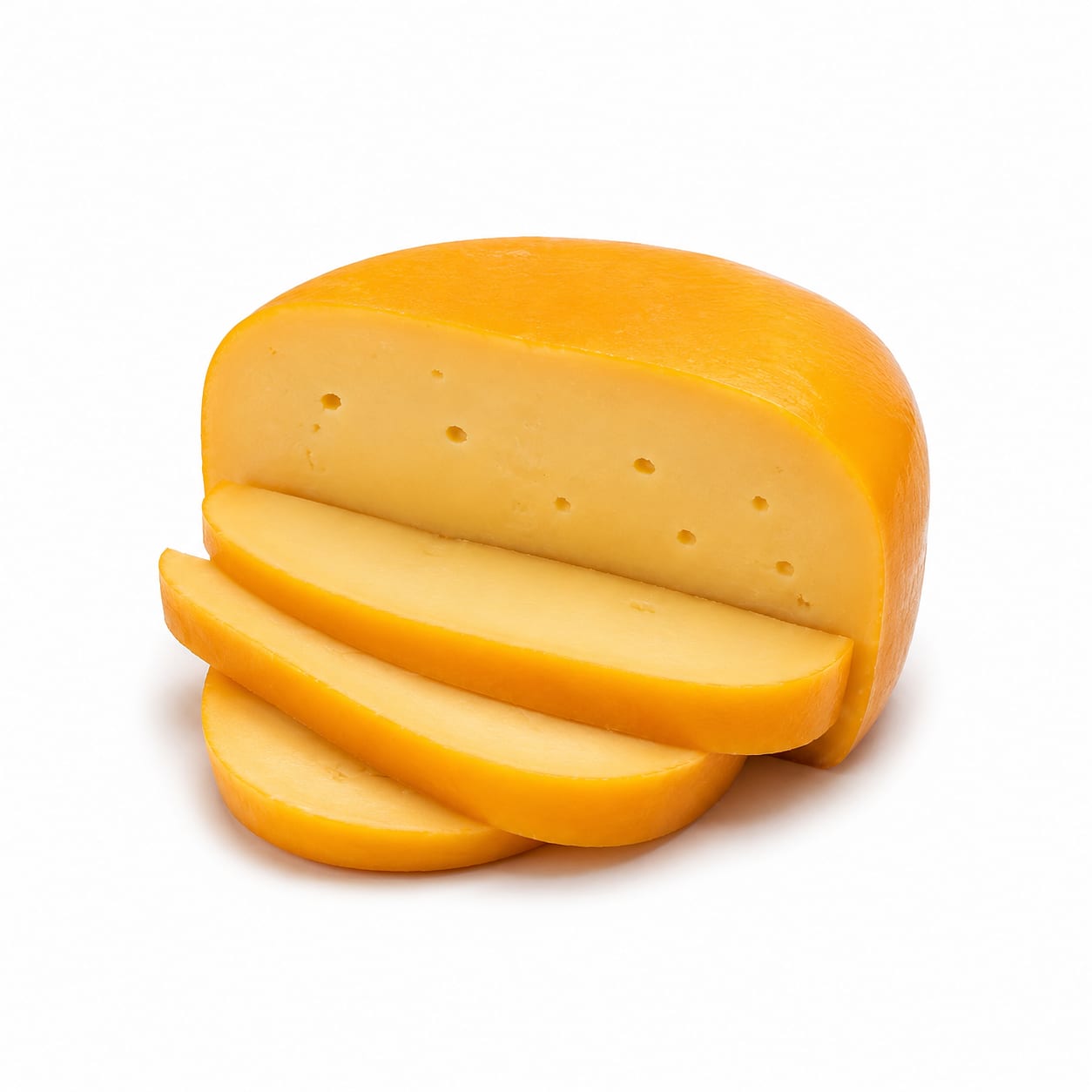
Gouda Cheese
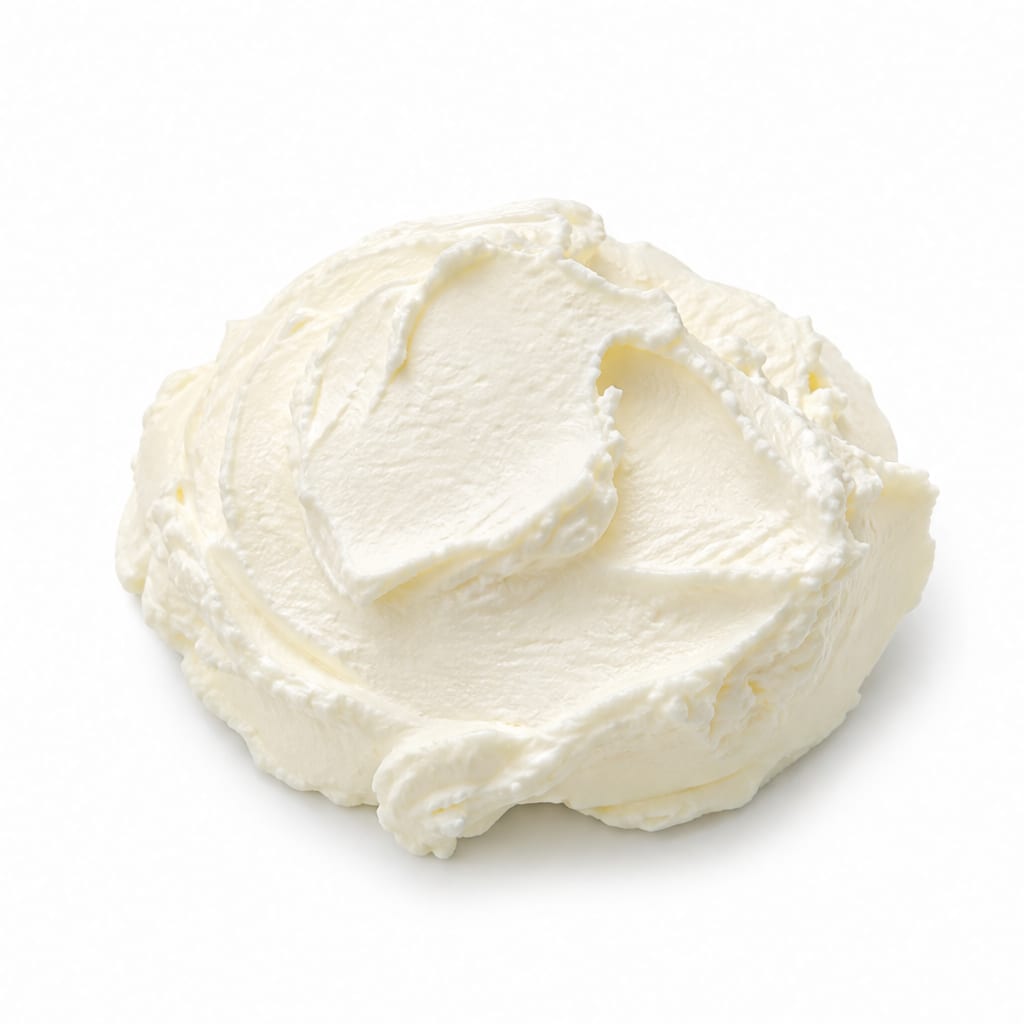
Cream Cheese
Gouda Cheese delivers far more nutrition per calorie than Cream Cheese, with significantly more protein, calcium, and vitamin K2. Cream Cheese is more convenient as a spread but nutritionally thinner.
Gouda scores substantially higher due to its superior protein, calcium, vitamin K2, and mineral content. Cream Cheese loses ground on nutrient density and additive concerns but remains a convenient spread option.
Gouda gives you lasting fullness and real nutrition; Cream Cheese gives you easy spreadability and a lighter mouthfeel but far less substance.
At a glance
Executive summary
Overall
Gouda Cheese
Healthier
Gouda Cheese
More practical
Cream Cheese
Daily use
Gouda Cheese
Key comparison lenses
nutrient density comparison
Gouda is significantly more nutrient-dense per calorie, offering more protein, calcium, and minerals than cream cheese
satiety and fullness
Protein and fat content differences directly affect how full you feel after eating each cheese
processing and additives
Cream cheese often contains stabilizers and gums while traditional gouda is simply milk, cultures, rennet, and salt
weight management tradeoffs
Both are calorie-dense but gouda is more filling per calorie while cream cheese is easier to over-spread
bone health mineral content
Gouda delivers substantially more calcium and is one of the best cheese sources of vitamin K2
everyday practical use
Cream cheese excels as a quick spread while gouda works better in sandwiches and cooking
Best choice for
Gouda Cheese
- People wanting more protein from their cheese
- Anyone focused on bone health and calcium intake
- Those who find high-protein foods more satisfying
- Sandwich and burger lovers wanting real cheese flavor
- Anyone avoiding food additives and stabilizers
Cream Cheese
- Quick breakfast bagel spreaders
- People wanting a lighter, less intense cheese flavor
- Bakers making cheesecake or frosting
- Anyone who struggles with hard cheeses due to texture
- Those prioritizing spreadability over nutrition
Least suitable for
Gouda Cheese
- People watching sodium closely since aged cheese is saltier
- Anyone with tyramine sensitivity or migraine triggers
- Those who find strong cheese flavors overwhelming
- Lactose-sensitive individuals eating young gouda
Cream Cheese
- People seeking protein-rich foods to stay full
- Anyone avoiding emulsifiers and food gums
- Those wanting nutrient-dense calories not empty ones
- Low-sodium dieters since some brands are surprisingly salty
Deep comparison
Dimension by dimension
Each lens scores both foods and breaks down who each option suits.
- Dimension 1 · Priority 95Gouda Cheese
Protein Content and Quality
Gouda Cheese · 82Cream Cheese · 30Gouda delivers roughly 25g protein per 100g compared to Cream Cheese at only 6g. That is a massive difference for satiety and muscle maintenance.
Tradeoff
You get four times more protein from Gouda, but Cream Cheese offers a softer texture some people prefer eating.
Why it matters
Protein from cheese helps you feel full longer and supports muscle. A gouda snack actually satisfies hunger; cream cheese on a bagel barely moves the needle.
Real-world impact
Two slices of Gouda as an afternoon snack can hold you until dinner. The same calories of Cream Cheese on a cracker will leave you hungry again within an hour.
Gouda Cheese
- Athletes needing protein from whole foods
- Anyone trying to stay full between meals
- Older adults preserving muscle mass
Better for
- Very low-protein diet prescriptions
Worse for
Cream Cheese
- People who just want a light flavor accent
- Those eating protein from other sources already
Better for
- Anyone relying on cheese as a protein source
- Vegetarians who need every protein gram they can get
Worse for
- Dimension 2 · Priority 90Gouda Cheese
Calcium and Bone Nutrients
Gouda Cheese · 88Cream Cheese · 35Gouda is one of the richest cheese sources of calcium and vitamin K2, both critical for bone health. Cream Cheese contains far less of either.
Tradeoff
Gouda is essentially a bone-support supplement in cheese form. Cream Cheese provides minimal calcium despite being a dairy product.
Why it matters
Vitamin K2 in aged gouda helps direct calcium into bones rather than arteries. This combination is rare in foods and genuinely valuable.
Real-world impact
A couple of gouda slices daily can meaningfully contribute to your calcium needs. You would need enormous amounts of Cream Cheese to get the same benefit.
Gouda Cheese
- Postmenopausal women concerned about bone density
- Anyone not taking calcium supplements
- Teens still building peak bone mass
Better for
- People restricting calcium for kidney stone prevention
Worse for
Cream Cheese
- Those getting calcium from other dairy or supplements already
Better for
- Anyone counting on dairy for calcium intake
Worse for
- Dimension 3 · Priority 88Gouda Cheese
Satiety and Fullness
Gouda Cheese · 80Cream Cheese · 35Gouda's protein and firm texture make it genuinely filling. Cream Cheese is easy to overeat and rarely satisfies hunger on its own.
Tradeoff
Gouda stops you from snacking again an hour later. Cream Cheese on a bagel feels light but leaves you reaching for more food sooner.
Why it matters
Foods that fail to satisfy lead to more snacking and higher total calorie intake throughout the day.
Real-world impact
A gouda and apple snack at 3pm can carry you to dinner. Cream Cheese on toast at 3pm often leads to another snack by 4:30.
Gouda Cheese
- Anyone trying to reduce between-meal snacking
- People who skip meals and need cheese to actually hold them
- Weight watchers benefiting from high-satiety foods
Better for
- People who find dense cheese too heavy
Worse for
Cream Cheese
- Those who prefer grazing small amounts throughout the day
Better for
- Emotional eaters who can easily over-spread
- Anyone prone to late-night snacking cycles
Worse for
- Dimension 4 · Priority 85Gouda Cheese
Processing and Additives
Gouda Cheese · 78Cream Cheese · 40Traditional Gouda contains just milk, cultures, rennet, and salt. Cream Cheese typically includes gums, stabilizers, and preservatives.
Tradeoff
Gouda is closer to a whole food with centuries of tradition. Cream Cheese is a more industrial product that needs additives for shelf stability and spreadability.
Why it matters
Fewer additives generally means fewer concerns about gut health, unknown long-term effects, and unexpected sensitivities.
Real-world impact
Reading the ingredient label on Gouda is short and understandable. Cream Cheese labels often include carrageenan, guar gum, locust bean gum, and preservatives.
Gouda Cheese
- Clean-eating advocates
- People with sensitivities to food gums
- Anyone avoiding ultra-processed foods
Better for
- Those who only have access to heavily processed pre-sliced versions
Worse for
Cream Cheese
- People who prioritize convenience over ingredient purity
Better for
- Anyone with digestive sensitivity to gums and emulsifiers
- People following a minimally processed diet
Worse for
- Dimension 5 · Priority 70Cream Cheese
Convenience and Spreadability
Gouda Cheese · 45Cream Cheese · 88Cream Cheese is ready to spread straight from the fridge. Gouda requires slicing and does not work well as a spread.
Tradeoff
Cream Cheese wins for quick breakfasts and easy snacking. Gouda requires a knife and more effort but delivers more flavor intensity.
Why it matters
When you are rushing in the morning, spreadability matters. The easiest option often wins in real life.
Real-world impact
Cream Cheese on a bagel takes 15 seconds. Gouda requires slicing and works better in sandwiches than on toast.
Gouda Cheese
- Charcuterie board builders
- Those who enjoy the ritual of slicing and plating cheese
Better for
- One-handed breakfast eaters
- People who want zero-prep cheese
Worse for
Cream Cheese
- Busy morning commuters
- Parents making quick school lunches
- Anyone who wants cheese on toast without melting it first
Better for
- Cooking applications that need cheese to hold shape
Worse for
- Dimension 6 · Priority 65Cream Cheese
Sodium Load
Gouda Cheese · 38Cream Cheese · 55Gouda is moderately high in sodium, especially aged varieties. Cream Cheese is generally lower in sodium per serving.
Tradeoff
If sodium is a concern, Cream Cheese is the easier choice. But the sodium in Gouda comes with far more nutritional benefit per milligram.
Why it matters
For people with hypertension or sodium sensitivity, cheese can be a significant hidden sodium source.
Real-world impact
Two slices of Gouda can contain 300-400mg sodium. A tablespoon of Cream Cheese typically has around 50-100mg.
Gouda Cheese
- Active people who sweat heavily and need sodium
- Those whose sodium intake is otherwise low
Better for
- Sodium-restricted diets
- Those eating cheese alongside other salty foods like cured meats
Worse for
Cream Cheese
- People with high blood pressure
- Anyone already eating many salty foods throughout the day
Better for
- Endurance athletes who might benefit from more sodium
Worse for
- Dimension 7 · Priority 60Gouda Cheese
Lactose Tolerance
Gouda Cheese · 72Cream Cheese · 40Aged Gouda is very low in lactose because bacteria consume it during aging. Cream Cheese retains more lactose since it is a fresh unaged cheese.
Tradeoff
Ironically, the older and harder the Gouda, the more lactose-friendly it becomes. Cream Cheese stays problematic for sensitive people.
Why it matters
Many adults have some degree of lactose intolerance and need to choose cheeses carefully to avoid bloating and discomfort.
Real-world impact
Aged Gouda aged 6+ months is often tolerated even by lactose-sensitive people. Cream Cheese regularly causes bloating in the same individuals.
Gouda Cheese
- Lactose-sensitive cheese lovers
- Anyone who experiences bloating from dairy
Better for
- Those eating very young gouda which still has lactose
Worse for
Cream Cheese
- People with no lactose concerns at all
Better for
- Anyone with diagnosed lactose intolerance
- People who experience dairy-related bloating
Worse for
Timeline
Health impact over time
Short-term
Hours to days
Gouda Cheese
- Provides lasting satiety due to high protein and fat content
- Can feel heavy if eaten in large quantities
- Aged varieties may trigger headaches in tyramine-sensitive people
- Sodium may cause temporary water retention
Cream Cheese
- Quick energy but minimal lasting fullness
- Easy to overeat because it does not feel heavy
- May cause bloating in lactose-sensitive individuals
- Gums and stabilizers can cause mild digestive discomfort in some people
Long-term
Months to years
Gouda Cheese
- Regular consumption supports bone density through calcium and K2
- Protein intake helps preserve muscle mass with aging
- Sodium load requires mindful management for blood pressure
- Saturated fat content should be balanced with overall diet pattern
Cream Cheese
- Low nutrient density means it contributes calories without much health benefit
- Additive exposure from gums and preservatives is low but chronic
- Unlikely to cause harm in moderation but also unlikely to actively support health
- Easy to overconsume which can contribute to gradual weight gain
Risk profile
Safety & processing
Traditional Gouda is made with just milk, cultures, rennet, and salt. Cream Cheese typically requires gums, stabilizers, and preservatives to maintain its spreadable texture and shelf life. Gouda is clearly the less processed option.
Gouda Cheese
Tyramine content in aged varieties
mediumAged Gouda contains tyramine which can trigger migraines in sensitive individuals and interacts with MAO inhibitor medications.
Histamine intolerance
lowFermented and aged cheeses contain histamine that can cause reactions in histamine-sensitive people.
Listeria risk from unpasteurized versions
lowRaw milk Gouda carries a small listeria risk. Pregnant women should choose pasteurized versions.
Cream Cheese
Listeria contamination
mediumCream Cheese has been involved in multiple listeria outbreaks and recalls. It is a higher-risk food for pregnant women and immunocompromised individuals.
Additive sensitivities
lowCarrageenan and guar gum in some brands can cause digestive upset in sensitive people.
Spoilage after opening
mediumCream Cheese has a shorter shelf life after opening compared to Gouda and can grow mold quickly.
Who wins for whom
Audience fit
Same foods, different winners depending on your goal.
children
It dependsCream Cheese is easier for young kids to eat and spread, but Gouda provides more calcium and protein for growing bodies. Age and preference matter more here.
daily consumption
Gouda CheeseGouda provides meaningful daily nutrition. Cream Cheese is fine occasionally but contributes minimal nutritional value for daily use.
diabetes
Gouda CheeseBoth are low in carbs, but Gouda's higher protein provides steadier blood sugar support and better satiety between meals.
elderly
Gouda CheeseOlder adults benefit most from Gouda's calcium, vitamin K2, and protein for bone and muscle preservation. Cream Cheese offers little nutritional support for aging concerns.
muscle gain
Gouda CheeseWith roughly four times more protein per serving, Gouda actually contributes to muscle-building goals while Cream Cheese barely registers.
weight loss
Gouda CheeseGouda's high protein content keeps you full longer, making it easier to eat fewer calories overall despite being calorie-dense per slice.
Your move
Decision guide
Choose Gouda Cheese
- You want cheese that actually nourishes you, not just flavors your food
- Satiety and staying full between meals matters to you
- You care about calcium, vitamin K2, and protein intake
- You prefer fewer additives and more traditional food production
- You are lactose-sensitive but still want to enjoy cheese
Choose Cream Cheese
- You need a quick spread for breakfast and convenience is king
- You are baking cheesecake or making frosting
- You prefer a milder, lighter cheese flavor
- You have no trouble controlling portions and just want a spread
- You are already getting plenty of protein and calcium elsewhere
Either works if
- You just want something tasty to add richness to a meal
- Portion control is not an issue for you
- You are not dairy-averse and enjoy cheese in moderation
Avoid both if
- You have a dairy allergy or severe lactose intolerance
- You are strictly limiting saturated fat on medical advice
- You are following a vegan diet
- You need to restrict both sodium and saturated fat simultaneously
Final recommendation
For most people most of the time, Gouda Cheese is the better choice. It delivers real nutrition, keeps you full, and avoids the additives common in Cream Cheese. Save Cream Cheese for the occasional bagel or recipe, but let Gouda be your everyday cheese.
Practical
Consumer tips
- 1
Look for Gouda aged 6 months or more for maximum K2 and near-zero lactose
- 2
Avoid pre-sliced Gouda which often contains anti-caking agents and loses flavor
- 3
Check Cream Cheese labels for carrageenan if you have digestive sensitivities
- 4
A single slice of Gouda with an apple is a genuinely satisfying snack
- 5
If you love Cream Cheese on bagels, try thinning it with a little Greek yogurt for more protein
- 6
Freeze Cream Cheese if you rarely finish a block before it spoils
- 7
Smoked Gouda is delicious but higher in sodium than regular varieties