
Nutrition comparison
Gouda Cheese vs Cheddar: Nutrition, Digestibility, and Taste Compared
Comparing Gouda Cheese and Cheddar? Discover which is easier to digest, which has more protein, and which cheese fits your recipes best.
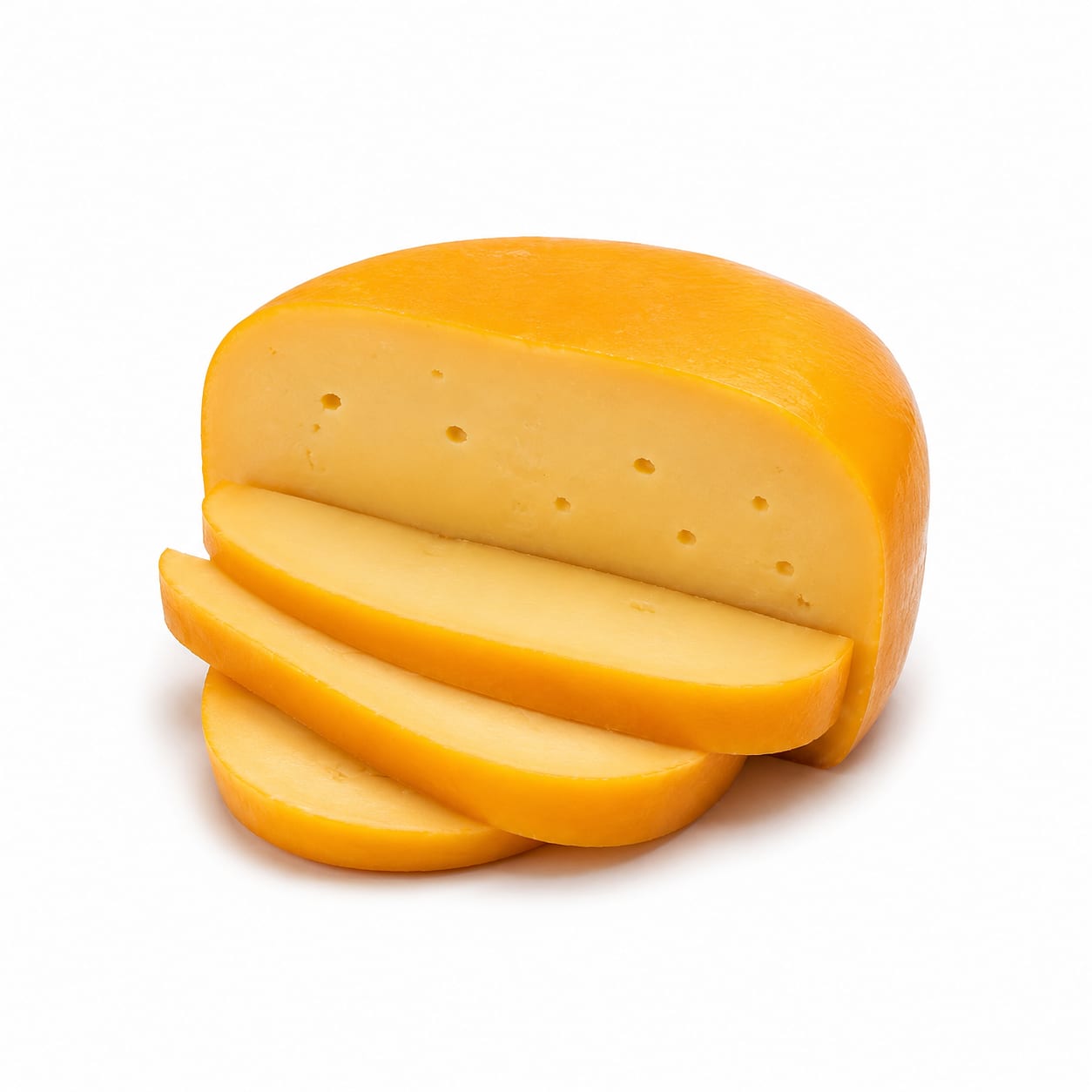
Gouda Cheese
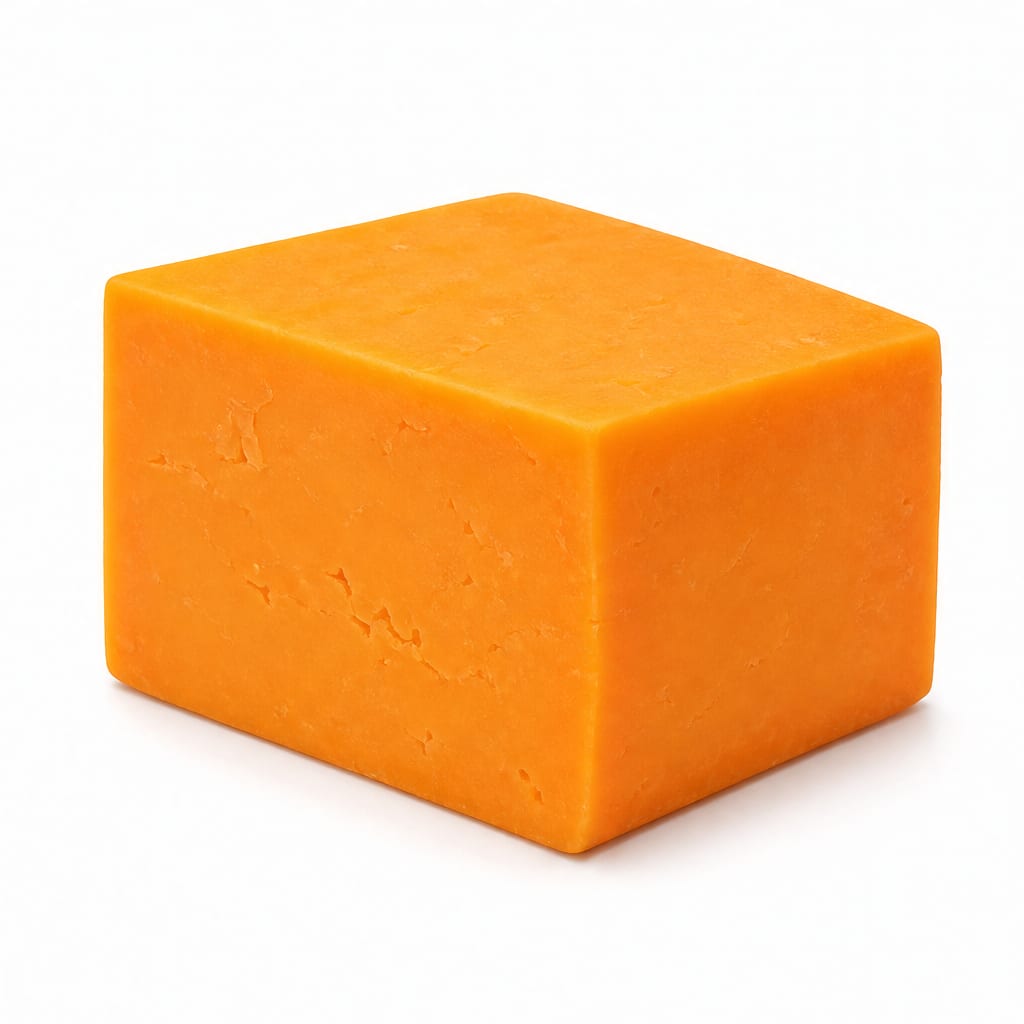
Cheddar
Gouda Cheese and Cheddar are nutritionally neck-and-neck, but Gouda Cheese wins for digestibility while Cheddar edges ahead on protein content.
Scores are nearly identical because both are natural, fermented dairy products with similar macronutrient profiles. Gouda Cheese pulls slightly ahead for digestibility and calcium, while Cheddar offers marginally more protein.
Easier digestion and a creamier bite (Gouda Cheese) versus slightly more protein and a sharper flavor (Cheddar).
At a glance
Executive summary
Overall
It depends
Healthier
It depends
More practical
It depends
Daily use
It depends
Key comparison lenses
Lactose tolerance and digestibility
Aged Gouda Cheese is virtually lactose-free, making it a standout choice for sensitive stomachs compared to Cheddar.
Protein and fat density
Both are dense dairy sources, but Cheddar typically packs slightly more protein per ounce, which matters for satiety.
Culinary melting and flavor profile
Gouda Cheese offers a creamy, nutty melt, while Cheddar brings a sharp, tangy bite, heavily influencing recipe choices.
Sodium and heart health impact
Both are salty cheeses, but sodium levels can vary significantly based on age and brand, impacting blood pressure concerns.
Best choice for
Gouda Cheese
- Those with mild lactose intolerance
- People seeking a creamy, meltable cheese for sandwiches
- Anyone wanting slightly more calcium per serving
Cheddar
- Low-carb dieters maximizing protein intake
- Fans of sharp, bold flavors for snacking
- Classic burger or grilled cheese enthusiasts
Least suitable for
Gouda Cheese
- Those strictly limiting saturated fat
- People wanting a sharp, pungent cheese flavor
Cheddar
- People with even mild lactose sensitivity
- Those watching sodium closely
Deep comparison
Dimension by dimension
Each lens scores both foods and breaks down who each option suits.
- Dimension 1 · Priority 90Gouda Cheese
Digestibility and Lactose
Gouda Cheese · 92Cheddar · 65Gouda Cheese contains almost no lactose after the aging process, making it surprisingly gentle on the stomach.
Tradeoff
You get a stomach-friendly cheese with Gouda Cheese, but Cheddar retains more milk sugar which can cause bloating for sensitive individuals.
Why it matters
Many adults have some degree of lactose malabsorption, making cheese selection a major factor in digestive comfort.
Real-world impact
Eating Gouda Cheese means you can enjoy a cheese plate without the gassy aftermath that Cheddar might cause.
Gouda Cheese
- Lactose-sensitive individuals
- Those prone to post-meal bloating
Better for
Cheddar
- People with dairy sensitivities
- Those who experience stomach heaviness after cheese
Worse for
- Dimension 2 · Priority 85Cheddar
Protein Density
Gouda Cheese · 70Cheddar · 78Cheddar packs slightly more protein per ounce, giving it a marginal edge for keeping you full.
Tradeoff
Cheddar offers a bit more muscle-fueling protein, while Gouda Cheese trades that small protein gap for a creamier texture.
Why it matters
Higher protein density improves satiety and helps maintain muscle, especially on lower-carb diets.
Real-world impact
A Cheddar snack will keep you slightly fuller for longer compared to the same portion of Gouda Cheese.
Gouda Cheese
- Those trying to maximize protein per calorie
Worse for
Cheddar
- Keto dieters tracking macros
- Those using cheese as a primary protein source
Better for
- Dimension 3 · Priority 75Gouda Cheese
Sodium Load
Gouda Cheese · 68Cheddar · 60Gouda Cheese is generally slightly lower in sodium than Cheddar, though both are salty foods.
Tradeoff
Gouda Cheese is a bit easier on blood pressure, while Cheddar's saltier profile gives it a more pronounced savory bite.
Why it matters
Regular high sodium intake from cheese can quietly push blood pressure up over time.
Real-world impact
Choosing Gouda Cheese might mean slightly less thirst and bloating compared to a Cheddar-heavy meal.
Gouda Cheese
- People monitoring blood pressure
- Those sensitive to salty foods
Better for
Cheddar
- Those eating a high-sodium diet
Worse for
- Dimension 4 · Priority 80It depends
Flavor and Culinary Use
Gouda Cheese · 85Cheddar · 85Gouda Cheese brings a smooth, nutty, and caramel-like sweetness, while Cheddar delivers a sharp, tangy punch.
Tradeoff
Gouda Cheese melts smoothly for creamy dishes, whereas Cheddar provides a bold flavor backbone that cuts through rich ingredients.
Why it matters
The right cheese can make or break a dish, and these two serve completely different culinary moods.
Real-world impact
Use Gouda Cheese for a silky panini or cheese sauce, and Cheddar when you want a flavor that stands out on its own.
Gouda Cheese
- Creamy pasta bakes
- Mild, kid-friendly snacks
Better for
- Dishes needing a bold cheese presence
Worse for
Cheddar
- Cheeseburgers
- Sharp cheese boards
Better for
- Recipes requiring a smooth, subtle melt
Worse for
Timeline
Health impact over time
Short-term
Hours to days
Gouda Cheese
- Highly unlikely to cause lactose-related bloating or gas
- Provides steady, slow-burning energy due to high fat content
Cheddar
- May trigger bloating or stomach discomfort in lactose-sensitive individuals
- Very filling, easily curbs hunger between meals
Long-term
Months to years
Gouda Cheese
- Excellent calcium source supporting bone density
- Aged varieties provide vitamin K2 for cardiovascular health
Cheddar
- Higher protein supports long-term muscle maintenance
- High saturated fat requires mindful portion control for heart health
Risk profile
Safety & processing
Both Gouda Cheese and Cheddar are traditional fermented foods made with simple ingredients: milk, salt, cultures, and rennet. Neither is considered ultra-processed.
Gouda Cheese
Histamine intolerance
mediumAged Gouda Cheese contains high levels of histamine, which can trigger headaches or skin flushing in sensitive people.
Listeria (unpasteurized varieties)
lowRaw milk Gouda Cheese carries a small risk of foodborne illness, especially for pregnant women.
Cheddar
Histamine intolerance
mediumAged Cheddar is also high in histamine and can provoke similar reactions in sensitive individuals.
Listeria (unpasteurized varieties)
lowRaw milk Cheddar poses a similar low-level risk for vulnerable populations.
Who wins for whom
Audience fit
Same foods, different winners depending on your goal.
children
Gouda CheeseYoung Gouda Cheese has a milder, sweeter flavor and lower sodium, making it more appealing and gentler for kids.
daily consumption
It dependsIt comes down to digestion and preference; Gouda Cheese is safer for daily stomach comfort, while Cheddar fits better if you need a protein boost.
diabetes
It dependsBoth have near-zero carbohydrates and will not spike blood sugar, making them equally safe in moderation.
elderly
Gouda CheeseGouda Cheese is easier to digest due to low lactose and is rich in calcium, supporting aging bones without stomach upset.
muscle gain
CheddarCheddar provides slightly more protein per serving, making it a better fit for muscle-building diets.
weight loss
CheddarCheddar's slightly higher protein content offers a marginal edge in keeping you full, which helps control overall calorie intake.
Your move
Decision guide
Choose Gouda Cheese
- You experience bloating or gas with other cheeses
- You prefer a sweeter, nuttier, and creamier flavor
- You are cooking a dish that needs a smooth, silky melt
Choose Cheddar
- You want to maximize your protein intake per calorie
- You love a sharp, tangy bite in your sandwiches or burgers
- You are strictly tracking macros on a keto diet
Either works if
- You just need a low-carb, high-fat cheese to curb hunger
- You want a fermented dairy source for gut-friendly bacteria
Avoid both if
- You have a dairy allergy
- You are strictly limiting saturated fat for heart health
- You are on a physician-ordered low-sodium diet
Final recommendation
Let your stomach decide. If regular cheese leaves you bloated, Gouda Cheese is your seamless upgrade. If you digest dairy fine and want a bolder flavor with more protein, stick with Cheddar.
Practical
Consumer tips
- 1
Look for Gouda Cheese aged 18+ months if you want zero lactose and a crumbly, caramel-like texture.
- 2
Grass-fed varieties of both cheeses offer more omega-3s and vitamin K2 for heart health.
- 3
Pre-sliced versions often contain anti-caking agents; block cheese is fresher and melts smoother.
- 4
Keep portions to 1-2 ounces to enjoy the benefits without overdoing saturated fat or sodium.