
Nutrition comparison
Gouda Cheese vs Brie: Nutrition, Lactose & Health Comparison
Comparing Gouda Cheese and Brie? Discover which cheese is better for lactose intolerance, bone health, and sodium levels, and find out which is safer for daily snacking.
Overall winner · Gouda Cheese
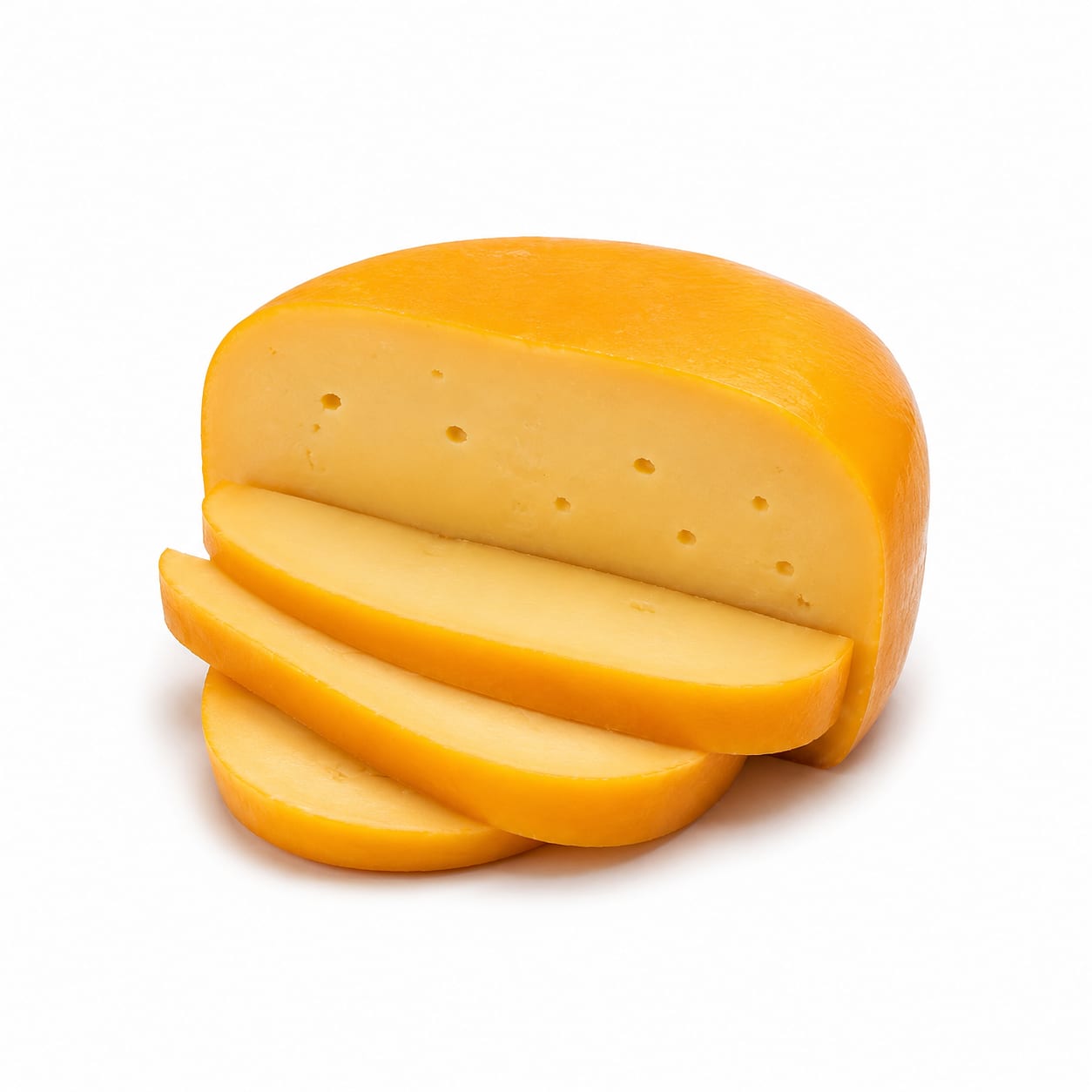
Gouda Cheese
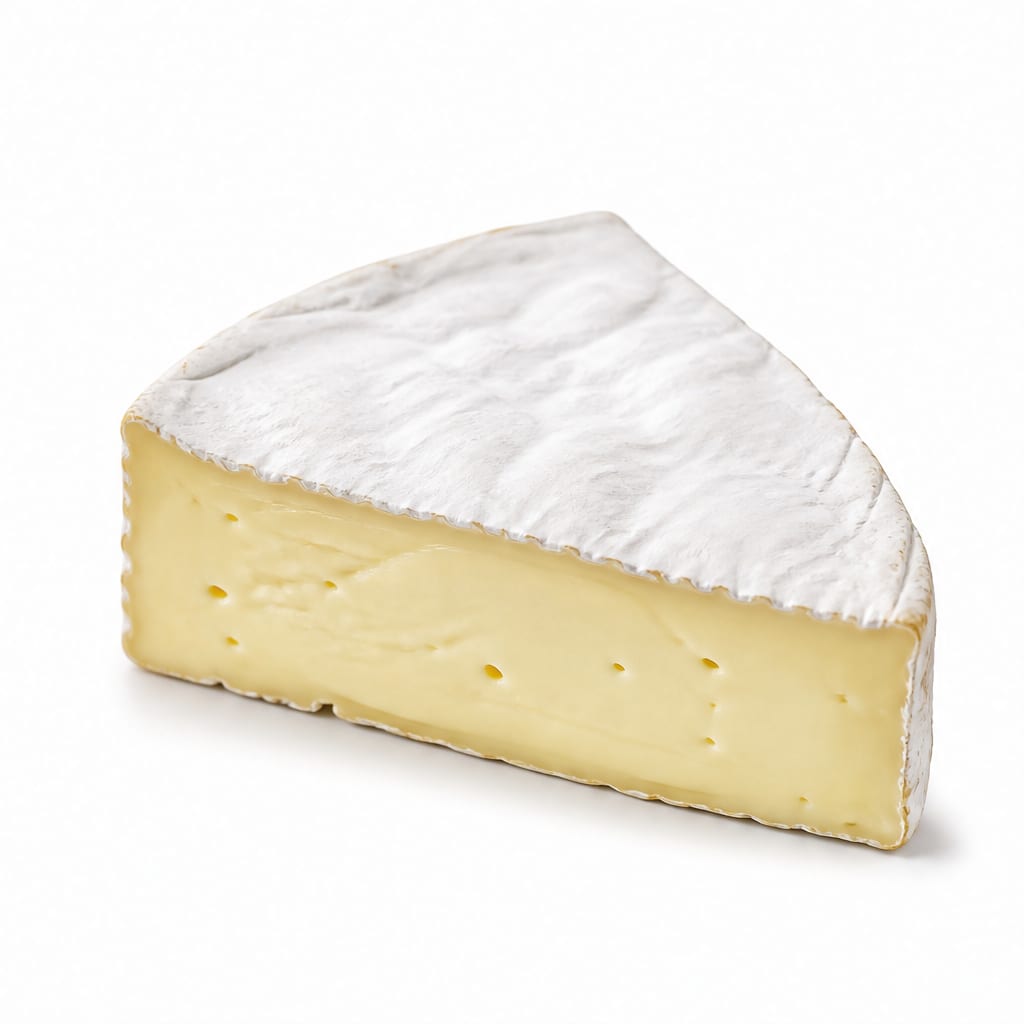
Brie
Gouda Cheese edges out Brie for daily eating thanks to its bone-building calcium and near-zero lactose, though Brie offers a creamier, lower-sodium indulgence.
Gouda Cheese scores higher due to its superior calcium content, higher protein, and better digestibility for lactose-sensitive individuals. Brie remains a strong contender for lower sodium and culinary appeal but loses points on food safety and lactose.
You trade the digestive ease and protein density of Gouda Cheese for the luxurious texture and lower sodium of Brie.
At a glance
Executive summary
Overall
Gouda Cheese
Healthier
Gouda Cheese
More practical
Gouda Cheese
Daily use
Gouda Cheese
Key comparison lenses
Lactose tolerance and digestibility
Gouda Cheese ages out most of its lactose, making it a safer bet for sensitive stomachs compared to Brie
Bone health and calcium density
Gouda Cheese is notably richer in calcium, which is a primary reason people eat cheese for health
Culinary texture and snacking experience
The dense, sliceable nature of Gouda Cheese contrasts sharply with the creamy, spreadable profile of Brie
Sodium and blood pressure management
Brie generally contains less sodium than Gouda Cheese, making it a better fit for salt-conscious eaters
Food safety for vulnerable groups
Soft cheeses like Brie carry a higher risk of Listeria, which matters deeply for pregnant women and the elderly
Best choice for
Gouda Cheese
- Lactose-sensitive cheese lovers
- Those prioritizing bone density and calcium
- Meal-preppers wanting a firm, easy-to-slice cheese
Brie
- Sodium-restricted diets that still want dairy
- Entertaining and gourmet appetizer platters
- Those who prefer rich, creamy textures over firm bites
Least suitable for
Gouda Cheese
- People strictly limiting sodium
- Those who dislike dense, hard cheeses
Brie
- Pregnant women or immunocompromised individuals
- Those with severe lactose intolerance
- Anyone needing a firm, grating cheese for cooking
Deep comparison
Dimension by dimension
Each lens scores both foods and breaks down who each option suits.
- Dimension 1 · Priority 90Gouda Cheese
Calcium & Bone Support
Gouda Cheese · 92Brie · 55Gouda Cheese delivers significantly more calcium per serving than Brie, making it a far better builder for bone density.
Tradeoff
You get less calcium in Brie, but its softer texture means it is easier to consume in larger volumes if you struggle with chewing hard cheeses.
Why it matters
Adequate calcium intake prevents osteoporosis and supports muscle function, and cheese is a primary source for many people.
Real-world impact
Eating Gouda Cheese regularly is like taking a tasty calcium supplement, whereas Brie offers a lighter contribution to your daily bone-building needs.
Gouda Cheese
- Aging adults fighting bone density loss
- Teenagers in peak bone-building years
Better for
- People who need to limit calcium due to kidney stone risk
Worse for
Brie
- Those who get calcium from other sources and just want flavor
Better for
- Anyone relying solely on cheese for daily calcium needs
Worse for
- Dimension 2 · Priority 88Gouda Cheese
Lactose & Digestibility
Gouda Cheese · 90Brie · 55Aged Gouda Cheese is essentially lactose-free, while Brie retains enough lactose to trigger sensitivities in some people.
Tradeoff
Brie offers a milder, creamier mouthfeel but risks stomach discomfort for the lactose-sensitive, whereas Gouda Cheese is gentler on the gut despite being denser.
Why it matters
Dairy digestion issues are incredibly common, and choosing the wrong cheese can mean hours of bloating or discomfort.
Real-world impact
You can enjoy Gouda Cheese after a heavy meal without the bloating that a creamy wedge of Brie might cause a sensitive stomach.
Gouda Cheese
- Lactose-intolerant individuals who still crave dairy
- People with sensitive digestion after dinner
Better for
- Individuals with a dairy allergy rather than lactose intolerance
Worse for
Brie
- Those with no lactose issues who prioritize texture over digestibility
Better for
- Anyone who experiences gas or bloating from softer cheeses
Worse for
- Dimension 3 · Priority 80Brie
Sodium & Blood Pressure
Gouda Cheese · 45Brie · 70Brie is generally lower in sodium than Gouda Cheese, making it the safer choice for managing blood pressure.
Tradeoff
Choosing Brie eases the strain on your blood vessels but you miss out on the protein and calcium density found in Gouda Cheese.
Why it matters
High sodium intake is a silent driver of hypertension, and cheese is often a hidden source of salt in diets.
Real-world impact
Snacking on Brie instead of Gouda Cheese helps keep your daily salt count lower, avoiding that puffy, thirsty feeling the next morning.
Gouda Cheese
- Athletes who need sodium to replenish sweat loss
Better for
- Those with hypertension trying to cut salt
Worse for
Brie
- People monitoring their blood pressure
- Anyone eating a lot of salty processed foods elsewhere in their day
Better for
- Endurance athletes needing electrolyte replenishment
Worse for
- Dimension 4 · Priority 75Gouda Cheese
Protein & Satiety
Gouda Cheese · 82Brie · 60Gouda Cheese packs more protein per bite, keeping you fuller for longer compared to the moisture-rich Brie.
Tradeoff
Brie feels heavier in the moment due to its fat content, but Gouda Cheese actually sustains your energy longer because of its protein density.
Why it matters
Protein is the key to feeling satisfied after eating, which prevents overeating and cravings later in the day.
Real-world impact
A few slices of Gouda Cheese as an afternoon snack will kill your hunger until dinner, while Brie might leave you reaching for crackers an hour later.
Gouda Cheese
- People using cheese as a protein source for weight management
- Those needing a filling afternoon snack
Better for
- Anyone trying to limit overall protein intake
Worse for
Brie
- Those eating cheese purely for flavor and richness in small amounts
Better for
- People trying to stay full on fewer calories
Worse for
- Dimension 5 · Priority 70Gouda Cheese
Food Safety & Contamination Risk
Gouda Cheese · 88Brie · 55The hard, aged nature of Gouda Cheese makes it highly resistant to harmful bacteria, whereas Brie is a soft cheese with a higher Listeria risk.
Tradeoff
Brie's soft, moist environment creates a perfect habitat for bacterial growth, while Gouda Cheese is naturally safer but requires more aggressive chewing.
Why it matters
Listeria contamination can be severe or even fatal for pregnant women, the elderly, and those with weakened immune systems.
Real-world impact
You can confidently pack Gouda Cheese in a lunchbox without worrying about temperature fluctuations, but Brie needs strict refrigeration and careful handling.
Gouda Cheese
- Pregnant women craving cheese
- Immunocompromised individuals
- Packaged lunches that sit out for hours
Better for
- No significant safety downside
Worse for
Brie
- Served immediately from the fridge at a controlled indoor gathering
Better for
- Catering events where food sits out at room temperature
Worse for
Timeline
Health impact over time
Short-term
Hours to days
Gouda Cheese
- Provides steady, long-lasting satiety due to high protein
- Very low risk of lactose-related bloating or gas
Brie
- Can trigger stomach discomfort in lactose-sensitive individuals
- The rich fat content provides quick but short-lived fullness
Long-term
Months to years
Gouda Cheese
- Supports strong bone density and prevents osteoporosis
- High sodium content could contribute to elevated blood pressure if overconsumed
Brie
- Lower sodium helps maintain healthier blood pressure over time
- Lower calcium means less direct support for bone mineral density
Risk profile
Safety & processing
Both Gouda Cheese and Brie are traditional fermented dairy products made with minimal ingredients—milk, salt, cultures, and rennet. Neither relies on artificial preservatives or emulsifiers, making them equally whole-food choices in the cheese aisle.
Gouda Cheese
High sodium load
mediumCan contribute to hypertension and water retention if consumed in large quantities daily.
Brie
Listeria contamination
highAs a soft-ripened cheese, Brie carries a significantly higher risk of Listeria monocytogenes, which is dangerous for pregnant women and the elderly.
Lactose content
lowContains trace amounts of lactose that can cause digestive upset in highly sensitive individuals.
Who wins for whom
Audience fit
Same foods, different winners depending on your goal.
children
Gouda CheeseGouda Cheese is safer from a bacterial standpoint and its firm texture is easier for snacking, though sodium should still be monitored.
daily consumption
Gouda CheeseGouda Cheese is more versatile, easier to digest, and safer for daily snacking, provided you watch the sodium intake.
diabetes
Gouda CheeseGouda Cheese contains virtually zero lactose (sugar), resulting in a slightly lower carbohydrate impact than Brie.
elderly
Gouda CheeseThe high calcium protects against osteoporosis and the hard texture eliminates the Listeria risk associated with soft cheeses like Brie.
muscle gain
Gouda CheeseGouda Cheese has a higher protein density per calorie, supporting muscle repair and growth more effectively.
weight loss
Gouda CheeseGouda Cheese offers more protein and less lactose, providing better satiety and fewer digestive issues that can cause bloating.
Your move
Decision guide
Choose Gouda Cheese
- You are lactose intolerant but love cheese
- You want to boost your calcium intake for bone health
- You need a safe, high-protein snack for on-the-go
- You are pregnant or serving cheese to elderly family members
Choose Brie
- You are strictly monitoring your sodium intake
- You are hosting a dinner party and want a luxurious spread
- You have no lactose issues and prefer creamy, rich textures
- You are baking a dish that requires a melting, gooey cheese layer
Either works if
- You just want a satisfying fat and protein source and tolerate dairy well
- You are pairing with fruit and nuts for a balanced snack
Avoid both if
- You have a dairy allergy
- You are strictly limiting saturated fat for heart disease management
- You are following a vegan diet
Final recommendation
Keep Gouda Cheese in your fridge for everyday snacking, cooking, and digestive peace of mind. Save Brie for special occasions when you want a creamy, lower-sodium treat and can ensure it is handled and stored safely.
Practical
Consumer tips
- 1
Look for Gouda Cheese aged 12 months or more for the lowest lactose content and a satisfying crunchy texture.
- 2
Always check the sodium on the nutrition label, as it varies wildly between brands for both cheeses.
- 3
If serving Brie, let it sit at room temperature for 20 minutes before eating to maximize the creamy texture and flavor.
- 4
Pregnant women should completely avoid Brie unless it is baked until steaming hot to kill potential Listeria.