
Nutrition comparison
Garlic Scapes vs Shallots: Nutrition, Flavor, and Which to Choose
Compare garlic scapes and shallots on nutrition, flavor versatility, availability, and health benefits. Learn when each allium shines and how to use both effectively.
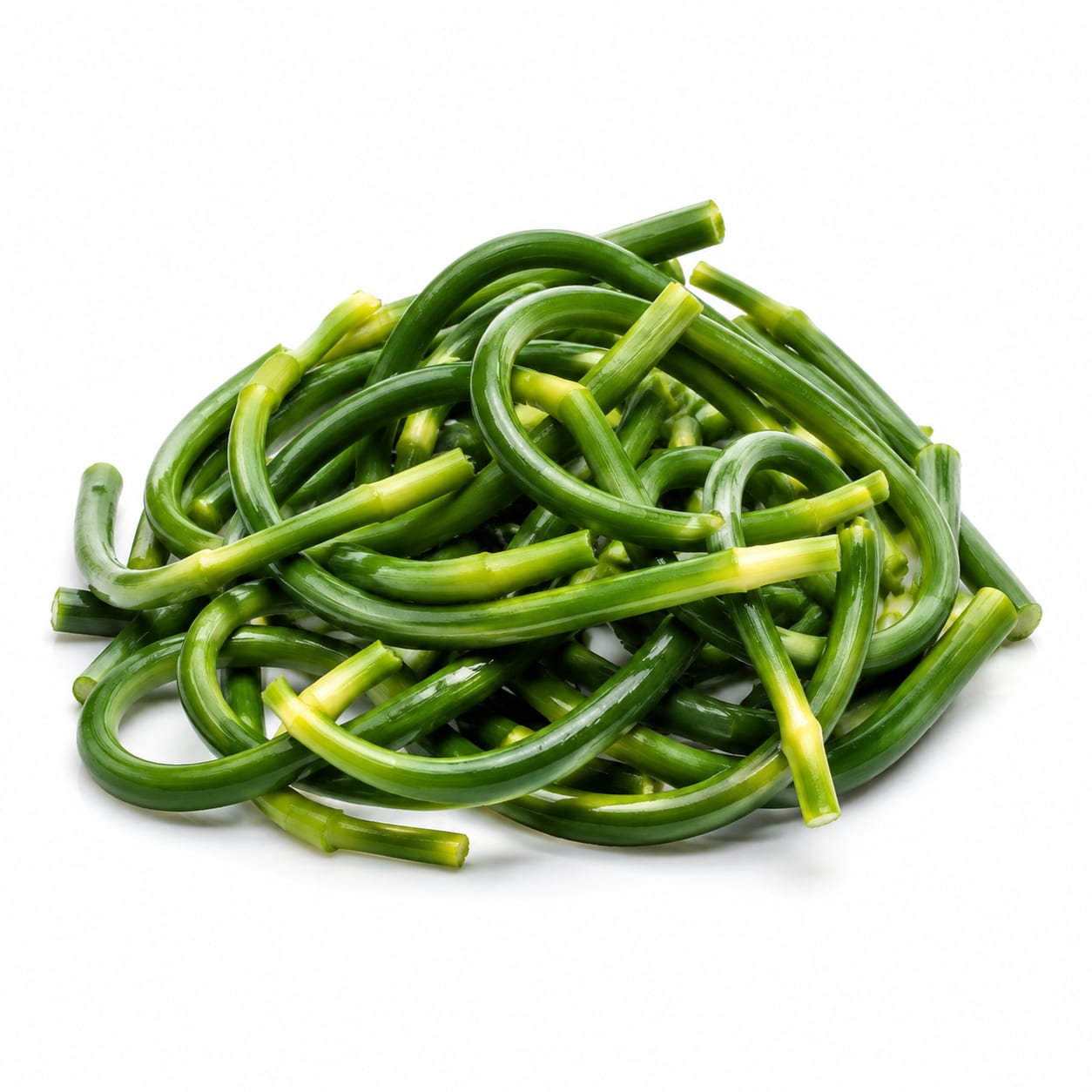
Garlic Scapes
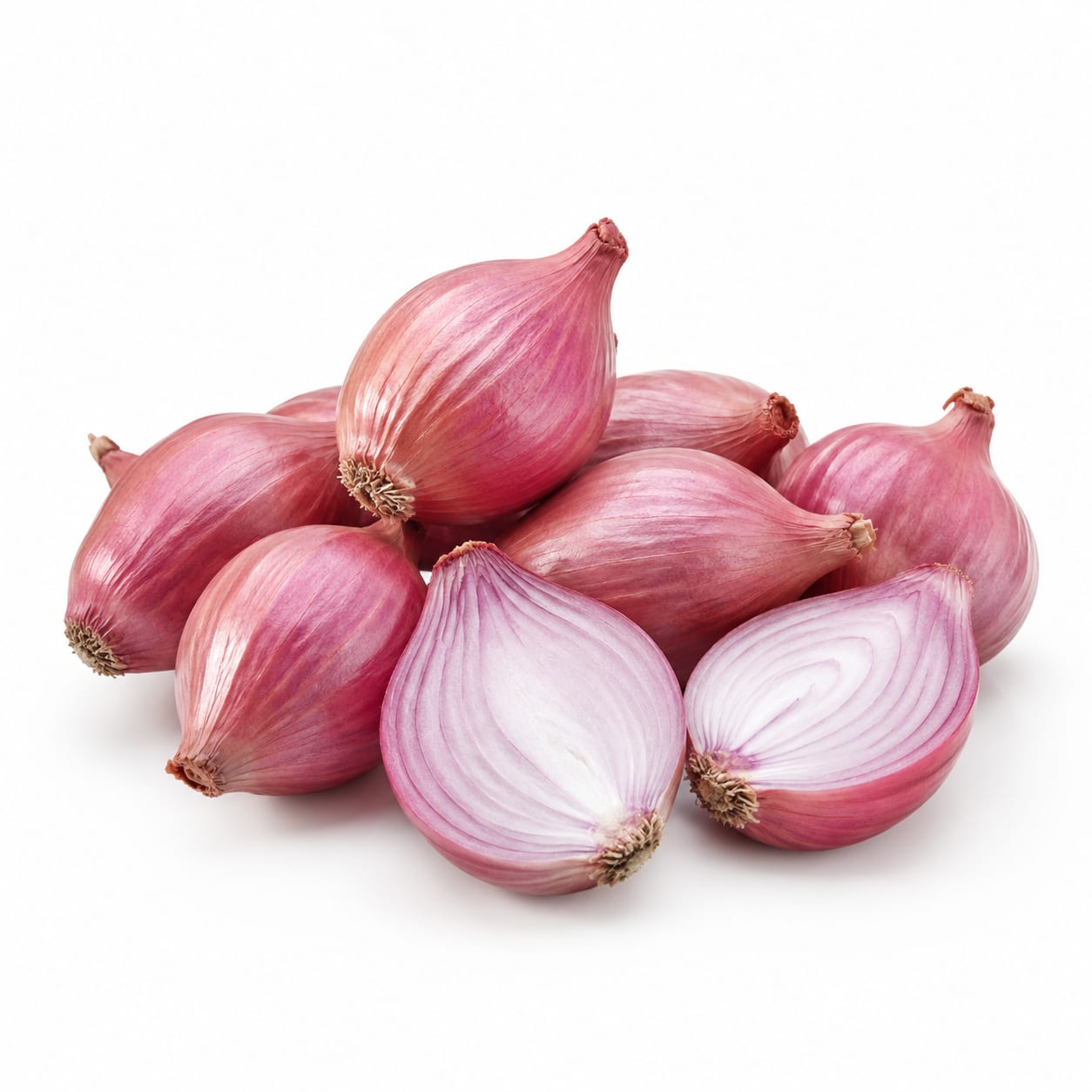
Shallots
Shallots win on year-round availability and recipe versatility, while garlic scapes offer a unique seasonal punch with slightly more vitamin C and chlorophyll-related benefits.
Shallots score higher mainly due to year-round availability and broader culinary adaptability. Garlic scapes are nutritionally competitive and offer unique benefits, but their narrow seasonal window and limited recipe familiarity hold them back for everyday use.
Garlic scapes deliver a bolder, greener garlic flavor but disappear from markets for most of the year; shallots provide consistent, milder sweetness anytime.
At a glance
Executive summary
Overall
It depends
Healthier
It depends
More practical
Shallots
Daily use
Shallots
Key comparison lenses
culinary versatility and flavor contribution
Both are aromatics used to build flavor foundations, so how they perform in cooking matters most to users
antioxidant and anti-inflammatory value
Both belong to the allium family and are prized for sulfur compounds and polyphenols that fight inflammation
seasonal availability and everyday practicality
Garlic scapes are highly seasonal while shallots are available year-round, creating a major real-world decision factor
digestive tolerance and gut friendliness
Allium vegetables can cause bloating or heartburn in sensitive individuals, and potency differs between these two
Best choice for
Garlic Scapes
- Seasonal cooks who want a vibrant garnish with mild garlic kick
- Home gardeners with a garlic patch looking to use the whole plant
- Anyone seeking chlorophyll-rich vegetables for detox support
- People wanting a visually striking addition to stir-fries or pestos
Shallots
- Everyday home cooks needing a reliable aromatic base
- Meal preppers who want consistent flavor week after week
- Those with sensitive stomachs who find raw garlic too harsh
- Anyone making French or Southeast Asian cuisine regularly
Least suitable for
Garlic Scapes
- Those who need a dependable year-round ingredient
- People unfamiliar with cooking with scapes who may waste them
- Anyone on a low-FODMAP diet during the elimination phase
Shallots
- People avoiding alliums due to allergy or intolerance
- Those wanting a bright green vegetable side dish
- Anyone looking for a show-stopping seasonal ingredient
Deep comparison
Dimension by dimension
Each lens scores both foods and breaks down who each option suits.
- Dimension 1 · Priority 92Shallots
flavor versatility
Garlic Scapes · 68Shallots · 88Shallots blend into far more dishes across cuisines, while garlic scapes have a narrower but more distinctive flavor lane.
Tradeoff
Garlic scapes give you a punchy, unmistakable garlic-green taste that nothing else replicates, but shallots quietly improve almost anything they touch.
Why it matters
If an ingredient only works in a few dishes, it sits in your fridge unused. Versatility means less waste and more cooking confidence.
Real-world impact
A shallot can go into vinaigrettes, sauces, roasts, and raw salads on any given Tuesday. Garlic scapes shine in stir-fries, pestos, and pickles, but you may struggle to use the whole bunch before it wilts.
Garlic Scapes
- Stir-fries needing bold garlic character with visual appeal
- Creative pestos as a basil substitute or complement
- Pickling projects that showcase their curl and crunch
Better for
- Delicate dishes where the strong garlic flavor dominates
- Long-simmered stews where the scape texture breaks down awkwardly
Worse for
Shallots
- Classic vinaigrettes and pan sauces
- French and Southeast Asian curry bases
- Raw preparations where a gentle onion sweetness is wanted
Better for
- Dishes where you specifically want a green vegetable presence
- Any recipe calling for that unique scape curl as a visual element
Worse for
- Dimension 2 · Priority 85It depends
antioxidant and anti-inflammatory power
Garlic Scapes · 76Shallots · 74Garlic scapes edge ahead on vitamin C and chlorophyll content, while shallots are richer in quercetin. Both deliver meaningful allium sulfur compounds.
Tradeoff
Scapes give you more green-vegetable antioxidants; shallots give you more of the specific flavonoid linked to heart health and allergy relief.
Why it matters
Chronic inflammation drives most lifestyle diseases. Small differences in antioxidant profiles add up over years of eating patterns.
Real-world impact
Eating garlic scapes during their short season gives your body a burst of vitamin C and chlorophyll it would not otherwise get from alliums. Eating shallots regularly gives you a steady drip of quercetin that supports cardiovascular resilience.
Garlic Scapes
- Seasonal antioxidant variety when you want to mix up your polyphenol sources
- Immune support during late spring when scapes are harvested
Better for
- You cannot rely on scapes for steady antioxidant intake since they are unavailable most of the year
Worse for
Shallots
- Consistent daily quercetin intake for long-term heart and allergy benefits
- Anti-inflammatory support that does not depend on seasonal access
Better for
- Shallots lack chlorophyll and the broader vitamin profile that green allium parts provide
Worse for
- Dimension 3 · Priority 80Shallots
availability and practicality
Garlic Scapes · 42Shallots · 91Shallots are in every grocery store always. Garlic scapes appear for roughly three to four weeks per year, mostly at farmers markets.
Tradeoff
Scapes are a fleeting seasonal treat that feels special; shallots are the workhorse you can always count on.
Why it matters
The healthiest ingredient is the one you actually have on hand when cooking. Availability directly determines real-world nutritional impact.
Real-world impact
You can build meal plans around shallots every week of the year. With garlic scapes, you get a brief window to enjoy them, then they are gone until next June.
Garlic Scapes
- Farmers market shoppers who enjoy seasonal eating rhythms
- Gardeners who grow hardneck garlic and get scapes free as a byproduct
Better for
- Suburban grocery shoppers who may never see scapes in stock
- Anyone trying to follow a consistent weekly recipe plan
Worse for
Shallots
- Anyone who meal preps on a regular schedule
- Cooks who need an aromatic right now without a special trip
Better for
- Shallots are not exciting or seasonal, so they never create that joyful anticipation of a short-window ingredient
Worse for
- Dimension 4 · Priority 70Shallots
digestive tolerance
Garlic Scapes · 55Shallots · 72Shallots are gentler on the digestive system raw or cooked. Garlic scapes carry more of the potent sulfur compounds that can irritate sensitive stomachs.
Tradeoff
The same compounds that make scapes powerfully flavorful and antimicrobial also make them riskier for anyone with IBS or acid reflux.
Why it matters
A food that causes bloating or heartburn is not a net health win, regardless of its nutrient profile.
Real-world impact
If raw garlic bothers you, raw garlic scapes likely will too, though slightly less intensely. Shallots raw are the most stomach-friendly allium option for most people.
Garlic Scapes
- People who tolerate garlic well and want a milder alternative to raw cloves
Better for
- Those on a low-FODMAP diet, as scapes contain fructans similar to garlic
Worse for
Shallots
- Anyone with GERD, IBS, or general allium sensitivity
- People who enjoy raw allium flavor but find onions or garlic too harsh
Better for
- Shallots still contain fructans and are not safe for strict low-FODMAP elimination
Worse for
- Dimension 5 · Priority 75Garlic Scapes
nutrient density per calorie
Garlic Scapes · 79Shallots · 71Garlic scapes offer more vitamin C, vitamin K, and chlorophyll per calorie. Shallots provide more manganese and modestly more vitamin B6.
Tradeoff
Scapes function partly as a green vegetable, giving you nutrients shallots simply cannot because they are a storage bulb without green parts.
Why it matters
When both foods are low-calorie flavor enhancers, the one that also delivers green-vegetable nutrients is doing more work for your body.
Real-world impact
A serving of garlic scapes contributes meaningfully toward your daily vitamin C and K targets. A serving of shallots contributes flavor and some minerals but is not moving the needle on most vitamin goals.
Garlic Scapes
- Boosting vitamin C and K intake without adding a separate vegetable
- Getting green-vegetable nutrients from an aromatic ingredient
Better for
- Scapes provide negligible calories and protein, so they are not a meaningful energy source
Worse for
Shallots
- Manganese intake for bone health and metabolism
- Vitamin B6 for energy production and brain function
Better for
- Shallots lack the chlorophyll and vitamin K that green allium parts offer
Worse for
Timeline
Health impact over time
Short-term
Hours to days
Garlic Scapes
- Noticeable garlic breath and skin odor within hours of eating
- Mild digestive stimulation; may cause bloating in sensitive individuals
- Quick antimicrobial effect in the gut from allicin-related compounds
Shallots
- Very mild breath impact compared to garlic or scapes
- Gentle on the stomach, even when raw in salads
- Subtle blood sugar moderation after carbohydrate-rich meals
Long-term
Months to years
Garlic Scapes
- Seasonal allicin exposure supports cardiovascular and immune function
- Chlorophyll intake may aid natural detoxification pathways
- Limited by availability, so long-term impact depends on other alliums in the diet
Shallots
- Consistent quercetin intake linked to lower blood pressure and reduced allergy severity
- Regular allium consumption associated with reduced certain-cancer risk in epidemiological studies
- Steady dietary sulfur compound exposure supports liver detoxification enzymes
Risk profile
Safety & processing
Both garlic scapes and shallots are whole, unprocessed allium vegetables typically sold fresh and bare. Neither carries meaningful additive risk. Choose organic for either if you want to minimize pesticide exposure on allium crops, but conventional is generally low-risk for both.
Garlic Scapes
pesticide residue on curly surfaces
lowThe curly shape can trap spray residue. A thorough rinse under running water removes most concern.
spoilage from rapid wilting
mediumGarlic scapes wilt and yellow within days if not stored properly. Use within a week or pickle and freeze to preserve.
Shallots
sprouting and mold in storage
lowShallots stored in humid conditions may sprout or develop surface mold. Keep cool, dry, and well-ventilated.
botulism in improper oil preservation
mediumShallots confited in oil must be refrigerated and consumed within days. Improperly stored garlic-in-oil preparations are a known botulism risk, and the same caution applies to shallots.
Who wins for whom
Audience fit
Same foods, different winners depending on your goal.
children
ShallotsShallots are milder and less likely to overwhelm young palates. Their sweetness caramelizes beautifully, making vegetables more appealing to kids without the strong garlic hit of scapes.
daily consumption
ShallotsYou simply cannot eat garlic scapes daily for most of the year. Shallots are always available, well-tolerated, and easy to incorporate into daily cooking without monotony.
diabetes
ShallotsShallots have demonstrated modest blood sugar moderating effects and can be eaten consistently, providing steady allium sulfur compound intake that supports insulin sensitivity over time.
elderly
ShallotsGentler digestion, consistent availability for regular consumption, and well-documented cardiovascular benefits from steady quercetin intake make shallots the more practical choice for older adults.
muscle gain
It dependsNeither is a protein source. Both serve as flavor enhancers for protein-rich meals. Shallots pair more naturally with post-workout meal staples like eggs and chicken.
weight loss
It dependsBoth are extremely low in calories and add flavor without fat. Scapes offer slightly more fiber and vitamin C, but shallots are easier to use consistently, which matters more for long-term adherence.
Your move
Decision guide
Choose Garlic Scapes
- It is late spring and you see scapes at the farmers market — grab them while you can
- You want a show-stopping visual element for a dish that also delivers garlic flavor
- You grow hardneck garlic and need to use the scapes before they sap bulb energy
- You are making pesto, stir-fry, or pickles and want something uniquely flavorful
Choose Shallots
- You need a reliable aromatic for everyday cooking without a special shopping trip
- You have a sensitive stomach and want the gentlest allium option
- You are building flavor bases for sauces, soups, or vinaigrettes on a regular basis
- You want consistent heart-health and anti-inflammatory benefits year-round
Either works if
- You are making a dish where any mild allium works and you want to use what you have
- Both are in your kitchen and you want variety in your flavor rotation
- You are focused on general allium health benefits rather than a specific nutrient
Avoid both if
- You are on a strict low-FODMAP elimination diet and cannot tolerate fructans
- You have a confirmed allium allergy or intolerance
- You are taking blood-thinning medications and have been advised to limit allium intake
Final recommendation
Keep shallots in your kitchen always as a foundational aromatic. When garlic scapes appear in late spring, treat them as a celebratory seasonal ingredient and use them liberally while they last. You do not have to choose — these two complement each other perfectly across the calendar year.
Practical
Consumer tips
- 1
Store garlic scapes in a damp paper towel inside a bag in the crisper and use within five to seven days
- 2
Freeze garlic scapes whole or chopped if you cannot use them fast enough — they retain flavor well for later soups and stir-fries
- 3
Keep shallots in a cool, dark, dry spot with good airflow; never store them in plastic bags
- 4
Caramelize shallots slowly in olive oil for a deeply sweet topping that elevates almost any savory dish
- 5
Blanch garlic scapes briefly before grilling to prevent the outside from burning before the inside tenderizes
- 6
Make a compound butter with finely chopped garlic scapes and freeze it — a quick way to add scape flavor to anything long after the season ends