
Nutrition comparison
Garlic Scapes vs Green Onions: Nutrition, Flavor, and Which to Choose
Compare garlic scapes and green onions on antioxidants, culinary versatility, availability, and health benefits. Learn when each allium is the better pick for your cooking and wellness goals.
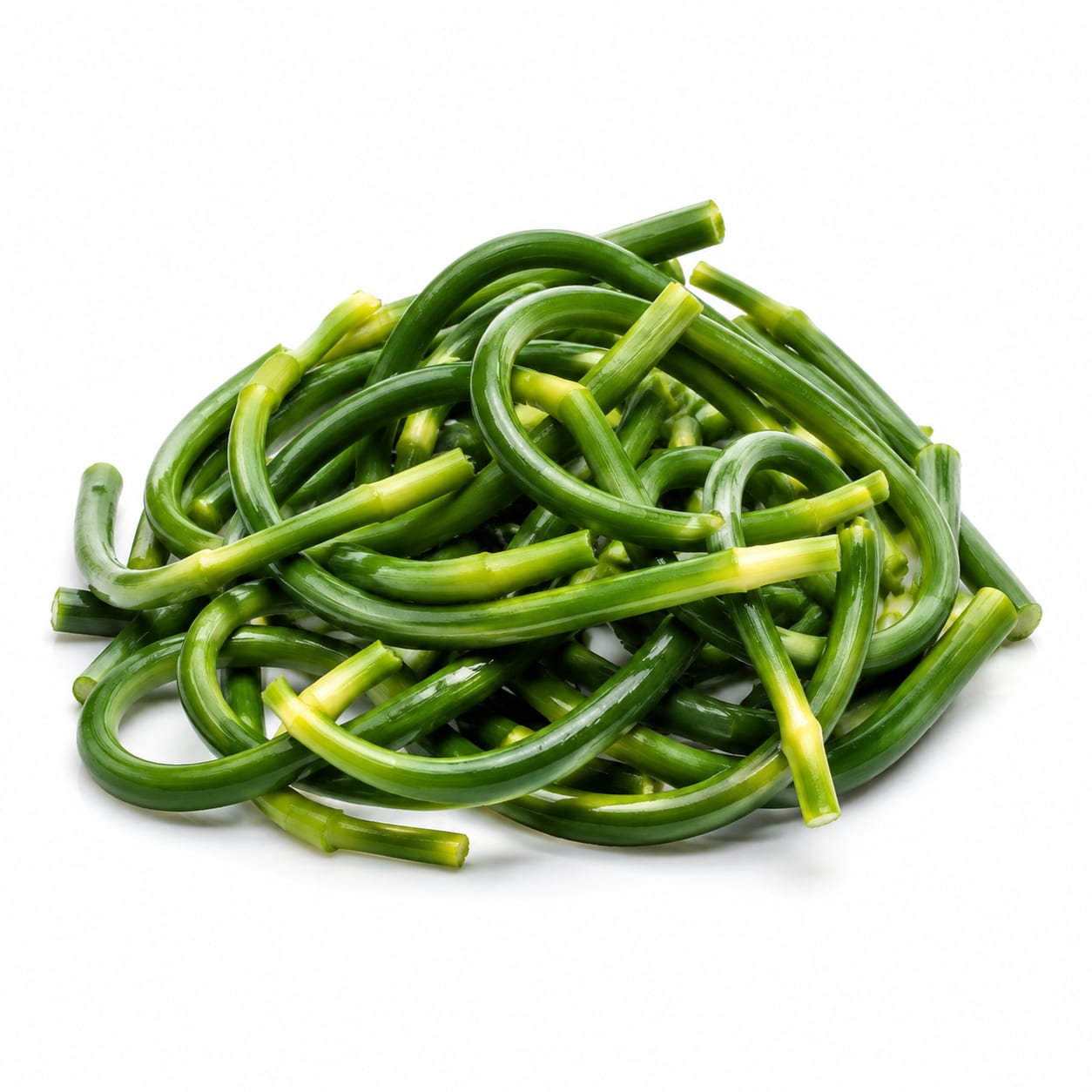
Garlic Scapes
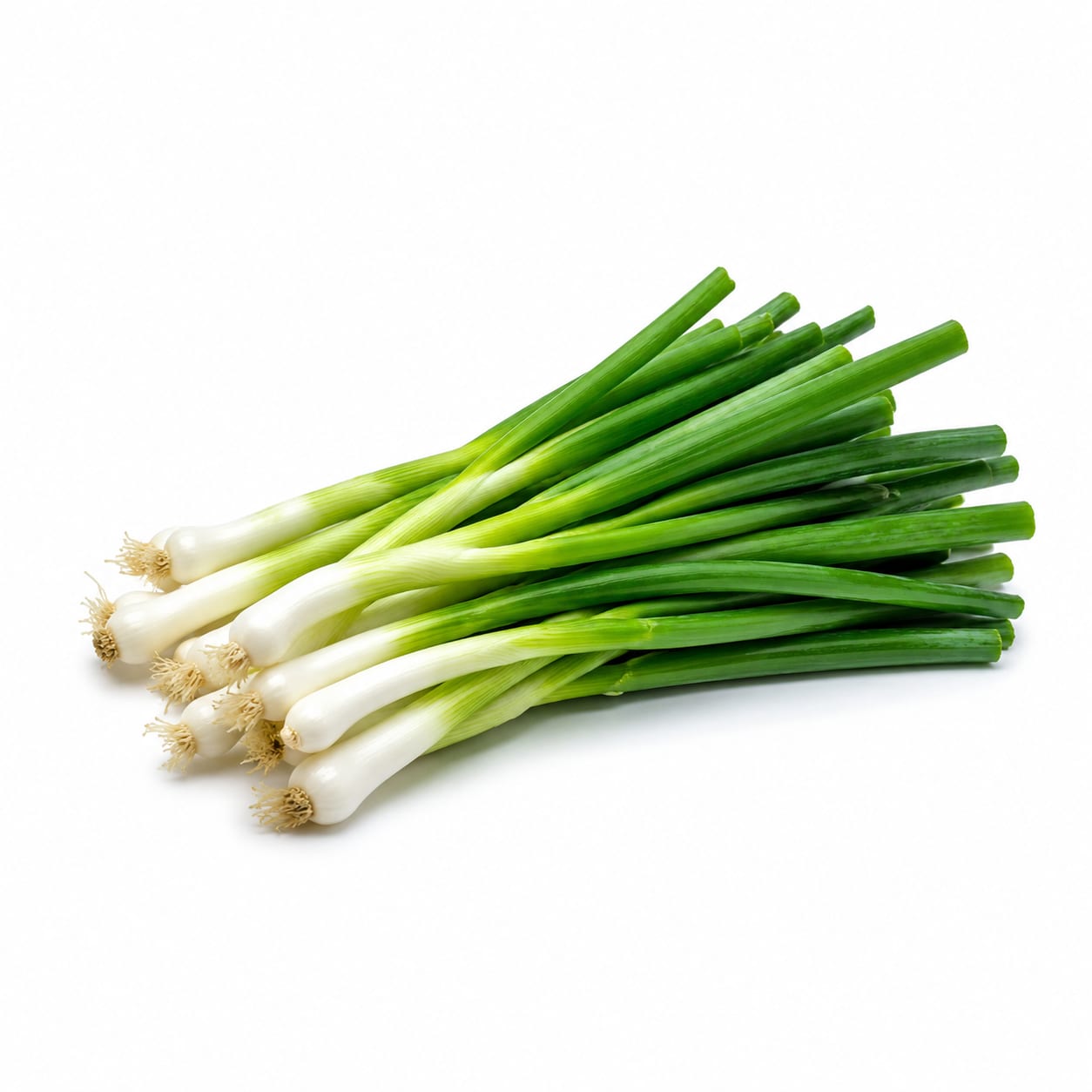
Green Onions
Green onions win on practicality and year-round availability, while garlic scapes offer a more potent antioxidant punch and unique flavor when you can find them.
Green onions edge ahead slightly due to year-round availability and broader culinary utility, but garlic scapes score higher on antioxidant potency and uniqueness. The close scores reflect that both are healthy, low-calorie flavor enhancers with different strengths.
Everyday convenience versus seasonal intensity — green onions are always there for you, garlic scapes reward you with deeper flavor and stronger health compounds during their brief season.
At a glance
Executive summary
Overall
It depends
Healthier
Garlic Scapes
More practical
Green Onions
Daily use
Green Onions
Key comparison lenses
culinary versatility and everyday usability
Green onions are available year-round and used globally, while garlic scapes are seasonal and less familiar to most cooks
seasonal availability and practicality
Garlic scapes have a narrow harvest window making them a specialty item, whereas green onions are always in stores
antioxidant and sulfur compound benefits
Both foods contain beneficial sulfur compounds but from different families — allicin in garlic scapes vs quercetin in green onions
nutrient density per calorie
Both are very low calorie flavor enhancers, so small differences in micronutrients matter more
digestive tolerance and gut friendliness
Both can cause digestive issues in sensitive people, but the sulfur compounds differ in how they affect the gut
Best choice for
Garlic Scapes
- People seeking potent allicin-related antioxidant benefits
- Home cooks wanting a unique garlicky-sweet flavor twist
- Farmers market shoppers looking for seasonal variety
- Anyone bored with standard allium flavors
Green Onions
- Meal preppers needing a reliable garnish all week
- Anyone cooking Asian dishes where scallions are essential
- People who want a mild onion flavor without overpowering dishes
- Budget-conscious shoppers wanting affordable flavor
Least suitable for
Garlic Scapes
- People who need a consistent year-round ingredient
- Those sensitive to strong garlic flavors or fructans
- Shoppers without access to specialty or farmers market produce
- Anyone looking for a quick grab-and-go garnish
Green Onions
- People wanting bold, distinctive flavor impact
- Those seeking high allicin or sulfur compound intake
- Cooks looking for something novel or interesting
- Anyone avoiding alliums due to FODMAP sensitivity
Deep comparison
Dimension by dimension
Each lens scores both foods and breaks down who each option suits.
- Dimension 1 · Priority 88Garlic Scapes
antioxidant potency
Garlic Scapes · 82Green Onions · 68Garlic scapes deliver more concentrated allicin-related sulfur compounds, which have stronger antimicrobial and cardioprotective evidence than the quercetin found in green onions.
Tradeoff
You get more antioxidant firepower from garlic scapes, but only during their short season — green onions provide steadier, if milder, benefits year-round.
Why it matters
Allicin compounds support immune function and cardiovascular health more directly than the flavonoids in green onions.
Real-world impact
Eating garlic scapes regularly during their season could give your immune system a noticeable boost, similar to adding garlic supplements but in food form.
Garlic Scapes
- Immune support during cold season
- Cardiovascular protection
- Antimicrobial gut benefits
Better for
- Benefits are seasonal and inconsistent
- Stronger compounds may irritate sensitive stomachs
Worse for
Green Onions
- Steady daily antioxidant intake
- Quercetin-related anti-inflammatory benefits
- Vitamin K contribution for bone health
Better for
- Lower overall sulfur compound concentration
- Milder effect means you need more volume for impact
Worse for
- Dimension 2 · Priority 90Green Onions
culinary versatility
Garlic Scapes · 62Green Onions · 88Green onions fit into nearly every cuisine worldwide — raw, cooked, grilled, or as garnish. Garlic scapes are more niche and work best in specific preparations.
Tradeoff
Green onions are the Swiss army knife of alliums; garlic scapes are a specialty tool that does one thing beautifully but lacks range.
Why it matters
An ingredient you actually use daily beats one that sits in your fridge waiting for the right recipe.
Real-world impact
You will reach for green onions multiple times a week for eggs, soups, stir-fries, and salads. Garlic scapes might get used once or twice during their season.
Garlic Scapes
- Pesto and blended sauces
- Grilled as a side vegetable
- Pickled as a condiment
Better for
- Limited raw applications — too pungent for most salads
- Texture can be fibrous if not cooked properly
- Overpowers delicate dishes easily
Worse for
Green Onions
- Raw garnish for soups and bowls
- Stir-fry base aromatics
- Salad topping and sandwich layer
- Egg dishes and potato garnish
Better for
- Less interesting as a standalone vegetable
- Milder flavor means less impact per bite
- Can get slimy if stored too long
Worse for
- Dimension 3 · Priority 92Green Onions
availability and practicality
Garlic Scapes · 35Green Onions · 95Green onions are in every grocery store always. Garlic scapes appear for about 3-4 weeks in late spring and require specialty shopping.
Tradeoff
Convenience is the biggest differentiator here — green onions are effortless to find, while garlic scapes require effort and timing.
Why it matters
The healthiest ingredient only works if you can actually buy it and use it before it spoils.
Real-world impact
You can decide to make a green onion dish on impulse any day. Garlic scapes require planning, timing, and often a farmers market trip.
Garlic Scapes
- Exciting seasonal eating experience
- Supporting local farms and seasonal rhythms
Better for
- Extremely limited availability window
- Often more expensive per pound
- Unfamiliar to many home cooks
Worse for
Green Onions
- Spontaneous meal planning
- Consistent weekly grocery runs
- Available frozen or pre-chopped in some stores
Better for
- Less exciting or adventurous as an ingredient
Worse for
- Dimension 4 · Priority 72It depends
digestive tolerance
Garlic Scapes · 55Green Onions · 60Both contain fructans that can trigger IBS symptoms, but garlic scapes have stronger sulfur compounds that may be harsher on sensitive stomachs.
Tradeoff
Neither is great for FODMAP-sensitive people, but green onions are slightly gentler and the green tops are lower in fructans than the white bulbs.
Why it matters
People with gut issues need to know which allium is less likely to cause bloating or discomfort.
Real-world impact
If you have IBS, the green parts of green onions might be tolerable, while garlic scapes are more likely to cause gas and bloating.
Garlic Scapes
- May stimulate beneficial gut bacteria through sulfur compounds
Better for
- Higher allicin content can irritate sensitive stomachs
- More likely to cause heartburn in prone individuals
Worse for
Green Onions
- Green tops are lower in fructans and better tolerated
- Milder overall effect on the digestive tract
Better for
- White parts still contain significant fructans
- Bulb portion can be problematic for FODMAP dieters
Worse for
- Dimension 5 · Priority 78Garlic Scapes
nutrient density per calorie
Garlic Scapes · 76Green Onions · 70Both are very low calorie, but garlic scapes pack more vitamin C, calcium, and sulfur compounds per serving, while green onions offer more vitamin K and folate.
Tradeoff
Garlic scapes give you more immune-supporting nutrients per bite; green onions give you more bone-health and blood-clotting nutrients.
Why it matters
When calories are negligible, the micronutrient profile becomes the real differentiator.
Real-world impact
A serving of garlic scapes contributes more meaningfully to your daily vitamin C needs, while green onions quietly support your vitamin K intake.
Garlic Scapes
- Higher vitamin C per serving
- More calcium and manganese
- Stronger sulfur compound profile
Better for
- Lower vitamin K content
- Less folate availability
Worse for
Green Onions
- Significantly more vitamin K
- More folate per serving
- Broader micronutrient spread at lower cost
Better for
- Less vitamin C per serving
- Lower mineral density overall
Worse for
Timeline
Health impact over time
Short-term
Hours to days
Garlic Scapes
- Noticeable garlic breath that can persist for hours
- Possible mild stomach warmth or slight nausea if eaten raw in large amounts
- Immune-stimulating effect from allicin compounds
Green Onions
- Very mild breath impact compared to garlic scapes
- Gentle on the stomach when used as garnish
- Quick vitamin K contribution to daily needs
Long-term
Months to years
Garlic Scapes
- Cardiovascular support from regular allicin intake during season
- Potential antimicrobial gut benefits with consistent consumption
- Antioxidant protection during seasonal availability windows
Green Onions
- Steady vitamin K intake supporting bone density and blood clotting
- Consistent quercetin exposure with anti-inflammatory potential
- Reliable daily contribution to vegetable diversity
Risk profile
Safety & processing
Both garlic scapes and green onions are whole, unprocessed vegetables typically sold fresh and loose. Neither carries meaningful processing concerns, making them equally clean choices.
Garlic Scapes
pesticide residue
mediumGarlic scapes are less frequently tested in residue monitoring programs, and since they grow above ground, they can receive direct pesticide application. Washing thoroughly is important.
spoilage and mold
mediumTheir curly shape can trap moisture and soil, creating spots where mold can develop. Inspect carefully before use.
Green Onions
bacterial contamination
mediumGreen onions have been linked to foodborne illness outbreaks, particularly salmonella and E. coli, due to their growing conditions and layered structure that can trap pathogens.
pesticide residue
mediumConsistently appear on EWG's Dirty Dozen list for onion-family crops. The layered leaves can retain residue even after washing.
Who wins for whom
Audience fit
Same foods, different winners depending on your goal.
children
Green OnionsGreen onions have a milder, more approachable flavor that kids tolerate better in familiar dishes. Garlic scapes can be too pungent for young palates.
daily consumption
Green OnionsYear-round availability, milder flavor, and broader culinary compatibility make green onions far more sustainable as a daily habit.
diabetes
Garlic ScapesAllicin compounds in garlic scapes have stronger evidence for improving insulin sensitivity and glucose metabolism compared to the quercetin in green onions.
elderly
Green OnionsThe vitamin K in green onions supports bone health and blood clotting — both critical concerns for older adults — and the milder flavor is easier on aging digestive systems.
muscle gain
It dependsNeither contributes meaningful protein or calories for muscle building. Both serve only as flavor enhancers in a muscle-gain diet.
weight loss
Green OnionsBoth are negligible in calories, but green onions are easier to use generously across many meals, adding flavor volume without calories more consistently.
Your move
Decision guide
Choose Garlic Scapes
- You shop at farmers markets and get excited about seasonal finds
- You want maximum antioxidant and immune-supporting compounds
- You enjoy bold garlic flavor and want to experiment with pesto or grilling
- You are comfortable with an ingredient that requires a bit more culinary creativity
Choose Green Onions
- You want a reliable garnish that works in everything from soup to tacos
- You meal prep and need an ingredient that stays useful all week
- You cook a lot of Asian cuisine where scallions are foundational
- You prefer mild flavor that enhances without dominating
Either works if
- You simply want to add more allium variety to your diet
- You are looking for low-calorie flavor boosters
- You want to increase your vegetable diversity without much effort
Avoid both if
- You are on a strict low-FODMAP elimination diet
- You have a confirmed allium allergy or sensitivity
- You experience significant IBS symptoms from fructan-containing foods
Final recommendation
Keep green onions as your everyday workhorse — they are practical, versatile, and always available. When garlic scapes appear in late spring, grab them for their unique flavor and antioxidant boost, but do not stress about missing them the rest of the year. Both earn their place in a healthy kitchen; they just serve different roles.
Practical
Consumer tips
- 1
Store green onions upright in a jar with an inch of water in the fridge — they will stay crisp for over a week
- 2
Freeze garlic scapes chopped if you find them — they retain flavor well and extend your window beyond the brief season
- 3
Wash both thoroughly: green onions between the layers, garlic scapes along their curly crevices
- 4
Use only the green tops of green onions if you are sensitive to FODMAPs — the white bulbs contain more fructans
- 5
Grill garlic scapes whole with olive oil and salt for the easiest, most delicious introduction to them
- 6
Regrow green onions by placing the root ends in water on a sunny windowsill — they will sprout new greens within days