
Nutrition comparison
Garlic Scapes vs Asparagus: Nutrition, Benefits, and Which to Choose
Compare garlic scapes and asparagus side by side. Learn which spring vegetable offers more folate, better gut health benefits, and when each is worth buying.
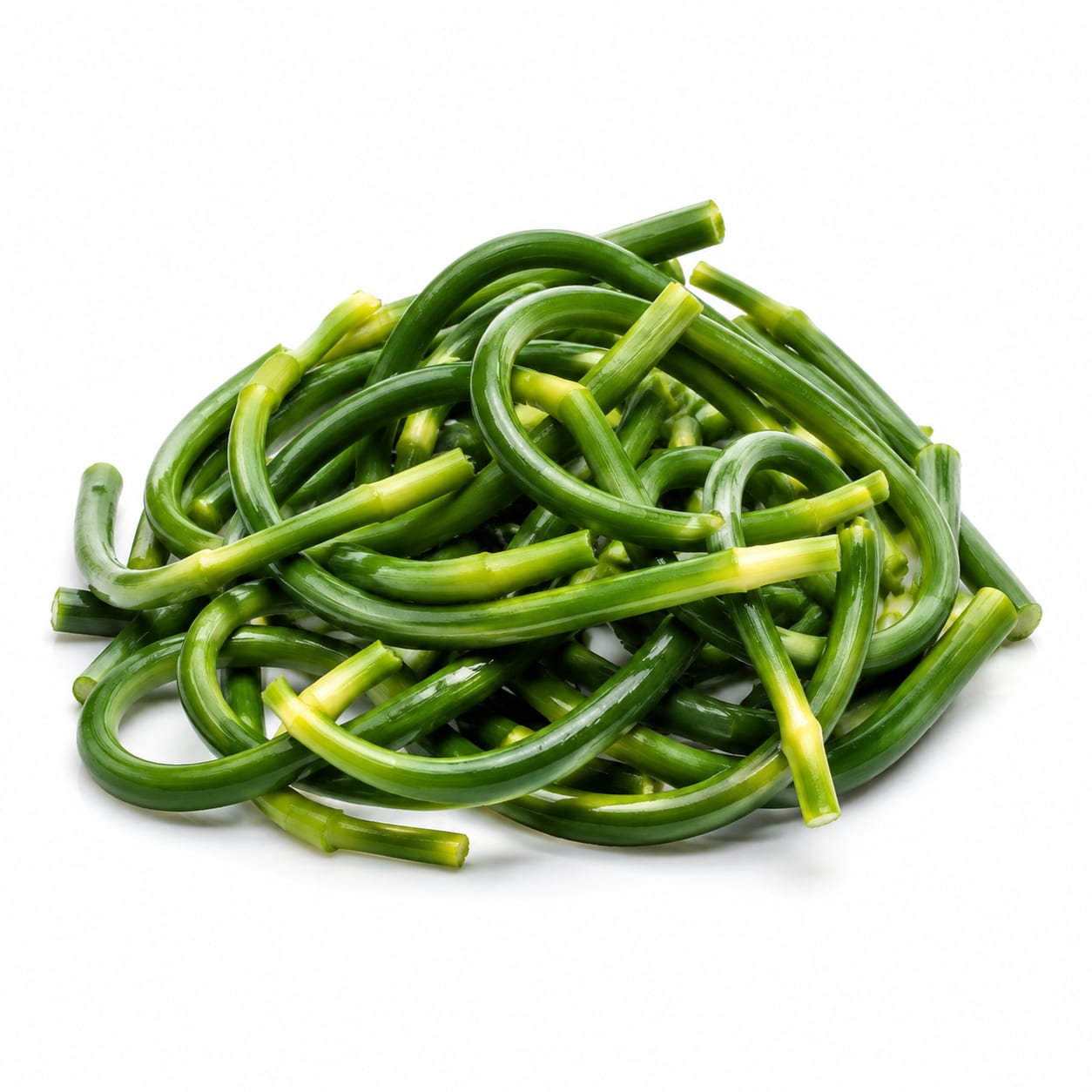
Garlic Scapes
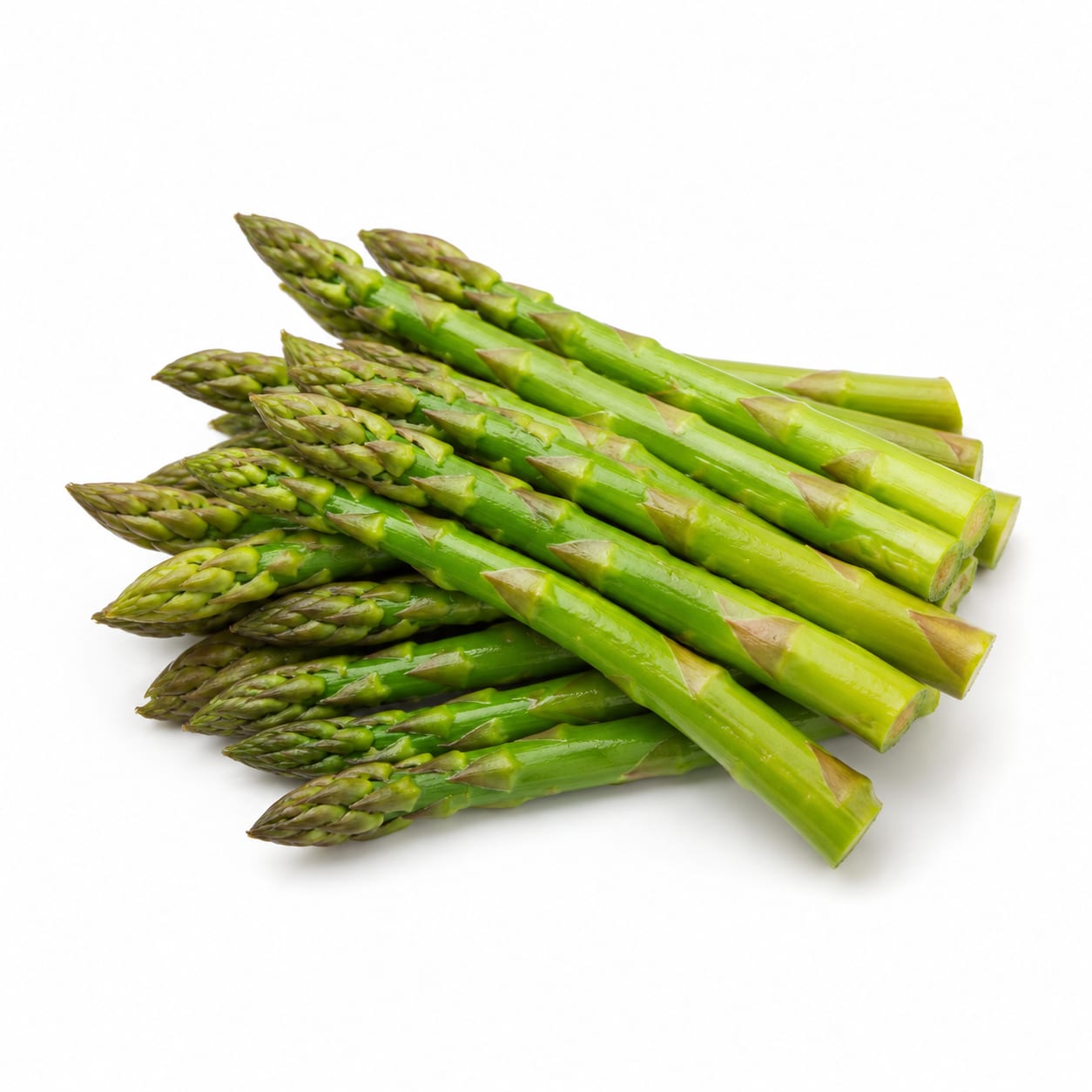
Asparagus
Asparagus wins on everyday practicality and folate content, while garlic scapes deliver unique sulfur-compound benefits you cannot get elsewhere.
Asparagus scores higher due to broader availability, stronger folate content, and well-documented prebiotic benefits. Garlic scapes earn strong marks for unique sulfur compounds and flavor impact but lose points on limited seasonal access and less robust nutritional research.
Widespread availability and prebiotic fiber versus rare seasonal allicin-related compounds with distinct anti-inflammatory properties.
At a glance
Executive summary
Overall
It depends
Healthier
It depends
More practical
Asparagus
Daily use
Asparagus
Key comparison lenses
seasonal spring vegetable selection
Both are spring-harvested vegetables with limited seasonal windows, making substitution decisions common
anti inflammatory and immune benefits
Garlic scapes carry sulfur compounds from the allium family while asparagus offers different antioxidant pathways
digestive and gut health
Asparagus is renowned for prebiotic inulin while garlic scapes offer milder gut-supportive compounds
practical availability and culinary versatility
Asparagus is grocery-staple available year-round while garlic scapes are farmers-market seasonal finds
low calorie nutrient density for weight management
Both are low-calorie vegetables but users often want to know which delivers more nutritional bang per bite
Best choice for
Garlic Scapes
- People seeking allicin-adjacent sulfur compounds without raw garlic breath
- Home cooks wanting bold flavor with minimal added fat or salt
- Anti-inflammatory diet followers looking for allium diversity
- Farmers-market shoppers excited by seasonal eating
Asparagus
- Pregnant women or those planning pregnancy needing folate
- People prioritizing gut health and prebiotic fiber intake
- Anyone wanting a reliable nutrient-dense vegetable year-round
- Meal preppers who need consistent grocery availability
Least suitable for
Garlic Scapes
- People who dislike garlic or allium flavors
- Those needing reliable year-round access at standard grocery stores
- Individuals on low-FODMAP diets sensitive to fructans
Asparagus
- People with gout flares triggered by purine-rich foods
- Those bothered by asparagusic acid causing urine odor
- Individuals on blood thinners who need consistent vitamin K intake monitoring
Deep comparison
Dimension by dimension
Each lens scores both foods and breaks down who each option suits.
- Dimension 1 · Priority 90Asparagus
micronutrient_density
Garlic Scapes · 65Asparagus · 85Asparagus delivers significantly more folate, vitamin K, and several B vitamins per serving compared to garlic scapes.
Tradeoff
Garlic scapes provide manganese and vitamin C but cannot match the folate and vitamin K concentrations that make asparagus a standout.
Why it matters
Folate supports cell repair and is critical during pregnancy. Vitamin K is essential for bone health and proper blood clotting.
Real-world impact
Eating asparagus regularly gives you a meaningful chunk of daily folate needs. Garlic scapes contribute nutrients but not at the same standout levels.
Garlic Scapes
- Manganese intake for bone and connective tissue support
- Vitamin C with complementary sulfur compounds for immune function
Better for
- Lower folate makes it less relevant for pregnancy nutrition
- Less vitamin K means weaker support for bone health goals
Worse for
Asparagus
- Folate for prenatal health and cell division
- Vitamin K for bone density and wound healing
- B-vitamin complexity for energy metabolism
Better for
- Lacks the sulfur-compound family that gives alliums their unique protective properties
Worse for
- Dimension 2 · Priority 88Garlic Scapes
anti_inflammatory_and_immune_properties
Garlic Scapes · 82Asparagus · 70Garlic scapes carry allicin-related sulfur compounds with documented anti-inflammatory and antimicrobial effects that asparagus cannot replicate.
Tradeoff
Asparagus offers glutathione and flavonoids but the allium sulfur pathway in garlic scapes is pharmacologically more active.
Why it matters
Chronic inflammation drives heart disease, arthritis, and metabolic issues. Sulfur compounds from alliums are among the most studied anti-inflammatory food components.
Real-world impact
Regular allium consumption including garlic scapes is linked to lower inflammatory markers. Asparagus helps through antioxidants but through less potent pathways.
Garlic Scapes
- Allicin-adjacent compounds with antimicrobial and anti-inflammatory action
- Sulfur amino acids supporting liver detoxification pathways
- Immune modulation during cold and flu season
Better for
- Less researched than garlic cloves so exact compound levels are less certain
Worse for
Asparagus
- Glutathione precursors for cellular antioxidant defense
- Flavonoid diversity for broader antioxidant coverage
Better for
- Missing the allium-specific sulfur compounds most strongly linked to inflammation reduction
Worse for
- Dimension 3 · Priority 85Asparagus
digestive_and_gut_health
Garlic Scapes · 62Asparagus · 88Asparagus is a top-tier prebiotic food thanks to its inulin content, directly feeding beneficial gut bacteria in ways garlic scapes do not match.
Tradeoff
Garlic scapes contain some fructans but at lower levels, and they may irritate sensitive FODMAP-intolerant guts more than they help.
Why it matters
Prebiotic fiber determines which gut bacteria thrive. Inulin from asparagus selectively feeds Bifidobacteria, linked to better digestion and immune function.
Real-world impact
A serving of asparagus noticeably supports digestive regularity and gut flora. Garlic scapes contribute fiber but without the targeted prebiotic effect.
Garlic Scapes
- Moderate fiber contribution to daily intake
- Mild antimicrobial effect that may reduce harmful gut bacteria
Better for
- Fructan content can trigger symptoms in IBS or FODMAP-sensitive individuals
- Lower total fiber per serving compared to asparagus
Worse for
Asparagus
- Inulin prebiotic fiber that selectively nourishes beneficial Bifidobacteria
- Higher total fiber per serving for digestive regularity
- Better tolerated by most digestive systems when cooked
Better for
- Minimal antimicrobial activity compared to allium compounds
Worse for
- Dimension 4 · Priority 80Asparagus
availability_and_practical_everyday_use
Garlic Scapes · 40Asparagus · 90Asparagus is available in virtually every grocery store year-round while garlic scapes appear briefly in late spring at farmers markets and specialty shops.
Tradeoff
Garlic scapes offer a fleeting seasonal experience that feels special but requires timing and effort to source.
Why it matters
The healthiest vegetable is the one you can actually buy and eat consistently. Availability determines real-world nutritional impact.
Real-world impact
You can meal-plan around asparagus any week of the year. Garlic scapes require a deliberate hunt during a narrow window or buying frozen if available.
Garlic Scapes
- Seasonal eating enthusiasts who enjoy anticipation and variety
- Farmers-market regulars who value local and unusual produce
Better for
- Unavailable most of the year in most locations
- Rarely found at conventional grocery stores
- Cannot be relied on for consistent dietary planning
Worse for
Asparagus
- Consistent weekly meal planning without supply worries
- Year-round access at mainstream grocery stores
- Frozen options that retain nutrients for convenience
Better for
- Less exciting or novel for adventurous eaters seeking variety
Worse for
- Dimension 5 · Priority 75Garlic Scapes
flavor_versatility_and_culinary_impact
Garlic Scapes · 85Asparagus · 72Garlic scapes deliver a garlic-chive flavor that transforms dishes with minimal added fat or sodium, while asparagus has a more limited flavor range.
Tradeoff
Asparagus works beautifully roasted or grilled as a side but garlic scapes can replace garlic, chives, or scallions across far more recipes.
Why it matters
Flavor impact determines whether a vegetable actually gets cooked and eaten. Bland vegetables that require heavy seasoning may add hidden calories or sodium.
Real-world impact
A handful of garlic scapes can elevate a stir-fry, pesto, or omelet without extra salt or butter. Asparagus often needs olive oil, lemon, or parmesan to shine.
Garlic Scapes
- Replaces garlic and onion in recipes for layered allium flavor
- Makes flavorful pesto without garlic cloves
- Adds punch to eggs, pasta, and stir-fries with zero extra sodium
Better for
- Garlic flavor limits pairing with delicate or sweet dishes
- Overcooking creates bitter off-flavors
Worse for
Asparagus
- Classic elegant side dish for steak, fish, or poultry
- Grills and roasts beautifully with simple preparation
- Pairs naturally with lemon and hollandaise for brunch appeal
Better for
- Requires more added fat or seasoning to achieve bold flavor
- Limited to side-dish or salad roles in most cooking
Worse for
- Dimension 6 · Priority 70Asparagus
satiety_and_fullness_per_calorie
Garlic Scapes · 60Asparagus · 75Asparagus provides more fiber per calorie, creating better physical fullness from a modest serving compared to garlic scapes.
Tradeoff
Neither vegetable is a high-satiety powerhouse alone, but asparagus fills you up slightly more effectively as part of a meal.
Why it matters
Vegetables that contribute more fiber per calorie help control overall intake without conscious restriction.
Real-world impact
A serving of asparagus alongside protein feels more like a complete plate. Garlic scapes add flavor but less bulk to fill you up.
Garlic Scapes
- Flavor satisfaction that may reduce cravings for salty or savory additions
Better for
- Lower fiber means less mechanical fullness from eating
- Often used in small quantities as flavoring rather than as a substantial vegetable portion
Worse for
Asparagus
- More fiber per serving creates better physical fullness
- Higher water content contributes to plate volume and satiety signals
- Works as a substantial side dish rather than just a seasoning vegetable
Better for
- Still a low-calorie vegetable that cannot create fullness without protein or fat pairing
Worse for
Timeline
Health impact over time
Short-term
Hours to days
Garlic Scapes
- Mild antimicrobial effect from sulfur compounds may support immune defense during illness
- Garlic-scented breath is common but less intense than raw garlic cloves
- Possible mild digestive discomfort in FODMAP-sensitive individuals
Asparagus
- Noticeable urine odor within hours due to asparagusic acid breakdown, harmless but surprising
- Mild diuretic effect can reduce bloating and water retention
- Prebiotic fiber may cause temporary gas as gut bacteria adjust to increased inulin
Long-term
Months to years
Garlic Scapes
- Regular allium consumption associated with lower cardiovascular disease risk markers
- Sulfur compounds may support liver detoxification pathways over time
- Anti-inflammatory effects contribute to reduced chronic disease risk when part of a varied diet
Asparagus
- Consistent folate intake supports cardiovascular and cognitive health long-term
- Prebiotic fiber promotes diverse gut microbiome linked to reduced obesity and inflammation risk
- Vitamin K contribution supports bone mineral density preservation with aging
Risk profile
Safety & processing
Both vegetables are typically sold fresh and unprocessed. Garlic scapes are almost always found raw and whole at farmers markets. Asparagus may appear frozen with no additives, which retains nutrients well. Neither raises processing concerns.
Garlic Scapes
pesticide_residue
lowGarlic scapes are rarely heavily treated with pesticides since the garlic plant itself deters many pests. Still, washing is recommended.
botulism_in_improper_preservation
mediumIf home-pickled or stored in oil without proper acidity, garlic scapes carry the same botulism risk as garlic cloves. Follow safe canning practices.
Asparagus
pesticide_residue
mediumAsparagus appears on EWG's Clean Fifteen list, meaning it typically tests low for pesticide residues. Conventional is relatively safe.
foodborne_illness
lowAsparagus can harbor soil bacteria at the base. Trimming and washing the lower stalk reduces risk significantly.
Who wins for whom
Audience fit
Same foods, different winners depending on your goal.
children
AsparagusAsparagus is milder in flavor and more kid-friendly when roasted or served with dip. Garlic scapes may be too pungent for young palates.
daily consumption
AsparagusYear-round availability, milder flavor, and broader nutrient coverage make asparagus the more sustainable daily habit.
diabetes
AsparagusAsparagus has a lower glycemic impact with more fiber to slow glucose absorption, and its chromium content may support insulin sensitivity.
elderly
AsparagusFolate and vitamin K in asparagus directly address common elderly deficiencies, and its softer cooked texture is easier to chew.
muscle gain
AsparagusNeither is a protein source, but asparagus pairs better as a side with protein-rich meals and its folate supports amino acid metabolism.
weight loss
AsparagusAsparagus provides more fiber and volume per calorie, helping create satisfying meals that naturally limit overeating.
Your move
Decision guide
Choose Garlic Scapes
- You find garlic scapes at a farmers market and want to seize a fleeting seasonal opportunity
- You are actively seeking allium diversity for anti-inflammatory benefits without raw garlic breath
- You want a flavor powerhouse that reduces the need for added salt or fat in cooking
- You enjoy making pesto, stir-fries, or egg dishes that benefit from garlic-chive flavor
Choose Asparagus
- You need a reliable nutrient-dense vegetable available any week of the year
- Gut health and prebiotic fiber are top priorities for you
- You are pregnant or planning pregnancy and need consistent folate intake
- You want a satisfying side dish that pairs with virtually any protein
Either works if
- You simply want more green vegetables in your diet and both are available
- You are building a spring vegetable dish where either would work as a component
- Neither poses a specific health risk for your situation
Avoid both if
- You are on a strict low-FODMAP elimination diet and have not reintroduced fructans or inulin
- You have severe allium allergies that extend to garlic scapes or cross-reactive sensitivities
Final recommendation
Keep asparagus as your everyday green staple for its reliability, folate, and gut benefits. When garlic scapes appear in late spring, grab them for their unique sulfur compounds and incredible flavor, then enjoy them as a seasonal supplement rather than a replacement. The best approach is using both across the year.
Practical
Consumer tips
- 1
Snap garlic scapes into pieces and stir-fry for two minutes max to avoid bitterness from overcooking
- 2
Blend garlic scapes into pesto with nuts and olive oil as a garlic-free pesto alternative that tastes richer than basil alone
- 3
Roast asparagus at 400°F for 12 minutes for ideal texture without mushiness
- 4
Freeze asparagus spears after blanching for one minute to preserve nutrients for months
- 5
Buy garlic scapes in bulk during their short season and freeze chopped pieces in a single layer before bagging
- 6
Wash asparagus by soaking the base ends where soil collects most heavily
- 7
If asparagus makes your urine smell strongly, that means your body is efficiently processing asparagusic acid, which is completely normal and harmless