
Nutrition comparison
Garbanzo Beans vs Quinoa: Which Is Better for Protein, Fiber, and Satiety?
Compare garbanzo beans and quinoa on protein quality, fiber content, blood sugar impact, digestion, and cost. Find out which plant-based staple fits your goals better.
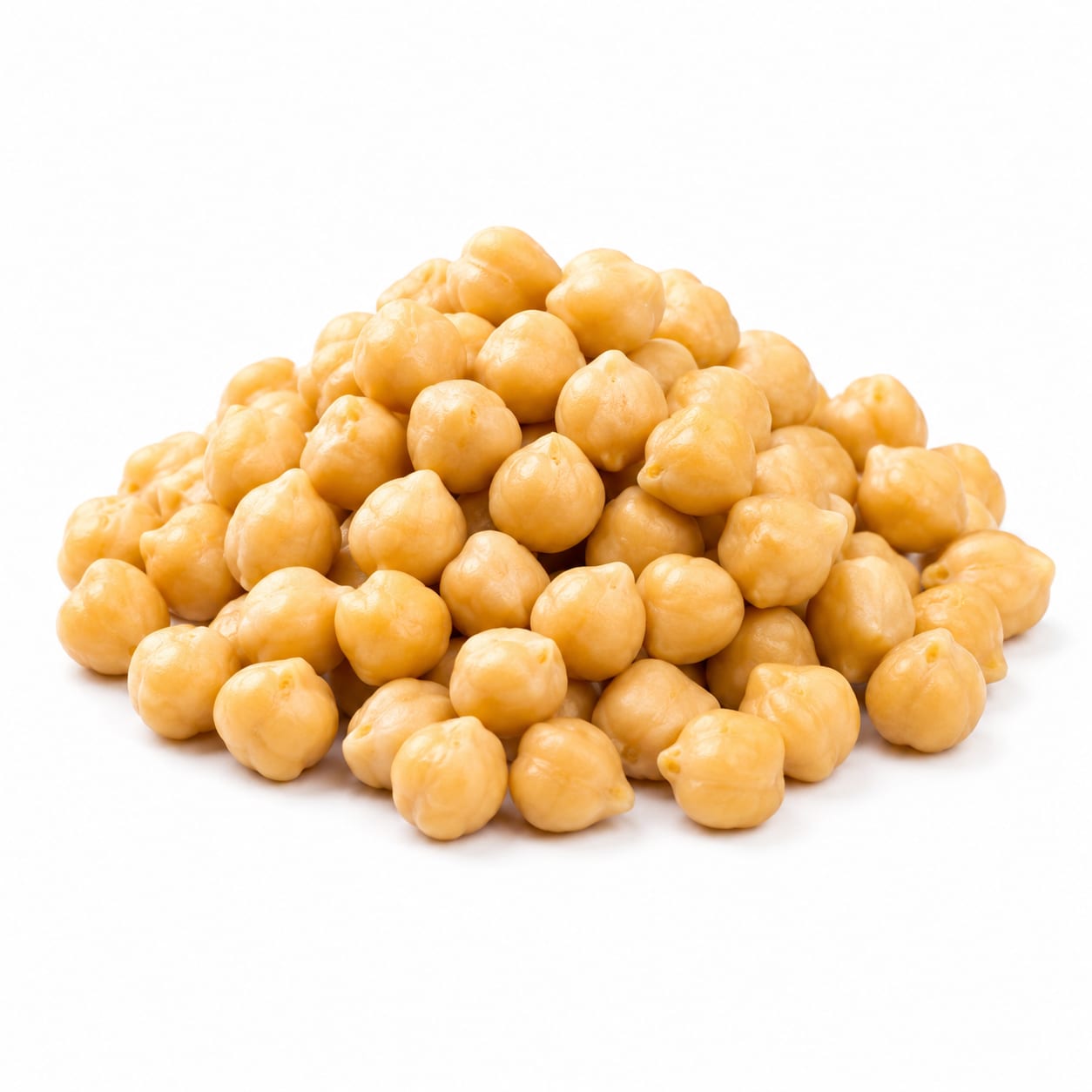
Garbanzo Bean
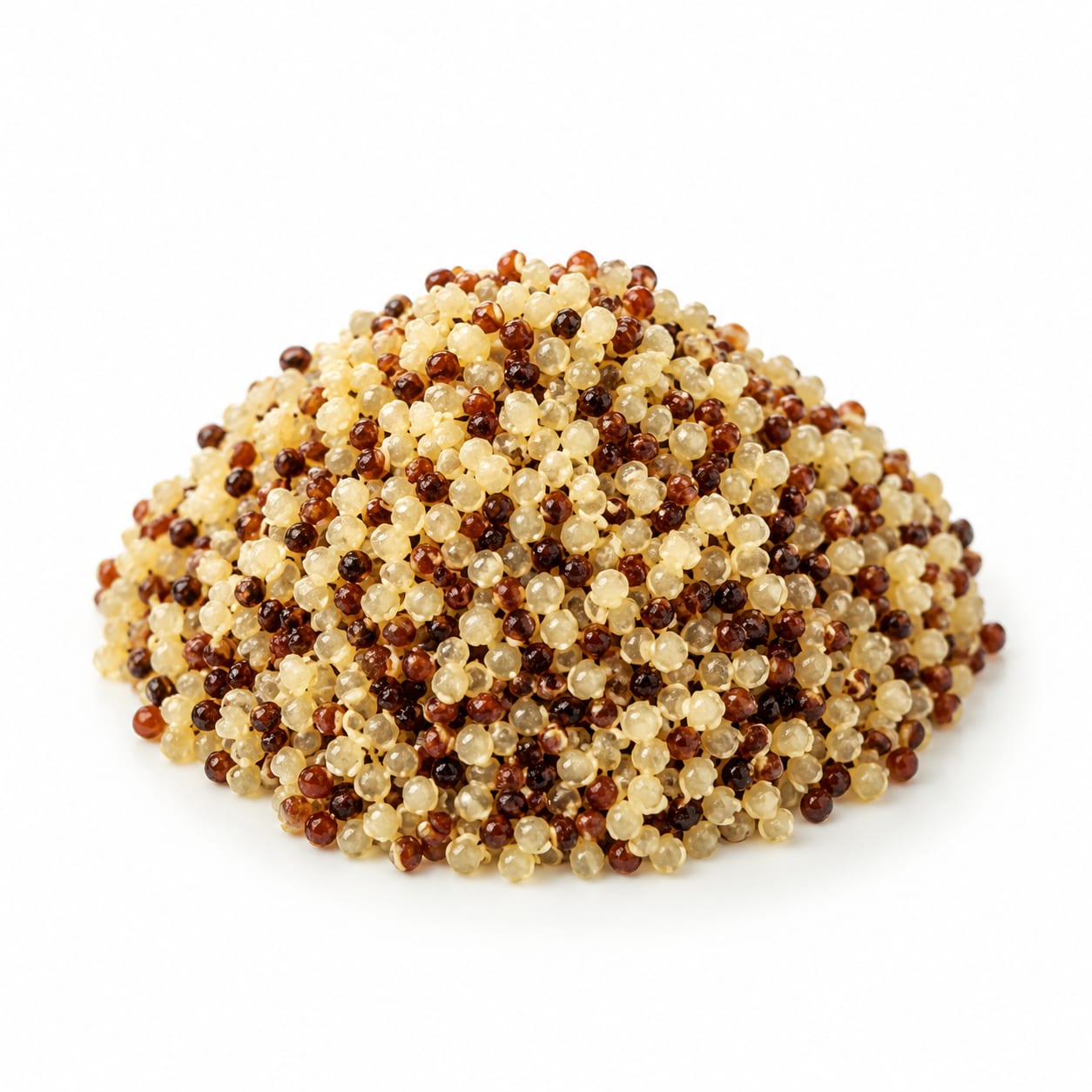
Quinoa
Garbanzo beans win on fiber, fullness, and cost. Quinoa wins on protein completeness, digestibility, and mineral diversity. Both are excellent — the right pick depends on what your plate is missing.
Scores are nearly tied because both foods excel in different areas. Garbanzo beans edge ahead slightly due to superior fiber content, lower cost, and stronger satiety — factors that matter more for everyday eating. Quinoa's complete protein is valuable but less impactful when you eat a varied diet.
More filling and cheaper versus more complete protein and easier digestion
At a glance
Executive summary
Overall
It depends
Healthier
It depends
More practical
Garbanzo Bean
Daily use
Garbanzo Bean
Key comparison lenses
plant-based protein source selection
Both are top vegetarian protein staples, so protein quality and completeness matter deeply here
meal satiety and fullness comparison
Fiber and protein differences directly affect how long you stay full after eating
blood sugar management
Both are carb-heavy foods, so glycemic impact is a real concern for many users
digestive tolerance and gut comfort
Garbanzo beans cause bloating for many; quinoa is generally gentler
budget-friendly daily staple choice
Cost difference is significant for people eating these foods daily
Best choice for
Garbanzo Bean
- People prioritizing gut health and fiber intake
- Budget-conscious meal preppers
- Anyone who needs long-lasting fullness between meals
- Those looking to support heart health through soluble fiber
Quinoa
- Vegetarians needing complete protein in one food
- People with sensitive digestion who struggle with beans
- Athletes recovering from training sessions
- Anyone wanting a lighter grain alternative that digests quickly
Least suitable for
Garbanzo Bean
- People with severe IBS or bean intolerance
- Those needing low-fiber diets temporarily
- Anyone wanting a quick-digesting pre-workout meal
Quinoa
- Strict budget households needing cheap calories
- People avoiding all seed-like grains due to autoimmune protocols
- Those who need maximum fiber per serving
Deep comparison
Dimension by dimension
Each lens scores both foods and breaks down who each option suits.
- Dimension 1 · Priority 95Quinoa
Protein Quality and Completeness
Garbanzo Bean · 70Quinoa · 92Quinoa provides all nine essential amino acids in one package. Garbanzo beans offer solid protein but are low in methionine.
Tradeoff
You get more total protein per calorie from garbanzo beans, but quinoa's protein is more usable by your body without combining foods
Why it matters
If most of your protein comes from plants, completeness matters more than total grams
Real-world impact
A quinoa bowl after a workout gives you recovery-ready protein without needing to add another protein source
Garbanzo Bean
- Higher total protein per cup when combined with grains
Better for
- Missing adequate methionine without grain pairing
Worse for
Quinoa
- Standalone complete protein source
- Better amino acid profile for muscle repair
- No need to pair with other proteins for balance
Better for
- Slightly less total protein per serving than garbanzo beans
Worse for
- Dimension 2 · Priority 92Garbanzo Bean
Fiber and Satiety
Garbanzo Bean · 94Quinoa · 62Garbanzo beans deliver over double the fiber per serving. This translates to noticeably longer-lasting fullness.
Tradeoff
More fiber means better satiety and gut health, but also more potential for bloating and gas
Why it matters
Fiber is the single most underrated factor in weight management and digestive health
Real-world impact
A garbanzo bean lunch keeps you full until dinner. A quinoa lunch might leave you snacking by 3pm.
Garbanzo Bean
- Over 12g fiber per cooked cup
- Resistant starch feeds beneficial gut bacteria
- Strong appetite suppression for hours
Better for
- High fiber can cause discomfort if you're not used to it
Worse for
Quinoa
- Gentler fiber that causes less bloating
Better for
- Only about 5g fiber per cup — underwhelming for a whole grain
Worse for
- Dimension 3 · Priority 88Garbanzo Bean
Blood Sugar Stability
Garbanzo Bean · 86Quinoa · 74Both are moderate-glycemic foods, but garbanzo beans' fiber and resistant starch create a slower, steadier blood sugar response.
Tradeoff
Quinoa digests faster, which is great post-workout but less ideal for sustained energy
Why it matters
Steady blood sugar means fewer energy crashes and fewer cravings later
Real-world impact
Garbanzo beans are less likely to trigger that afternoon energy dip that sends you reaching for coffee
Garbanzo Bean
- Lower glycemic load per serving
- Resistant starch blunts glucose spikes
- Better for insulin-sensitive individuals
Better for
- Carb content can add up in large portions
Worse for
Quinoa
- Faster energy availability after exercise
Better for
- Can cause a quicker blood sugar rise than bean-based meals
Worse for
- Dimension 4 · Priority 82Quinoa
Digestive Tolerance
Garbanzo Bean · 55Quinoa · 82Quinoa is gentle on most stomachs. Garbanzo beans are notorious for causing gas and bloating, especially if you're not a regular bean eater.
Tradeoff
The fiber that makes garbanzo beans so filling is the same fiber that causes digestive discomfort
Why it matters
A healthy food you can't comfortably eat is not actually healthy for you
Real-world impact
If beans make you bloated before a date or meeting, quinoa is the safer lunch choice
Garbanzo Bean
- Gut microbiome adapts over time with regular consumption
Better for
- Oligosaccharides cause significant gas production
- Can trigger IBS symptoms in susceptible people
Worse for
Quinoa
- Much less likely to cause gas or bloating
- Easier to eat before social situations
- Better tolerated by people with sensitive digestion
Better for
- Saponins can irritate if not rinsed before cooking
Worse for
- Dimension 5 · Priority 78Quinoa
Mineral Density and Micronutrients
Garbanzo Bean · 72Quinoa · 85Quinoa is richer in magnesium, manganese, and phosphorus. Garbanzo beans lead in folate and iron. Both are strong, just in different minerals.
Tradeoff
Quinoa supports bone and nerve health better; garbanzo beans support blood health and energy metabolism more
Why it matters
Mineral deficiencies are common and subtle — the right choice depends on what you're missing
Real-world impact
If you get muscle cramps or poor sleep, quinoa's magnesium helps. If you're low on energy, garbanzo beans' iron and folate matter more.
Garbanzo Bean
- Excellent folate source for cell repair
- Good iron content for energy and blood health
- High phosphorus for bone strength
Better for
- Lower in magnesium than quinoa
Worse for
Quinoa
- Outstanding magnesium for sleep and muscle function
- Rich in manganese for metabolism and antioxidant defense
- Better overall mineral diversity per serving
Better for
- Less folate and iron than garbanzo beans
Worse for
- Dimension 6 · Priority 75Garbanzo Bean
Cost and Accessibility
Garbanzo Bean · 94Quinoa · 58Dried garbanzo beans are one of the cheapest protein sources available. Quinoa costs 3-4 times more per serving.
Tradeoff
Garbanzo beans give you far more nutrition per dollar, but require soaking and longer cooking
Why it matters
If you eat these foods daily, cost compounds quickly over months and years
Real-world impact
Feeding a family of four on garbanzo beans is very affordable. The same with quinoa gets expensive fast.
Garbanzo Bean
- Extremely cheap in dried form
- Canned versions are still very affordable
- Available in virtually every grocery store worldwide
Better for
- Dried beans require overnight soaking or long cooking
Worse for
Quinoa
- Widely available in most stores now
- Quick cooking time saves energy costs
Better for
- Premium grain pricing adds up over time
- Organic quinoa can be very expensive
Worse for
Timeline
Health impact over time
Short-term
Hours to days
Garbanzo Bean
- Strong feeling of fullness within 30 minutes of eating
- Possible gas and bloating within 1-3 hours if not a regular bean consumer
- Steady energy without a sugar crash
- May feel heavy if eaten in large portions before physical activity
Quinoa
- Lighter, quicker-digesting meal that feels energizing
- Rinse-off saponins can cause mild bitterness if skipped
- Less bloating than beans for most people
- Faster hunger return compared to bean-based meals
Long-term
Months to years
Garbanzo Bean
- Improved gut microbiome diversity from regular resistant starch intake
- Better cholesterol levels from soluble fiber
- More stable blood sugar patterns over months
- Potential for improved regularity and digestive health
Quinoa
- Better magnesium status supporting sleep and muscle recovery
- Complete protein intake supports lean muscle maintenance with age
- Reduced inflammation from quinoa's antioxidant content
- Gluten-free grain option protects gut lining for sensitive individuals
Risk profile
Safety & processing
Both foods are whole, minimally processed options. Canned garbanzo beans may contain added sodium, so check labels or choose low-sodium versions. Quinoa requires rinsing to remove natural saponins but has no artificial additives.
Garbanzo Bean
BPA exposure from canned varieties
mediumMost canned garbanzo beans use BPA-lined cans. Choose tetra-pak or BPA-free cans, or cook from dried to avoid this entirely.
Lectin content
lowRaw garbanzo beans contain lectins that can cause digestive distress. Proper cooking eliminates this risk completely.
Pesticide residue on conventional crops
lowGarbanzo beans are not among the high-pesticide crops, but organic options exist if concerned.
Quinoa
Saponin irritation
lowNatural saponins on quinoa's coating can irritate the gut and taste bitter. Thorough rinsing before cooking resolves this.
Quinoa sensitivity
lowSome people report digestive discomfort from quinoa even after rinsing. This is uncommon but possible.
Cross-contamination with gluten grains
mediumIf you need strictly gluten-free quinoa, buy certified GF brands. Bulk bins and shared processing facilities create contamination risk.
Who wins for whom
Audience fit
Same foods, different winners depending on your goal.
children
QuinoaGentler digestion, milder flavor, and complete protein make it a more kid-friendly option
daily consumption
Garbanzo BeanLower cost, higher fiber, and better satiety make it more sustainable as an everyday staple
diabetes
Garbanzo BeanLower glycemic load and higher fiber create more predictable, manageable blood sugar responses
elderly
QuinoaEasier to digest, softer texture, and better magnesium for bone health matter more with age
muscle gain
QuinoaComplete protein with all essential amino acids supports muscle repair more effectively without food combining
weight loss
Garbanzo BeanDouble the fiber means double the staying power, making it easier to eat less between meals
Your move
Decision guide
Choose Garbanzo Bean
- You want to stay full for hours without snacking
- You're on a budget and need affordable nutrition
- Gut health and fiber intake are top priorities
- You're managing blood sugar or insulin resistance
- You don't mind cooking from dried or using canned versions
Choose Quinoa
- You need complete protein without combining foods
- Beans cause you uncomfortable bloating or gas
- You want a lighter meal that digests before exercise
- You're focused on magnesium intake for sleep or recovery
- You prefer a grain-like texture as a rice or pasta substitute
Either works if
- You eat a varied diet with other protein and fiber sources
- You're building a grain bowl and can use both together
- Cost is not a major factor in your food decisions
- Your digestion handles both foods comfortably
Avoid both if
- You're on a strict very-low-carb or keto diet
- You have severe digestive conditions that limit both beans and grains
- You need primarily fat-based calories for medical reasons
Final recommendation
Eat both — they complement each other perfectly. Garbanzo beans give you the fiber and fullness; quinoa gives you the complete protein and mineral diversity. A bowl combining both is nutritionally stronger than either alone. If you must pick one, choose garbanzo beans for everyday value and satiety, or quinoa when you need gentler digestion and complete protein in a single food.
Practical
Consumer tips
- 1
Rinse quinoa thoroughly before cooking to remove bitter saponins — this takes 30 seconds and makes a huge taste difference
- 2
Soak dried garbanzo beans overnight and discard the water to reduce gas-causing compounds significantly
- 3
Start with small portions of garbanzo beans if you're not used to eating them — your gut adapts over a week or two
- 4
Choose dried garbanzo beans over canned when possible — you avoid BPA, control sodium, and save money
- 5
Combine both in one meal: quinoa and garbanzo beans together create a complete, filling, balanced plant-based plate
- 6
If using canned garbanzo beans, rinse them well to remove about 40% of the sodium
- 7
Toast quinoa in a dry pan for 2 minutes before adding water — this adds a nutty flavor that makes it taste noticeably better