
Nutrition comparison
Garbanzo Beans vs Navy Beans: Nutrition, Fiber, and Health Comparison
Compare garbanzo beans and navy beans side by side. Discover which bean is better for blood sugar, weight loss, digestion, and daily nutrition with practical tradeoffs.
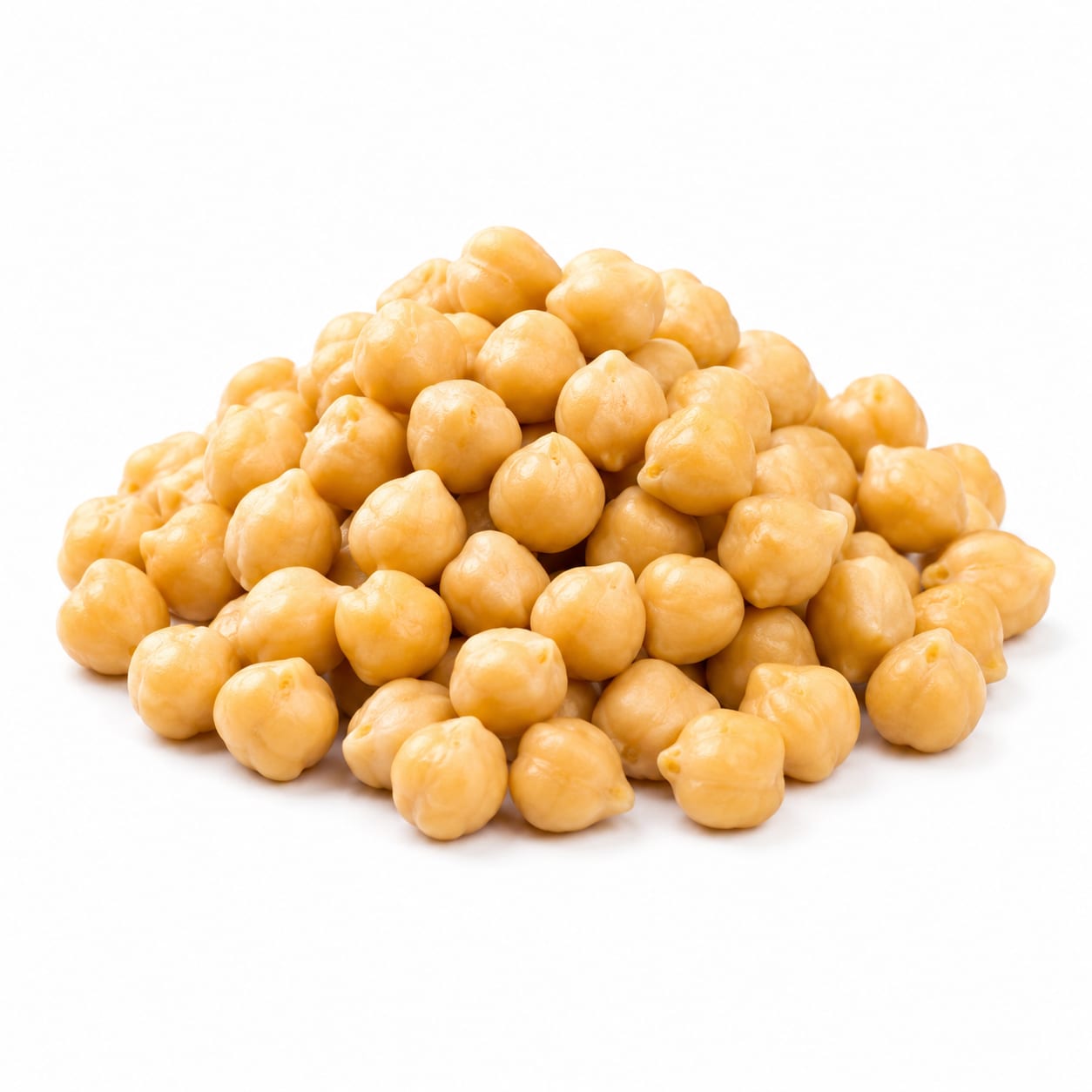
Garbanzo Bean
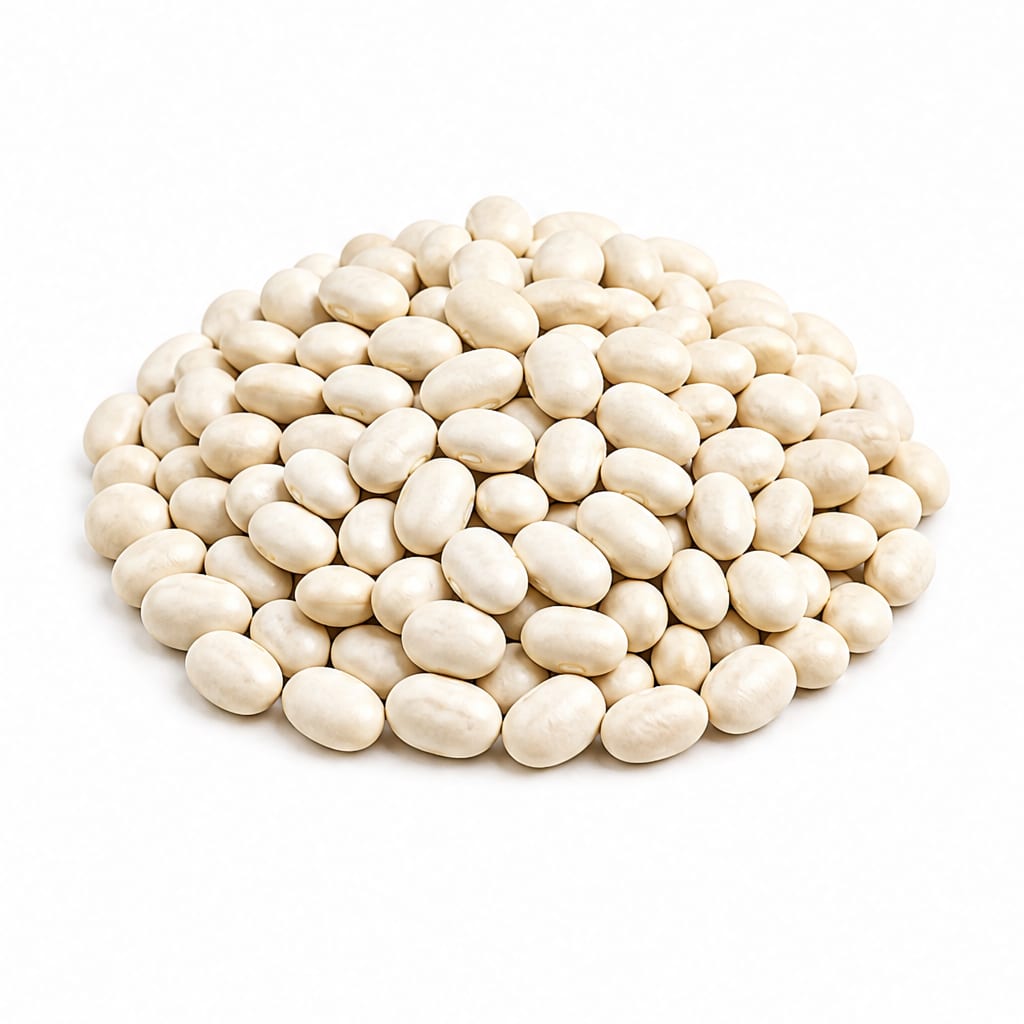
Navy Beans
Navy beans edge ahead for fiber, blood sugar control, and mineral density, while garbanzo beans win on versatility, iron content, and easier meal integration.
Navy beans score higher due to superior fiber, lower glycemic impact, and greater mineral density. Garbanzo beans remain strong thanks to versatility, iron content, and broader culinary appeal. The gap is modest because both are excellent nutrient-dense choices.
Navy beans give you more fiber and steadier blood sugar but are less versatile in the kitchen. Garbanzo beans fit into more meals but deliver less fiber per serving.
At a glance
Executive summary
Overall
It depends
Healthier
Navy Beans
More practical
Garbanzo Bean
Daily use
It depends
Key comparison lenses
fiber and blood sugar management
Both are high-fiber legumes but navy beans deliver significantly more fiber per serving, making blood sugar control the most meaningful differentiator
weight loss and satiety
Calorie density and fullness differ enough to impact weight management decisions
mineral density and bone health
Navy beans offer notably more calcium and potassium, relevant for bone and cardiovascular health
meal versatility and cooking convenience
Garbanzo beans hold shape better and integrate into more diverse cuisines, affecting long-term adherence
digestive tolerance
Bean selection often comes down to what your stomach can handle comfortably
Best choice for
Garbanzo Bean
- People who want a versatile bean for salads, curries, and snacking
- Anyone needing more iron in their diet
- Those who find navy beans too bland or texturally unappealing
- Meal preppers who want a bean that holds its shape over several days
Navy Beans
- People managing diabetes or prediabetes
- Anyone prioritizing digestive regularity and gut health
- Those seeking more calcium and potassium from food sources
- Budget-conscious eaters wanting maximum nutrition per calorie
Least suitable for
Garbanzo Bean
- People who need maximum fiber intake for blood sugar management
- Those strictly monitoring calorie intake who want the lowest calorie density
Navy Beans
- People unfamiliar with cooking legumes who need an easy entry point
- Anyone wanting a bean that works in Mediterranean or Middle Eastern recipes
Deep comparison
Dimension by dimension
Each lens scores both foods and breaks down who each option suits.
- Dimension 1 · Priority 95Navy Beans
fiber and digestive health
Garbanzo Bean · 72Navy Beans · 92Navy beans deliver roughly 50% more fiber per serving than garbanzo beans, making them significantly more effective for gut health and regularity.
Tradeoff
You gain digestive benefits with navy beans but lose the firmer texture that makes garbanzo beans enjoyable in salads and grain bowls.
Why it matters
Most people fall far short of daily fiber targets. Choosing the higher-fiber bean can meaningfully close that gap without changing anything else in your diet.
Real-world impact
A serving of navy beans gets you over 40% of your daily fiber needs versus roughly 28% from garbanzo beans. That difference shows up as better digestion and steadier energy.
Garbanzo Bean
- Those who experience bloating from very high fiber intake
Better for
- Those relying on beans as their primary fiber source
Worse for
Navy Beans
- Anyone struggling with constipation or irregular digestion
- People wanting to support a healthy gut microbiome
Better for
- People transitioning from low-fiber diets who need to increase fiber gradually
Worse for
- Dimension 2 · Priority 92Navy Beans
blood sugar stability
Garbanzo Bean · 74Navy Beans · 90Navy beans have a lower glycemic index and more fiber, resulting in slower glucose release and steadier blood sugar after meals.
Tradeoff
Navy beans are less exciting culinarily, so you may be tempted to add sugary sauces or sweeteners that undermine the blood sugar advantage.
Why it matters
Post-meal energy crashes are often driven by blood sugar spikes. The bean you choose can meaningfully change how you feel two hours after eating.
Real-world impact
A navy bean lunch keeps energy more stable through the afternoon. A garbanzo bean meal may cause a slightly quicker rise and dip, especially if paired with refined carbs.
Garbanzo Bean
- Active individuals who burn through carbohydrates quickly
Better for
- Those monitoring glycemic load closely
Worse for
Navy Beans
- People with diabetes or insulin resistance
- Anyone trying to eliminate afternoon energy crashes
Better for
- Endurance athletes who need faster carbohydrate availability during activity
Worse for
- Dimension 3 · Priority 82Navy Beans
mineral density
Garbanzo Bean · 73Navy Beans · 86Navy beans provide more calcium, potassium, and magnesium per serving. Garbanzo beans offer more iron and manganese.
Tradeoff
If you need iron, garbanzo beans are the better pick. If bone health and blood pressure are priorities, navy beans deliver more of what matters.
Why it matters
Mineral deficiencies are common and often overlooked. Choosing a mineral-dense bean is an easy way to improve intake without supplements.
Real-world impact
A cup of navy beans provides about 12% of daily calcium needs versus 4% from garbanzo beans. Over time, that gap compounds meaningfully for bone density.
Garbanzo Bean
- Women of reproductive age who need more iron
- Vegetarians and vegans relying on plant-based iron sources
Better for
- Those relying heavily on beans for calcium intake
Worse for
Navy Beans
- Older adults concerned about bone density
- People managing blood pressure through dietary potassium
Better for
- Anyone with iron deficiency who does not eat red meat
Worse for
- Dimension 4 · Priority 80Garbanzo Bean
versatility and meal integration
Garbanzo Bean · 90Navy Beans · 65Garbanzo beans hold their shape, absorb flavors well, and appear in cuisines worldwide. Navy beans tend to break down and work best in soups and stews.
Tradeoff
Garbanzo beans make meal planning easier and more enjoyable, but you sacrifice some nutritional density compared to navy beans.
Why it matters
The healthiest bean is the one you actually eat consistently. If navy beans feel limiting, you may cook them less often and lose the nutritional edge.
Real-world impact
Garbanzo beans work in hummus, grain bowls, curries, roasted snacks, and salads. Navy beans shine in baked beans, soups, and purées. The wider range means fewer boring meals.
Garbanzo Bean
- Home cooks who want one bean that works across many recipes
- Anyone meal prepping for the week who wants variety
Better for
- Those who prefer soft, creamy textures in their legumes
Worse for
Navy Beans
- Fans of traditional comfort foods like baked beans and ham soup
Better for
- Anyone who gets bored eating the same preparations repeatedly
Worse for
- Dimension 5 · Priority 75Navy Beans
protein quality and content
Garbanzo Bean · 76Navy Beans · 82Navy beans provide slightly more protein per calorie and a marginally better amino acid profile, though both are solid plant protein sources.
Tradeoff
The protein difference is small and unlikely to matter unless beans are your primary protein source.
Why it matters
For plant-based eaters, every gram of protein counts. Navy beans offer a slight edge that adds up over multiple weekly servings.
Real-world impact
A cup of navy beans gives roughly 15g of protein versus 14.5g for garbanzo beans. Over a week of regular consumption, the difference is noticeable but not dramatic.
Garbanzo Bean
- Those pairing beans with complete protein sources like quinoa or eggs
Better for
- Plant-based eaters trying to hit higher protein targets
Worse for
Navy Beans
- Vegans and vegetarians maximizing protein from each meal
Better for
- Anyone already exceeding protein needs from other sources
Worse for
- Dimension 6 · Priority 78Navy Beans
calorie efficiency
Garbanzo Bean · 70Navy Beans · 85Navy beans deliver more fiber and protein per calorie, making them more nutritionally efficient for weight management.
Tradeoff
Garbanzo beans contain more healthy fats, which increase calories but also improve satiety and nutrient absorption for fat-soluble vitamins.
Why it matters
If you are tracking calories, navy beans let you eat a larger volume of food for the same caloric cost, which helps with fullness.
Real-world impact
At roughly 220 calories per cup versus 270 for garbanzo beans, navy beans save you about 50 calories per serving while delivering more fiber and similar protein.
Garbanzo Bean
- Those who find lower-fat meals unsatisfying and need healthy fats to stay full
Better for
- Strict calorie counters trying to maximize volume
Worse for
Navy Beans
- Anyone counting calories who wants maximum fullness per calorie
- People aiming to lose weight without feeling deprived
Better for
- Those who feel unsatisfied without dietary fat in a meal
Worse for
Timeline
Health impact over time
Short-term
Hours to days
Garbanzo Bean
- Provides steady energy with a moderate glycemic response
- Healthy fats contribute to feeling satisfied after meals
- May cause mild bloating if you are not accustomed to high-fiber foods
- Iron content helps maintain energy levels throughout the day
Navy Beans
- Delivers very stable blood sugar with minimal post-meal spikes
- High fiber promotes comfortable digestion within hours of eating
- Can cause significant gas if introduced too quickly into the diet
- Potassium content may help reduce bloating from high-sodium meals
Long-term
Months to years
Garbanzo Bean
- Consistent intake supports heart health through fiber and healthy fats
- Iron contribution helps prevent deficiency-related fatigue over months
- Versatility makes long-term dietary adherence more sustainable
- Moderate fiber intake still reduces chronic disease risk significantly
Navy Beans
- Superior fiber intake strongly protects against colorectal cancer and cardiovascular disease
- High calcium and potassium intake supports bone density and blood pressure long-term
- Low glycemic load reduces lifetime diabetes risk when eaten regularly
- Maximum gut microbiome diversity support from exceptional fiber levels
Risk profile
Safety & processing
Both garbanzo beans and navy beans are whole, minimally processed foods when purchased dried or canned with minimal ingredients. Canned versions may contain added sodium, so rinsing or choosing low-sodium varieties is recommended for both.
Garbanzo Bean
canned sodium content
mediumCanned garbanzo beans often contain 400-500mg of sodium per serving. Rinsing reduces this by roughly 40%, but residual sodium remains a concern for salt-sensitive individuals.
purine content
lowGarbanzo beans contain moderate purines. People with gout may need to monitor intake, though the risk is lower than with animal-based purine sources.
Navy Beans
canned sodium content
mediumCanned navy beans frequently contain added salt similar to garbanzo beans. Low-sodium or no-salt-added varieties are preferable.
phytohemagglutinin toxicity from undercooking
lowRaw or undercooked navy beans contain lectins that can cause gastrointestinal distress. Thorough cooking eliminates this risk entirely.
Who wins for whom
Audience fit
Same foods, different winners depending on your goal.
children
Garbanzo BeanGarbanzo beans are more visually appealing, have a friendlier texture, and can be made into hummus or roasted snacks that kids actually enjoy eating.
daily consumption
It dependsNavy beans are nutritionally superior for daily use, but garbanzo beans are more likely to be eaten daily due to versatility. The best choice is whichever you will consistently include in meals.
diabetes
Navy BeansNavy beans have a lower glycemic index and more fiber, resulting in significantly better blood sugar control after meals.
elderly
Navy BeansNavy beans provide more calcium for bone density and more potassium for blood pressure management, both critical concerns for older adults.
muscle gain
It dependsBoth provide similar protein content. Garbanzo beans pair better with diverse post-workout meals, while navy beans offer slightly more protein per serving. The difference is negligible for muscle building.
weight loss
Navy BeansNavy beans offer more fiber and protein per calorie, helping you feel fuller on fewer calories. The lower energy density makes portion control easier.
Your move
Decision guide
Choose Garbanzo Bean
- You want a bean that works in everything from salads to smoothies to snacks
- Iron intake is a priority for you
- You find navy beans boring or difficult to incorporate into your cooking
- You are feeding children or picky eaters who need approachable textures
- You regularly make hummus, curries, or Mediterranean dishes
Choose Navy Beans
- You are managing diabetes, prediabetes, or insulin resistance
- Digestive regularity and gut health are top priorities
- You want maximum nutrition per calorie for weight management
- Bone health and blood pressure are ongoing concerns
- You enjoy soups, stews, and comfort food preparations
Either works if
- You simply want to add more legumes to your diet and will eat whichever is available
- You are already eating a varied diet with multiple protein and fiber sources
- You rotate between different beans weekly for nutrient diversity
Avoid both if
- You have a diagnosed legume allergy
- You are in an acute gout flare and your doctor has advised limiting purine intake
- You experience severe digestive distress from all beans despite gradual introduction
Final recommendation
Keep both in your pantry. Use navy beans when blood sugar control and maximum fiber matter most, such as in soups and stews. Use garbanzo beans when you need versatility and meal enjoyment, such as in salads, bowls, and dips. Rotating between them gives you the broadest nutritional coverage and prevents meal fatigue.
Practical
Consumer tips
- 1
Rinse canned beans thoroughly to remove roughly 40% of added sodium and reduce gas-causing oligosaccharides
- 2
If cooking from dried, soak beans for 8-12 hours and discard the soaking water to improve digestibility
- 3
Introduce either bean gradually if you are not used to high-fiber foods. Start with a quarter cup and increase over two weeks
- 4
Add a strip of kombu seaweed when cooking dried beans. It helps soften them and reduces gas-producing compounds
- 5
Roasted garbanzo beans make an excellent crunchy snack. Toss with olive oil and spices, then bake at 400°F for 25-30 minutes
- 6
Navy beans mash beautifully into a creamy base for dips and spreads as an alternative to hummus
- 7
Freeze cooked beans in portioned bags. They thaw quickly and eliminate the wait time of cooking from dried
- 8
Pair either bean with a vitamin C source like lemon juice or bell peppers to significantly boost iron absorption