
Nutrition comparison
Garbanzo Beans vs Lima Beans: Nutrition, Protein, Safety, and Which to Choose
Compare garbanzo beans and lima beans on protein, potassium, blood sugar impact, safety, and culinary versatility. Find out which legume fits your health goals and cooking style.
Overall winner · Garbanzo Bean
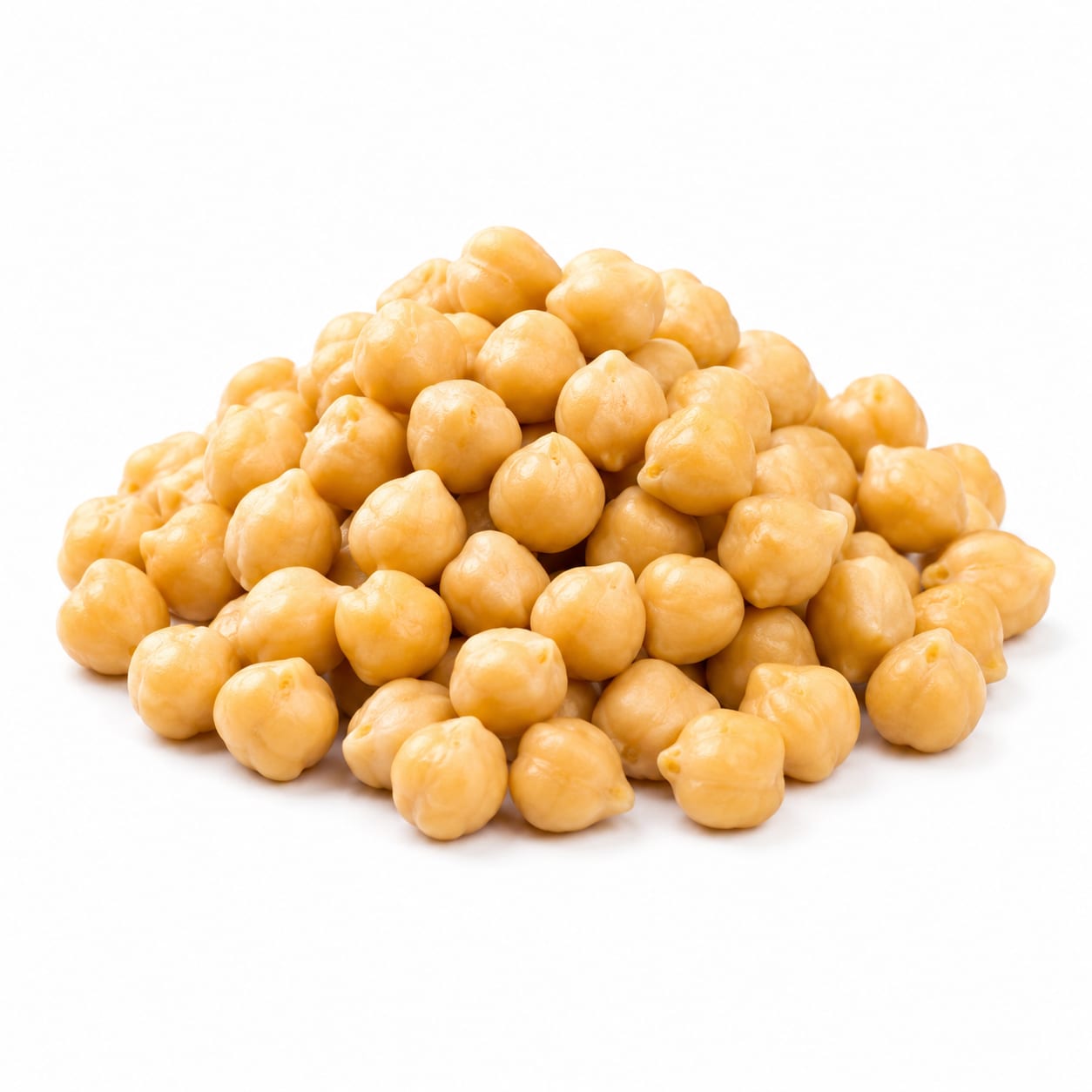
Garbanzo Bean
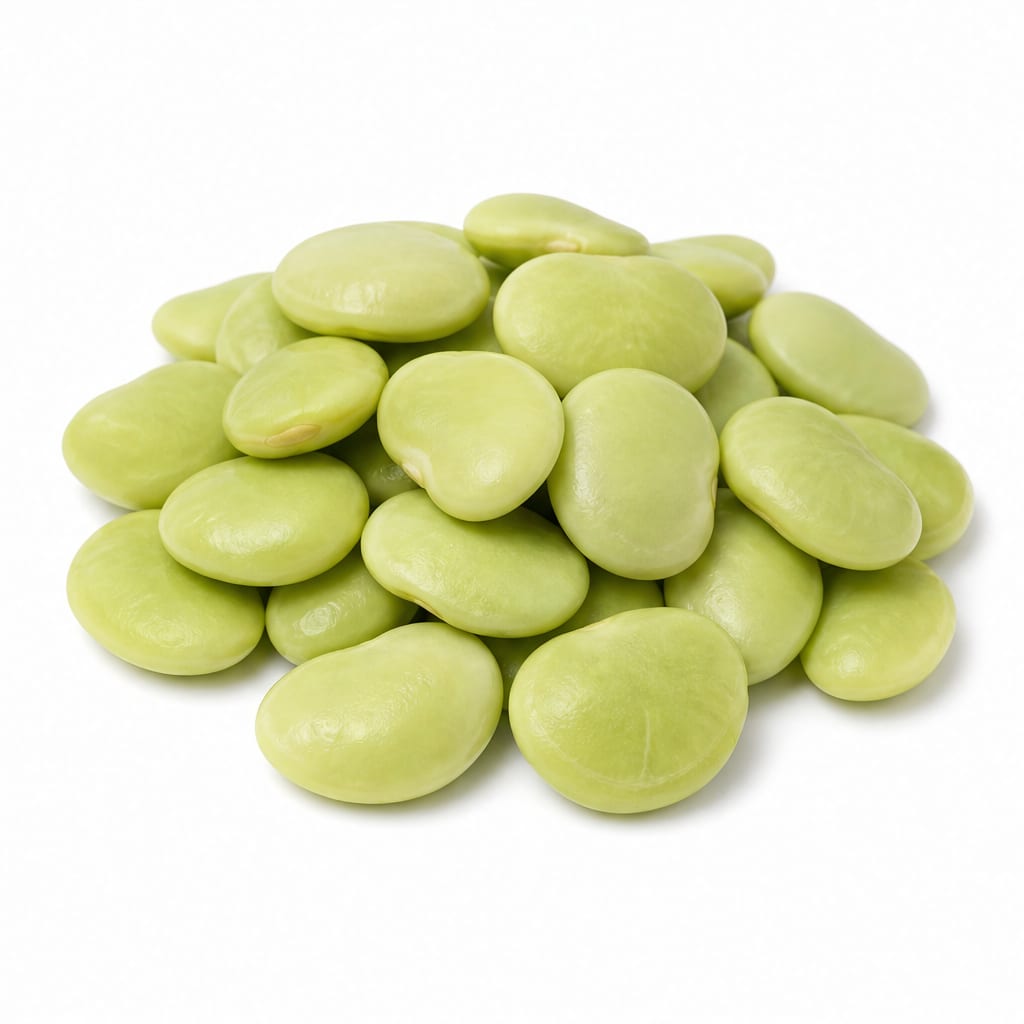
Lima Beans
Garbanzo beans edge out lima beans thanks to higher protein, broader culinary versatility, and no special safety prep — though lima beans offer more potassium and a creamier comfort-food texture.
Garbanzo beans score higher primarily on protein density, culinary flexibility, and safety simplicity. Lima beans remain nutritionally valuable but are held back by lower protein, higher starch, and the need for careful preparation to neutralize naturally occurring cyanogenic compounds.
Garbanzo beans give you more protein and easier everyday use; lima beans give you more potassium, a starchier bite, and a comfort-food quality that garbanzo beans cannot replicate.
At a glance
Executive summary
Overall
Garbanzo Bean
Healthier
Garbanzo Bean
More practical
Garbanzo Bean
Daily use
Garbanzo Bean
Key comparison lenses
plant-based protein quality and quantity
Both are legumes frequently chosen for protein, so the protein differential matters significantly for meal planning
blood sugar management and glycemic impact
Carb profile and fiber type differ meaningfully between these beans, affecting energy stability
digestive tolerance and gas production
Legume comparisons always raise digestive comfort concerns for everyday eaters
cooking versatility and recipe integration
Garbanzo beans appear in far more recipes and cuisines, making practicality a key differentiator
safety and preparation requirements
Lima beans contain cyanogenic glycosides requiring proper cooking, a unique safety consideration
Best choice for
Garbanzo Bean
- People prioritizing protein intake from plants
- Meal preppers who want one bean for salads, bowls, and dips
- Anyone avoiding extra cooking steps or safety concerns
- Those managing blood sugar who want lower starch density
Lima Beans
- People needing more potassium for blood pressure support
- Those craving a creamy, buttery side dish
- Anyone wanting a higher-calorie legume for weight gain or endurance
- Home cooks exploring Southern or Americas-inspired cuisine
Least suitable for
Garbanzo Bean
- People bored of chickpea-heavy meal prep rotations
- Those specifically seeking a soft, starchy comfort food texture
Lima Beans
- Anyone unwilling to ensure thorough cooking before eating
- People on low-carb or keto-adjacent eating styles
- Those sensitive to higher starch loads and blood sugar spikes
Deep comparison
Dimension by dimension
Each lens scores both foods and breaks down who each option suits.
- Dimension 1 · Priority 92Garbanzo Bean
Protein Content and Quality
Garbanzo Bean · 82Lima Beans · 62Garbanzo beans deliver roughly 50% more protein per cooked cup than lima beans, making them the clear choice for plant-based protein goals.
Tradeoff
You sacrifice some of the creamy mouthfeel and potassium that lima beans provide when you choose garbanzo beans for protein.
Why it matters
For anyone relying on legumes as a primary protein source, this gap compounds over every meal across the week.
Real-world impact
A lunch bowl with garbanzo beans keeps you fuller longer after your afternoon meeting than the same bowl with lima beans.
Garbanzo Bean
- Vegans and vegetarians tracking protein
- Athletes adding plant protein to meals
Better for
- Situations where you want a carb-heavy recovery meal
Worse for
Lima Beans
- Endurance athletes who want more carbs alongside moderate protein
Better for
- Anyone trying to hit high protein targets without supplements
Worse for
- Dimension 2 · Priority 85Garbanzo Bean
Blood Sugar Stability
Garbanzo Bean · 76Lima Beans · 58Garbanzo beans have a lower glycemic load per serving due to less starch and a favorable fiber-to-carb ratio. Lima beans are starchier and can cause a quicker blood sugar rise.
Tradeoff
Lima beans provide faster energy for active people but less steadiness for those watching glucose.
Why it matters
The difference matters most for prediabetics, people with insulin resistance, or anyone trying to avoid the afternoon energy crash.
Real-world impact
Eating lima beans at lunch without a protein pairing may leave you reaching for a snack by 3 PM, while garbanzo beans hold you longer.
Garbanzo Bean
- People with prediabetes or insulin resistance
- Anyone trying to avoid energy crashes between meals
Better for
- Post-workout windows where rapid glycogen replenishment is the goal
Worse for
Lima Beans
- Athletes refueling after intense training
- People who need faster carbohydrate availability
Better for
- Sedentary days where high starch intake is unnecessary
Worse for
- Dimension 3 · Priority 80It depends
Micronutrient Density
Garbanzo Bean · 74Lima Beans · 76Lima beans win on potassium, manganese, and magnesium. Garbanzo beans win on folate, iron, and zinc. The winner depends on which nutrients you personally need more of.
Tradeoff
Choosing lima beans supports electrolyte balance and bone health; choosing garbanzo beans supports blood health and immunity.
Why it matters
People rarely think about legumes as micronutrient decisions, but the gap in potassium alone can matter for blood pressure management.
Real-world impact
If your doctor said to eat more potassium, lima beans are the smarter pick. If you are borderline anemic, garbanzo beans serve you better.
Garbanzo Bean
- Women of reproductive age needing folate
- Anyone with low iron or at risk for anemia
Better for
- Those specifically targeting potassium goals
Worse for
Lima Beans
- People managing hypertension through dietary potassium
- Older adults needing magnesium for sleep and bone health
Better for
- Pregnant women prioritizing folate intake
Worse for
- Dimension 4 · Priority 78It depends
Digestive Comfort and Tolerance
Garbanzo Bean · 65Lima Beans · 68Both beans cause gas and bloating for unaccustomed eaters. Lima beans are slightly easier to digest for some people due to their softer starch structure, but individual responses vary widely.
Tradeoff
Neither bean is truly gentle on a sensitive gut, but gradual introduction and proper cooking make both tolerable for most people.
Why it matters
Digestive discomfort is the number one reason people abandon legumes, so this dimension affects long-term adherence more than any nutrient profile.
Real-world impact
Starting with small portions of either bean a few times a week lets your gut microbiome adapt without the socially awkward side effects.
Garbanzo Bean
- People already accustomed to chickpeas from regular hummus consumption
Better for
- People with sensitive stomachs unaccustomed to higher-fiber legumes
Worse for
Lima Beans
- Those who find firmer beans harder to break down
Better for
- Anyone who undercooks them, which worsens digestibility significantly
Worse for
- Dimension 5 · Priority 82Garbanzo Bean
Culinary Versatility and Convenience
Garbanzo Bean · 90Lima Beans · 52Garbanzo beans appear in hummus, curries, salads, roasted snacks, stews, and pasta dishes across dozens of cuisines. Lima beans have a narrower recipe footprint, mostly appearing in Southern, Caribbean, and South American dishes.
Tradeoff
You gain endless recipe options with garbanzo beans but miss the distinct buttery comfort that lima beans bring to their traditional preparations.
Why it matters
The bean you can cook ten different ways is the bean you will actually eat consistently, and consistency beats perfection in nutrition.
Real-world impact
A can of garbanzo beans can become a quick hummus, a salad topper, or a roasted snack in under 30 minutes. Lima beans really shine in soups and stews but lack that range.
Garbanzo Bean
- Meal preppers who want one ingredient for multiple weekly recipes
- Home cooks who value quick pantry meals
- Anyone new to cooking legumes from scratch
Better for
- Anyone tired of chickpea-centric meal plans and wanting variety
Worse for
Lima Beans
- Cooks specializing in Southern or Latin American cuisine
- People who enjoy slow-cooked comfort food preparations
Better for
- Busy weeknight cooks who need fast, flexible ingredients
Worse for
- Dimension 6 · Priority 75Garbanzo Bean
Safety and Preparation Requirements
Garbanzo Bean · 90Lima Beans · 55Raw lima beans contain cyanogenic glycosides that release cyanide if not cooked thoroughly. Garbanzo beans have no such risk and only require standard cooking or rinsing from a can.
Tradeoff
Lima beans are perfectly safe when properly cooked, but the extra vigilance required adds friction that most home cooks do not want.
Why it matters
This is not a theoretical concern — undercooked lima beans have caused real poisoning incidents, especially with certain varieties grown in specific regions.
Real-world impact
If you are cooking for children or distracted weeknight dinners, garbanzo beans remove one layer of worry entirely.
Garbanzo Bean
- Families cooking for young children
- Anyone who wants zero food safety anxiety from their beans
Better for
- No meaningful safety downside
Worse for
Lima Beans
- Experienced cooks comfortable with thorough boiling and draining
Better for
- Impatient cooks who might undercook
- People using slow cookers without pre-boiling, which may not neutralize toxins adequately
Worse for
Timeline
Health impact over time
Short-term
Hours to days
Garbanzo Bean
- Steady energy release with minimal blood sugar spike when paired with vegetables
- Moderate gas and bloating if your body is not used to the fiber load
- Satisfying fullness that reduces between-meal snacking
Lima Beans
- Faster energy availability from higher starch content, useful after physical activity
- More pronounced bloating if eaten in large portions without gradual introduction
- Risk of nausea or headache if undercooked due to residual cyanogenic compounds
Long-term
Months to years
Garbanzo Bean
- Improved heart health from consistent fiber and folate intake
- Better iron status over time, particularly valuable for menstruating women
- Sustained gut microbiome diversity from regular prebiotic fiber consumption
Lima Beans
- Lower blood pressure over time thanks to high potassium content
- Stronger bones supported by manganese and magnesium
- Potential for better electrolyte balance in hot climates or during heavy training
Risk profile
Safety & processing
Both garbanzo beans and lima beans are whole, minimally processed foods when bought dried or canned with no added ingredients. Canned versions may contain added sodium, so rinsing is recommended for both. Neither carries concerns about artificial additives, emulsifiers, or preservatives beyond standard canning salt.
Garbanzo Bean
Canned sodium load
lowCanned garbanzo beans can contain 400-700mg sodium per cup. Rinsing reduces this by roughly 40%, which is a simple habit worth building.
Lima Beans
Cyanogenic glycoside exposure from undercooking
highRaw lima beans contain linamarin, which converts to hydrogen cyanide. Boiling for at least 10 minutes destroys the enzyme responsible. Slow cookers alone may not reach sufficient temperatures quickly enough to neutralize the toxin. Always pre-boil lima beans before using in any other cooking method.
Canned sodium load
lowSame concern as garbanzo beans. Rinsing canned lima beans significantly reduces sodium content.
Who wins for whom
Audience fit
Same foods, different winners depending on your goal.
children
Garbanzo BeanHummus and roasted chickpeas are kid-friendly entry points to legumes. Lima beans carry the cyanogenic compound risk if undercooked, which adds unnecessary concern for parents.
daily consumption
Garbanzo BeanMore recipes, easier prep, no safety caveats, and better protein make garbanzo beans the more sustainable daily choice for most people.
diabetes
Garbanzo BeanLower glycemic load and higher protein-to-carb ratio make garbanzo beans gentler on blood sugar. Lima beans are not forbidden but require more careful portioning.
elderly
It dependsGarbanzo beans support iron and folate status, which often decline with age. Lima beans support potassium and magnesium, which help with blood pressure and bone density. Choose based on individual health priorities.
muscle gain
Garbanzo BeanThe protein advantage of garbanzo beans matters more for muscle gain than the extra carbs in lima beans, though neither is a top-tier protein source on its own.
weight loss
Garbanzo BeanGarbanzo beans offer more protein and slightly fewer calories per cup, keeping you fuller on less. Lima beans are starchier and more calorie-dense, making portion control harder.
Your move
Decision guide
Choose Garbanzo Bean
- Protein intake is a priority for your meals
- You want one versatile bean for salads, dips, and grain bowls
- You prefer minimal food safety concerns during weeknight cooking
- You are managing blood sugar or trying to stay full between meals
Choose Lima Beans
- You need more potassium in your diet for blood pressure management
- You are cooking a traditional Southern, Caribbean, or South American recipe
- You want a creamier, more comforting side dish texture
- You are an endurance athlete needing extra starch for recovery
Either works if
- You are simply trying to eat more legumes and both are available
- You rotate beans weekly for microbiome diversity
- You are already hitting protein and potassium targets from other sources
Avoid both if
- You have a diagnosed legume allergy or sensitivity
- You are on a very low-carb diet and cannot accommodate the starch content
- You experience severe digestive distress from all beans despite gradual introduction
Final recommendation
Make garbanzo beans your default legume for everyday meals — they are more versatile, higher in protein, and simpler to prepare safely. Keep lima beans in your rotation for their potassium and comfort-food appeal, especially in soups and stews where their creamy texture shines. Variety between the two gives you the broadest micronutrient coverage, but if you must pick one for weekly consistency, garbanzo beans are the stronger all-around choice.
Practical
Consumer tips
- 1
Rinse canned beans of either type to remove roughly 40% of the added sodium
- 2
Always boil lima beans for at least 10 minutes before using in any other cooking method — never rely on a slow cooker alone
- 3
Start with half-cup portions of either bean if you are not used to eating legumes regularly, then increase gradually over two weeks
- 4
Roast drained garbanzo beans with olive oil and spices at 400°F for 25 minutes for a crunchy snack that beats chips
- 5
Freeze cooked garbanzo beans in portioned bags so you always have a quick protein addition ready for salads and bowls
- 6
If lima beans cause bloating, try soaking dried beans overnight and discarding the water before cooking — this reduces oligosaccharides responsible for gas