
Nutrition comparison
Garbanzo Beans vs Lentils: Which Legume Is Better for You?
Compare garbanzo beans and lentils on protein, iron, cooking time, blood sugar impact, and digestibility. Find out which legume fits your health goals better.
Overall winner · Lentils
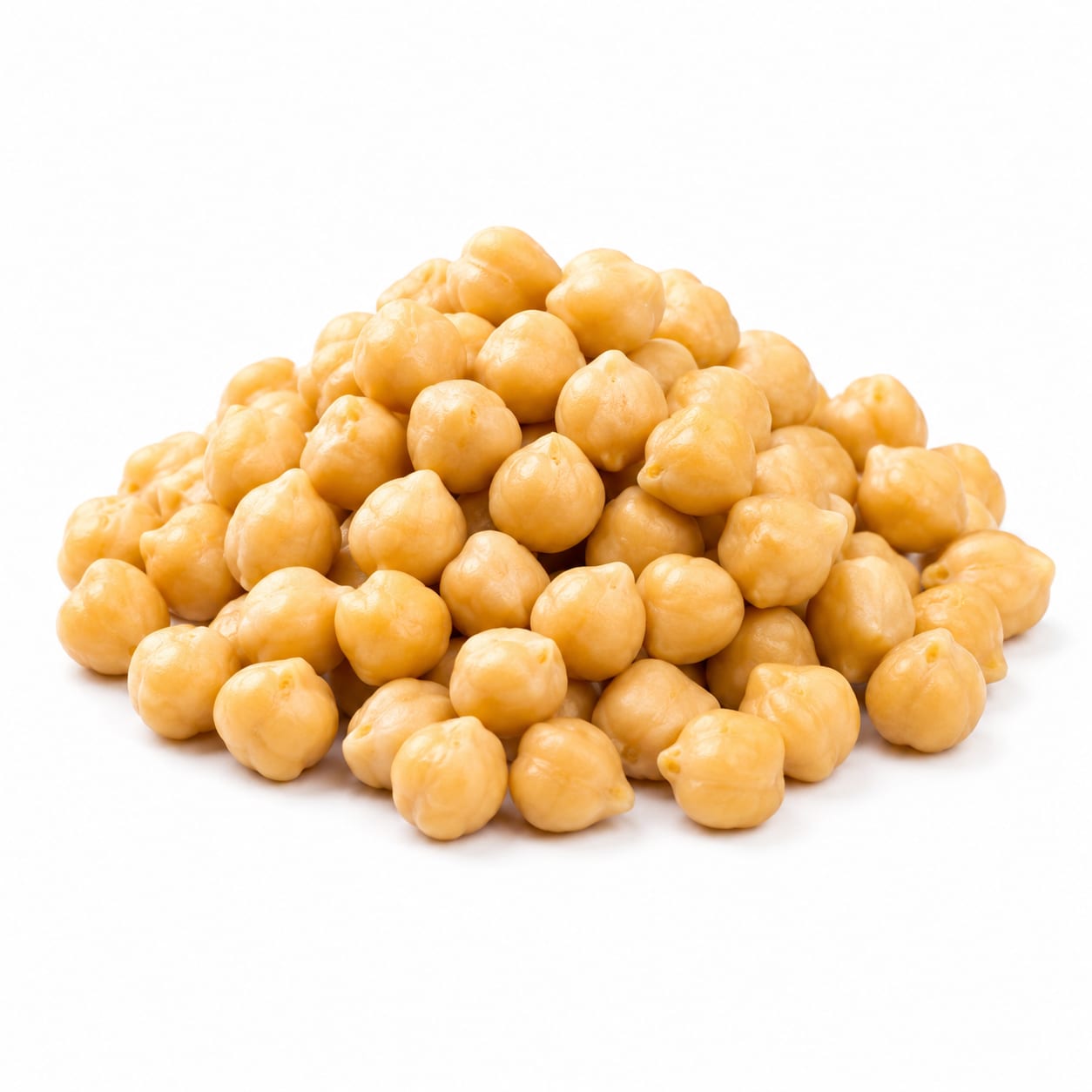
Garbanzo Bean
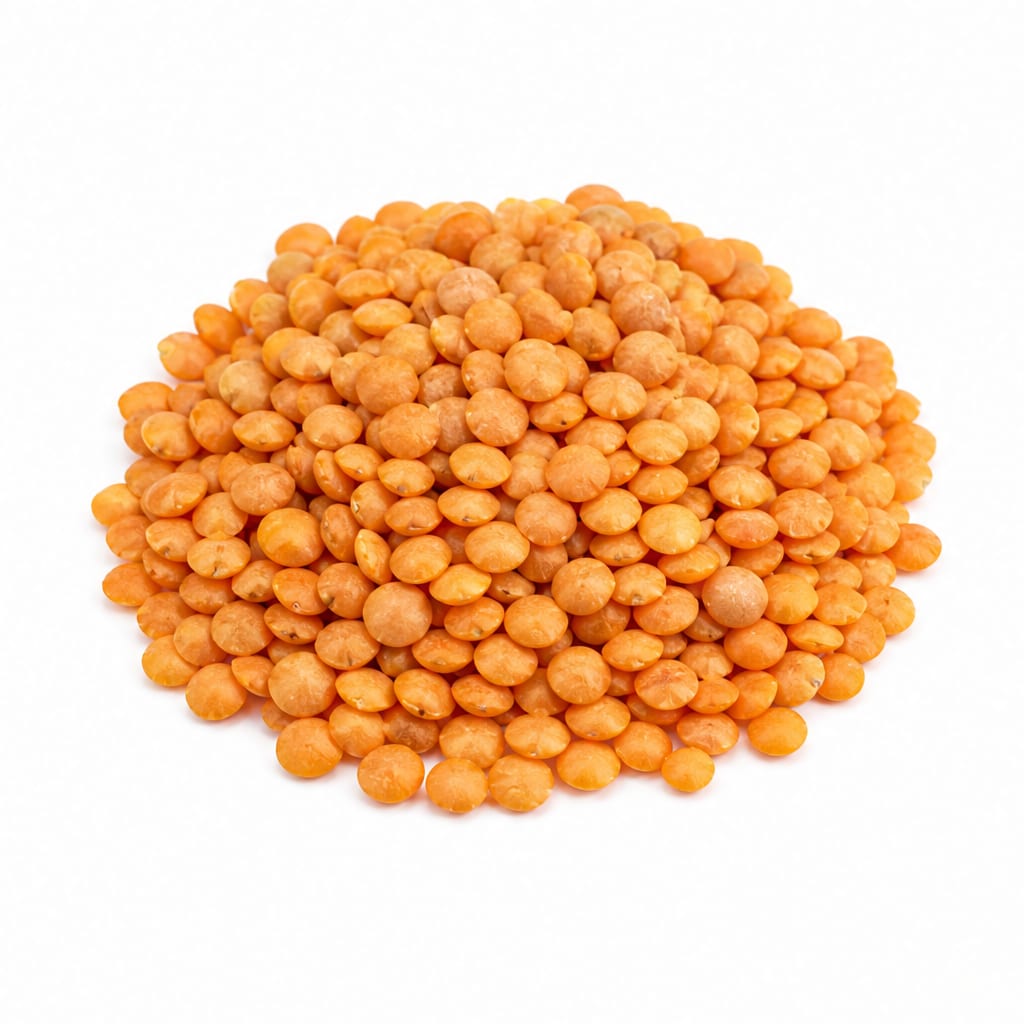
Lentils
Lentils edge out garbanzo beans with more protein, more iron, faster cooking, and steadier blood sugar — but garbanzo beans win on versatility and creamy satisfaction.
Lentils score higher due to superior protein density, iron content, faster cooking time, and lower glycemic impact. Garbanzo beans remain strong for versatility and satisfaction but lag on raw nutritional efficiency per calorie.
Lentils give you better nutritional density and weeknight speed, while garbanzo beans offer more culinary flexibility and a richer, more satisfying mouthfeel.
At a glance
Executive summary
Overall
Lentils
Healthier
Lentils
More practical
Lentils
Daily use
Lentils
Key comparison lenses
plant-based protein efficiency
Both are top vegetarian protein sources, so protein density and quality per calorie matters enormously
meal prep and cooking convenience
Lentils cook far faster than garbanzo beans, which heavily influences daily practicality
blood sugar and energy stability
Both are staple carbs for health-conscious eaters, so glycemic impact is a real daily concern
digestive tolerance and gut comfort
Legumes are notorious for bloating, and tolerance differs significantly between these two
iron and mineral density
Both are relied on for iron in plant-based diets, but lentils deliver substantially more
Best choice for
Garbanzo Bean
- Salad toppers and grain bowls needing firm texture
- Hummus and dip lovers
- Roasted crunchy snack seekers
- Mediterranean and Middle Eastern recipe authenticity
- Those wanting higher fat content for satiety
Lentils
- Quick weeknight dinners under 30 minutes
- Plant-based iron deficiency concerns
- Highest protein per calorie priority
- Blood sugar management and steady energy
- Soup and stew thickening without cream
Least suitable for
Garbanzo Bean
- Last-minute meals needing fast cooking
- Those sensitive to higher fat intake from legumes
- People wanting maximum protein efficiency per serving
Lentils
- Recipes requiring a firm, hold-their-shape bean
- Hummus or falafel preparations
- Those who find the earthy lentil flavor unappealing
Deep comparison
Dimension by dimension
Each lens scores both foods and breaks down who each option suits.
- Dimension 1 · Priority 95Lentils
Protein Density and Quality
Garbanzo Bean · 70Lentils · 90Lentils deliver roughly 18g protein per cooked cup versus 15g for garbanzo beans, with fewer calories carrying that protein.
Tradeoff
Garbanzo beans offer slightly more protein per bite when volume is your goal, but lentils win on protein-per-calorie efficiency.
Why it matters
If you are eating plant-based, every gram of protein efficiency counts toward staying full and maintaining muscle.
Real-world impact
A lentil-based dinner leaves you more protein-room for other foods, while garbanzo beans use more of your calorie budget for less protein return.
Garbanzo Bean
- Higher calorie meals where volume eating feels satisfying
Better for
- Strict calorie-controlled diets
Worse for
Lentils
- Lean bulking or cutting phases
- Maximizing protein without excess calories
Better for
- Those who find high-protein meals too heavy
Worse for
- Dimension 2 · Priority 88Lentils
Cooking Speed and Convenience
Garbanzo Bean · 45Lentils · 88Red and yellow lentils cook in 15-20 minutes. Garbanzo beans need 60-90 minutes even after soaking.
Tradeoff
Canned garbanzo beans close the convenience gap, but lentils still win on from-scratch speed and texture control.
Why it matters
When you are tired at 6pm, a 15-minute lentil dal beats an hour of simmering garbanzo beans every time.
Real-world impact
Lentils make spontaneous home cooking realistic. Garbanzo beans require planning or reliance on canned versions with higher sodium.
Garbanzo Bean
- Meal prep sessions where you cook large batches ahead
- Slow cooker recipes
Better for
- Impromptu cooking without canned backup
Worse for
Lentils
- Weeknight dinners after a long workday
- Last-minute soup or stew additions
Better for
- Recipes specifically needing a firm, slow-cooked bean texture
Worse for
- Dimension 3 · Priority 82Lentils
Blood Sugar Stability
Garbanzo Bean · 68Lentils · 85Lentils have a lower glycemic index (around 32) compared to garbanzo beans (around 36), with more fiber slowing glucose absorption.
Tradeoff
Both are excellent low-GI choices compared to grains or potatoes, but lentils provide a slight edge for steadier energy.
Why it matters
That afternoon energy crash often comes from blood sugar dips. Lentils help smooth that curve a bit better.
Real-world impact
A lentil-based lunch keeps you focused longer. Garbanzo beans are still great, but the difference is noticeable over hours.
Garbanzo Bean
- Moderate-GI meals paired with fats and greens
Better for
- Those needing the tightest glycemic control
Worse for
Lentils
- Diabetics managing post-meal glucose
- Anyone fighting the 3pm energy slump
Better for
- People who find very low-GI meals unsatisfying without added fats
Worse for
- Dimension 4 · Priority 75Lentils
Iron and Mineral Density
Garbanzo Bean · 60Lentils · 85Lentils provide roughly 6.6mg iron per cooked cup versus 4.7mg for garbanzo beans — a meaningful gap for plant-based eaters.
Tradeoff
Garbanzo beans offer more copper and manganese, but lentils dominate on the iron that vegetarians struggle to get enough of.
Why it matters
Iron deficiency is the most common nutrient gap in plant-based diets. Lentils are one of the best non-meat sources available.
Real-world impact
Regular lentil consumption can meaningfully reduce fatigue and brain fog linked to low iron, especially for women.
Garbanzo Bean
- Those with adequate iron who want broader trace mineral coverage
Better for
- Those relying on legumes as their primary iron source
Worse for
Lentils
- Plant-based eaters concerned about iron
- Women of reproductive age
- Frequent blood donors
Better for
- People with iron overload conditions like hemochromatosis
Worse for
- Dimension 5 · Priority 78It depends
Digestive Tolerance
Garbanzo Bean · 65Lentils · 70Both cause gas and bloating for some people, but lentils — especially red ones — are often easier to digest due to thinner skins.
Tradeoff
Garbanzo beans have thicker skins and more resistant starch, which feeds gut bacteria but causes more initial bloating.
Why it matters
If legumes make you uncomfortably gassy, the choice between these two can determine whether you eat them at all.
Real-world impact
Red lentils in a soup are often gentle enough for sensitive stomachs. Whole garbanzo beans in a salad can cause hours of bloating.
Garbanzo Bean
- Those who tolerate chickpeas well and enjoy the firmer bite
Better for
- IBS sufferers triggered by resistant starch
Worse for
Lentils
- People with sensitive digestion who still want legume benefits
- Red lentil users wanting the gentlest option
Better for
- Those who find even small lentil portions cause discomfort
Worse for
- Dimension 6 · Priority 80Garbanzo Bean
Culinary Versatility
Garbanzo Bean · 90Lentils · 75Garbanzo beans transform into hummus, falafel, roasted snacks, curries, salads, and even desserts. Lentils are more limited to soups, stews, and dals.
Tradeoff
Lentils excel at what they do, but garbanzo beans open far more recipe doors across more cuisines.
Why it matters
Eating the same preparation gets boring. Versatility keeps healthy eating sustainable long-term.
Real-world impact
You can meal-prep garbanzo beans five ways in one week. Lentils start repeating after two or three preparations.
Garbanzo Bean
- Creative home cooks wanting variety
- Snack makers who love roasted chickpeas
- Dip enthusiasts
Better for
- Those who only enjoy legumes in soup form
Worse for
Lentils
- Comfort food lovers who enjoy hearty soups and stews
- One-pot meal minimalists
Better for
- Anyone bored by repetitive meal structures
Worse for
- Dimension 7 · Priority 77It depends
Satiety and Satisfaction
Garbanzo Bean · 82Lentils · 80Garbanzo beans feel richer and more filling per bite due to higher fat content. Lentils fill you up through protein and fiber density instead.
Tradeoff
Garbanzo beans satisfy like a comfort food. Lentils satisfy like a solid fuel — effective but less emotionally comforting.
Why it matters
Satiety is not just physical. The creamy satisfaction of garbanzo beans can prevent snacking in ways that lentil soup might not.
Real-world impact
A chickpea bowl with tahini feels like a real meal. A lentil bowl feels like healthy fuel. Both work, but they hit differently.
Garbanzo Bean
- Emotional eaters needing comfort from meals
- Those who find low-fat meals unsatisfying
Better for
- Those watching fat intake closely
Worse for
Lentils
- People who prefer feeling light after eating
- Those who get full quickly from dense protein
Better for
- People who find lean meals emotionally unsatisfying
Worse for
Timeline
Health impact over time
Short-term
Hours to days
Garbanzo Bean
- Steady energy with a slightly creamier, heavier post-meal feel
- More likely to cause bloating if you are not used to higher resistant starch intake
- Higher fat content provides longer-lasting fullness after eating
Lentils
- Quick steady energy with a lighter digestive feel, especially with red lentils
- Faster blood sugar stabilization after meals
- Iron boost that can help with midday fatigue over time
Long-term
Months to years
Garbanzo Bean
- Supports gut microbiome diversity through resistant starch fermentation
- Consistent intake supports heart health but with slightly higher caloric contribution
- May contribute to gradual weight gain if portions are not managed due to higher calorie density
Lentils
- Superior long-term iron status, particularly important for menstruating women
- Lower calorie density supports easier weight maintenance over years
- Consistent intake strongly associated with reduced diabetes risk
Risk profile
Safety & processing
Both garbanzo beans and lentils are whole, minimally processed foods in their dried form. Canned versions add sodium but remain clean options if rinsed. Neither raises ultra-processing concerns.
Garbanzo Bean
Canned sodium load
mediumCanned garbanzo beans can contain 400-500mg sodium per cup. Rinsing reduces this by roughly 40%, but it remains a concern for sodium-sensitive individuals.
Lectin content in undercooked beans
mediumRaw or undercooked garbanzo beans contain lectins that can cause gastrointestinal distress. Thorough cooking eliminates this risk entirely.
Lentils
Lectin content in undercooked lentils
lowLentils contain fewer lectins than garbanzo beans and cook more thoroughly in less time, making undercooking less likely.
Pesticide residue on conventional lentils
lowLentils occasionally show pesticide residues, particularly glyphosate. Organic options eliminate this concern.
Who wins for whom
Audience fit
Same foods, different winners depending on your goal.
children
Garbanzo BeanGarbanzo beans have a milder flavor, fun round shape, and can be turned into hummus — making them far more kid-friendly than earthy lentils.
daily consumption
LentilsFaster cooking, better nutritional density, and easier digestion make lentils more sustainable as a daily staple.
diabetes
LentilsLower glycemic index and higher fiber content give lentils a measurable edge for post-meal blood sugar control.
elderly
LentilsLentils are easier to chew and digest, and their superior iron content addresses a common deficiency in older adults.
muscle gain
LentilsHigher protein density per calorie makes lentils more efficient for muscle-building diets where protein targets are high and calorie budgets matter.
weight loss
LentilsLentils provide more protein and fiber per calorie, keeping you full on fewer calories. Their lower fat content makes portion control easier.
Your move
Decision guide
Choose Garbanzo Bean
- You love making hummus, falafel, or roasted chickpea snacks
- Texture and creaminess matter more to you than cooking speed
- You are cooking for kids who prefer milder flavors and fun shapes
- You want a bean that holds its shape in salads and grain bowls
Choose Lentils
- You need dinner on the table in under 30 minutes from dried legumes
- Iron deficiency or low energy is a real concern for you
- You want maximum protein per calorie for weight management
- You eat legumes almost daily and need variety that cooks fast
Either works if
- You are already eating a diverse diet and just want a healthy legume
- Both are available canned and you will rinse before using
- You are batch-cooking for the week and time difference is irrelevant
Avoid both if
- You have severe legume allergies or FODMAP intolerance
- You are in an acute IBS flare and need low-fiber foods temporarily
- You cannot tolerate any gas or bloating regardless of preparation method
Final recommendation
Keep both in your pantry but lean into lentils for everyday meals and garbanzo beans for recipe variety. Lentils are the better daily driver — faster, more nutrient-dense, and easier on your blood sugar. Garbanzo beans are the better special-occasion player — more versatile, more comforting, and more fun. If you must pick one, lentils win on raw nutritional value and practicality.
Practical
Consumer tips
- 1
Buy dried lentils for speed and cost. Red lentils cook in just 15 minutes with no soaking.
- 2
Rinse canned garbanzo beans thoroughly to remove up to 40% of the added sodium.
- 3
Soak garbanzo beans overnight with a pinch of baking soda to reduce cooking time and improve digestibility.
- 4
Add a piece of kombu seaweed when cooking either legume to help reduce gas-causing compounds.
- 5
Sprout garbanzo beans at home for a raw, enzyme-rich snack that digests more easily than cooked.
- 6
Mix both in a single dish — a lentil-chickpea curry gives you the best of both worlds nutritionally.
- 7
Season lentils with cumin and turmeric to enhance both flavor and anti-inflammatory benefits.