
Nutrition comparison
Garbanzo Beans vs Kidney Beans: Nutrition, Digestion, and Which to Choose
Garbanzo beans vs kidney beans compared on protein, fiber, blood sugar impact, digestion, and safety. Learn which bean fits your health goals and cooking style.
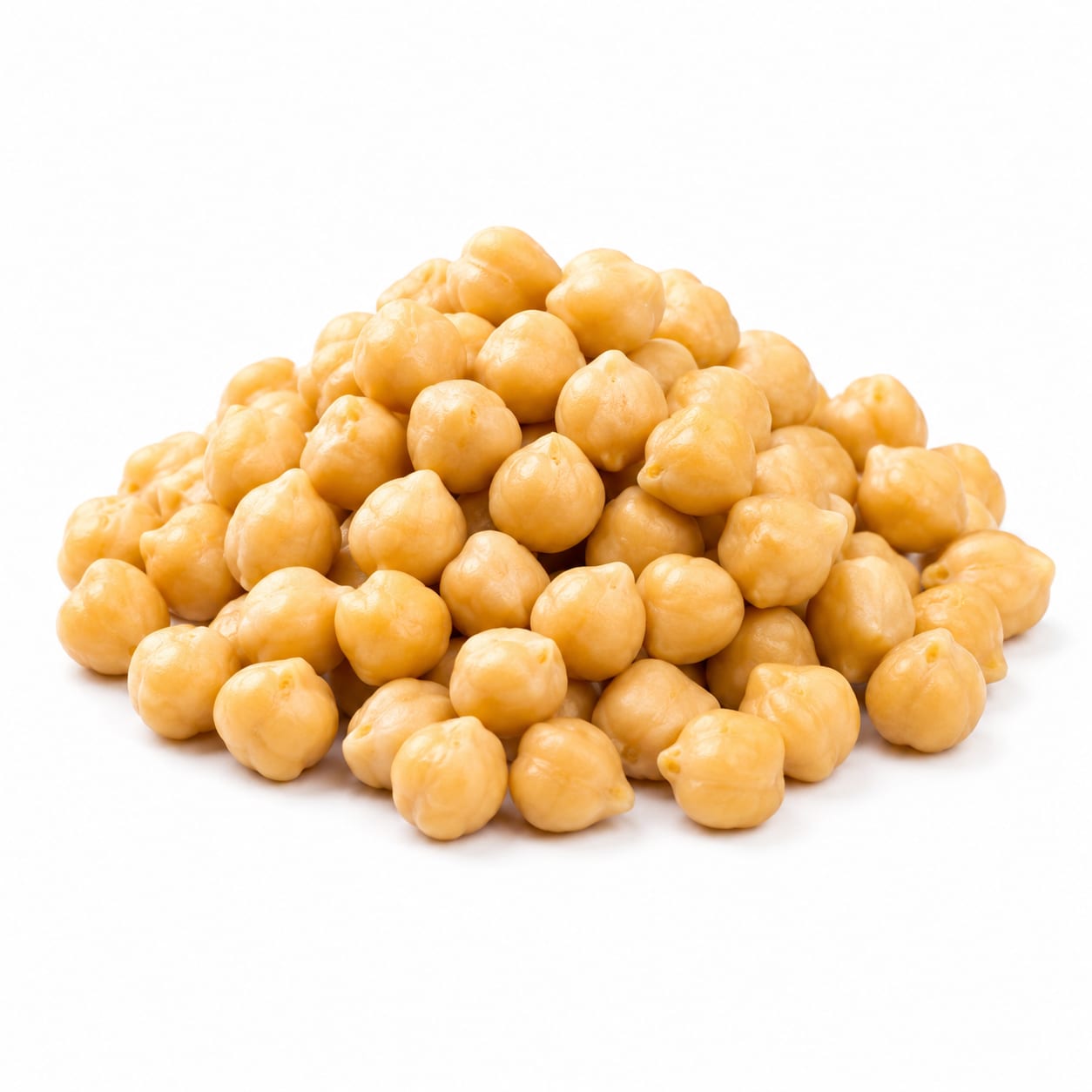
Garbanzo Bean
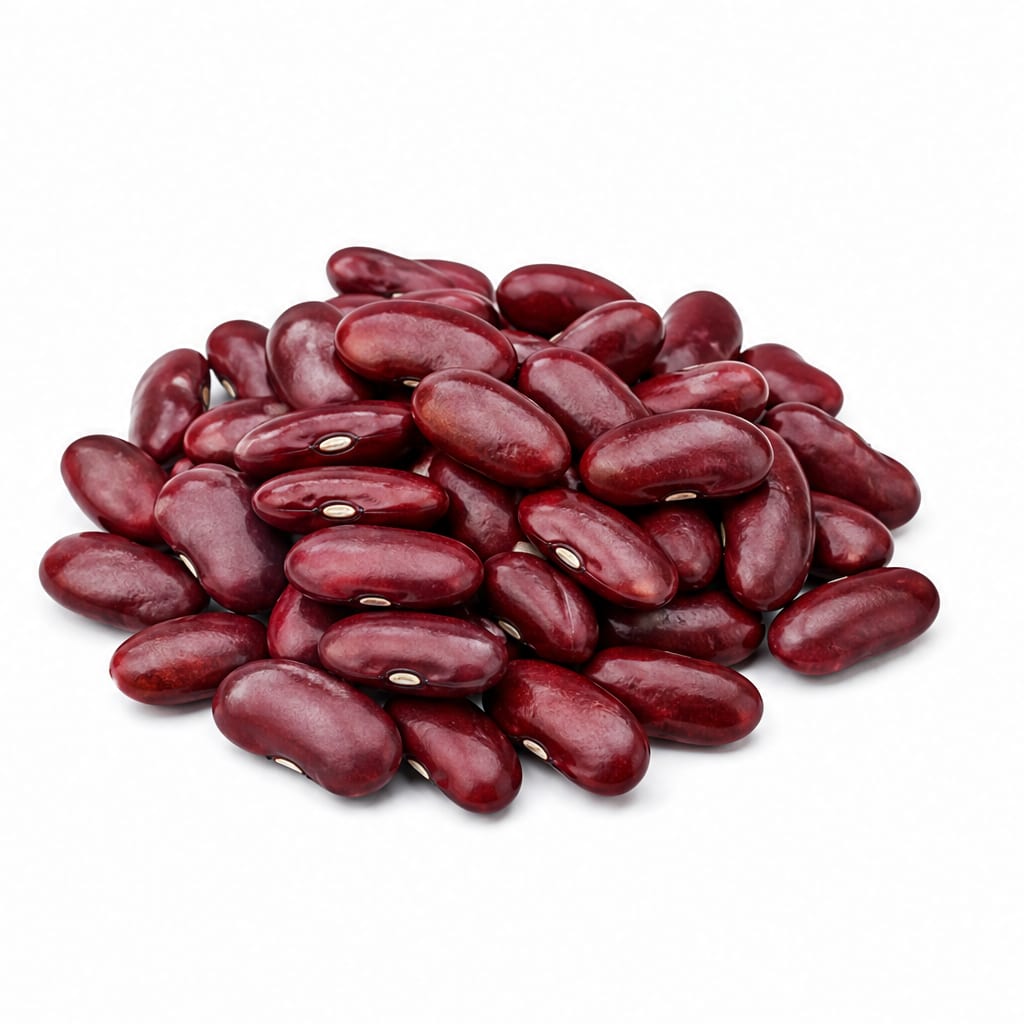
Kidney Beans
Kidney beans edge ahead nutritionally with more protein, fiber, and better blood sugar control, but garbanzo beans win on digestive comfort, safety, and everyday versatility.
Kidney beans score higher due to superior protein, fiber, mineral density, and blood sugar stability. Garbanzo beans stay competitive through better digestibility, safety, and culinary flexibility. The gap is small because both are excellent whole-food choices.
Kidney beans give you denser nutrition and steadier blood sugar, while garbanzo beans give you easier digestion and more cooking flexibility with less safety worry.
At a glance
Executive summary
Overall
It depends
Healthier
Kidney Beans
More practical
Garbanzo Bean
Daily use
Garbanzo Bean
Key comparison lenses
blood sugar management
Both are staple legumes people choose for glycemic control, but kidney beans have a meaningfully lower glycemic index
digestive tolerance and comfort
Beans are notorious for gas and bloating; garbanzo beans are generally easier on digestion for most people
safety and preparation requirements
Kidney beans contain a natural toxin that requires proper cooking, while garbanzo beans are safer to handle
protein and satiety for plant-based diets
Both are key protein sources for vegetarians and vegans, with kidney beans offering slightly more protein per serving
culinary versatility and meal integration
Garbanzo beans appear in more diverse dishes globally, from hummus to salads to roasted snacks
Best choice for
Garbanzo Bean
- People with sensitive digestion or IBS
- Anyone wanting a low-stress, versatile pantry staple
- Those who meal-prep in bulk and want fewer safety concerns
- Snackers who want roasted crunchy options
- Families with kids who need milder flavors
Kidney Beans
- People managing diabetes or prediabetes
- Plant-based eaters maximizing protein intake
- Athletes needing sustained energy and recovery fuel
- Anyone focused on heart health and cholesterol
- Those wanting the most filling bean per calorie
Least suitable for
Garbanzo Bean
- People who need the lowest glycemic index possible
- Those trying to maximize protein per serving from plants
- Anyone seeking the highest antioxidant density in legumes
Kidney Beans
- People with severe digestive sensitivity to beans
- Anyone using slow cookers for bean preparation (toxin risk)
- Those who want a quick, low-thought cooking experience
- People who dislike strong bean flavors or firm textures
Deep comparison
Dimension by dimension
Each lens scores both foods and breaks down who each option suits.
- Dimension 1 · Priority 92Kidney Beans
blood sugar stability
Garbanzo Bean · 72Kidney Beans · 88Kidney beans have a meaningfully lower glycemic index, causing slower and steadier blood sugar rises after meals.
Tradeoff
Garbanzo beans still beat most starches, but their slightly higher GI means a quicker blood sugar rise compared to kidney beans.
Why it matters
For anyone watching blood sugar, this difference compounds over every meal, every day.
Real-world impact
After a kidney bean bowl, you feel full longer without the energy dip. After garbanzo beans, you might get hungry slightly sooner.
Garbanzo Bean
- Still a solid low-GI choice compared to grains or potatoes
Better for
- Slightly faster blood sugar rise than kidney beans
Worse for
Kidney Beans
- Diabetes management
- Sustained energy through long workdays
- Reduced afternoon cravings
Better for
- Dimension 2 · Priority 85Kidney Beans
protein and satiety
Garbanzo Bean · 74Kidney Beans · 84Kidney beans deliver about 15g protein per cup versus 14.5g for garbanzo beans, but their higher fiber makes them noticeably more filling.
Tradeoff
The protein difference is small, but the combined protein-plus-fiber effect makes kidney beans more satiating overall.
Why it matters
Feeling full on less food is one of the most practical health advantages any food can offer.
Real-world impact
A kidney bean chili keeps you satisfied for hours. A garbanzo bean salad might leave you reaching for a snack sooner.
Garbanzo Bean
- Still provides strong plant protein
- Easier to eat larger portions due to lighter texture
Better for
- Slightly less filling per serving
Worse for
Kidney Beans
- Maximum fullness per calorie
- Better post-workout recovery plate
- Plant-based meal planning where every gram of protein counts
Better for
- Denser texture means some people eat less naturally
Worse for
- Dimension 3 · Priority 88Garbanzo Bean
digestive tolerance
Garbanzo Bean · 82Kidney Beans · 65Garbanzo beans are generally easier to digest, causing less gas and bloating than kidney beans for most people.
Tradeoff
You get more nutritional density from kidney beans, but your gut may complain louder.
Why it matters
The healthiest food only works if you can actually eat it comfortably and consistently.
Real-world impact
After garbanzo beans, you feel light and comfortable. After kidney beans, you might deal with bloating or gas, especially if your body is not used to them.
Garbanzo Bean
- People with IBS or sensitive stomachs
- Anyone new to eating legumes regularly
- Social situations where digestive comfort matters
Better for
Kidney Beans
- People with well-adapted gut microbiomes from regular bean consumption
Better for
- Higher oligosaccharide content causes more gas
- Tougher skins can irritate sensitive digestive tracts
- Requires more gradual introduction to diet
Worse for
- Dimension 4 · Priority 85Garbanzo Bean
safety and preparation
Garbanzo Bean · 90Kidney Beans · 68Raw kidney beans contain phytohaemagglutinin, a natural toxin that can cause severe illness if undercooked. Garbanzo beans have no such risk.
Tradeoff
Kidney beans require careful cooking to be safe, while garbanzo beans are forgiving and low-risk.
Why it matters
Slow cookers are popular for beans, but they are exactly the wrong tool for kidney beans because they do not reach high enough temperatures to destroy the toxin.
Real-world impact
Undercooked kidney beans can cause nausea, vomiting, and diarrhea within hours. This is not theoretical; it happens regularly in home kitchens.
Garbanzo Bean
- Beginner cooks
- Slow cooker meal prep
- Families who want less food safety anxiety
- Anyone who sometimes rushes cooking
Better for
Kidney Beans
- Raw or undercooked kidney beans are toxic
- Slow cookers cannot reliably destroy the toxin
- Requires boiling for at least 10 minutes before simmering
Worse for
- Dimension 5 · Priority 78Kidney Beans
mineral and micronutrient density
Garbanzo Bean · 73Kidney Beans · 83Kidney beans deliver more iron, potassium, magnesium, and vitamin K per serving, making them a micronutrient powerhouse.
Tradeoff
Garbanzo beans offer more folate and manganese, but kidney beans win on the minerals most people are actually deficient in.
Why it matters
Iron and potassium deficiencies are widespread. Getting more from a staple food is a quiet but meaningful advantage.
Real-world impact
Regular kidney bean consumption helps with energy (iron), blood pressure (potassium), and bone health (magnesium) in ways that add up over months.
Garbanzo Bean
- Higher folate, important for pregnancy
- More manganese for bone and metabolism support
Better for
- Less iron and potassium per serving
Worse for
Kidney Beans
- Iron-deficient individuals
- People managing blood pressure through diet
- Bone health concerns
Better for
- Dimension 6 · Priority 75Garbanzo Bean
culinary versatility
Garbanzo Bean · 88Kidney Beans · 70Garbanzo beans work in far more dishes: hummus, roasted snacks, curries, salads, pasta, and baking. Kidney beans are more limited to chilis, stews, and rice dishes.
Tradeoff
Kidney beans excel in hearty comfort meals but struggle outside that zone. Garbanzo beans adapt to almost any cuisine or meal type.
Why it matters
A food you can use ten ways gets eaten ten times more often than a food you can use two ways.
Real-world impact
Garbanzo beans can become a crispy afternoon snack, a creamy dip, or a salad topper. Kidney beans mostly stay in your chili or rice bowl.
Garbanzo Bean
- Hummus and dips
- Roasted crunchy snacks
- Salad toppings
- Chickpea flour for baking
- Curries and Middle Eastern dishes
Better for
Kidney Beans
- Chili and hearty stews
- Red beans and rice
- Mexican-style dishes
Better for
- Limited snack preparation options
- Does not blend into dips or spreads well
- Stronger flavor limits pairing flexibility
Worse for
- Dimension 7 · Priority 72Kidney Beans
antioxidant and anti-inflammatory potential
Garbanzo Bean · 68Kidney Beans · 82Dark red kidney beans are among the top antioxidant-containing foods measured by ORAC score, far exceeding garbanzo beans.
Tradeoff
The antioxidant gap is significant, but garbanzo beans still offer meaningful anti-inflammatory compounds, just less dramatically.
Why it matters
Chronic inflammation drives aging and disease. High-antioxidant staples fight this silently every day.
Real-world impact
Regular kidney bean eaters get more cellular protection per bite, which may translate to lower long-term disease risk.
Garbanzo Bean
- Still contains saponins and other anti-inflammatory compounds
Better for
- Pale color indicates lower anthocyanin content
Worse for
Kidney Beans
- Among the highest antioxidant legumes available
- Dark pigments signal strong phytochemical protection
- Better long-term cellular defense
Better for
Timeline
Health impact over time
Short-term
Hours to days
Garbanzo Bean
- Comfortable digestion with minimal bloating for most people
- Steady but slightly faster blood sugar rise compared to kidney beans
- Mild satiety that works well for light meals
Kidney Beans
- More pronounced fullness that can feel heavy for some
- Potential gas and bloating, especially for unaccustomed digestive systems
- Very stable blood sugar with minimal energy crashes
Long-term
Months to years
Garbanzo Bean
- Consistent daily intake is easy to maintain due to versatility and comfort
- Good folate support for reproductive health
- Moderate protection against chronic disease through regular legume consumption
Kidney Beans
- Stronger cardiovascular protection from higher fiber and antioxidant intake
- Better long-term blood sugar management reducing diabetes risk
- Higher mineral intake supports bone density and blood pressure regulation over decades
Risk profile
Safety & processing
Both garbanzo beans and kidney beans are whole, minimally processed foods whether bought dried or canned. Canned versions may contain added sodium, but rinsing removes most of it. Neither carries meaningful additive concerns.
Garbanzo Bean
minimal toxin concern
lowRaw garbanzo beans contain small amounts of lectins but nowhere near dangerous levels. Proper cooking eliminates any concern entirely.
Kidney Beans
phytohaemagglutinin poisoning
highRaw or undercooked kidney beans contain high levels of this toxin. Just 4-5 raw beans can cause symptoms. Slow cookers are particularly dangerous because they do not reach temperatures high enough to destroy the toxin. Always boil kidney beans for at least 10 minutes before reducing heat.
canned kidney bean safety
lowCommercial canning destroys the toxin completely. Canned kidney beans are safe to eat without additional cooking.
Who wins for whom
Audience fit
Same foods, different winners depending on your goal.
children
Garbanzo BeanMilder flavor, softer texture when cooked, easier digestion, and no toxin risk from undercooking make garbanzo beans safer and more kid-friendly.
daily consumption
Garbanzo BeanVersatility, digestive comfort, and safety make garbanzo beans easier to eat every single day without fatigue or discomfort.
diabetes
Kidney BeansMeaningfully lower glycemic index and higher fiber create slower, more manageable blood sugar responses after meals.
elderly
Garbanzo BeanEasier digestion, lower bloating risk, and no safety concerns from imperfect cooking make garbanzo beans more suitable for aging digestive systems.
muscle gain
Kidney BeansSlightly more protein per serving and better mineral support for muscle recovery, though both are solid plant-based options.
weight loss
Kidney BeansHigher fiber and protein per calorie make kidney beans more satiating, helping you eat less overall without feeling deprived.
Your move
Decision guide
Choose Garbanzo Bean
- You have a sensitive stomach or are new to eating beans regularly
- You want one bean that works in everything from snacks to mains
- You use a slow cooker and do not want to worry about toxin safety
- You are cooking for kids who prefer milder flavors and softer textures
- You want to make hummus, roasted snacks, or chickpea flour recipes
Choose Kidney Beans
- You are managing blood sugar or diabetes and need the lowest GI option
- You want maximum protein and fullness from your plant-based meals
- You are comfortable with proper bean preparation and boiling methods
- You eat a lot of chili, stews, or Latin American cuisine
- You want the strongest antioxidant protection from your daily staples
Either works if
- You are simply trying to eat more legumes for general health
- You rotate between different beans throughout the week already
- You are eating canned beans, where safety differences disappear
- You want affordable, shelf-stable plant protein for your pantry
Avoid both if
- You have a diagnosed legume allergy
- You are in the early stages of a strict low-FODMAP elimination diet
- You have severe digestive conditions that cannot tolerate any beans yet
Final recommendation
Keep both in your pantry. Use kidney beans when blood sugar control and maximum satiety matter most, like hearty dinners and post-workout meals. Use garbanzo beans for everything else: quick lunches, snacks, dips, and days when your stomach wants something gentler. If you must pick one for daily use, garbanzo beans are the safer, easier choice. If you must pick one for nutritional impact, kidney beans win.
Practical
Consumer tips
- 1
Always boil kidney beans for at least 10 minutes before simmering, regardless of soaking time. Never put raw kidney beans in a slow cooker.
- 2
Canned kidney beans are already safely cooked. The toxin concern only applies to dried beans you cook yourself.
- 3
Rinse canned beans of either type to remove about 40% of the sodium from the canning liquid.
- 4
If kidney beans cause you gas, try starting with smaller portions and increasing gradually over two weeks. Your gut adapts.
- 5
Roasted garbanzo beans make a high-protein snack that replaces chips with almost no effort: toss with olive oil and spices, bake at 400°F for 25 minutes.
- 6
Both beans freeze well after cooking. Make large batches, portion them, and freeze for instant meal starters.
- 7
Soaking dried beans overnight reduces cooking time and improves digestibility for both varieties.