
Nutrition comparison
Garbanzo Beans vs Green Peas: Nutrition, Protein, and Which to Pick
Compare garbanzo beans and green peas on protein, calories, fiber, and blood sugar impact. Find out which legume fits your health goals and daily routine better.
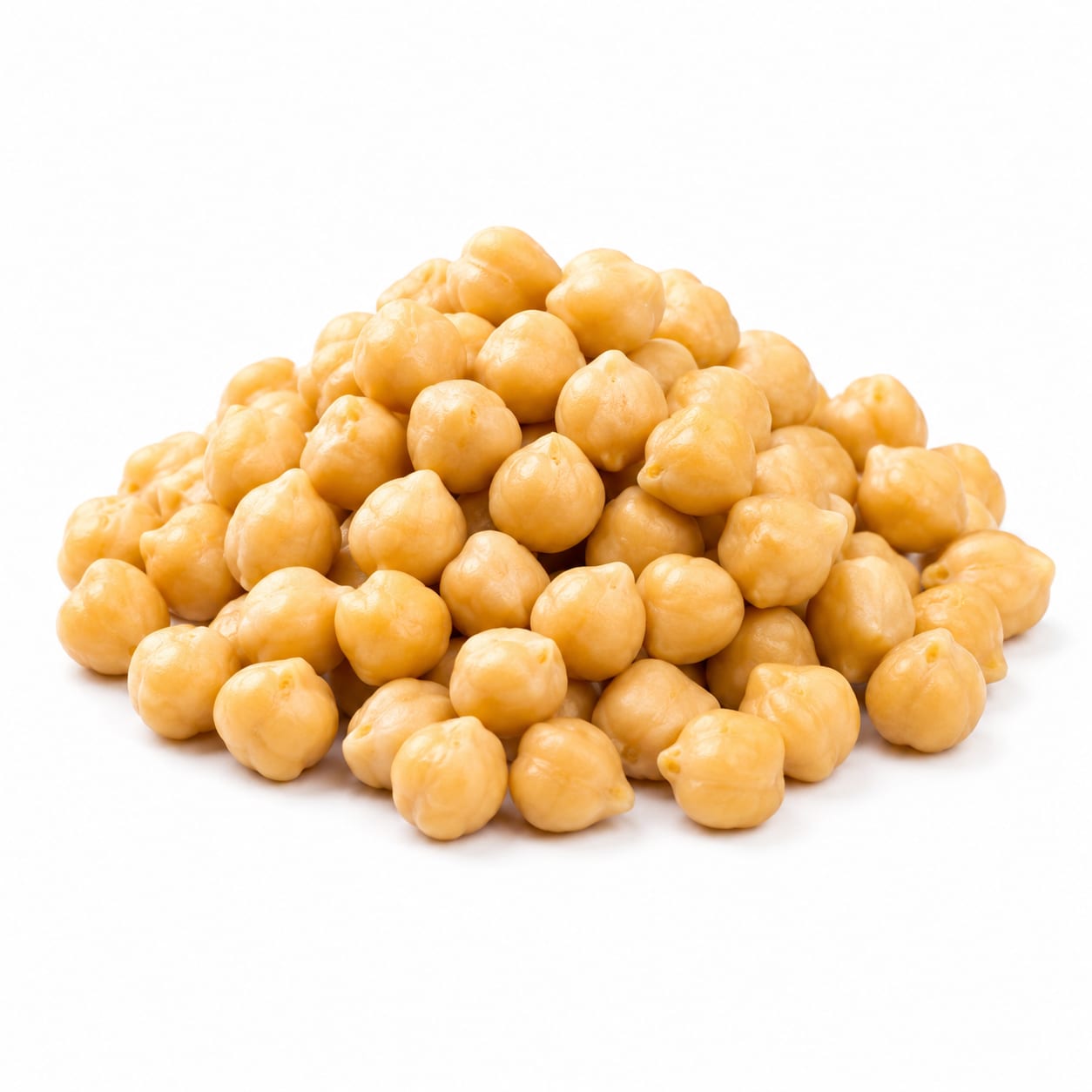
Garbanzo Bean
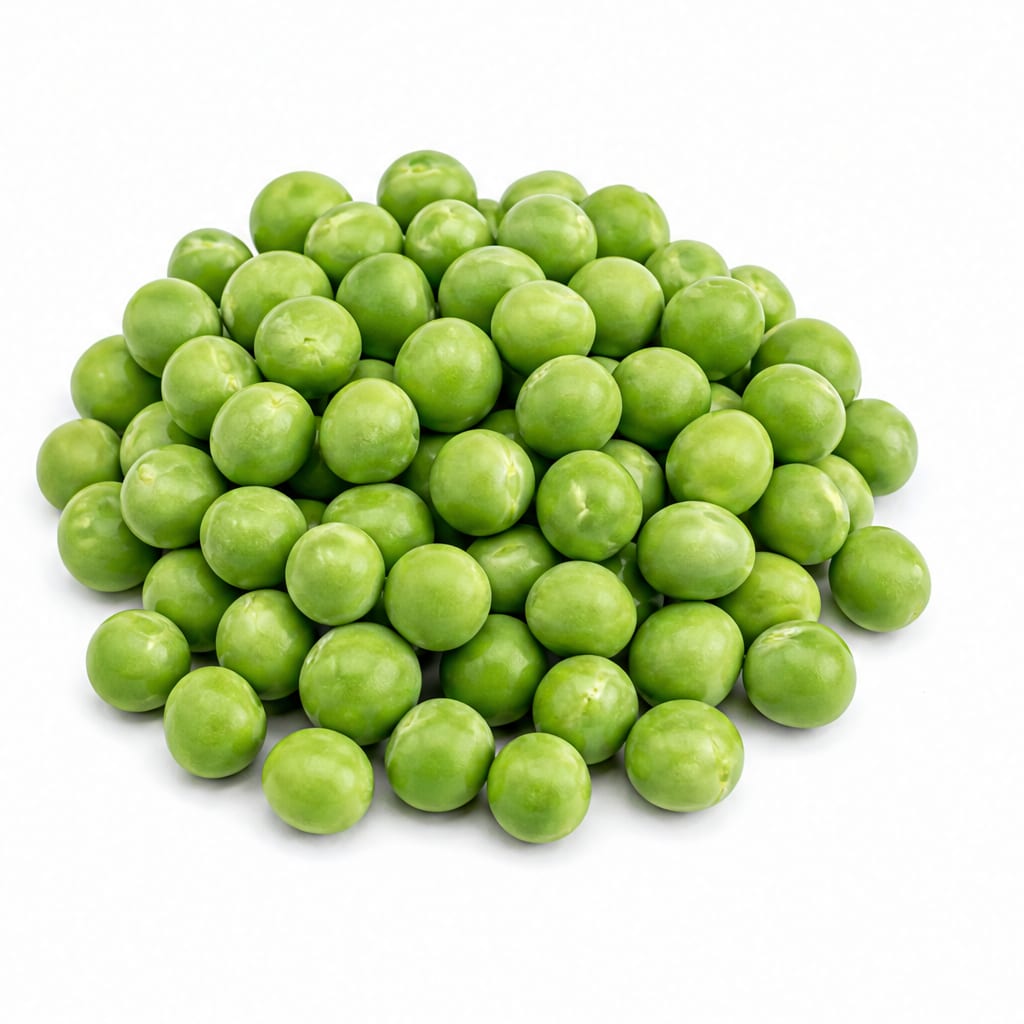
Green Peas
Garbanzo beans deliver more protein and steadier energy, while green peas offer lighter calories and quicker convenience. Your pick depends on whether you prioritize satiety or leanness.
Garbanzo beans score slightly higher due to superior protein, fiber, and blood sugar stability. Green peas stay competitive with lower calories and better convenience. The gap is small because both are genuinely healthy whole foods.
Heavier, more filling garbanzo beans versus lighter, lower-calorie green peas that are faster to prepare.
At a glance
Executive summary
Overall
It depends
Healthier
It depends
More practical
Green Peas
Daily use
Garbanzo Bean
Key comparison lenses
plant protein source selection
Both are top plant protein options, and users commonly choose between them for meal prep or dietary staples
weight management and calorie control
Significant calorie density difference makes this a key decision factor for calorie-conscious eaters
blood sugar and glycemic impact
Different glycemic profiles matter for diabetes management and sustained energy
digestive tolerance and gut health
Both are legumes with fiber but differ in fermentable carbs that affect bloating and comfort
meal versatility and convenience
Practical everyday usability differs substantially between these two foods
Best choice for
Garbanzo Bean
- People needing sustained energy and fullness between meals
- Those building muscle on a plant-based diet
- Anyone managing blood sugar who wants slower-digesting carbs
- Meal preppers who want a versatile base for bowls and stews
Green Peas
- People cutting calories without sacrificing vegetable intake
- Those who want a quick side dish in under 5 minutes
- Anyone seeking higher vitamin C and K from a legume
- Lighter eaters who find garbanzo beans too heavy at lunch
Least suitable for
Garbanzo Bean
- People strictly counting calories who find legumes too energy-dense
- Those with severe IBS who struggle with chickpea fermentation
- Anyone needing a quick-cooking weeknight side dish
Green Peas
- Athletes or active people needing substantial protein per serving
- Those who find peas too sweet or lacking in savory depth
- People wanting a single food that carries a whole meal
Deep comparison
Dimension by dimension
Each lens scores both foods and breaks down who each option suits.
- Dimension 1 · Priority 90Garbanzo Bean
Protein Quality and Quantity
Garbanzo Bean · 82Green Peas · 62Garbanzo beans provide roughly double the protein per cup, making them a more reliable plant protein anchor for meals.
Tradeoff
You get more protein with garbanzo beans but also more calories per serving, which may not suit low-calorie goals.
Why it matters
Protein drives fullness and muscle maintenance. If a legume is your main protein source, garbanzo beans do the job better.
Real-world impact
A garbanzo bean bowl keeps you full for 4-5 hours. A green pea side dish may leave you snacking again within 2-3 hours.
Garbanzo Bean
- Post-workout recovery meals
- Plant-based eaters relying on legumes as a protein pillar
- Anyone trying to reduce between-meal hunger
Better for
- Small-calorie meal plans under 400 calories per sitting
Worse for
Green Peas
- Light lunches where you eat protein from another source
- Days when you want a vegetable-forward plate without heaviness
Better for
- Meals where the legume is the primary protein source
Worse for
- Dimension 2 · Priority 85Green Peas
Calorie Density and Weight Management
Garbanzo Bean · 58Green Peas · 84Green peas deliver significantly fewer calories per cup, making them easier to fit into weight loss plans.
Tradeoff
Fewer calories means less satiety. You may eat more volume of green peas to feel equally full, narrowing the calorie gap.
Why it matters
For anyone tracking calories, green peas let you eat a generous portion without blowing your budget.
Real-world impact
A full cup of green peas costs you about 62 calories. A cup of garbanzo beans runs closer to 164. That difference adds up over a week.
Garbanzo Bean
- People who prefer eating fewer, denser meals
- Anyone struggling to get enough calories healthfully
Better for
- Strict calorie restriction diets
Worse for
Green Peas
- Calorie counters aiming for 1200-1500 daily
- Volume eaters who like large portions
- Anyone replacing higher-calorie sides like rice or pasta
Better for
- People who need energy-dense foods to maintain weight
Worse for
- Dimension 3 · Priority 78Garbanzo Bean
Blood Sugar Stability
Garbanzo Bean · 85Green Peas · 68Garbanzo beans have a lower glycemic index and more resistant starch, leading to steadier blood sugar after eating.
Tradeoff
Green peas are still relatively low-glycemic compared to most carbs, but their natural sugars digest faster.
Why it matters
Steadier blood sugar means fewer energy crashes and better hunger control throughout the day.
Real-world impact
After a garbanzo bean lunch, you are less likely to hit that 3pm energy dip. Green peas are still decent but may not hold you as long.
Garbanzo Bean
- People with prediabetes or type 2 diabetes
- Anyone prone to afternoon energy crashes
- Those pairing carbs with minimal other protein sources
Better for
- Those who find very slow-digesting meals cause bloating
Worse for
Green Peas
- People who eat small frequent meals and prefer lighter glycemic loads per sitting
Better for
- People sensitive to even moderate blood sugar fluctuations
Worse for
- Dimension 4 · Priority 75Garbanzo Bean
Fiber and Digestive Health
Garbanzo Bean · 80Green Peas · 68Garbanzo beans offer more fiber per serving, including more resistant starch that feeds beneficial gut bacteria.
Tradeoff
More fiber and resistant starch also means more fermentation, which can cause bloating in sensitive people.
Why it matters
Fiber supports regularity, gut microbiome health, and cholesterol management. Small differences compound over months.
Real-world impact
Regular garbanzo bean consumption tends to improve bowel regularity more noticeably. Green peas are gentler on sensitive stomachs.
Garbanzo Bean
- People wanting to improve gut microbiome diversity
- Those needing help with constipation
- Anyone increasing fiber gradually for cholesterol management
Better for
- Anyone with severe FODMAP sensitivities
Worse for
Green Peas
- People with IBS or bloating sensitivity
- Those transitioning to high-fiber diets who need a gentler start
Better for
- People who need maximum fiber per calorie consumed
Worse for
- Dimension 5 · Priority 70It depends
Vitamin and Micronutrient Profile
Garbanzo Bean · 72Green Peas · 76Green peas excel in vitamins C, K, and thiamin, while garbanzo beans lead in folate, iron, and manganese.
Tradeoff
Neither is a complete micronutrient solution. Your choice should complement what else you eat regularly.
Why it matters
Micronutrient gaps matter over time. Picking the legume that fills your specific dietary holes is smarter than chasing a universal winner.
Real-world impact
If your diet lacks leafy greens, green peas help fill vitamin K needs. If you are low on iron or folate, garbanzo beans are the better contributor.
Garbanzo Bean
- Women of childbearing age needing folate
- Vegans and vegetarians who need plant iron sources
- Anyone with low manganese intake
Better for
- People who already get plenty of iron and folate from other sources
Worse for
Green Peas
- People not eating enough vitamin C-rich foods
- Those needing vitamin K for bone health
- Anyone wanting B-vitamin support from a lighter food
Better for
- Those relying on a single legume for broad mineral coverage
Worse for
- Dimension 6 · Priority 65Green Peas
Convenience and Meal Integration
Garbanzo Bean · 60Green Peas · 82Frozen green peas cook in minutes and work as an instant side. Garbanzo beans require more planning unless canned.
Tradeoff
Canned garbanzo beans close the convenience gap but add sodium and slightly soften the texture.
Why it matters
The food you can actually prepare on a busy Tuesday matters more than the theoretically superior option.
Real-world impact
Green peas go from freezer to plate in 3 minutes. Dried garbanzo beans need overnight soaking and an hour of cooking. Canned helps but still requires rinsing and draining.
Garbanzo Bean
- Weekend meal preppers who cook big batches
- Anyone comfortable with canned legumes for speed
Better for
- Spontaneous cooks who decide dinner 15 minutes before eating
Worse for
Green Peas
- Busy weeknight cooks needing a vegetable in under 5 minutes
- People who want to add nutrition to any dish with zero effort
- Those who keep frozen staples as backup ingredients
Better for
- Those who want a single ingredient that can anchor a whole meal
Worse for
Timeline
Health impact over time
Short-term
Hours to days
Garbanzo Bean
- Strong satiety that reduces snacking for hours after eating
- Potential bloating or gas if your body is not used to high fiber and resistant starch
- Steady energy without the crash that follows refined carbs
Green Peas
- Lighter digestive load with less bloating than garbanzo beans for most people
- Quicker digestion that may leave you hungry sooner
- Mild blood sugar rise that resolves faster than with denser legumes
Long-term
Months to years
Garbanzo Bean
- Improved gut microbiome diversity from resistant starch feeding beneficial bacteria
- Better long-term blood sugar regulation with regular consumption
- Support for healthy cholesterol levels through soluble fiber
- Potential for gradual calorie surplus if portions are not managed
Green Peas
- Easier weight maintenance due to lower calorie density
- Consistent vitamin K intake supporting bone and cardiovascular health
- Lower long-term digestive burden for sensitive systems
- Possible need to supplement protein from other sources to meet daily targets
Risk profile
Safety & processing
Both foods are whole legumes with minimal processing in their dried or frozen forms. Canned garbanzo beans add sodium and may contain calcium chloride as a firming agent, but rinsing removes most of it. Frozen green peas are flash-frozen at peak freshness, which preserves nutrients with no additives needed.
Garbanzo Bean
Canned sodium load
mediumCanned garbanzo beans can contain 400-700mg sodium per cup. Rinsing reduces this by roughly 40%, but it remains a concern for sodium-sensitive individuals.
BPA exposure from can linings
lowSome canned garbanzo beans still use BPA-lined cans. Choosing dried or BPA-free canned versions eliminates this concern.
Pesticide residue on conventional dried beans
lowDried garbanzo beans are a lower-pesticide crop, but conventional farming still uses some treatments. Organic dried beans are widely available and affordable.
Green Peas
Pesticide residue on conventional peas
mediumGreen peas rank moderately for pesticide residue on conventional fresh forms. Frozen peas typically have lower residues due to processing timing. Organic frozen peas are a safer bet.
Added sodium in canned peas
lowCanned peas often contain added salt, though less commonly consumed than canned garbanzo beans. Frozen peas are the more popular and additive-free form.
Who wins for whom
Audience fit
Same foods, different winners depending on your goal.
children
Green PeasGreen peas are sweeter, smaller, and easier for kids to eat. Their mild flavor and soft texture make them a more child-friendly introduction to legumes.
daily consumption
Garbanzo BeanGarbanzo beans offer more balanced macronutrients per serving, making them a better daily staple that can anchor multiple meal types.
diabetes
Garbanzo BeanThe lower glycemic index and higher resistant starch content in garbanzo beans provide steadier blood sugar responses after meals.
elderly
Green PeasGreen peas are gentler on digestion, lower in fermentable carbs that cause bloating, and provide vitamin K for bone health in aging populations.
muscle gain
Garbanzo BeanGarbanzo beans deliver nearly twice the protein per serving, which matters when building or maintaining muscle on a plant-forward diet.
weight loss
Green PeasGreen peas provide more volume per calorie, making it easier to eat satisfying portions while staying in a deficit.
Your move
Decision guide
Choose Garbanzo Bean
- You want a single legume that provides serious protein and keeps you full for hours
- You are managing blood sugar and need slow-digesting carbs
- You meal prep on weekends and want a versatile base for bowls, curries, and salads
- You are plant-based and need reliable iron and folate sources
Choose Green Peas
- You are cutting calories and want maximum food volume per calorie
- You need a quick side dish that goes from freezer to plate in minutes
- You have a sensitive digestive system and find garbanzo beans cause bloating
- You want to boost vitamin C and K intake without supplements
Either works if
- You simply want more legumes in your diet and enjoy both
- You rotate between heavier and lighter meals throughout the week
- You are eating a varied diet where neither food is your sole protein source
Avoid both if
- You have a diagnosed legume allergy
- You are in a strict very-low-carb or ketogenic phase
- You are following a low-FODMAP elimination diet under supervision
Final recommendation
Keep both in your kitchen. Use garbanzo beans as your protein-forward meal anchor and green peas as your lighter, quicker vegetable side. They complement each other perfectly rather than competing. If you must pick one, garbanzo beans give you more nutritional substance per serving, while green peas win on convenience and calorie control.
Practical
Consumer tips
- 1
Buy dried garbanzo beans in bulk and cook a large batch on weekends. Freeze portions for instant use all week.
- 2
Rinse canned garbanzo beans thoroughly to remove roughly 40% of the added sodium.
- 3
Keep a bag of frozen green peas as your emergency vegetable. They upgrade any soup, rice dish, or pasta in 3 minutes.
- 4
If garbanzo beans cause bloating, start with smaller portions and increase gradually over 2-3 weeks as your gut adapts.
- 5
Choose organic frozen green peas when possible to minimize pesticide exposure, especially if you eat them daily.
- 6
Roast canned garbanzo beans with olive oil and spices for a crunchy snack that beats chips in both nutrition and satisfaction.
- 7
Add green peas to your smoothie for a protein and vitamin boost. The sweetness blends well with fruit without tasting vegetal.