
Nutrition comparison
Garbanzo Beans vs Edamame: Which Legume Is Better for You?
Compare garbanzo beans and edamame on protein, carbs, fat, blood sugar impact, and more. Find out which legume fits your health goals and when to choose each.
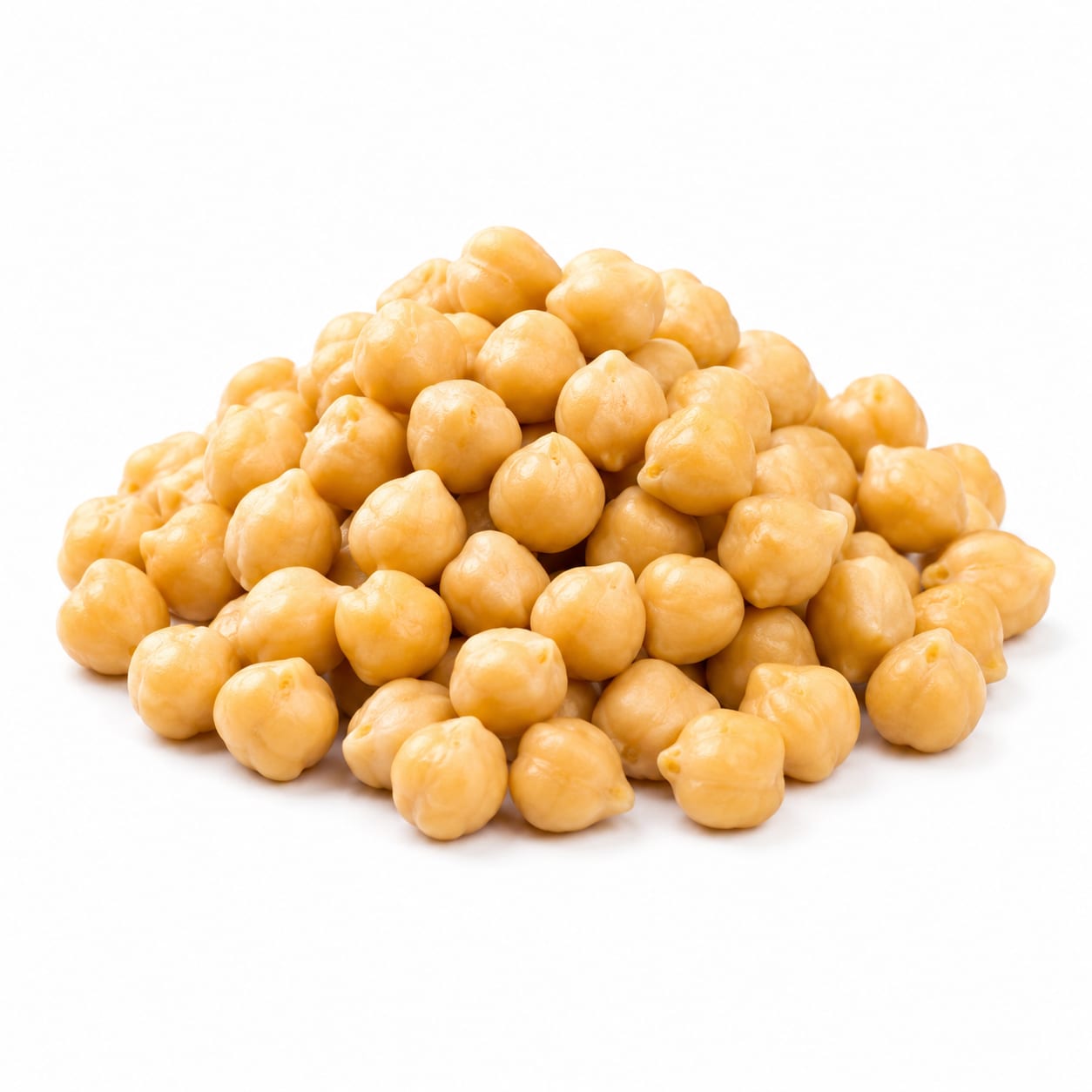
Garbanzo Bean
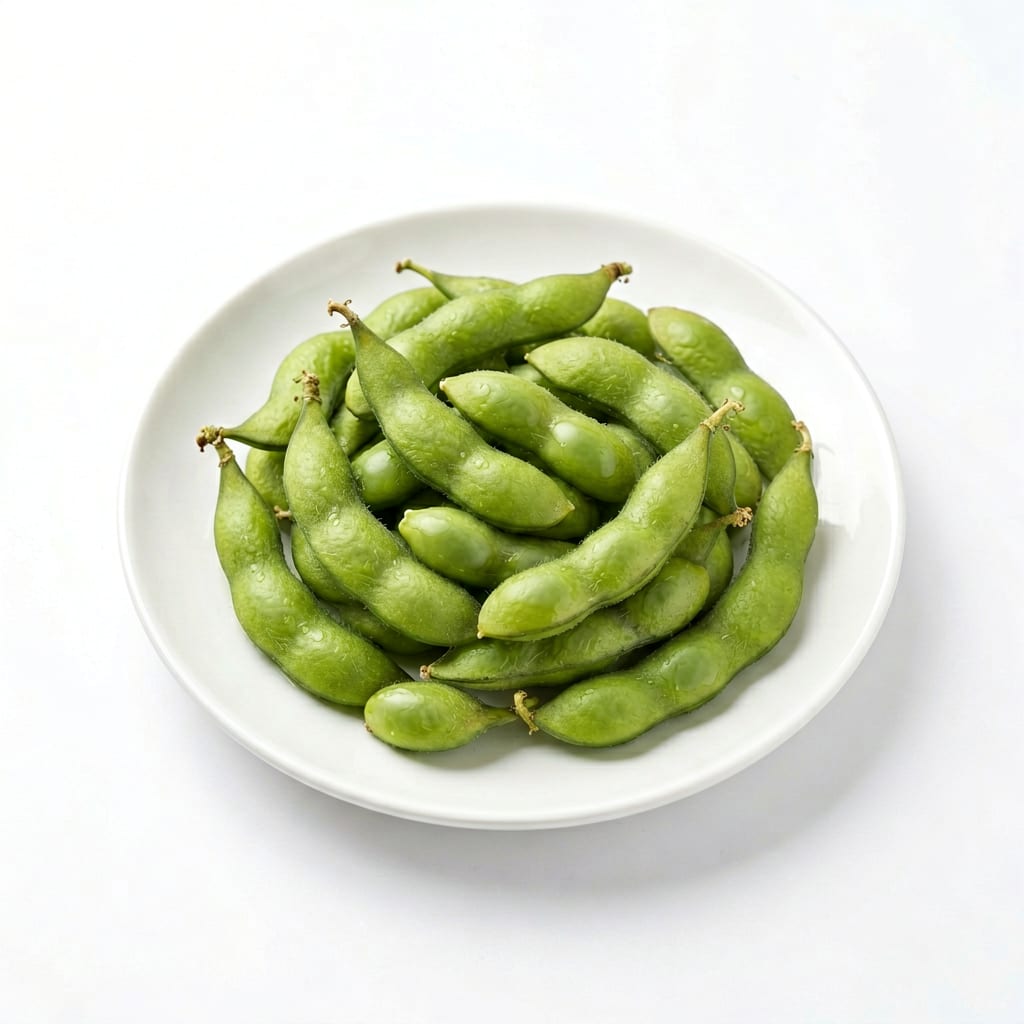
Edamame
Edamame delivers nearly double the protein with fewer carbs and healthier fats, but garbanzo beans offer unmatched culinary versatility and avoid soy-related concerns entirely.
Edamame scores higher due to its complete amino acid profile, superior protein-to-calorie ratio, and healthier fat content. Garbanzo beans remain strong through versatility, affordability, and being soy-free, but the nutritional edge goes to edamame for most health-focused users.
Protein power and metabolic efficiency versus kitchen flexibility and soy-free peace of mind.
At a glance
Executive summary
Overall
It depends
Healthier
Edamame
More practical
Garbanzo Bean
Daily use
It depends
Key comparison lenses
plant protein quality comparison
Edamame is a complete protein while garbanzo beans are not, making this the most consequential difference for vegetarians and vegans
blood sugar and carb management
Garbanzo beans carry significantly more carbohydrates, making glycemic impact a key decision factor
everyday snack and meal versatility
These are two of the most popular plant-based staples, so how they fit into daily routines matters enormously
soy concerns and hormone effects
Edamame's isoflavones raise legitimate questions for some consumers that garbanzo beans avoid entirely
digestive tolerance and gut comfort
Both are legumes with notable fiber, but they affect digestion differently and gas/bloating concerns are common
Best choice for
Garbanzo Bean
- People avoiding soy due to allergy or preference
- Home cooks wanting one legume that works in salads, soups, dips, and roasted snacks
- Those seeking a more filling carbohydrate source for endurance activity
- Budget-conscious shoppers wanting affordable plant nutrition
Edamame
- Vegetarians and vegans needing complete protein
- Anyone managing blood sugar or following low-carb approaches
- People prioritizing protein intake without animal sources
- Snackers wanting a ready-to-eat high-protein option
Least suitable for
Garbanzo Bean
- People strictly limiting carbohydrates
- Those needing a complete protein source without combining foods
- Anyone seeking a quick no-cook high-protein snack
Edamame
- People with soy allergies
- Those concerned about phytoestrogen exposure
- Anyone wanting a neutral-flavored base for diverse recipes
Deep comparison
Dimension by dimension
Each lens scores both foods and breaks down who each option suits.
- Dimension 1 · Priority 95Edamame
protein quality and quantity
Garbanzo Bean · 55Edamame · 92Edamame provides roughly double the protein per serving and contains all nine essential amino acids, while garbanzo beans fall short on methionine.
Tradeoff
You get more and better protein from edamame, but garbanzo beans pair easily with grains to form complete proteins in meals.
Why it matters
Complete protein matters most for people eating little or no animal protein, since incomplete proteins require food combining to fill amino acid gaps.
Real-world impact
A cup of edamame gives you 17 grams of complete protein versus about 12 grams of incomplete protein from garbanzo beans — a meaningful difference over a full day of eating.
Garbanzo Bean
- Meals where grains are already present to complete the amino acid profile
Better for
- Anyone tracking protein intake carefully without combining foods
Worse for
Edamame
- Standalone protein needs like post-workout recovery
- Vegetarians relying on single-source plant protein
Better for
- People with soy allergies who cannot consume it at all
Worse for
- Dimension 2 · Priority 85Edamame
blood sugar stability
Garbanzo Bean · 62Edamame · 84Edamame's higher protein and fat content slows digestion and blunts blood sugar spikes more effectively than garbanzo beans' higher carb load.
Tradeoff
Garbanzo beans provide more sustained energy for active people but can raise blood sugar more noticeably for sedentary individuals.
Why it matters
Steadier blood sugar means fewer energy crashes, reduced cravings, and better metabolic health over time.
Real-world impact
After a garbanzo bean-heavy meal you might feel a subtle energy dip within 90 minutes, while edamame tends to deliver more even energy for longer.
Garbanzo Bean
- Athletes needing carbohydrate fuel before or after training
- Active individuals who burn through carbs efficiently
Better for
- Sedentary individuals sensitive to carbohydrate loads
Worse for
Edamame
- People with insulin resistance or prediabetes
- Anyone trying to minimize afternoon energy crashes
Better for
- Endurance athletes who need readily available carbohydrate energy
Worse for
- Dimension 3 · Priority 80Edamame
fat profile and heart health
Garbanzo Bean · 48Edamame · 88Edamame delivers meaningful amounts of polyunsaturated fats including omega-3 ALA, while garbanzo beans are quite low in fat overall.
Tradeoff
More healthy fats in edamame support heart and brain health, but garbanzo beans' lower fat content makes them easier to pair freely with oil-based dressings and cooking fats.
Why it matters
Omega-3 intake is chronically low in most diets, and edamame is one of the few plant sources that contributes meaningfully.
Real-world impact
Regularly choosing edamame over garbanzo beans adds a small but consistent omega-3 contribution that supports cardiovascular health over years.
Garbanzo Bean
- Meals where you control the fat source separately and want a lean base
Better for
- Those relying on a single food for heart-healthy fat intake
Worse for
Edamame
- People not eating fatty fish regularly
- Anyone wanting built-in healthy fats without adding oil
Better for
- People on very low-fat diets for medical reasons
Worse for
- Dimension 4 · Priority 80Garbanzo Bean
culinary versatility and convenience
Garbanzo Bean · 91Edamame · 58Garbanzo beans transform into hummus, falafel, curries, roasted snacks, salad toppings, and pasta alternatives, while edamame is mostly eaten steamed or shelled as a side.
Tradeoff
Garbanzo beans earn their place in weekly meal prep through sheer adaptability, while edamame is more of a one-trick snack or side dish.
Why it matters
The food you actually enjoy cooking with repeatedly will always outperform the one that sits in your freezer unused.
Real-world impact
A can of garbanzo beans can become three completely different meals this week. A bag of edamame will probably be eaten the same way every time.
Garbanzo Bean
- Meal preppers who want one ingredient to serve multiple roles
- Families needing kid-friendly formats like hummus or roasted crunchies
Better for
- Anyone wanting a grab-and-go high-protein snack with no prep
Worse for
Edamame
- People who want zero-prep protein — just microwave and eat
Better for
- Creative cooks who get bored eating the same preparation repeatedly
Worse for
- Dimension 5 · Priority 72Garbanzo Bean
fiber and digestive health
Garbanzo Bean · 82Edamame · 70Garbanzo beans edge out edamame in total fiber and particularly soluble fiber, which feeds beneficial gut bacteria and supports cholesterol management.
Tradeoff
More fiber in garbanzo beans means better gut health but also more gas potential, while edamame is slightly gentler on digestion.
Why it matters
Soluble fiber is underconsumed by most people and plays a direct role in cholesterol reduction and microbiome health.
Real-world impact
A cup of garbanzo beans provides about 12 grams of fiber versus 8 grams from edamame — a meaningful gap if you are struggling to hit daily fiber targets.
Garbanzo Bean
- People trying to increase fiber intake deliberately
- Anyone managing cholesterol through diet
Better for
- People prone to bloating or IBS symptoms from high fiber loads
Worse for
Edamame
- Those with sensitive digestion who find high-fiber legumes uncomfortable
Better for
- Anyone counting on legumes as a primary fiber source
Worse for
- Dimension 6 · Priority 70Garbanzo Bean
soy and phytoestrogen considerations
Garbanzo Bean · 90Edamame · 45Garbanzo beans carry zero soy-related concerns, while edamame's isoflavones remain debated for people with hormone-sensitive conditions.
Tradeoff
Current evidence suggests moderate soy intake is safe for most people, but garbanzo beans eliminate the question entirely.
Why it matters
For anyone with breast cancer history, thyroid conditions, or simply anxiety about phytoestrogens, soy-free legumes remove a layer of worry.
Real-world impact
If you have been told to limit soy by your doctor, garbanzo beans give you legume nutrition without needing to research isoflavone dosages.
Garbanzo Bean
- People with hormone-sensitive conditions advised to limit soy
- Anyone with soy allergy
- Those who prefer to avoid the phytoestrogen conversation entirely
Better for
- No real downside here — garbanzo beans simply avoid the issue
Worse for
Edamame
- Women seeking potential menopause symptom support from isoflavones
Better for
- People with thyroid conditions on medication, as soy can interfere with absorption
- Anyone uncomfortable with unresolved phytoestrogen research
Worse for
- Dimension 7 · Priority 78Edamame
caloric efficiency for protein
Garbanzo Bean · 52Edamame · 86Edamame delivers significantly more protein per calorie, making it more efficient for anyone managing intake while prioritizing muscle maintenance or growth.
Tradeoff
Garbanzo beans offer more calories from carbs which fuels activity, but if protein-per-calorie is your metric, edamame wins clearly.
Why it matters
When you are trying to hit protein targets within a calorie budget, efficiency determines whether you succeed or fall short.
Real-world impact
To get 20 grams of protein from garbanzo beans you consume roughly 340 calories, while edamame delivers the same protein for about 230 calories.
Garbanzo Bean
- Active people who need both calories and protein together
Better for
- People on calorie-restricted diets who find the carb calories wasteful
Worse for
Edamame
- Anyone counting calories while trying to maintain muscle
- Older adults who need protein efficiency in smaller appetites
Better for
- Underweight individuals who benefit from calorie density
Worse for
Timeline
Health impact over time
Short-term
Hours to days
Garbanzo Bean
- Provides steady complex-carb energy that lasts 2-3 hours
- May cause noticeable bloating or gas if your gut is not accustomed to high fiber
- Mild blood sugar rise followed by gradual return to baseline
Edamame
- Delivers sustained satiety with minimal blood sugar fluctuation
- Generally easier on digestion than garbanzo beans for most people
- Soy can cause mild stomach discomfort in sensitive individuals
Long-term
Months to years
Garbanzo Bean
- Consistent fiber intake supports healthy cholesterol levels and gut microbiome diversity
- Regular legume consumption is associated with lower cardiovascular disease risk
- Carbohydrate-heavy intake may require portion awareness for metabolic health
Edamame
- Isoflavones may offer protective effects against certain cancers when consumed moderately
- High protein intake from soy supports muscle preservation during aging
- Soy consumption has been linked to improved lipid profiles in meta-analyses
- Potential thyroid interaction with long-term high intake warrants monitoring for at-risk individuals
Risk profile
Safety & processing
Both foods are whole legumes with minimal processing in their standard forms. Canned garbanzo beans may contain added sodium, and frozen edamame may have slight salt in the shell, but neither raises meaningful additive concerns when you choose low-sodium or unsalted options.
Garbanzo Bean
BPA exposure from can linings
lowCanned garbanzo beans may contain trace BPA from can linings. Choosing dried or BPA-free canned versions eliminates this concern.
Sodium from canned varieties
mediumCanned garbanzo beans often contain 300-500mg sodium per serving. Rinsing reduces this by roughly 40%, but it remains a consideration for sodium-sensitive individuals.
Lectin content in undercooked beans
lowRaw or undercooked garbanzo beans contain lectins that can cause digestive distress. Proper cooking eliminates this risk entirely.
Edamame
Soy allergy reactions
highSoy is a top 8 allergen. Reactions can range from mild hives to anaphylaxis in sensitive individuals. This is a hard exclusion for anyone with soy allergy.
Pesticide residue on conventional soy
mediumSoy is one of the most heavily pesticide-treated crops globally. Choosing organic edamame significantly reduces residue exposure.
GMO exposure with conventional edamame
mediumMost US soy is genetically modified. While most edamame sold for direct consumption is non-GMO, verifying labels is worthwhile if this concerns you.
Who wins for whom
Audience fit
Same foods, different winners depending on your goal.
children
Garbanzo BeanHummus and roasted garbanzo beans are kid-friendly formats that children actually enjoy, and there is no soy concern for developing bodies.
daily consumption
It dependsEdamame is nutritionally superior for daily use, but soy rotation concerns and variety preferences make alternating between both the smartest long-term strategy.
diabetes
EdamameLower carbohydrate content and higher protein-to-carb ratio means less glycemic impact and steadier blood sugar after meals.
elderly
EdamameOlder adults need protein efficiency in smaller appetites, and edamame delivers more protein per bite with easier digestibility.
muscle gain
EdamameComplete protein with a stronger amino acid profile and more protein per serving makes edamame clearly superior for muscle building and recovery.
weight loss
EdamameEdamame's higher protein and lower calorie density per gram of protein makes it more satiating with fewer calories, helping control overall intake.
Your move
Decision guide
Choose Garbanzo Bean
- You have a soy allergy or avoid soy for any reason
- You want one versatile legume that works across dozens of recipes
- You are feeding kids who love hummus but reject green vegetables
- You are an endurance athlete who needs carb fuel from whole foods
- You are on a tight budget and want maximum nutrition per dollar
Choose Edamame
- You are vegetarian or vegan and need complete protein
- You are managing blood sugar, insulin resistance, or following a lower-carb approach
- You want a no-cook high-protein snack ready in minutes
- You do not eat fish and need plant-based omega-3 fats
- You are focused on muscle maintenance or building without animal protein
Either works if
- You simply want more legume variety in your weekly meals
- You are generally healthy and eat a diverse diet with other protein sources
- You are transitioning to more plant-based eating and both help
Avoid both if
- You have a severe legume allergy
- You are on a very low-fiber diet for a medical procedure or condition
- You experience significant digestive distress from all legumes even after gradual introduction
Final recommendation
Keep both in your kitchen and alternate. Use edamame when protein efficiency and blood sugar control are your priority — think snacks, light lunches, and post-workout meals. Use garbanzo beans when you need culinary flexibility, carb fuel, or a soy-free option — think grain bowls, soups, hummus, and roasted crunchies. The healthiest approach is not choosing one forever, but knowing when each serves you better.
Practical
Consumer tips
- 1
Buy dried garbanzo beans and cook from scratch to avoid BPA and sodium from cans — a pressure cooker makes this fast
- 2
Choose organic edamame whenever possible to minimize pesticide and GMO exposure
- 3
Rinse canned garbanzo beans thoroughly to remove roughly 40% of added sodium
- 4
If edamame causes mild stomach upset, try smaller portions with meals rather than on an empty stomach
- 5
Roast canned garbanzo beans with olive oil and spices for a crunchy snack that converts skeptics
- 6
Freeze shelled edamame for easy protein additions to stir-fries and grain bowls
- 7
If you have thyroid issues and eat edamame regularly, separate it from thyroid medication by at least four hours
- 8
Gradually increase legume portions over two weeks to let your gut adjust and reduce bloating